
P85 Minimum Wage Hike in Metro Manila Begins July 2026
The first tranche of the P85 minimum wage hike in Metro Manila took effect July 25, 2026, raising daily wages from P695 to P780 for 1.1 million workers under Wage Order NCR-27. A second tranche of P25 arrives January 2027. The increase still falls short of the P1,305 living wage.
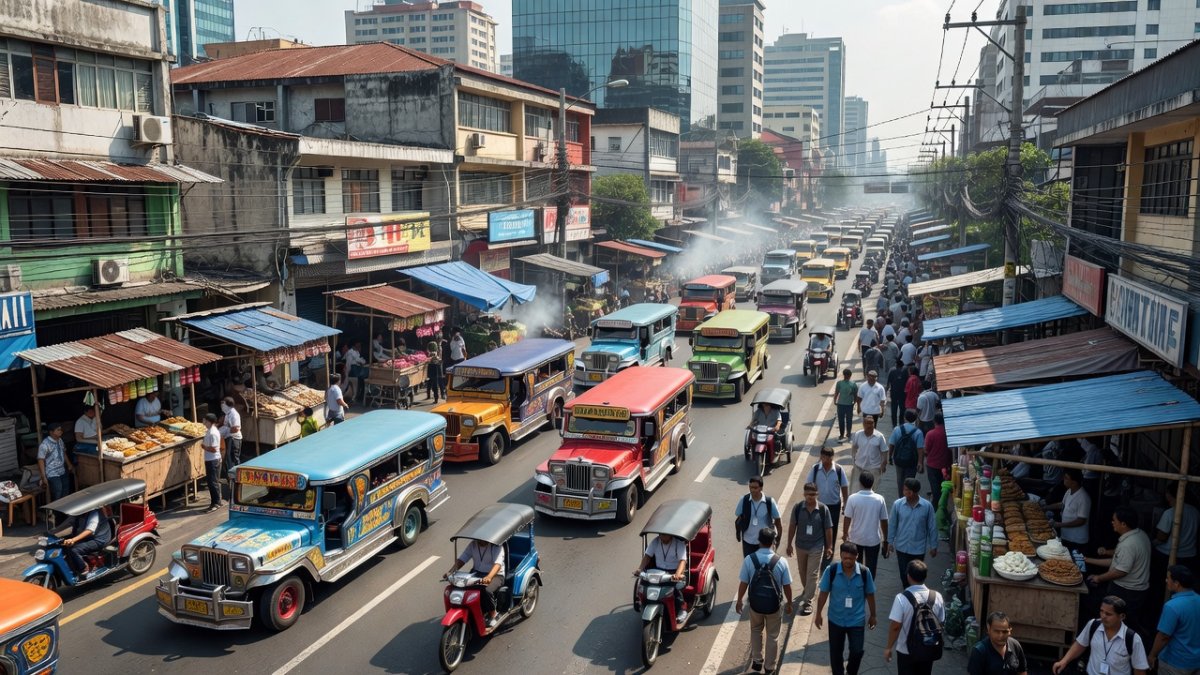
First tranche of P85 minimum wage hike begins in Metro Manila
A Long-Awaited Payday for Metro Manila Workers
Metro Manila workers woke up to a modest but meaningful change on July 25, 2026. The first part of Wage Order NCR-27 took effect, raising the daily minimum wage for non-agriculture workers from P695 to P780. This adjustment directly touches the lives of roughly 1.1 million minimum wage earners across the National Capital Region.
For families like those in Quezon City and Caloocan, the extra P60 each day can help cover rising costs of rice, transportation, and school supplies. Jeepney drivers and retail workers, who often support extended households, now see a small buffer against inflation that has squeezed household budgets since the last adjustment in June 2025.
Ordinary Filipinos in the capital have long waited for relief. Many minimum wage earners juggle multiple jobs or rely on overtime just to meet basic needs. The increase, though phased, offers a concrete step toward easing daily pressures on these households.
NCR-27: How the Phased Rollout Works
The Regional Tripartite Wages and Productivity Board approved Wage Order NCR-27 on June 30, 2026. The order structures the P85 total increase in two parts to give businesses time to adjust. The first tranche of P60 began on July 25, 2026, while the second tranche of P25 is scheduled for January 20, 2027.
This measured approach reflects input from labor groups, employers, and government representatives on the board. Non-agriculture workers in Metro Manila now receive P780 daily, with the full P85 increase expected once both tranches are in place.
Authorities have confirmed that no suspension of the order occurred after July 21. The timeline remains on track, allowing workers and employers to plan accordingly without abrupt shifts.
Still Falling Short: The Living Wage Gap
Even after the full increase, the new daily rate of P780 remains below the estimated living wage of P1,305. This gap highlights ongoing challenges for Metro Manila families trying to cover housing, food, education, and healthcare.
Workers in sectors such as retail, food service, and small manufacturing often find that one income barely stretches across rent and utilities in the capital. The phased rollout provides immediate relief but leaves many households still calculating how to close the remaining difference through side jobs or shared family expenses.
Community organizations note that the living wage estimate accounts for realistic costs in urban areas. For students and young workers supporting siblings, the shortfall means continued reliance on public services and community support networks.
Small Businesses Between a Rock and a Hard Place
Employers' groups, including the Employers Confederation of the Philippines, have warned that micro-businesses may face strain from the wage adjustment. Many small enterprises in Metro Manila operate on thin margins and employ minimum wage workers in roles such as sales, delivery, and basic production.
The two-tranche structure was designed partly to ease this pressure, giving owners time to review pricing, staffing, and operations before the second increase in January 2027. Some neighborhood stores and family-run workshops have begun discussing modest price adjustments or efficiency measures.
At the same time, these businesses form the backbone of local economies in areas like Manila and Pasig. Their ability to absorb costs without reducing hours or staff will influence how widely the wage gains reach ordinary workers and their communities.
What Lawmakers Say: The Push for a National Wage Law
Senator Risa Hontiveros continues to advance Senate Bill 210, known as the Fair Wages and Productivity Bill. The measure aims to establish clearer national standards for wage setting and productivity incentives beyond regional boards.
Proponents argue that a national framework could reduce disparities between Metro Manila and other regions while encouraging fairer compensation tied to output. The current regional system, while responsive to local conditions, sometimes leaves workers in provinces with slower adjustments.
Discussions around the bill connect directly to broader debates on labor policy ahead of President Marcos's fifth State of the Nation Address on July 27. Lawmakers see the NCR-27 order as one piece of a larger conversation about sustainable wage growth across the country.
The Broader Economic Picture
The wage increase arrives amid steady but uneven economic recovery in the Philippines. Metro Manila remains the engine of national growth, yet many workers there still experience the pinch of higher living costs compared with rural areas.
DOLE Secretary Bienvenido Laguesma described the order as historic, noting it builds on the P50 adjustment from June 2025. The move reflects efforts to balance worker needs with business viability in a region that hosts both large corporations and countless micro-enterprises.
Economists point out that higher wages can stimulate local spending, particularly in food markets and public transport. However, sustained impact depends on whether the increase keeps pace with inflation and whether similar adjustments follow in other regions.
What Comes Next
With the first tranche now in effect, attention turns to monitoring compliance and preparing for the January 20, 2027 increase. Labor inspectors from the Department of Labor and Employment are expected to step up checks in workplaces across the capital.
Workers and their families will track how the additional P60 flows into household budgets over the coming months. Community groups plan to gather feedback on whether the change eases pressures on daily expenses such as commuting and school fees.
President Marcos's upcoming SONA on July 27 offers a national platform to discuss further wage policies. Advocates hope the address will address both the living wage gap and support for small businesses navigating the new rates.
By Bella Reyes, Staff Writer
This article was produced with AI-assisted research and editorial support. Reporting is based on sources cited in the article.
What's Your Reaction?
 Like
0
Like
0
 Dislike
0
Dislike
0
 Love
0
Love
0
 Funny
0
Funny
0
 Wow
0
Wow
0
 Sad
0
Sad
0
 Angry
0
Angry
0

Philippines/Southeast Asia Correspondent at Global1.News. Manila-based journalist covering Philippine politics, environment, maritime security, and social issues. Passionate about marine conservation and the communities protecting the Philippines' natural heritage.













Comments (0)