
Putin's Approval Rating Plunges Amid Fuel Crisis and War Fatigue, New Polls Show
President Vladimir Putin's job approval rating has recorded its steepest single-week decline since Russia's invasion of Ukraine, according to new polling data from the state-run VTsIOM center. The drop comes as Russia grapples with a deepening fuel crisis and growing signs of war fatigue among the population, raising questions about domestic stability ahead of the NATO summit i
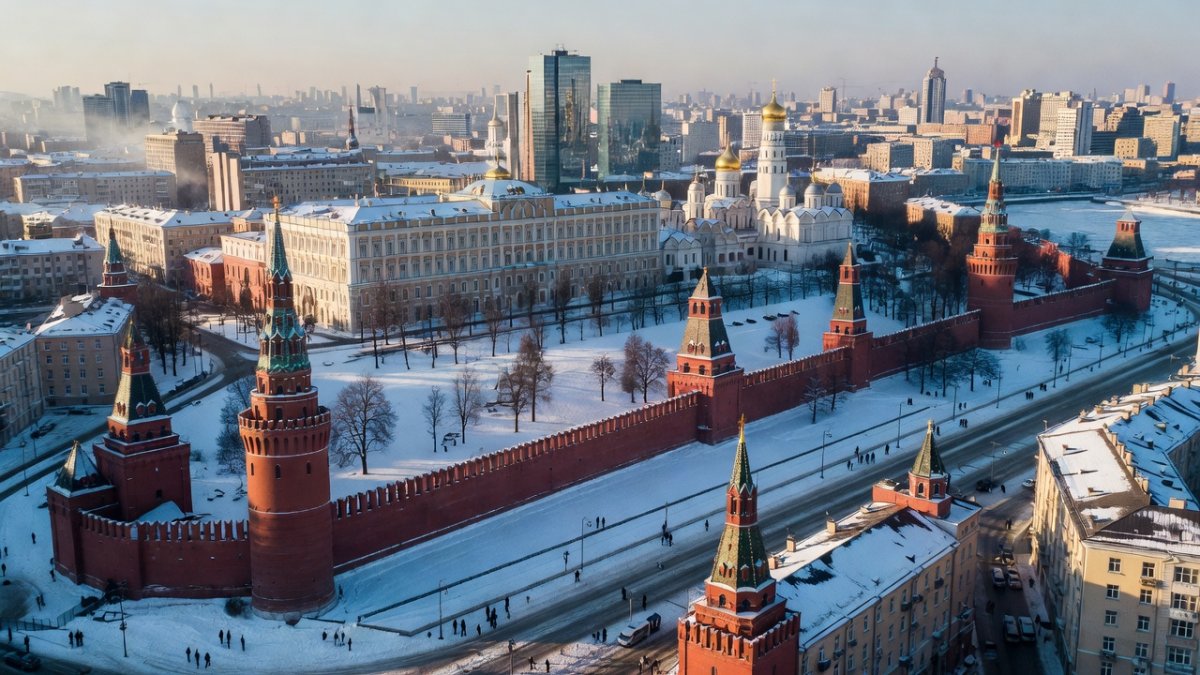
President Vladimir Putin's job approval rating has recorded its steepest single-week decline since Russia's invasion of Ukraine, according to new polling data from the state-run VTsIOM center. The drop comes as Russia grapples with a deepening fuel crisis and growing signs of war fatigue among the population, raising questions about domestic stability ahead of the NATO summit in Turkey next week.
Putin's Approval Rating Plunges Amid Fuel Crisis and War Fatigue, New Polls Show
Moscow, Russia – July 2026 — The VTsIOM poll conducted between June 22 and 28 surveyed 1,600 Russians and recorded President Vladimir Putin's approval rating at 66.9 percent. This figure represents a decline from 70.4 percent in the preceding period. Disapproval rose to 21.3 percent from 19.7 percent. The trust rating stood at 73.3 percent, down from 76.7 percent. These results mark the lowest approval level since the start of the war, when the rating reached 65.6 percent in April during a period of Telegram restrictions and internet blackouts.
The Data: VTsIOM's Sharpest Weekly Drop Since 2022
Earlier data show that after the September 2022 mobilization, approval had already fallen into the high 60s. The June survey therefore continues a pattern of measurable erosion rather than isolated fluctuation. VTsIOM's methodology relies on telephone interviews with a fixed sample size, allowing week-to-week comparisons that highlight the recent acceleration in the downward movement. The timing of the poll coincides with visible domestic strains, yet the numbers themselves remain the clearest available indicator of shifting sentiment. Historical tracking by the same organization places the current approval below levels sustained through much of 2023 and early 2024. The drop of 3.5 percentage points in a single week exceeds typical short-term variation recorded in prior years. Disapproval gains, though smaller in absolute terms, add to the cumulative picture of reduced support. These confirmed figures from VTsIOM provide the baseline for assessing further developments.
Trust and Confidence: Beyond Job Approval
The trust rating decline from 76.7 percent to 73.3 percent offers a separate measure from job approval. Trust metrics capture broader perceptions of reliability and leadership consistency, distinct from evaluations of specific performance. VTsIOM's decision to halt its open-ended trust survey last month followed the indicator reaching its lowest point since 2022. This adjustment in polling practice itself signals sensitivity around sustained downward movement. The June trust figure of 73.3 percent therefore stands as the final data point before the change in methodology. Official claims from state-linked pollsters have historically presented trust as more stable than approval during periods of external pressure. In this instance, both indicators moved in the same direction, reinforcing the observed trend. Interpretation of these numbers suggests that accumulated pressures may be affecting underlying confidence rather than momentary assessments alone. The gap between the two ratings remains narrow, yet the parallel decline indicates that respondents who previously expressed trust are now less inclined to do so. Previous lows in trust aligned with the April period of communication restrictions, providing context for the current reading. The confirmed reduction in trust therefore adds a layer of evidence beyond the headline approval number.
Levada Center Cross-Check: Independent Confirmation
The Levada Center, an independent polling organization, reported Putin's approval at 74 percent in June, down from 79 percent in May. Levada's methodology differs from VTsIOM in its emphasis on face-to-face interviews and stricter separation from state structures, which can produce modestly higher readings during periods of caution among respondents. Despite these differences, both organizations recorded declines over the same general timeframe. Levada's drop of five percentage points aligns directionally with VTsIOM's weekly movement, lending weight to the conclusion that the trend is not an artifact of a single survey design. Official claims from government-aligned sources have sometimes questioned Levada's independence, yet the consistency across the two pollsters strengthens the observed pattern. The June Levada figure remains above the VTsIOM reading, consistent with historical gaps between the organizations, but the shared downward trajectory is the significant element. This cross-check reduces the likelihood that sampling variation alone explains the results. Independent observers note that when divergent methodologies converge on similar movement, the underlying shift in sentiment gains credibility. The Levada data therefore serve as corroboration rather than contradiction of the VTsIOM findings.
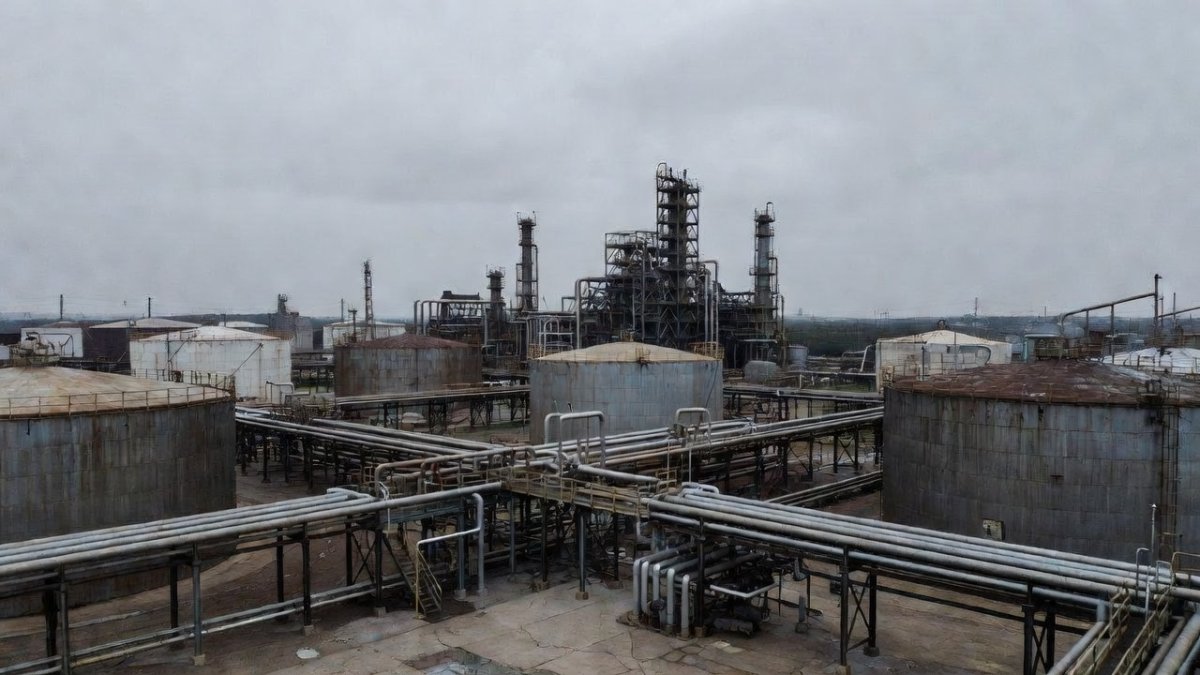
The Fuel Crisis: A Domestic Pressure Point
Ukrainian drone strikes on Russian oil refineries have triggered rationing, long lines at pumps, and empty stations across multiple regions. Russia, one of the world's largest oil producers, has begun importing gasoline from India to address shortages. Kremlin representatives are reported to be in talks with additional supplier countries. These confirmed developments mark a direct domestic consequence of external military actions. The strikes have disrupted refining capacity, forcing authorities to manage distribution through limits on purchases and priority allocations. Ordinary citizens in affected areas encounter practical constraints on mobility and daily logistics. The need to import fuel reverses the expected flow for a major exporter and underscores the scale of the shortfall. Regional variation appears pronounced, with rural and peripheral areas experiencing more acute disruptions than major urban centers with better stockpiles. Official statements have attributed the measures to temporary adjustments, yet the continuation of imports indicates ongoing pressure on supply chains. The fuel situation compounds existing economic frictions without requiring external interpretation. These events provide a tangible link between military developments and household-level impacts, visible through queues and restricted availability rather than abstract indicators.
War Fatigue and the Toll on Public Sentiment
Accumulated war fatigue has coincided with the fuel disruptions, producing a combined effect on public sentiment. The September 2022 mobilization previously drove approval into the high 60s, establishing a benchmark for how direct policy measures can register in polling. Current conditions differ in that the pressures stem from both prolonged conflict and visible supply shortages. Regional differences in sentiment likely reflect varying exposure to fuel lines and economic strain, with areas farther from central distribution points showing earlier signs of frustration. Interpretation of the data suggests that the interaction between these factors accelerates the erosion observed in both VTsIOM and Levada surveys. War fatigue alone had already lowered baseline support; the addition of rationing introduces a new, immediate grievance. Historical comparison indicates that earlier dips recovered when external conditions stabilized, yet sustained dual pressures may alter that pattern. The reluctance of some respondents to express views candidly further complicates precise measurement, but the direction of movement remains consistent across sources. These elements together frame the present decline as the product of overlapping domestic and military strains rather than a single cause.
Polling Under Repression: What the Numbers Conceal
Experts state that Russians remain reluctant to speak candidly with pollsters under current conditions. This self-censorship implies that recorded disapproval and distrust may understate actual levels of discontent. VTsIOM's termination of the open-ended trust question after it reached its lowest point since 2022 removed one channel for capturing nuanced responses. The decision followed a period in which that metric had already declined steadily. Independent observers interpret the change as an acknowledgment that further open responses could reveal deeper erosion. Levada's independent status offers some insulation from direct pressure, yet even its results may reflect partial restraint among participants. The combination of confirmed polling declines and documented reluctance to answer freely suggests that the published figures represent a conservative estimate of sentiment. Previous periods of heightened repression have produced similar gaps between measured and privately held views. The April low during communication restrictions provides an earlier instance of this dynamic. Consequently, the June numbers should be read as directional indicators rather than exhaustive measures of public opinion.
Implications for the Kremlin
Sustained erosion in approval and trust ratings affects internal Kremlin calculations by narrowing the margin for policy flexibility. Regional governors face increased pressure to manage visible shortages and maintain order amid fuel lines. The need to negotiate gasoline imports introduces an external dependency that contrasts with Russia's traditional position as a major producer. Interpretation of these trends points to growing attention on domestic stability as a parallel concern to military objectives. Historical precedent from the post-mobilization period shows that recovery in ratings required stabilization of conditions on the ground. Current data indicate that stabilization has not yet occurred. Pressure on regional administrations may therefore intensify as they absorb the immediate consequences of rationing and public inconvenience. Forward planning within the Kremlin must now account for the possibility that further declines could constrain options if the fuel situation persists. The cross-verified movement in independent and state-linked polls reinforces the need for calibrated responses rather than dismissal of the trend.
By Irina Volkov, Staff Writer
This article was produced with AI-assisted research and editorial support. Reporting is based on sources cited in the article.
What's Your Reaction?
 Like
0
Like
0
 Dislike
0
Dislike
0
 Love
0
Love
0
 Funny
0
Funny
0
 Wow
0
Wow
0
 Sad
0
Sad
0
 Angry
0
Angry
0
Russia/Eastern Europe Correspondent at Global1.News. Covering Russian politics, energy, security, and the shifting dynamics of the post-Soviet space. Provides clear-eyed analysis on one of the world's most opaque regions.













Comments (0)