
Fukushima Radiation Levels Decline After 15 Years of Monitoring
A comprehensive new report released in June 2026 reveals that roughly 70 percent of Fukushima Prefecture now records air radiation levels within the established national range — a milestone achieved 15 years after the Fukushima Daiichi nuclear power plant disaster. The findings, based on continuous monitoring data analyzed by Japan's Ministry of the Environment, represent the m
A comprehensive new report released in June 2026 reveals that roughly 70 percent of Fukushima Prefecture now records air radiation levels within the established national range — a milestone achieved 15 years after the Fukushima Daiichi nuclear power plant disaster. The findings, based on continuous monitoring data analyzed by Japan's Ministry of the Environment, represent the most definitive assessment yet of environmental recovery in the affected region.
NHK World reporter Kunitomo Mariko detailed the significance of the latest figures, which draw on one and a half decades of air radiation measurements across the prefecture. The report arrives as Japan continues to navigate the complex interplay between decommissioning operations, resettlement policies, and its evolving energy strategy.
Overview of the Latest Radiation Assessment
The June 2026 report compiled by Japan's Ministry of the Environment analyzes fifteen years of air radiation measurements across Fukushima Prefecture following the March 2011 accident at the Fukushima Daiichi nuclear power plant. According to the findings presented by NHK World reporter Kunitomo Mariko, roughly seventy percent of the prefecture now records levels that fall within the established national range for natural background radiation.
This gradual decline reflects ongoing natural decay processes combined with extensive decontamination work conducted since the event, which was rated Level 7 on the International Nuclear and Radiological Event Scale after the magnitude 9.0 earthquake and tsunami.
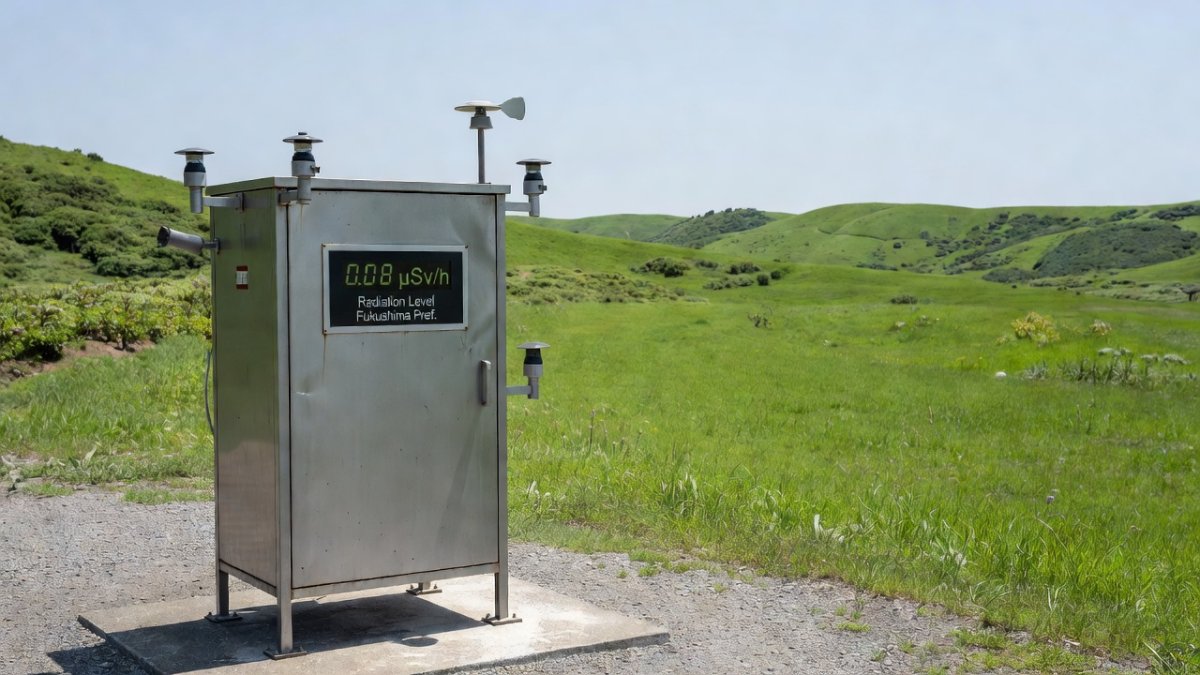
Technological Framework for Continuous Monitoring
Japan's post-2011 radiation surveillance system relies on fixed monitoring posts, mobile survey vehicles, and aerial mapping technologies coordinated by the Ministry of the Environment. These tools have generated a consistent dataset spanning the entire prefecture, allowing precise tracking of cesium-137 and cesium-134 concentrations in the air.
The data collection methods align with broader digital infrastructure goals under the Digital Agency and Society 5.0 initiatives, where real-time environmental sensors feed into centralized analytical platforms. Such integration supports evidence-based decisions on resettlement and land use without overstating the speed of recovery.
Decommissioning Progress at Fukushima Daiichi
Tokyo Electric Power Company (TEPCO) continues fuel debris removal and water treatment operations at the plant site. The radiation report provides supporting context for these activities by documenting reduced ambient levels in surrounding areas, which in turn informs worker safety protocols and waste management planning.
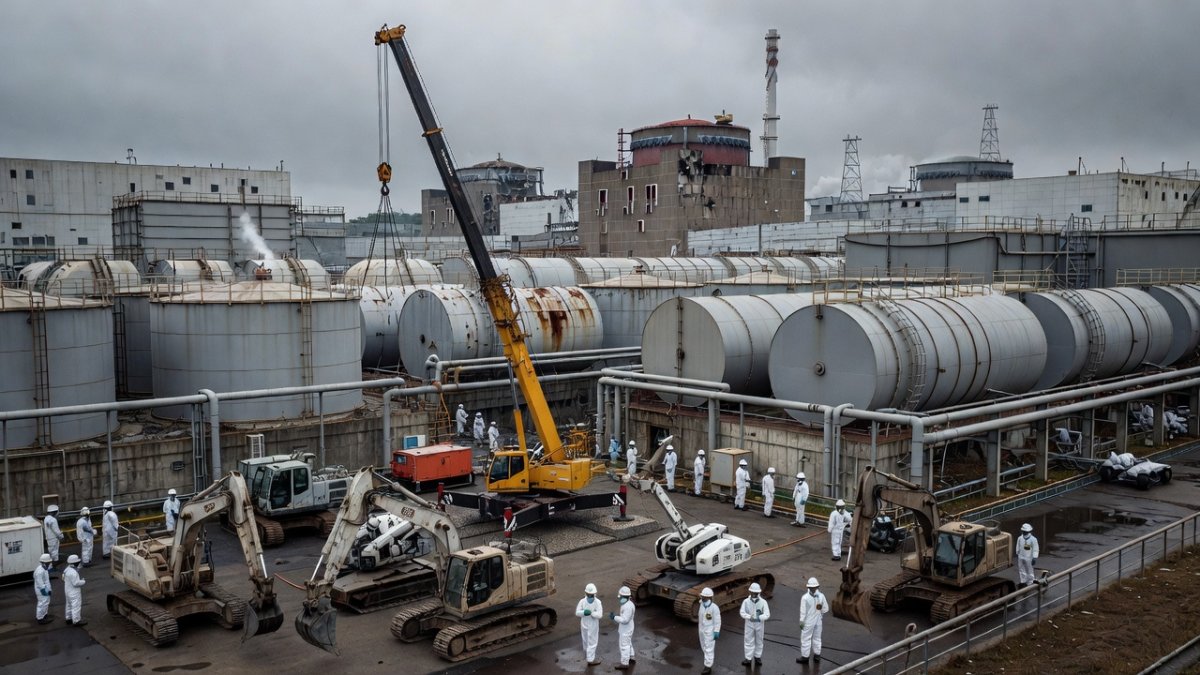
While the report does not alter the technical timeline for full decommissioning, it underscores the importance of sustained technological investment in robotics and remote sensing, areas where Japanese firms maintain active development programs tied to METI industrial strategies.
Policy Implications for Evacuation and Resettlement
The Japanese government has lifted evacuation orders in zones where measured radiation has declined sufficiently. The new data set strengthens the scientific basis for these decisions, yet authorities maintain a cautious approach that prioritizes long-term health monitoring of returning residents.
Local economies in Fukushima have begun to see gradual revitalization in reopened districts, with agriculture and tourism sectors adapting to ongoing safety verification programs. These developments connect directly to national Green Transformation (GX) objectives, which seek to balance environmental remediation with regional economic resilience.
Connections to Japan's Broader Energy and Technology Strategy
The findings arrive amid ongoing discussions at the Nuclear Regulation Authority (NRA) regarding enhanced safety standards implemented after 2011. Strengthened regulatory frameworks now emphasize passive cooling systems and improved seismic assessments, elements that influence both domestic reactor restarts and international technology exports.
From a policy perspective, the radiation decline supports Japan's dual-track approach of maximizing renewables while maintaining a role for nuclear power under strict oversight. This balance is central to METI's semiconductor and energy security strategies, where stable baseload options remain relevant for high-tech manufacturing clusters.
Environmental Science and Future Monitoring Needs
Continued analysis of the fifteen-year dataset will help refine predictive models for radionuclide behavior in forest and soil environments. Researchers affiliated with Japanese universities are exploring advanced spectrometry and AI-assisted pattern recognition to improve detection sensitivity in low-level areas.
These scientific efforts reinforce Japan's commitment to transparent data sharing with international partners through MOFA-coordinated channels, fostering global lessons on post-accident recovery without implying rapid normalization of all affected zones.
What to Watch For
The Ministry of the Environment is expected to publish updated spatial distribution maps later this year, providing granular detail on remaining hotspots. Municipal governments are incorporating this data into updated disaster preparedness frameworks that integrate radiation monitoring with digital alert systems.
On the energy policy front, the Nuclear Regulation Authority is scheduled to complete additional safety reviews at several facilities, including assessments of the new passive cooling requirements implemented after the Fukushima experience. The trajectory of these evaluations will shape Japan's nuclear energy outlook and its broader commitments under the Green Transformation framework.
By Kenji Tanaka, Staff Writer
This article was produced with AI-assisted research and editorial support. Reporting is based on sources cited in the article.
What's Your Reaction?
 Like
0
Like
0
 Dislike
0
Dislike
0
 Love
0
Love
0
 Funny
0
Funny
0
 Wow
0
Wow
0
 Sad
0
Sad
0
 Angry
0
Angry
0

Japan Correspondent at Global1.News. Tokyo-based voice covering Japanese politics, technology, economy, and culture. Tracks the intersection of tradition and innovation in one of the world's most dynamic societies.














Comments (0)