
Rafael Dumlao Arrest Closes Jee Ick-joo Murder Case
**Keywords:** Rafael Dumlao, Jee Ick-joo, Philippines police, South Korea relations, kidnapping murder, Court of Appeals, reclusion perpetua, Jonvic Remulla, Lee Jae-myung, international justice, PNP Camp Crame, tokhang operation The arrest of former Philippine National Police lieutenant colonel Rafael Dumlao on 9 June 2026 in Quezon City represents a significant development in
Dumlao Arrest Brings Closure to 2016 Jee Ick-joo Murder
Seoul, South Korea – June 10, 2026
The Jee Ick-joo Case — A Crime That Shocked Two Nations
The October 2016 kidnapping of Jee Ick-joo from his residence in Angeles City, Pampanga, exposed deep vulnerabilities in Philippine policing during the height of the Duterte administration's anti-drug campaign. Dumlao, then a serving officer, collaborated with two colleagues to stage a fake tokhang operation, a tactic officially associated with drug-related enforcement but frequently misused for extortion. Jee was transported to Camp Crame headquarters in Manila, where he was ultimately killed after ransom demands went unmet. Witness accounts indicate that the victim was strangled and his body subsequently burned, underscoring the brutality that distinguished this incident from routine criminal activity.
This crime quickly became emblematic of risks faced by the Korean expatriate community in the Philippines. Korean investors and residents had long regarded the country as a key destination for business and retirement, yet repeated incidents of violence against South Korean nationals prompted Seoul to issue repeated travel advisories and engage Manila through formal diplomatic channels.
The Arrest Operation in Quezon City
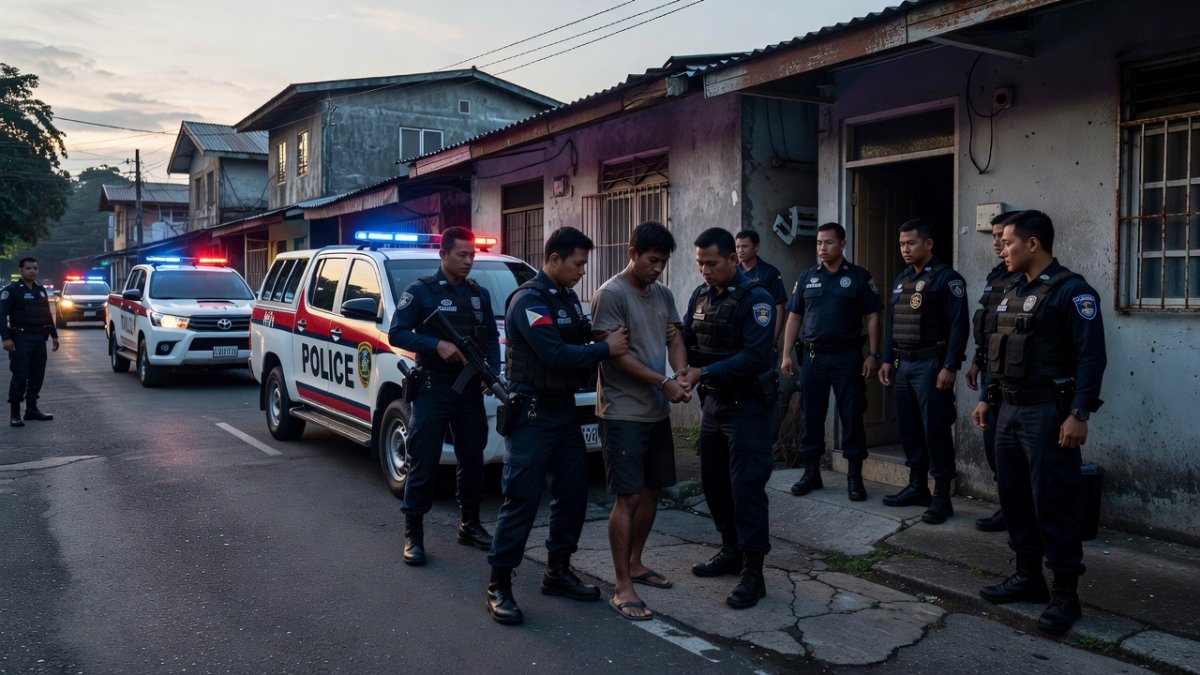
Philippine authorities executed the arrest at approximately 5:00 a.m. on 9 June 2026 in the Pasong Tamo area of Quezon City. Dumlao was taken into custody while asleep; officers recovered a handgun from beside him. Interior and Local Government Secretary Jonvic Remulla announced the operation during a press briefing at Camp Crame, emphasizing that the action demonstrated the state's resolve to implement final court decisions irrespective of the suspect's former rank.
The operation concluded a period during which Dumlao had remained at large for roughly one year and nine months after the Court of Appeals overturned his initial acquittal. The timing of the arrest warrant's issuance in September 2024 had allowed the former officer to exploit procedural delays before authorities could locate him.
A Long Legal Battle and a Fugitive on the Run
Dumlao's judicial trajectory illustrates the complexities of the Philippine appeals process. Following his initial acquittal by a lower court, the Court of Appeals issued a September 2024 ruling that convicted him and imposed the penalty of reclusion perpetua. The Supreme Court's denial of his petition on 30 June 2025 exhausted domestic remedies, converting the appellate decision into a final and executory judgment.
The extended interval between the appellate ruling and the eventual arrest underscores institutional frictions that can impede the swift execution of warrants. Such delays have historically complicated efforts to demonstrate that no individual, regardless of prior institutional affiliation, stands beyond the reach of judicial authority.
Impact on Korea-Philippines Relations
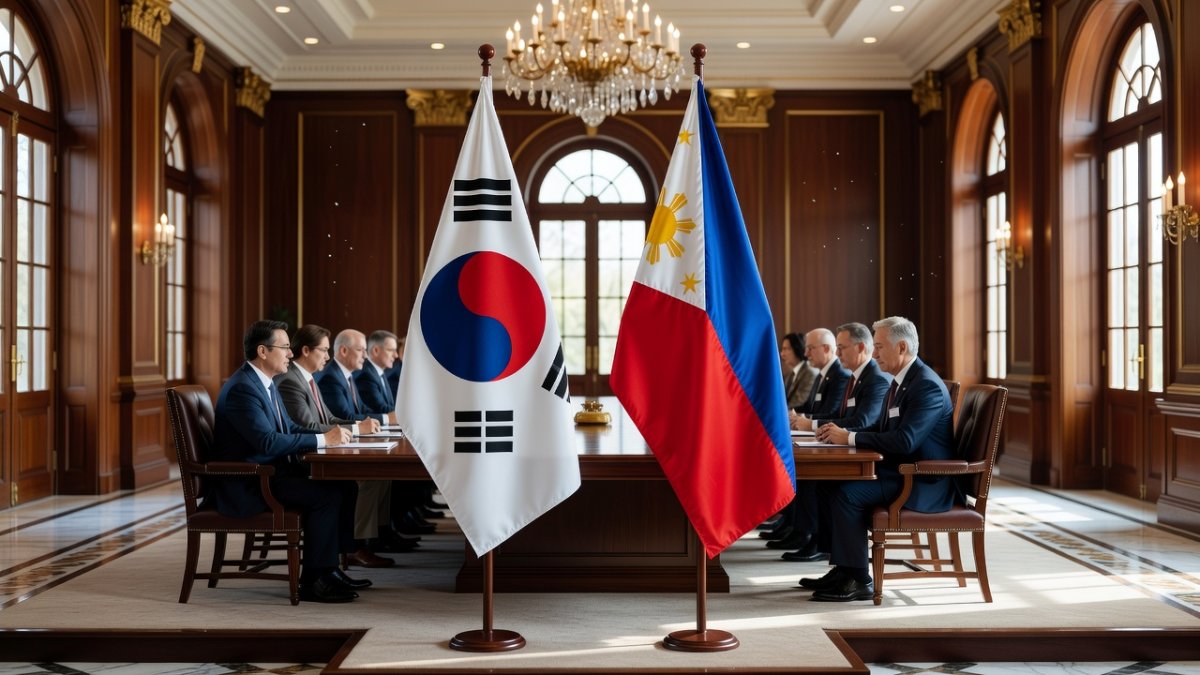
The Jee Ick-joo case occupied a prominent place on the bilateral agenda between Seoul and Manila for nearly a decade. South Korean President Lee Jae-myung issued a statement welcoming the arrest and expressing appreciation for Philippine authorities' persistence. The incident had previously prompted high-level consultations on consular protection, extradition procedures, and joint training initiatives aimed at improving investigative standards.
Within Korea, the case reinforced public sensitivity toward the safety of citizens abroad and influenced discussions within the Ministry of Foreign Affairs regarding risk-assessment protocols for expatriate communities in Southeast Asia. Philippine officials, for their part, have cited the arrest as evidence of renewed commitment to addressing crimes that damage the country's international reputation.
Expert Perspectives on Law Enforcement Accountability
Scholars of Southeast Asian security studies note that the Dumlao case exemplifies broader patterns of police involvement in kidnapping-for-ransom schemes disguised as legitimate operations. The misuse of tokhang procedures during the drug war created opportunities for abuse that extended beyond narcotics enforcement into predatory criminality. Academic literature on Philippine policing has documented how weak internal accountability mechanisms enabled such misconduct to persist.
The successful apprehension of a high-ranking fugitive therefore carries symbolic weight beyond the immediate case. It signals to both domestic and international audiences that judicial finality can eventually translate into physical custody, even when institutional resistance or procedural gaps initially obstruct enforcement.
Looking Ahead — Justice and Deterrence
The Dumlao arrest provides a measure of closure for Jee Ick-joo's family and the Korean community in the Philippines. Yet sustained deterrence will require continued reforms in recruitment, oversight, and disciplinary procedures within the Philippine National Police. Bilateral mechanisms, including information-sharing agreements and joint investigative task forces, may offer additional safeguards for foreign nationals conducting business in the archipelago.
Future scholarship on Korea-Philippines relations will likely examine whether this episode accelerates institutional learning or merely represents an isolated instance of eventual accountability. The case remains a reference point for understanding how transnational criminal justice intersects with domestic governance challenges in the region.
By Prof. David Park, Staff Writer
This article was produced with AI-assisted research and editorial support. Reporting is based on sources cited in the article.
What's Your Reaction?
 Like
0
Like
0
 Dislike
0
Dislike
0
 Love
0
Love
0
 Funny
0
Funny
0
 Wow
0
Wow
0
 Sad
0
Sad
0
 Angry
0
Angry
0

East Asia/Technology Correspondent at Global1.News. Seoul-based voice covering Korean politics, technology, business, and culture. Analyzes how technology and geopolitics intersect across East Asia.















Comments (0)