
Third US Soldier Killed as Iran War Escalates — Strait of Hormuz Becomes Shooting Gallery
The US-Iran war just claimed its third American soldier, and the Strait of Hormuz is now a shooting gallery that's emptying tankers and spiking global energy costs. As of July 21, 2026, daily strikes between the US and Iran show no sign of slowing after the July 8 ceasefire collapse, with Iran hitting commercial ships and US forces responding with consecutive nights of airstrikes.
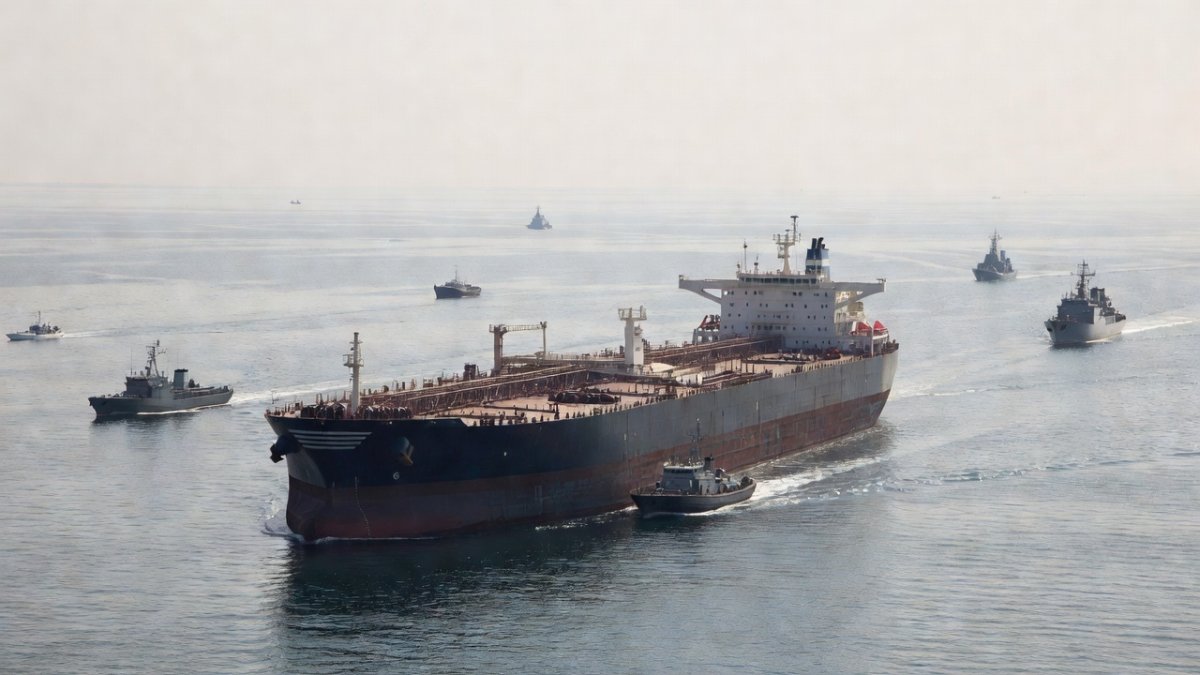
The US-Iran war just claimed its third American soldier, and the Strait of Hormuz is now a shooting gallery that's emptying tankers and spiking global energy costs. As of July 21, 2026, daily strikes between the US and Iran show no sign of slowing after the July 8 ceasefire collapse, with Iran hitting commercial ships and US forces responding with consecutive nights of airstrikes.
The collapse of the July 8 ceasefire has locked both sides into a cycle of retaliation that shows little sign of de-escalation. With the Strait of Hormuz turning into a high-risk corridor, commercial operators are already rerouting or halting voyages, which directly feeds into the oil price surges now rippling through global markets. The pattern of nightly US airstrikes paired with Iranian responses underscores how quickly a fragile pause unraveled into sustained combat.
Historical parallels to past Hormuz tensions highlight why this disruption carries outsized weight. Previous crises in the waterway have triggered sharp spikes in energy costs that lingered for months, and the current daily exchanges are accelerating that pressure on supply chains from the Gulf to major Asian importers. Regional reactions from energy-dependent nations reveal growing alarm that prolonged instability could reshape trade routes for years.
How the Fighting Restarted
The US-Israel war with Iran began on February 28, 2026, after US-Israeli airstrikes killed several Iranian officials including Supreme Leader Ali Khamenei. A ceasefire deal collapsed on July 8 after Iran allegedly struck multiple commercial ships in the Strait of Hormuz. Since then, the US and Iran have been trading strikes daily, according to reports from AP, Reuters, and Al Jazeera.
That breakdown turned a fragile pause into open daily exchanges, with the US launching a 10th consecutive night of airstrikes targeting Iran over control of the key waterway. The disruption is already forcing crews to abandon ships and emptying the passage of normal traffic.
The February 28 start date marks a decisive shift from proxy tensions to direct confrontation after the strikes that eliminated key Iranian leadership. This timeline shows how quickly diplomatic efforts gave way to sustained military action once the initial ceasefire proved untenable. Daily reporting from multiple outlets confirms the rhythm of exchanges has intensified since July 8, leaving little room for immediate de-escalation.
Control over the Strait of Hormuz remains the central flashpoint driving the renewed phase. With Iran allegedly targeting commercial vessels, the US response through consecutive airstrikes aims to secure passage for global energy flows. The resulting empty traffic lanes illustrate how one side's actions in the waterway trigger immediate countermeasures that compound economic strain across continents.
Third US Soldier Killed in Renewed Phase
Sgt. Michael Emmanuel Swinton, 30, of Fayetteville, North Carolina, was killed Saturday July 19 during a controlled detonation of a downed Iranian drone at Erbil Air Base in northern Iraq. The Pentagon identified him Tuesday July 21. He is the third US soldier killed in the conflict. Nearly 100 US service members have been injured since fighting resumed on July 7, with 96% having already returned to duty, per Pentagon statements carried by CBS News and the New York Times.
This latest death underscores the grinding cost on US forces even in what officials describe as controlled operations. The 96 percent return-to-duty rate shows most injuries are being managed quickly, yet each fatality lands hard on families and units stretched across multiple Gulf bases.
The death of Sgt. Swinton at Erbil Air Base during a routine drone disposal operation reveals the persistent hazards facing US personnel even outside direct combat zones. Fayetteville's connection to this loss brings the human impact home to American communities that have shouldered repeated deployments in the region. With nearly 100 injuries recorded since July 7, the high return-to-duty percentage offers some operational relief but does not lessen the weight of each confirmed fatality.
US installations across at least four countries have absorbed Iranian targeting since the fighting resumed, spreading the risk to service members stationed far from the Strait itself. The Pentagon's accounting of casualties underscores how the renewed phase has already extracted a measurable toll in both lives and resources within a short window. Families in places like North Carolina now confront the reality that controlled detonations and defensive postures still carry lethal consequences.
Strait of Hormuz Attacks Escalate
Iran attacked a tanker in the Strait of Hormuz early Tuesday July 21, forcing its crew to abandon ship. Another tanker was also attacked as renewed hostilities empty the waterway. The US conducted a 10th consecutive night of airstrikes targeting Iran over control of the key waterway. Oil prices are surging due to the ongoing disruption, Bloomberg and Reuters confirm.
With two tankers hit in quick succession, commercial traffic is grinding to a halt. The waterway that carries a huge share of global oil is becoming too dangerous for routine passage, directly feeding the price spikes now hitting markets from Atlanta to Asia.
The July 21 attacks on successive tankers mark an escalation that has forced crews into lifeboats and left the passage increasingly deserted. Bloomberg and Reuters data show oil prices climbing in direct response, illustrating how localized naval incidents translate into immediate global market reactions. The 10th straight night of US airstrikes signals Washington's determination to contest Iranian control over this critical chokepoint.
Emptying traffic lanes in the Strait threaten to constrain energy supplies that power economies from the Middle East to East Asia. Historical disruptions in the same waterway have produced prolonged price volatility, and current conditions suggest similar pressures are building faster than in prior episodes. Regional operators are already weighing longer alternative routes that add cost and delay to every barrel moved.
Houthi Rebels Add Red Sea Pressure
Houthi rebels in Yemen, backed by Iran, are threatening to blockade Saudi ports in the Red Sea, which would further disrupt global maritime trade. This move would compound the Strait of Hormuz problems and hit energy routes that supply Southeast Asia and beyond.
The Iranian-backed threat widens the conflict's reach without requiring direct Iranian naval action in every theater. Ports that normally move Saudi crude and other cargo now face potential shutdowns that could ripple into higher costs for consumers worldwide.
The Houthi threat to Saudi Red Sea ports extends Iranian influence into a second major trade artery without Tehran committing its own surface fleet. This layered pressure compounds the Hormuz crisis by targeting routes that feed crude to Southeast Asian refineries and onward markets. Any blockade would force shippers to consider even longer detours around Africa, inflating delivery times and insurance premiums.
Energy security analysts note that simultaneous disruptions in both the Strait of Hormuz and the Red Sea would create a dual chokehold on global supply. Southeast Asian nations already voicing concern over Hormuz flows now face the added prospect of Red Sea closures that could starve their import terminals. The Iranian connection to Houthi actions demonstrates how proxy capabilities multiply the conflict's geographic footprint.
Iran Targets US Installations Across the Region
Iran targeted US radar and air defense installations in multiple Gulf states on July 21. A senior Iranian commander warned Washington of 'more decisive and powerful' attacks to come. US military installations and facilities in at least four countries have been targeted since July 7, according to Al Jazeera and NY Post reporting.
These strikes show Iran is not limiting its response to the Strait. By hitting radar and air defense nodes across several nations, Tehran is forcing the US to defend a broad footprint while continuing its own airstrikes on Iranian positions.
The July 21 strikes on radar and air defense sites across multiple Gulf states reveal Iran's strategy of spreading US defensive obligations thin. A senior commander's explicit warning of 'more decisive and powerful' attacks signals Tehran's intent to sustain pressure beyond the waterway itself. With targets confirmed in at least four countries since July 7, the conflict has already assumed a multi-front character.
US forces must now allocate resources to protect dispersed installations while maintaining the 10th consecutive night of airstrikes. This geographic expansion raises the operational tempo and increases exposure for personnel stationed at forward bases. Regional governments hosting those facilities face their own calculations about the risks of continued alignment with Washington amid escalating exchanges.
Human and Financial Toll Mounts
Iran's state broadcaster reports 555+ killed in US-Israeli airstrikes. OSINT conflict monitors track 1,000+ total casualties. US war cost estimated at $113.3 billion over 108 days, per figures tracked by Bloomberg and Reuters.
The Iranian death toll and the broader casualty count tracked by open-source monitors paint a picture of heavy impact inside Iran. On the US side, the $113.3 billion price tag over just 108 days highlights how quickly the renewed phase is burning through resources.
Iran's state broadcaster tally of more than 555 killed, paired with OSINT estimates exceeding 1,000 total casualties, reflects the intensity of US-Israeli airstrikes since February. These figures capture both direct strike victims and the wider human cost inside Iranian territory. On the American ledger, the $113.3 billion expenditure over 108 days demonstrates the rapid accumulation of financial strain from sustained operations.
The combination of Iranian casualties and US budgetary outlays illustrates a conflict that extracts steep costs on both sides in a compressed timeframe. Bloomberg and Reuters tracking of the American spend underscores how quickly resources are committed once daily strikes resume. Open-source monitoring provides an independent check on official Iranian numbers, revealing a broader scope of impact than state media alone might convey.
Asian Diplomats Sound Alarm on Energy Security
ASEAN diplomats voiced 'serious concern' about the Iran war's impact on Southeast Asia energy security. The Strait of Hormuz disruption is threatening energy supplies across Asia, according to statements reported by Al Jazeera and the New York Times.
Leaders in the region are watching the waterway closely because any prolonged closure directly threatens the fuel that powers factories, transport, and power grids from Singapore to Seoul. The concern is not abstract; it is about immediate supply lines already under pressure.
ASEAN statements of 'serious concern' reflect the direct dependence of Southeast Asian economies on Hormuz transits for crude and refined products. With oil prices already surging from the July 21 tanker attacks, regional planners are assessing how sustained disruption could stall industrial output and raise electricity costs. The waterway's role as a primary artery for Asian energy imports makes every abandoned ship a potential trigger for downstream shortages.
Diplomats from Singapore to Seoul recognize that alternative routes cannot fully offset a prolonged Hormuz closure without significant delays and added expense. The threat of Houthi actions in the Red Sea only heightens the sense that multiple chokepoints are now at risk simultaneously. These warnings from Asian capitals underscore how a Gulf-centered conflict quickly registers as an immediate energy security crisis thousands of miles away.
The daily rhythm of strikes, ship abandonments, and rising costs shows this conflict is settling into a dangerous pattern with no quick off-ramp. American families in places like Fayetteville are paying the ultimate price while global energy markets absorb the shock. Until one side blinks or new diplomacy intervenes, the Strait of Hormuz and the bases around it will keep absorbing fire and money alike.
By Jessica Ali, Staff Writer
This article was produced with AI-assisted research and editorial support. Reporting is based on sources cited in the article.
What's Your Reaction?
 Like
0
Like
0
 Dislike
0
Dislike
0
 Love
0
Love
0
 Funny
0
Funny
0
 Wow
0
Wow
0
 Sad
0
Sad
0
 Angry
0
Angry
0

Editor-in-Chief at Global1.News. Atlanta-based journalist who cuts through the BS and tells it like it is. Lead anchor, host, and the voice you hear when the spin stops and the truth starts.














Comments (0)