
Ebola Scare in Brazil: Two Suspected Cases Test Negative
Negative Tests Clear Ebola Suspects in São Paulo and Rio Brazilian health officials confirmed this week that two suspected Ebola cases have tested negative, ending a brief period of heightened monitoring in the country's largest cities. The individuals, one in São Paulo and one in Rio de Janeiro, had returned from African nations experiencing Ebola activity and displayed sympto
Negative Tests Clear Ebola Suspects in São Paulo and Rio
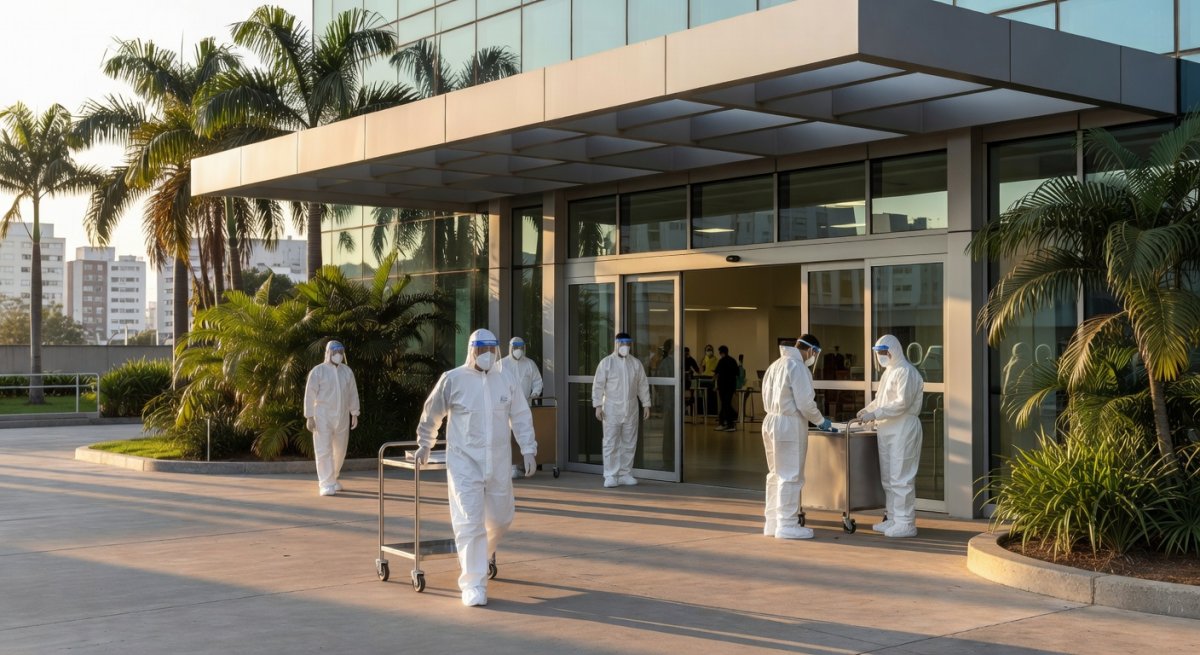
Brazilian health officials confirmed this week that two suspected Ebola cases have tested negative, ending a brief period of heightened monitoring in the country's largest cities. The individuals, one in São Paulo and one in Rio de Janeiro, had returned from African nations experiencing Ebola activity and displayed symptoms consistent with viral infections. Local authorities acted swiftly under national surveillance protocols to isolate and test the patients, ruling out the virus after laboratory results came back clear.
The São Paulo case involved a 37-year-old man who had traveled to the Democratic Republic of Congo. He presented with fever and other symptoms but was later diagnosed with meningitis. In Rio de Janeiro, a Belgian national who had visited Uganda showed cough, chills, and diarrhea and received a malaria diagnosis instead. These outcomes highlight the effectiveness of Brazil's rapid response mechanisms when travelers report symptoms after visiting high-risk zones.
DR Congo Outbreak Drives Regional Vigilance
The Democratic Republic of Congo continues to report more than 1,000 suspected Ebola cases, with at least 246 deaths recorded in Ituri, North Kivu, and South Kivu provinces. Uganda has separately confirmed nine cases and one fatality linked to the same outbreak. The current strain, known as Bundibugyo, spreads through direct contact with bodily fluids and carries a fatality rate of roughly one third among infected individuals. It typically emerges when humans handle infected animals such as fruit bats.
Brazilian authorities monitor these developments closely because of direct flight connections and growing trade links between Latin America and Central Africa. The absence of confirmed cases outside Africa so far has not reduced preparedness efforts in major Brazilian ports and airports.
Brazil's Public Health System Responds to Imported Risks
Brazil's national health network, coordinated through state secretariats in São Paulo and Rio de Janeiro, maintains strict protocols for any traveler arriving with fever or gastrointestinal symptoms from affected regions. The quick turnaround on testing prevented unnecessary escalation and demonstrated coordination between municipal hospitals and federal laboratories. These systems have been tested repeatedly with other imported diseases, building institutional memory that proved valuable here.
Public health workers in both cities followed isolation guidelines while awaiting results, protecting hospital staff and surrounding communities. The episodes underscore ongoing investments in diagnostic capacity that allow Brazil to differentiate Ebola from more common illnesses such as meningitis or malaria within days.
Environmental Pressures Link Disease Emergence Across Continents
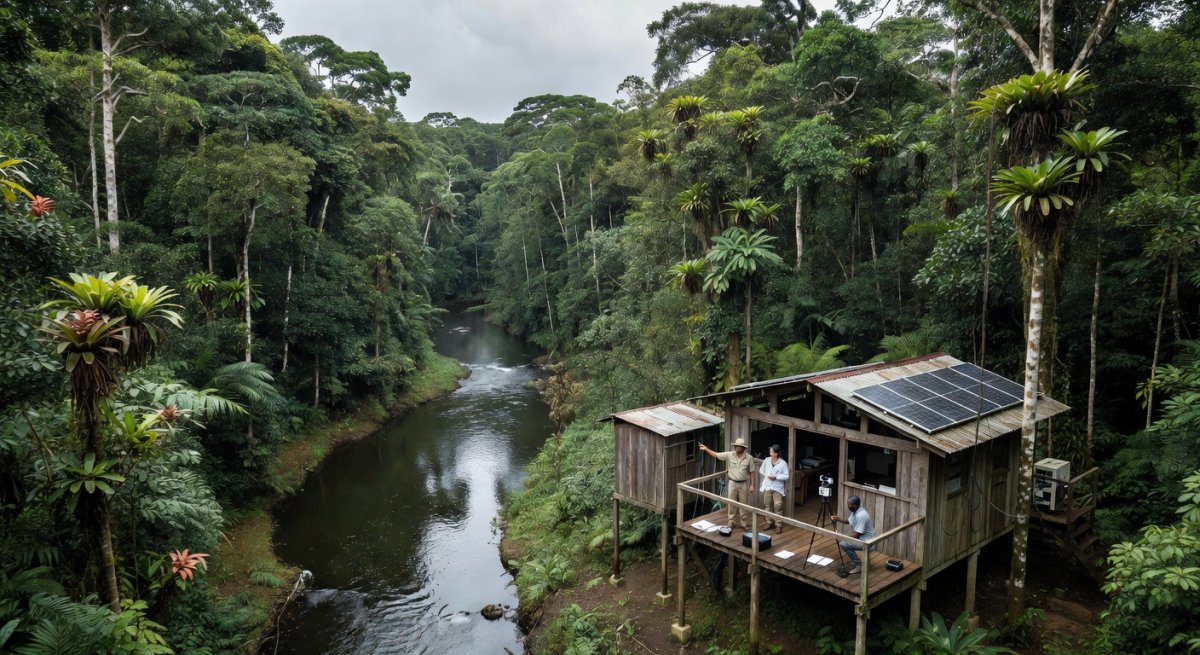
Climate journalists tracking zoonotic threats note that habitat disruption in both the Amazon and Central African forests increases opportunities for viruses to jump from wildlife to humans. Deforestation driven by agriculture and mining in Brazil's northern states creates conditions similar to those observed in the Ituri and Kivu provinces, where forest clearing has been associated with past Ebola spillovers. Although no direct causal data connects the current Bundibugyo outbreak to Brazilian land-use changes, the pattern of environmental stress raising disease risk applies across tropical regions.
Local communities in Pará and Amazonas states already contend with altered rainfall patterns and temperature shifts that affect vector-borne illnesses. Strengthening surveillance at the intersection of environmental and health agencies offers one practical step to reduce future surprises.
Latin America Faces Low but Real Threat From Bundibugyo Strain
No proven vaccine exists for the Bundibugyo variant, leaving populations in Latin America dependent on rapid detection and contact tracing if the virus were ever introduced. Brazil's extensive land borders and busy international airports create theoretical entry points, yet the country's experience with previous global health alerts has produced layered screening procedures. Neighboring countries such as Colombia and Peru maintain comparable systems through their ministries of health, though resource gaps remain in more remote areas.
Health officials emphasize that the primary risk to the region lies in delayed recognition rather than widespread airborne transmission. Continued training for frontline clinicians in recognizing unusual fever patterns remains essential.
Vaccine Development Race Targets Rare Ebola Variant
Three research programs are advancing candidates against the Bundibugyo strain. The International AIDS Vaccine Initiative, the University of Oxford, and Moderna are each pursuing distinct platforms designed to address the absence of existing immunization options. Early data from these efforts focus on safety and immune response in preclinical models, with human trials still in planning stages.
Success in any of these projects would mark a significant step for global preparedness, particularly for countries like Brazil that must guard against multiple emerging pathogens simultaneously. Partnerships between Latin American research institutions and these international groups could accelerate technology transfer and local manufacturing capacity in the years ahead.
Lessons for Daily Life and Policy in Brazil
The cleared cases serve as a reminder that Brazil's public health infrastructure can respond effectively when supported by clear communication and adequate laboratory resources. Residents in major cities benefit from transparent updates issued by state health departments, which help prevent rumors while maintaining trust. Continued attention to environmental drivers of disease, from Amazon deforestation rates to urban sanitation, will determine how resilient the region remains against future threats.
Authorities in Brasília and state capitals are expected to review current traveler screening measures in light of these events, ensuring protocols stay aligned with evolving international data from the World Health Organization and African partners.
By Elena Vasquez, Staff WriterThis article was produced with AI-assisted research and editorial support. Reporting is based on sources cited in the article.
What's Your Reaction?
 Like
0
Like
0
 Dislike
0
Dislike
0
 Love
0
Love
0
 Funny
0
Funny
0
 Wow
0
Wow
0
 Sad
0
Sad
0
 Angry
0
Angry
0

Latin America Correspondent at Global1.News. Based in Mexico City, covering politics, economics, energy, and culture across the region. Brings an on-the-ground perspective to stories spanning from the Rio Grande to Patagonia.













Comments (0)