
British Airways Extends Flight Cancellations to Israel Through October as Etihad Expands Operations
European and American Carriers Extend Suspensions to Ben Gurion Airport British Airways has announced it will keep its flights to Tel Aviv suspended through October 25, 2026, alongside services to Dubai, Bahrain and Amman. The decision reflects continued uncertainty over regional security and operational challenges linked to tensions with Iran. Passengers traveling between Lond
European and American Carriers Extend Suspensions to Ben Gurion Airport
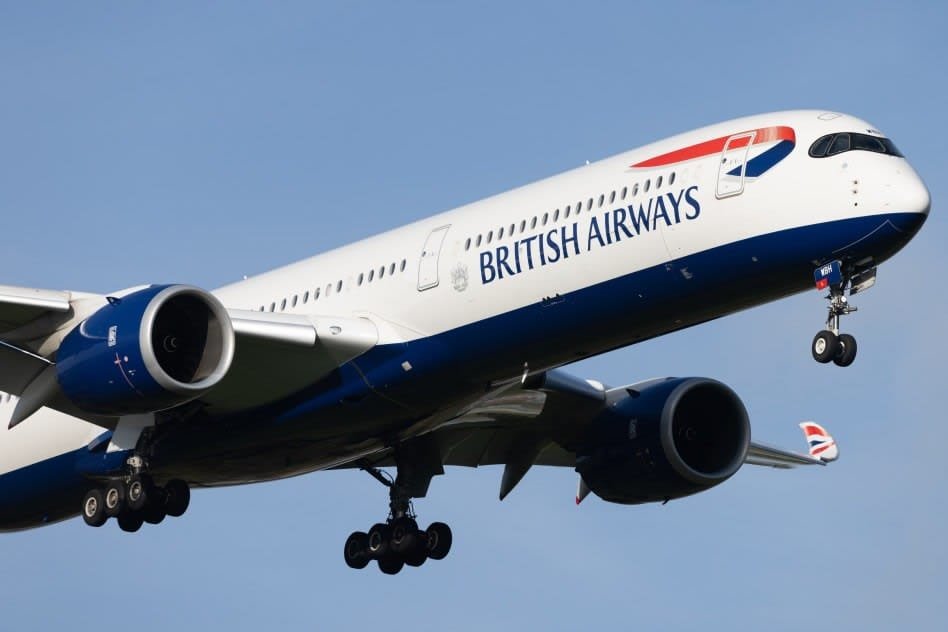
British Airways has announced it will keep its flights to Tel Aviv suspended through October 25, 2026, alongside services to Dubai, Bahrain and Amman. The decision reflects continued uncertainty over regional security and operational challenges linked to tensions with Iran. Passengers traveling between London and Ben Gurion Airport face a prolonged period without direct British Airways options, affecting both business connections and family travel between the United Kingdom and Israel.
Delta Air Lines has set its own timelines, with New York to Tel Aviv flights suspended until September 6 and Atlanta routes halted until December 18. The Boston Tel Aviv service remains postponed indefinitely. American Airlines extended its absence from Israel through January 2027, marking more than three years without scheduled service to Ben Gurion. These moves come as carriers weigh insurance costs and crew routing difficulties amid the broader situation involving Iran.
United Airlines and Selective Resumptions in the Region
United Airlines has indicated plans to restart flights to Tel Aviv and Dubai on September 7, though the carrier noted the date remains subject to change. This selective approach contrasts with the longer suspensions announced by other U.S. carriers and highlights differing risk assessments within the industry. Israeli travelers and businesses reliant on Star Alliance connections will watch closely to see whether United meets its revised schedule.
British Airways parent company International Airlines Group maintains partial service elsewhere in the Gulf. The airline intends to resume flights to Doha and Riyadh in August, while keeping Tel Aviv, Dubai, Bahrain and Amman grounded. Qatar Airways holds a 25 percent stake in IAG, which also owns Iberia, Aer Lingus and Vueling, adding another layer of commercial complexity to route decisions affecting the Middle East.
Etihad Airways Expands Presence on the Israel-UAE Corridor
While several carriers reduce their Israel operations, Etihad Airways is moving in the opposite direction. The Abu Dhabi-based airline will increase its Tel Aviv service from two daily flights to six daily flights beginning June 15, resulting in 42 weekly flights on the route. This makes the Israel-UAE connection the highest-frequency service in Etihad's entire network.
The expansion underscores the strength of direct ties established under the Abraham Accords between Israel and the United Arab Emirates. Travelers between Tel Aviv and Abu Dhabi benefit from increased capacity at a time when other Gulf and European options have narrowed. The move also provides an alternative for passengers seeking connections through the UAE to destinations beyond the immediate region.
Security Environment and Aviation Operations at Ben Gurion
Israeli aviation authorities continue to manage Ben Gurion Airport under heightened security protocols shaped by tensions with Iran and instability near the Strait of Hormuz. These conditions influence insurance premiums and operational planning for foreign carriers, contributing to the extended suspensions announced by British Airways and U.S. airlines. Daily life for Israelis traveling abroad has adjusted accordingly, with many routing through remaining available carriers or connecting via third countries.
Regional dynamics, including developments in Gaza and the West Bank, remain part of the broader security picture that airlines monitor. The combination of these factors has produced a fragmented schedule at Ben Gurion, where some routes operate normally while others face multi-year gaps. Israeli officials from the Foreign Ministry and the Civil Aviation Authority have engaged with carriers to provide updated assessments, though decisions ultimately rest with the airlines themselves.
Diplomatic and Economic Implications for Israeli Connectivity
The contrast between Etihad's expansion and the prolonged absences of British Airways, Delta and American Airlines illustrates how commercial aviation responds to the same security environment in different ways. Stronger bilateral relations with the UAE have translated into higher flight frequencies, supporting tourism, trade and people-to-people contact between Tel Aviv and Abu Dhabi. European and American carriers, facing different shareholder and regulatory pressures, have chosen longer pauses.
For Israeli businesses and families, the changes affect everything from conference travel to visits with relatives in Europe and North America. The situation at Ben Gurion Airport reflects wider regional uncertainties tied to Iran, yet also demonstrates resilience through partnerships such as the one with Etihad. Observers in Jerusalem and Tel Aviv continue to track whether additional carriers will adjust their timelines as conditions evolve.
Outlook for Middle East Aviation Routes
Airline schedules through late 2026 remain fluid, with United's planned September 7 resumption and British Airways' August restarts to Doha and Riyadh serving as near-term indicators. The 42 weekly Etihad flights to Tel Aviv provide a concrete example of how certain routes can grow even during periods of regional tension. Israeli travelers and the wider aviation sector will monitor these developments closely in the months ahead.
By Hannah Berg, Staff Writer
This article was produced with AI-assisted research and editorial support. Reporting is based on sources cited in the article.
What's Your Reaction?
 Like
0
Like
0
 Dislike
0
Dislike
0
 Love
0
Love
0
 Funny
0
Funny
0
 Wow
0
Wow
0
 Sad
0
Sad
0
 Angry
0
Angry
0

Israel Correspondent at Global1.News. Based in Tel Aviv, covering Israeli politics, security, technology, and society. Provides balanced, deeply-sourced reporting on one of the most closely-watched regions in the world.















Comments (0)