
UK Braced for Fourth Heatwave as Temperatures Set to Hit 35C
as Temperatures Set to Hit 35C and European Wildfires Rage The Forecast for the Coming Days Britain is set to bake in its fourth heatwave this summer, with temperatures peaking at 35C across parts of England and eastern Wales. After long-awaited rainfall clears from the north and north-west of the UK this weekend, hot and dry weather is likely to return for much of England and eastern Wales.
UK Braced for Fourth Heatwave as Temperatures Set to Hit 35C and European Wildfires Rage
The Forecast for the Coming Days
Britain is set to bake in its fourth heatwave this summer, with temperatures peaking at 35C across parts of England and eastern Wales. After long-awaited rainfall clears from the north and north-west of the UK this weekend, hot and dry weather is likely to return for much of England and eastern Wales. The mercury could top out at 35C in some areas next week as the heat intensifies, according to BBC Weather.
For much of next week, England and Wales will peak around 25-32C, with 33C forecast for London on Wednesday. East Wales and most of England could see temperatures between 30-35C, highest in central and eastern England by Tuesday before spreading northwards and westwards. Scotland and Northern Ireland will remain cooler with temperatures in the high teens or low to mid-twenties. Met Office chief meteorologist Dan Suri said: "After a prolonged spell of hot, dry and settled weather, some will see a temporary change this weekend as weather fronts move south-east across the UK... For much of southern England, dry conditions are expected to remain the dominant feature, with temperatures recovering quickly next week and the potential for very warm or locally hot weather to return."
Context of the Third Heatwave and Recent Records
Hot spells are classed as a heatwave when temperatures exceed thresholds for the area for three consecutive days. The year 2026 has brought three heatwaves already, with the third ending in most areas last weekend when cooler air arrived, dropping maximum temperatures to 20-24C. Some locations, including Usk in Monmouthshire and Exeter Airport in Devon, have seen temperatures exceed heatwave thresholds for 19 consecutive days. June saw a record 37.7C recorded in Lingwood at Strumpshaw Hill, shattering previous marks for three days in a row.
At the height of the third heatwave in mid-July, firefighters were battling 19 significant wildfires simultaneously in England and Wales. Hundreds of schools closed and three NHS trusts declared critical incidents as June temperature records were shattered. These events have already disrupted daily routines across the country, from cancelled lessons to strained hospital resources, underscoring how quickly extreme heat affects families, workers and public services in Britain.
Hosepipe Bans and Water Shortages Across the UK
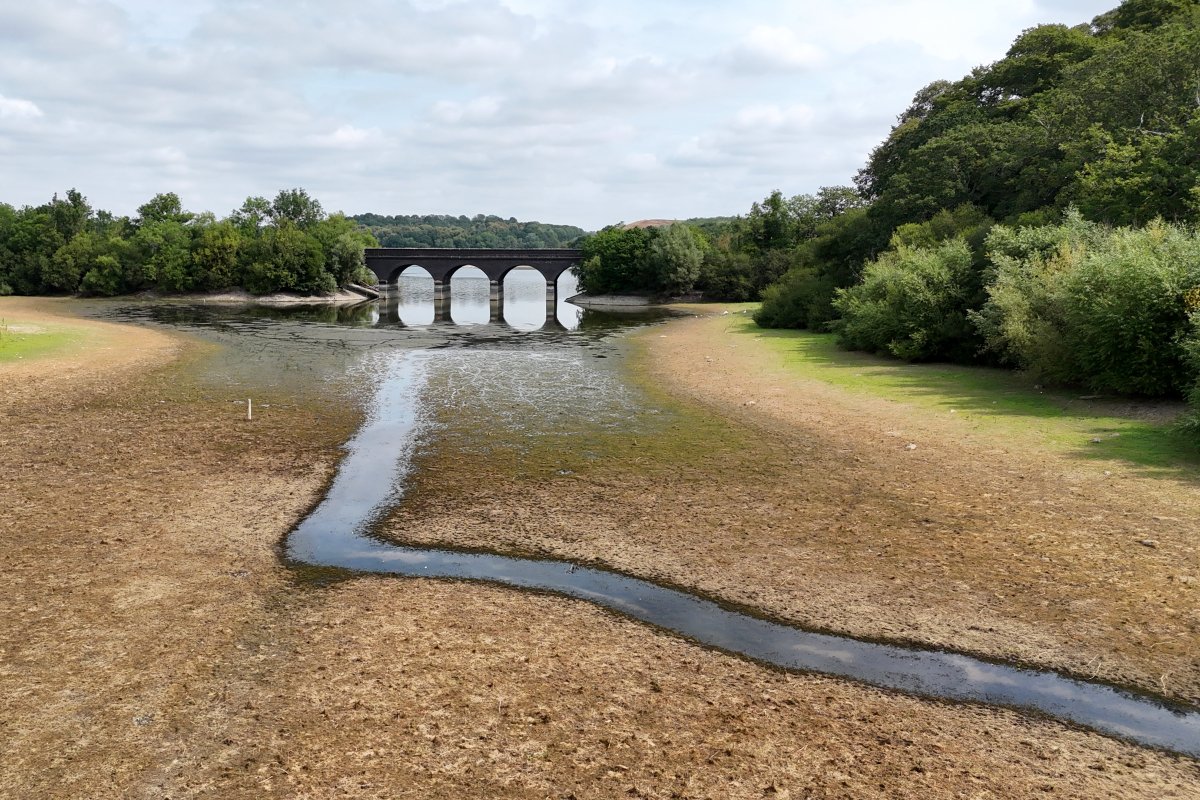
More than 20 million Britons are under a hosepipe ban as water companies clamp down on use. Thames Water joined the bans, affecting 10 million drinking-water customers from 23 July. These restrictions arrive at a time when many households are already adjusting summer routines, from gardeners abandoning outdoor planting to families rethinking paddling pools and car washing.
The measures highlight longstanding pressures on Britain's water infrastructure, where prolonged dry spells quickly translate into supply concerns for millions. With the economy reliant on everything from agriculture to tourism, the bans carry wider implications for food production and leisure industries that depend on reliable water access during peak summer months.
Connection to European Wildfires and Regional Impacts
The UK heatwave coincides with uncontrolled wildfires spreading across southern France and Spain. French President Emmanuel Macron called a crisis cabinet meeting on Monday, with more than 250,000 people forced from their homes in France and 116,000 evacuated in Spain. In the Gironde region of southwest France, flames have burned an area four times the size of Paris, edging closer to the wine region city of Bordeaux.
France has banned holiday camps for children and people with disabilities as it enters peak August tourist season, while water- and retardant-dropping aircraft have been deployed ahead of a forecast surge in temperatures from Tuesday. More than 300,000 people have been evacuated across France and Spain combined according to some reports. The fires come as much of Europe bakes in extreme summer heat, a pattern that resonates with British travellers and businesses with ties to the continent.
Warnings from the National Heat Risk Commission
Emma Howard Boyd, chair of the independent National Heat Risk Commission, stated: "This is something that we are going to see happening again and again." She said the heatwave should "absolutely" act as "a wake-up call" for Britain to upgrade its infrastructure to withstand higher temperatures alongside work to tackle carbon emissions. Experts have called for Britain to prepare for a Mediterranean climate after June's record-breaking temperatures.
These comments arrive amid growing recognition that repeated heat episodes are no longer exceptional events but recurring challenges for public health, transport networks and housing stock. The Commission's emphasis on infrastructure resilience points to the need for coordinated action across government departments and local authorities to protect vulnerable communities.
Long-Term Climate Adaptation for Britain
The sequence of heatwaves this summer raises urgent questions about how Britain adapts its built environment, emergency planning and water management to a changing climate. Upgrading schools, hospitals and transport systems to cope with sustained high temperatures will require sustained investment, while continued efforts to reduce carbon emissions remain essential to limit further warming.
Daily life in the UK is already shifting, with households and businesses weighing the costs of cooling measures against the reality of more frequent extreme weather. Policymakers face pressure to integrate heat resilience into planning decisions, from urban design that reduces overheating to agricultural practices that safeguard food supplies. The coming weeks will test whether current preparations prove sufficient or whether deeper structural changes are needed to protect communities across England, Wales, Scotland and Northern Ireland.
By Erica Thornton, Staff Writer
This article was produced with AI-assisted research and editorial support. Reporting is based on sources cited in the article.
What's Your Reaction?
 Like
0
Like
0
 Dislike
0
Dislike
0
 Love
0
Love
0
 Funny
0
Funny
0
 Wow
0
Wow
0
 Sad
0
Sad
0
 Angry
0
Angry
0

US Politics and Policy Correspondent at Global1.News. Based in Washington DC, covering American politics, policy, elections, and the courts. Knows how the system works and tells you what it actually means.













Comments (0)