
Mexico Navigates US Tariffs, Sinaloa Feud, and USMCA Talks
Mexico Navigates Post-World Cup Challenges After the excitement of the World Cup faded, families across Mexico returned to daily routines shaped by economic pressures and security concerns. In colonias from Mexico City to border towns, parents discuss rising costs at the tianguis while small business owners track news from the Palacio Nacional.
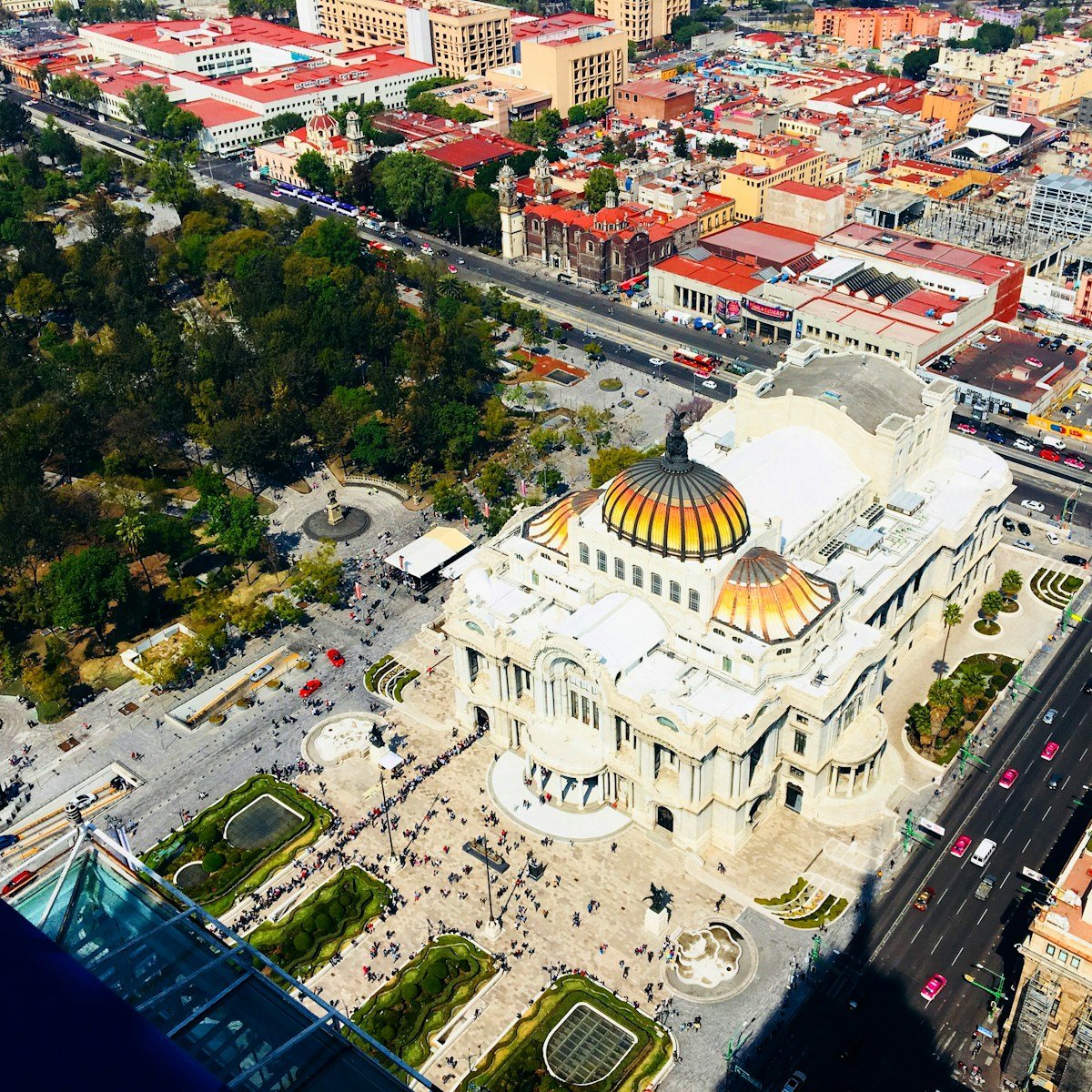
Mexico Navigates Post-World Cup Challenges
After the excitement of the World Cup faded, families across Mexico returned to daily routines shaped by economic pressures and security concerns. In colonias from Mexico City to border towns, parents discuss rising costs at the tianguis while small business owners track news from the Palacio Nacional.
The Sheinbaum administration continues to build on the AMLO legacy, focusing on programs that support campesinos and indigenous communities. Ordinary people in ejidos and pueblos mágicos feel the weight of national decisions that affect their access to jobs and safety.
Communities organized through local municipal authorities now watch how trade policies and internal conflicts will influence the coming months. Teachers and healthcare workers in rural areas note that stability remains essential for schools and clinics serving students and families.
Residents in maquiladora regions along the border see direct links between national security gains and household finances. These connections shape conversations at family gatherings and community meetings throughout the summer.
US Tariff Escalation and Industry Impact
President Trump's April 2, 2026 proclamation introduced tiered Section 232 tariffs on aluminum, steel, and copper products. The measures include a 50 percent tariff on items substantially made of these metals, assessed on full customs value, with 25 percent on derivative articles and 15 percent on metal-intensive industrial equipment through 2027.
US officials continue pressing Mexico to mirror these tariffs against Chinese steel and aluminum imports. Mexican exporters in industrial zones now prepare for higher costs that could reach suppliers serving the automotive and construction sectors.
Small business owners who rely on cross-border shipments report concerns about price increases passed to customers in colonias. Maquiladora workers worry that reduced orders might affect shifts and overtime pay that support family expenses.
State governments in manufacturing regions coordinate with federal agencies to assess how these tariffs will unfold. Farmers and ejido members who use metal equipment for irrigation also track potential cost changes in their supply chains.
Sinaloa Cartel Feud Escalating Violence
The internal conflict between Los Mayos and Los Chapitos factions has continued since September 9, 2024, following the transfer of Ismael El Mayo Zambada to US authorities. El Mayo accepted a life sentence in July 2026, and the resulting tensions have produced violent incidents reported in Sinaloa.
Local officials and business owners in affected areas have faced threats, with reports of bodies displayed publicly and videos released by cartel members. These events disrupt daily life for families who depend on local markets and transportation routes.
Residents in Sinaloa communities describe heightened caution when traveling or operating small enterprises. Teachers and students in regional schools adjust schedules around security advisories issued by state authorities.
The Guardia Nacional and state police maintain presence in key zones, yet ordinary people note that sustained calm remains necessary for economic recovery. Indigenous groups and rural families emphasize the need for protection of community spaces during this period.

Falling Inflation Brings Economic Relief
INEGI data showed inflation dropping to 3.37 percent in June 2026 from 3.94 percent in May. This decline follows earlier increases in the Banxico benchmark interest rate to 11.25 percent, providing some breathing room for household budgets.
Families in urban colonias report modest improvements at grocery stands and tianguis, where staple prices have stabilized somewhat. Small business owners note that lower inflation helps them plan inventory without immediate price hikes.
Healthcare workers and teachers observe that reduced cost pressures allow more families to cover basic needs such as medicine and school supplies. Rural communities connected through ejidos see similar effects on agricultural inputs.
CON EVAL metrics continue to track how these changes reach the most vulnerable populations. The Sheinbaum administration highlights these trends during mañanera sessions as part of broader efforts to support working households.
Declining Homicide Rates Signal Security Progress
Mexico recorded an approximate 30 percent drop in the homicide rate during 2025, with a further 40 percent decline in December compared to the final month of the previous administration. This marks the third consecutive year of reduction.
Communities in regions previously affected by high violence report greater confidence in daily movement. Families in border colonias and interior towns describe safer conditions for children attending school and adults commuting to work.
SSPC and SEDENA operations have contributed to these trends, though local municipal authorities stress that continued coordination remains essential. Indigenous communities and migrant worker groups note improved stability in their areas.
Small business owners in recovering zones say lower violence supports customer traffic at markets and workshops. These security gains connect directly to household decisions about investment and long-term planning.
USMCA Review Talks: High Stakes for Trade
The formal joint review of the USMCA began July 1, 2026, with the third round of bilateral talks held July 21 in Mexico City. President Sheinbaum and Canadian Prime Minister Mark Carney have coordinated positions ahead of further negotiations that could extend up to 18 months.
Trade valued at 1.8 trillion dollars annually across North America stands at the center of these discussions. Exporters in manufacturing and agricultural sectors watch how outcomes will affect access to US and Canadian markets.
Maquiladora workers and small suppliers understand that revised rules could influence job security and wage levels. Campesinos who sell produce across borders also track developments that may alter export procedures.
Officials from the SRE and Secretaría de Economía participate in the talks, while business associations in affected states organize briefings for members. Families throughout Mexico recognize that stable trade supports the broader economy.
Impact on Ordinary Mexican Communities
Across colonias, ejidos, and pueblos mágicos, residents connect these national developments to daily realities. Parents weigh how tariff costs and inflation trends will shape back-to-school purchases, while workers consider job stability amid cartel tensions.
Community leaders in indigenous areas emphasize the importance of inclusive policies that reach rural families and migrant households. Small business owners at local tianguis adapt operations based on security reports and trade forecasts.
Healthcare workers at IMSS and ISSSTE facilities observe how economic relief from lower inflation allows patients to maintain treatment schedules. Students and teachers in public schools benefit from calmer environments tied to declining homicide figures.
The Sheinbaum administration continues outreach through traditional channels, listening to concerns from ordinary Mexicans who form the backbone of the nation's economy and culture. These voices guide priorities as Mexico moves forward.
Tags: Mexico US tariffs, Sinaloa cartel, USMCA review, inflation decline, homicide rates, Sheinbaum, Mexican families, trade talks
By Rosa Martinez, Staff Writer
This article was produced with AI-assisted research and editorial support. Reporting is based on sources cited in the article.
What's Your Reaction?
 Like
0
Like
0
 Dislike
0
Dislike
0
 Love
0
Love
0
 Funny
0
Funny
0
 Wow
0
Wow
0
 Sad
0
Sad
0
 Angry
0
Angry
0
Latin America/Andes Correspondent at Global1.News. Based in Bogota, covering politics, environment, energy, and social movements across the Andean region. Passionate about environmental journalism and communities protecting their land.











Comments (0)