
Canadian NATO Intern Arrested in Belgium on Espionage Charges
A Canadian woman interning at NATO's military headquarters in Belgium has been arrested on charges of spying on behalf of an unidentified third country, Belgian federal prosecutors announced over the weekend. The case has raised serious questions about security protocols at the alliance's top military command and the potential implications for Canada's intelligence and diplomatic relationships.
A Canadian woman interning at NATO's military headquarters in Belgium has been arrested on charges of spying on behalf of an unidentified third country, Belgian federal prosecutors announced over the weekend. The case has raised serious questions about security protocols at the alliance's top military command and the potential implications for Canada's intelligence and diplomatic relationships.
Canadian NATO Intern Arrested in Belgium on Espionage Charges
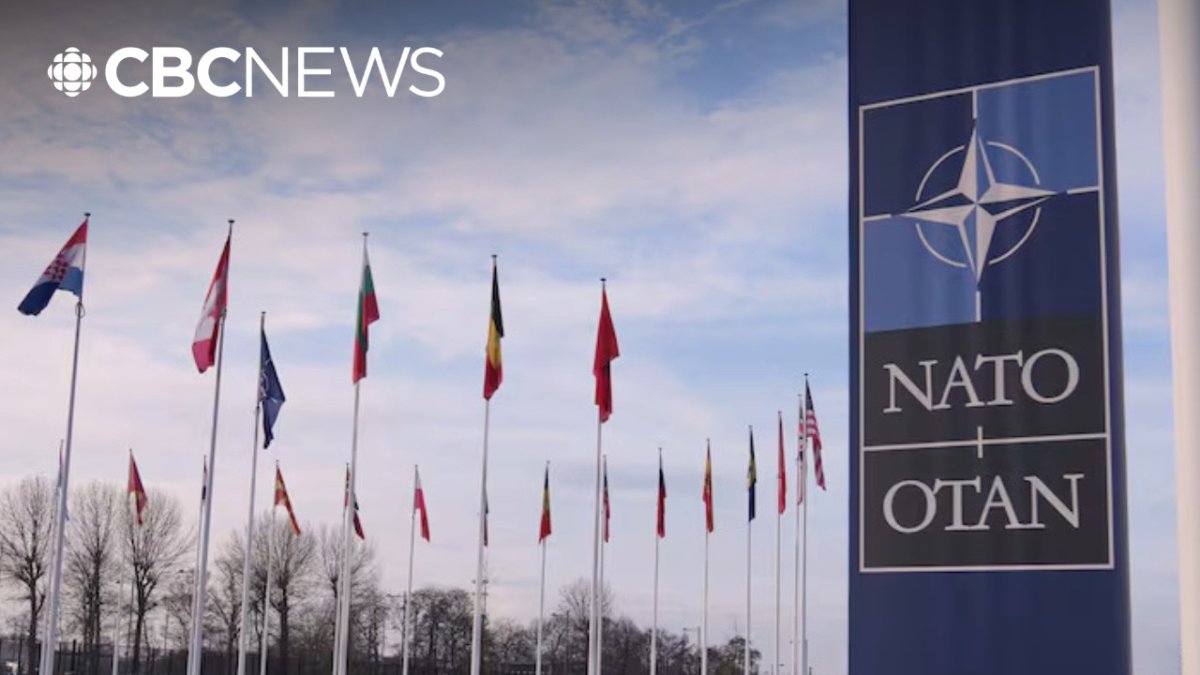
Mons, Belgium – July 27, 2026 —
Arrest and Formal Charges
The Belgian Federal Public Prosecutor's Office announced on Saturday July 25, 2026, that the suspect was arrested the previous day, Friday July 24, 2026, at her residence in Belgium. Further details indicate that the arrest followed weeks of discreet monitoring by local authorities after initial tips from allied intelligence partners.
Prosecutors stated she faces charges of spying on behalf of a third country and membership in a criminal organisation, though the identity of the third country remains undisclosed as the investigation continues. Canadian officials have been briefed through secure channels linking Ottawa to Brussels.
The woman, identified only as a Canadian national of Chinese origin, had been serving as an intern at NATO's Supreme Headquarters Allied Powers Europe in Mons, Belgium. Her background includes studies at a prominent Canadian university and prior work on Parliament Hill.
Additional court documents suggest the charges could expand if evidence of data exfiltration from classified systems is confirmed during forensic analysis.
Security Flagging at SHAPE
SHAPE security personnel first detected irregularities and reported the matter to Belgian intelligence officials before the arrest took place. These irregularities reportedly involved unusual access patterns to sensitive operational planning documents.
Investigators subsequently conducted searches at both the suspect's home and her workplace inside the SHAPE facility in Mons. Items seized included electronic devices that are now undergoing examination by joint Belgian and NATO technical teams.
SHAPE serves as NATO's top military headquarters and houses Allied Command Operations, which plans and executes all operations for the 32-member alliance. The facility maintains strict protocols for all personnel, including temporary interns from member states.
Canadian security clearance processes, administered through the Privy Council Office and CSIS, came under renewed scrutiny following the incident, as questions arose about how background checks for international postings are coordinated with host nations.
NATO Operational Statement
A SHAPE spokesperson confirmed on Saturday July 25, 2026, that there is no indication NATO or SHAPE operational readiness was affected by the arrest. Daily briefings to allied capitals continued without disruption.
The spokesperson added that SHAPE continues to fulfil its responsibilities without interruption following the incident. Internal reviews of access logs have been initiated to identify any potential gaps in digital safeguards.
The arrest occurred at a time when SHAPE coordinates military planning across Europe and North America from its base in Mons. This timing has prompted discussions among defence ministers about reinforcing counter-intelligence measures at multinational sites.
Analysts note that the episode underscores the challenges of maintaining seamless operations while tightening screening for short-term staff drawn from diverse national backgrounds.
Canadian Government Position
Public Safety Canada issued a statement on Saturday July 25, 2026, noting that the matter remains under investigation and that it is not in a position to comment on specifics. The department has since directed inquiries to the RCMP's national security unit.
The department emphasised that all Government of Canada law enforcement and intelligence agencies maintain strong relationships with partner agencies abroad. Coordination with Belgian authorities is facilitated through established liaison offices in both capitals.
Agencies including the Canadian Security Intelligence Service and the Royal Canadian Mounted Police routinely coordinate with Belgian authorities on security matters involving Canadian nationals. CSIS has increased its presence at allied facilities in recent years to address foreign interference threats.
Parliament Hill committees have already scheduled closed-door sessions to examine how Canadian interns are vetted before deployment to NATO sites, with particular attention to dual-nationality cases.
Diplomatic and Security Context
The suspect's Canadian citizenship combined with her Chinese origin has added diplomatic sensitivity to the case involving a NATO member state. Discussions in Ottawa have focused on balancing alliance obligations with domestic privacy considerations.
Canada maintains formal intelligence-sharing arrangements with Belgium through NATO structures and bilateral channels on Parliament Hill. These arrangements include regular exchanges on counter-espionage priorities.
The incident highlights ongoing federal concerns about foreign interference risks at Canadian missions and international postings, a topic regularly discussed in the House of Commons. Recent reports from the National Security and Intelligence Committee of Parliamentarians have flagged similar vulnerabilities.
Security screening at allied facilities now incorporates additional layers of review for applicants with ties to countries identified as posing elevated interference risks by CSIS assessments.
Implications for Canadian Interests
Canadian officials will monitor how the investigation affects Ottawa's standing within NATO's security framework centred in Brussels and Mons. Any perception of lax vetting could influence future resource allocations for Canadian defence contributions.
The case could influence future vetting procedures for Canadian interns and contractors assigned to allied military headquarters. Proposals include mandatory polygraph testing and enhanced financial disclosure requirements.
Public Safety Canada has reiterated its commitment to cooperation with European partners while the probe into the criminal organisation allegations proceeds. Joint working groups are expected to review clearance reciprocity agreements.
Broader implications include potential adjustments to Canada's defence policy priorities, particularly regarding the balance between openness in international staffing and protection of sensitive alliance information.
Canadian Security Clearance Processes Under Review
The arrest has prompted a comprehensive audit of how CSIS and the RCMP assess candidates for NATO internships, with emphasis on cross-referencing foreign travel records and family connections abroad. Officials in Ottawa are examining whether current timelines allow sufficient depth of investigation for short-term postings.
Named institutions such as the Communications Security Establishment have been asked to contribute technical expertise to future screening frameworks. This collaboration aims to detect digital footprints that might indicate divided loyalties before deployment.
Parliamentary committees are expected to recommend legislative updates to strengthen the legal basis for denying clearances to dual nationals when specific risk indicators are present.
Implications for Dual Nationals and Foreign Interference
Chinese-Canadian dual nationals face heightened scrutiny in security-related roles following this case, raising questions about equitable treatment within federal hiring practices. Advocacy groups have called for transparent guidelines to prevent undue bias while preserving national security.
Foreign interference remains a federal issue of growing concern, with CSIS reporting increased activity targeting Canadian institutions and diaspora communities. The current episode illustrates how such interference can extend to international postings.
Policy analysts suggest that clearer communication from the government on clearance criteria could mitigate community concerns while reinforcing public confidence in the integrity of Canada's contributions to NATO.
Broader Effects on Canada-NATO Relations
The incident tests the resilience of Canada-NATO relations at a moment when alliance members are expanding joint operations and intelligence sharing. Ottawa must demonstrate that its internal processes meet the rigorous standards expected by partners in Brussels and Mons.
Defence policy reviews underway in Canada now incorporate lessons from this event, potentially leading to increased funding for security personnel at overseas facilities. Such measures would signal renewed commitment to collective defence obligations.
Ultimately, the handling of this case will shape perceptions of Canadian reliability within the alliance, influencing both diplomatic leverage and future opportunities for Canadian personnel in senior NATO positions.
By Alex Thompson, Staff WriterThis article was produced with AI-assisted research and editorial support. Reporting is based on sources cited in the article.
What's Your Reaction?
 Like
0
Like
0
 Dislike
0
Dislike
0
 Love
0
Love
0
 Funny
0
Funny
0
 Wow
0
Wow
0
 Sad
0
Sad
0
 Angry
0
Angry
0

Canada Correspondent at Global1.News. Based in Toronto, covering Canadian politics, energy, trade, and US-Canada relations. Provides the Canadian perspective on North American and global affairs.















Comments (0)