
P870M Land Loans Bring Stability to 8,100 Families
P870.6 million in land loans under the Enhanced Community Mortgage Program has secured titles for over 8,100 Filipino families, improving health, education, and economic prospects while addressing the nation's 6.8 million housing backlog through community partnerships and local government collaboration.
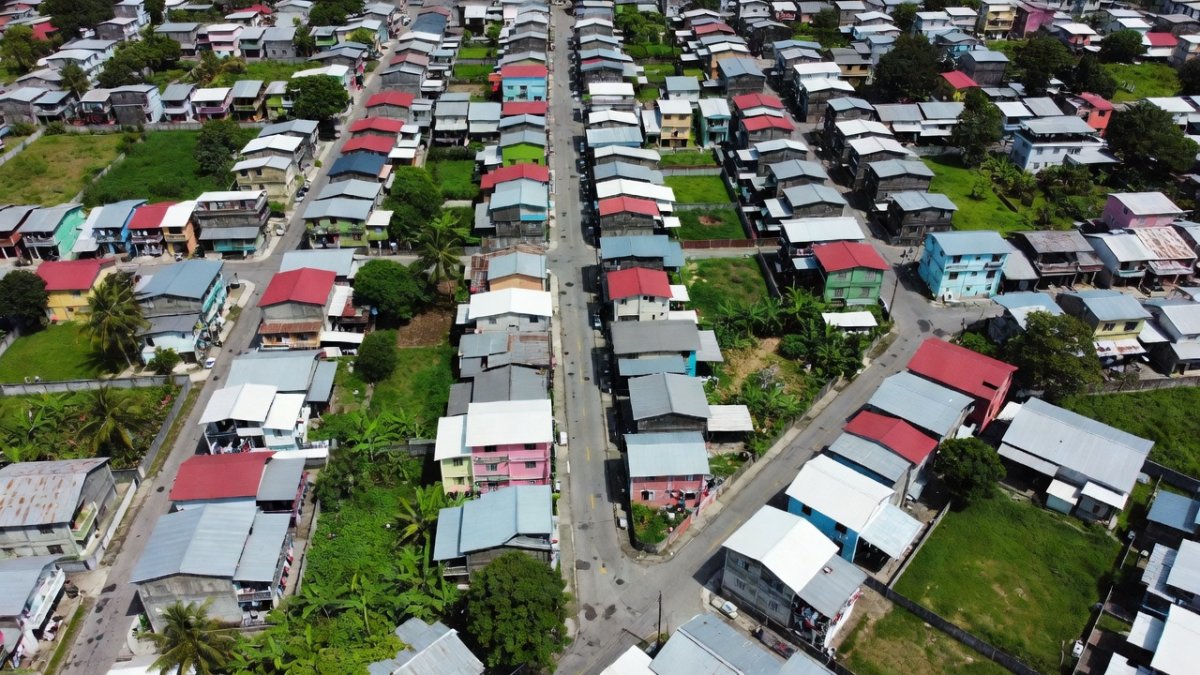
For thousands of Filipino families long burdened by the fear of eviction, a new chapter of stability is unfolding. The government's Enhanced Community Mortgage Program has unlocked P870.6 million in land loans, giving over 8,100 households the chance to finally own the ground beneath their feet and build lasting futures together.
P870M Land Loans Bring Stability to 8,100 Families
Manila, Philippines — article continues...
Land Security Reaches Over 8,100 Families Nationwide
The Department of Human Settlements and Urban Development has approved P870.6 million in land acquisition loans under the first year of its Enhanced Community Mortgage Program. This funding directly supports more than 8,100 low-income and informal settler families spread across multiple regions.
These loans allow community associations to purchase the land where they have long lived, turning uncertain living situations into stable foundations for the future. Families who once faced constant threats of eviction can now plan for permanent homes without fear.
Real Families Benefit from Steady Housing Progress
The P870.6 million in land acquisition loans under the Enhanced Community Mortgage Program has already enabled more than 8,100 informal settler families to secure formal land titles, directly translating into measurable improvements in health outcomes. With secure tenure, communities gain reliable access to clean water connections and proper sanitation facilities that were previously unavailable in informal settlements, reducing incidents of waterborne diseases and respiratory illnesses linked to poor living conditions. Educational stability for children also rises as families no longer face the threat of eviction, allowing consistent school attendance and better academic performance over time.
Economic opportunities expand significantly once families hold collateral in the form of titled property, enabling small business loans for sari-sari stores, tricycle operations, or home-based enterprises that stimulate local economies. This shift from precarious occupancy to asset ownership fosters entrepreneurship and intergenerational wealth building, particularly in urban poor areas where traditional banking access remains limited. The concept of pambansang pabahay integrates these individual gains into a national framework that supports broader economic development by reducing urban blight and increasing productive land use across regions.
By prioritizing organized community associations in the first year of implementation, the program demonstrates how targeted land financing can break cycles of poverty while contributing to inclusive growth targets set by the national government.
Every Loan Strengthens Entire Communities
Securing land tenure changes daily life for informal settlers. Parents gain peace of mind knowing their children can grow up in one place, attend the same schools, and build lasting friendships with neighbors. Low-income workers no longer spend earnings on temporary rentals that offer no ownership path.
The program focuses on community associations rather than individual applications, fostering collective responsibility and shared progress. Barangay captains and local leaders play key roles in organizing residents to meet program requirements and move forward together.
Addressing the Scale of Informal Settlement Across the Country
The Philippines housing backlog has expanded dramatically over the past decade, rising from an estimated 3.7 million units in 2016 to a projected need exceeding 6.8 million by 2026, driven by population growth and persistent underinvestment in affordable housing. This backlog reflects decades of policy gaps that left millions of families in informal settlements without secure tenure, exacerbating vulnerability to disasters and limiting access to basic services in major urban centers.
Rapid urbanization in Metro Manila, Cebu, and Davao has outpaced housing supply, with migrants from rural provinces seeking employment opportunities that concentrate demand in already overcrowded areas. Informal settlements have proliferated along waterways and hazard-prone zones as a result, underscoring the urgency of programs like the Enhanced Community Mortgage Program to address these spatial mismatches through organized land acquisition.
The National Informal Settlements Upgrading Strategy builds on earlier efforts such as the original Community Mortgage Program under the National Housing Authority framework, which laid groundwork for community-driven approaches but faced scaling limitations. These historical initiatives highlight the evolution toward more robust financing mechanisms that now target larger loan portfolios to meet the scale of need in high-migration cities.
Partnerships with LGUs and the National Housing Authority Drive Results
DHSUD works closely with local government units and the National Housing Authority to implement the Enhanced Community Mortgage Program on the ground. These partnerships ensure that site development follows land acquisition, creating livable neighborhoods rather than isolated plots.
Coordination between national agencies and LGUs helps match funding with actual community needs in provinces and cities alike. This approach respects local knowledge while delivering resources from the central government to where they matter most.
Building on Early Success for Wider Reach
Annual appropriations for housing have historically remained below 1 percent of the national budget, constraining the reach of programs like the Enhanced Community Mortgage Program despite evident demand from over 8,100 families already served in its inaugural year. This underfunding has slowed the pace of land tenure regularization and limited the ability to expand coverage to additional regions facing acute informal settlement pressures.
Proposed legislation to establish a full Department of Housing and Urban Development seeks to address these structural shortfalls by elevating housing policy coordination and increasing dedicated funding streams for community mortgage initiatives. Such reforms could streamline inter-agency efforts and attract supplementary financing to sustain the P870.6 million momentum into subsequent years.
Civil society organizations including TAO-Pilipinas and Habitat for Humanity Philippines play vital complementary roles by providing technical assistance, community organizing support, and advocacy for land tenure solutions that align with government programs. Their involvement strengthens implementation capacity and ensures that beneficiary families receive holistic support beyond loan disbursement, fostering sustainable outcomes in informal settlement upgrading nationwide.
By Bella Reyes, Staff WriterThis article was produced with AI-assisted research and editorial support. Reporting is based on sources cited in the article.
What's Your Reaction?
 Like
0
Like
0
 Dislike
0
Dislike
0
 Love
0
Love
0
 Funny
0
Funny
0
 Wow
0
Wow
0
 Sad
0
Sad
0
 Angry
0
Angry
0

Philippines/Southeast Asia Correspondent at Global1.News. Manila-based journalist covering Philippine politics, environment, maritime security, and social issues. Passionate about marine conservation and the communities protecting the Philippines' natural heritage.











Comments (0)