
Fine Arts Department Opens Permanent Exhibition at Nakhon Si Thammarat World Heritage Site
The Fine Arts Department opened a permanent exhibition on Wat Phra Mahathat Woramahawihan in Nakhon Si Thammarat this week. The move follows the temple's recognition as Thailand's sixth cultural World Heritage site. Director-general Phanombut Chandrachoti stated that the listing places the province in the global spotlight and is expected to draw more Thai and foreign visitors.
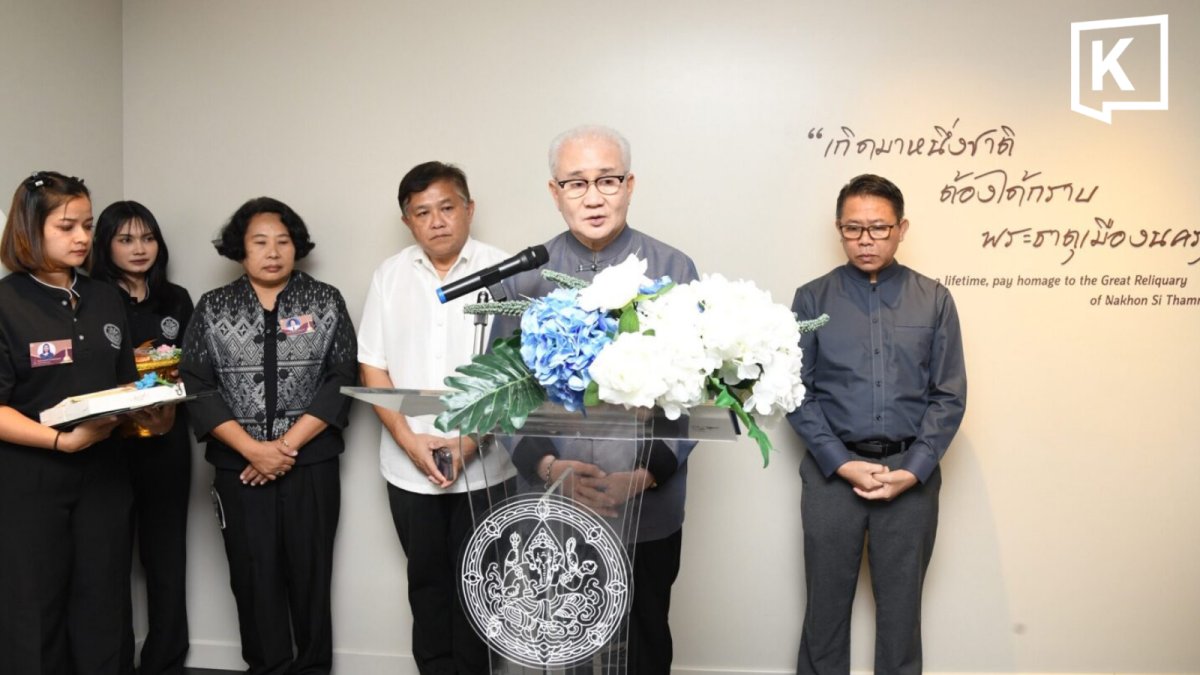
The Fine Arts Department opened a permanent exhibition on Wat Phra Mahathat Woramahawihan in Nakhon Si Thammarat this week. The move follows the temple's recognition as Thailand's sixth cultural World Heritage site. Director-general Phanombut Chandrachoti stated that the listing places the province in the global spotlight and is expected to draw more Thai and foreign visitors. Local authorities will work with the department to manage growth while meeting UNESCO standards.
Announcement Details and Official Statements
Phanombut Chandrachoti spoke at the exhibition opening on 26 July 2026. He noted that this marks the third consecutive year Thailand has gained World Heritage recognition. The department plans to coordinate with Nakhon Si Thammarat officials on restoration work and visitor management. New construction such as shops must follow guidelines that protect the site's cultural value. Phanombut expressed hope for further recognition in 2027.
Historical Background of Wat Phra Mahathat
Wat Phra Mahathat Woramahawihan dates from the Srivijaya period between the 8th and 13th centuries. Its 77-meter chedi holds Buddha relics and serves as a pilgrimage site for Buddhists across Southeast Asia. The temple remains an active center for religious practice and community events in Nakhon Si Thammarat. The permanent exhibition now provides visitors with documented information on its construction and ongoing role in Thai Buddhism.
Thailand now counts six cultural World Heritage sites, including the historic cities of Sukhothai and Ayutthaya, the Ban Chiang archaeological site, Si Thep, Phu Phra Bat, and the newly recognized Wat Phra Mahathat Woramahawihan. This achievement elevates Nakhon Si Thammarat province to a prominent position among Thailand's culturally significant destinations. The temple's origins trace back to the Srivijaya maritime trade network, which played a key role in disseminating Theravada Buddhism throughout Southeast Asia during ancient times.
Economic Effects on Local Communities
The World Heritage listing is projected to increase tourism revenue in Nakhon Si Thammarat province. Similar sites have seen rises in hotel bookings, restaurant sales, and local craft markets after UNESCO recognition. Residents involved in guiding, food preparation, and souvenir production stand to gain steady work. Provincial officials have begun discussions on training programs to prepare workers for higher visitor numbers while keeping daily life stable for long-term residents.
Nakhon Si Thammarat province promotes homestay programs that allow visitors to reside with local families near Wat Phra Mahathat. Participants can learn traditional shadow puppet making known as nang talung and enjoy authentic southern Thai cuisine prepared with regional ingredients. These immersive activities provide travelers with meaningful connections to the community's daily life and cultural practices. At the same time, they generate additional income for rural households and support sustainable economic development in the area surrounding the temple.
Conservation Measures and UNESCO Requirements
The Fine Arts Department will apply strict rules to any new buildings near the temple grounds. Restoration projects must use materials and methods approved by UNESCO experts. Regular monitoring will check that visitor traffic does not cause damage to structures or surrounding areas. These steps aim to maintain the temple's condition for future generations of Thai Buddhists and international researchers.
The Fine Arts Department oversees a designated buffer zone surrounding Wat Phra Mahathat to regulate any development activities. This measure helps preserve the site's integrity under UNESCO guidelines. Regular structural assessments are conducted to monitor potential damage caused by high humidity levels and increased visitor traffic. Additionally, strict guidelines dictate the use of restoration materials. These must align with traditional methods that replicate the original construction techniques employed in the temple's building.
Chiang Mai's Preparation for Future Listing
Chiang Mai has remained on UNESCO's Tentative List since 2015. The old city contains over 300 temples that reflect 700 years of Lanna heritage. Provincial and national agencies are collecting data on temple preservation and urban planning to support a formal submission. If accepted, the site could receive consideration in 2027. Officials view this step as part of a longer effort to document northern Thai history and architecture.
In addition to Chiang Mai, other locations hold potential for future UNESCO recognition. Phu Phra Bat Historical Park in Udon Thani province remains on the tentative list and features unique rock formations adorned with prehistoric art and ancient carvings. Furthermore, Wat Phra Singh in Chiang Mai and Wat Benchamabophit in Bangkok possess substantial cultural and architectural importance. These sites could form the basis for additional formal applications to the World Heritage list in the coming years.
Comparison with Ayutthaya's Tourism Growth
Ayutthaya experienced a clear increase in annual visitors after its own UNESCO listing. Hotel capacity expanded and new transport links were added to handle demand. Nakhon Si Thammarat authorities are reviewing those changes to avoid overcrowding at Wat Phra Mahathat. They plan controlled entry times and improved signage so that religious activities continue without interruption from tourist groups.
Each April during the Songkran festival, Wat Phra Mahathat attracts thousands of visitors who join water-pouring ceremonies at the historic chedi to mark the Thai New Year. Loy Krathong celebrations similarly draw large crowds to float krathong baskets on nearby waterways under the full moon. These traditional events create opportunities for sustainable tourism that align with Buddhist customs and allow participants to engage respectfully with local religious practices while boosting the regional economy.
ASEAN Regional Standing and Future Sites
Thailand possesses six cultural World Heritage sites, which represents the highest number among countries in mainland Southeast Asia. This achievement enhances the country's position in regional heritage preservation efforts. It also facilitates the creation of joint tourism packages involving Cambodia, Laos, and Myanmar. Furthermore, the ASEAN Cultural Heritage list works alongside UNESCO designations. It promotes consistent preservation standards that are shared among all member states in the association.
Thailand's growing list of World Heritage properties strengthens its position within ASEAN cultural networks. Other countries in the region maintain their own temple and historic city listings. Joint promotion of these sites can support cross-border tourism routes. Several additional Thai locations remain on the Tentative List and may receive consideration in coming years if current conservation standards are maintained.
By Ann Srisawat, Staff WriterThis article was produced with AI-assisted research and editorial support. Reporting is based on sources cited in the article.
What's Your Reaction?
 Like
0
Like
0
 Dislike
0
Dislike
0
 Love
0
Love
0
 Funny
0
Funny
0
 Wow
0
Wow
0
 Sad
0
Sad
0
 Angry
0
Angry
0

Southeast Asia Correspondent at Global1.News. Based in Bangkok, covering Thai and Southeast Asian politics, economy, technology, and culture. Deep regional perspective on one of the world's most dynamic regions.














Comments (0)