
Rimon Buchshtav-Kirsh Shares Hamas Hostage Story on i24NEWS
In a poignant i24NEWS English interview released on July 26, 2026, former Hamas hostage Rimon Buchshtav-Kirsh breaks her silence in English for the first time, recounting her harrowing 53 days in captivity following the October 7, 2023 attack. Her testimony, marked by defiance at the moment of release, shines a spotlight on Israel's ongoing hostage crisis as dozens remain in Gaza. This account comes at a critical juncture, amplifying calls for resolution amid stalled negotiations.
In a poignant i24NEWS English interview released on July 26, 2026, former Hamas hostage Rimon Buchshtav-Kirsh breaks her silence in English for the first time, recounting her harrowing 53 days in captivity following the October 7, 2023 attack. Her testimony, marked by defiance at the moment of release, shines a spotlight on Israel's ongoing hostage crisis as dozens remain in Gaza. This account comes at a critical juncture, amplifying calls for resolution amid stalled negotiations.
Rimon Buchshtav-Kirsh Defies Hamas in First English Interview
Jerusalem, Israel — Rimon Buchshtav-Kirsh, 36, of Kibbutz Nirim, described in her i24NEWS English interview how Hamas terrorists abducted her and her husband Yagev Buchshtav from their home on October 7, 2023. The couple, married two years earlier, was dragged and wounded during the assault on the Gaza border kibbutz. Her account underscores the personal toll of the Hamas-led invasion that targeted multiple communities in southern Israel.
October 7 Abduction from Kibbutz Nirim
Rimon Buchshtav-Kirsh and Yagev were seized from their residence in Kibbutz Nirim during the Hamas attack that breached the Gaza border fence. The IDF later documented how militants overran the kibbutz, killing residents and taking others hostage. The couple's abduction occurred amid coordinated assaults on nearby sites including Kfar Aza and Be'eri.
The attack left Kibbutz Nirim devastated, with survivors evacuated to hotels and temporary housing across central Israel. Rimon recounted the immediate violence in her interview, noting how the pair was forced into Gaza under fire. This event formed part of the broader October 7 assault that killed over 1,200 people and initiated the current war.
Rimon Buchshtav-Kirsh, then 33, and her husband Yagev, a 35-year-old software engineer at a Tel Aviv startup, had settled in Kibbutz Nirim just 18 months after their 2021 wedding, drawn by the community's tight-knit agricultural ethos and proximity to the border fence. On October 7, 2023, at 6:45 a.m., Hamas militants breached the perimeter using explosives and tractors, overrunning the kibbutz's security gate within minutes. Armed with RPGs and assault rifles, the attackers killed 11 residents and abducted five others, including the couple, who were dragged from their home after Yagev sustained a gunshot wound to the leg while shielding Rimon.
The assault formed part of a synchronized wave that also struck Kfar Aza and Be'eri, where militants used body cameras to document atrocities later recovered by IDF investigators. Rimon later described being forced into a pickup truck under mortar fire as Israeli security teams arrived too late to intervene. The couple's abduction highlighted vulnerabilities in the Gaza envelope's civilian defenses, prompting post-attack inquiries into intelligence failures by the Shin Bet and IDF Southern Command.
Survivors from Nirim were evacuated to Eilat hotels within days, where trauma counseling revealed patterns of prolonged exposure to rocket barrages that had preceded the ground incursion. Rimon's account underscores how the kibbutz's 400 residents, many third-generation members, faced an existential rupture that scattered families across central Israel and fueled demands for fortified border infrastructure. These events connect directly to the tunnel ordeals that followed, illustrating how initial border breaches enabled prolonged captivity.
Life in Captivity in Gaza Tunnels
During their time in Hamas custody, Rimon and Yagev were confined together in tunnel cages, a detail her father-in-law Oren later confirmed eased their ordeal. Hamas terrorists provided only cat food as sustenance, an act intended to humiliate the Israeli captives. Rimon described the conditions in her i24NEWS interview as designed to degrade their dignity.
Without medical access, Rimon extracted one of her own teeth using pliers and no anesthesia while held underground. The pair remained in these cages for weeks as Hamas maintained control over the tunnel network beneath Gaza City and Rafah. Such treatment reflects patterns documented by the IDF in recovered hostage testimonies from the same period.
Confined in a 2-by-3-meter cage beneath Gaza City, Rimon and Yagev endured 53 days of psychological warfare designed to erode their will. Hamas guards restricted movement to twice-daily escorted bathroom breaks, while constant overhead vibrations from Israeli airstrikes amplified fears of collapse. The couple received only canned cat food mixed with water, a deliberate humiliation tactic documented in multiple hostage debriefings that aimed to strip away basic human dignity and reinforce captor dominance.
Without access to medical supplies, Rimon extracted her own infected molar using pliers on day 22, an act of self-preservation that left her with chronic jaw pain and infection risks in the damp, unventilated tunnels. Psychological torment included mock executions and threats to separate the pair, tactics that mirrored methods reported by other released captives and later analyzed by IDF psychologists as part of Hamas's systematic dehumanization strategy.
The tunnel network, spanning Rafah to northern Gaza, featured reinforced concrete chambers stocked with supplies for prolonged holding, according to recovered Hamas documents. Rimon's father-in-law Oren noted that their shared confinement provided rare mutual support amid isolation, yet the absence of sunlight and fresh air led to vitamin deficiencies and disorientation that persisted after release, reflecting broader patterns of long-term health impacts on October 7 hostages. This shared endurance later informed Rimon's unyielding stance at release.
Release and Defiant Stand Against Captors
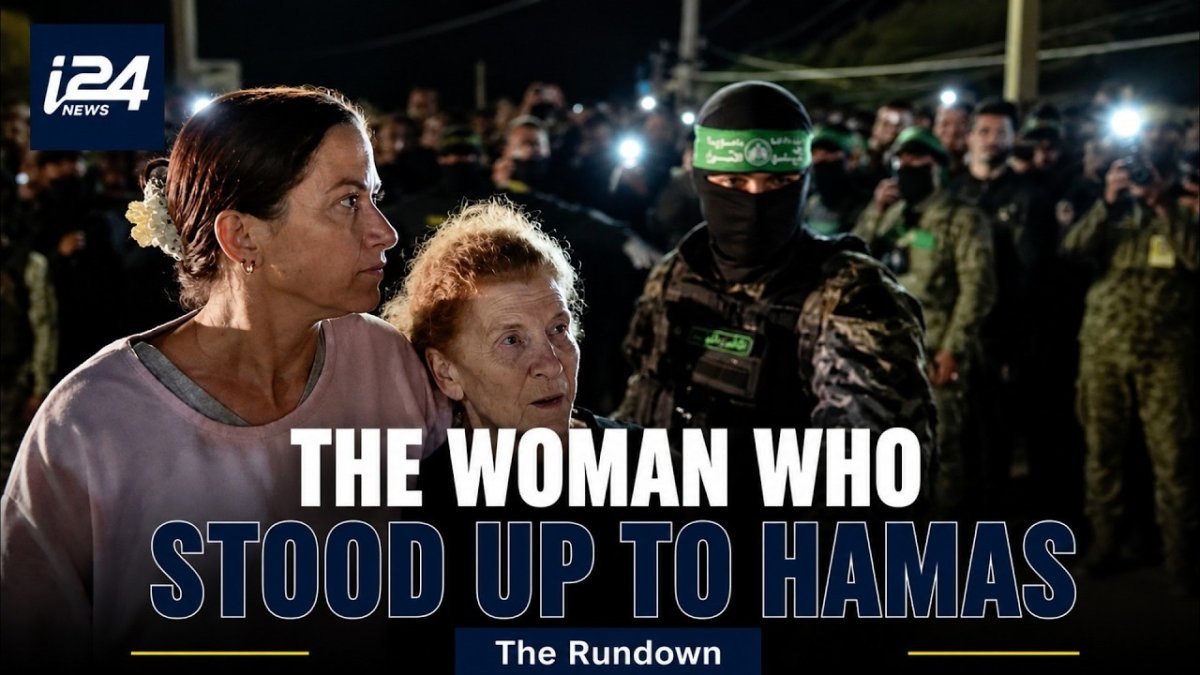
On November 28, 2023, during the temporary ceasefire, Hamas informed Rimon she would be released while Yagev stayed behind. She refused, stating to her captors: "Either we go together or I stay here and neither of us will be released." The terrorists countered by threatening to drag her out, forcing her compliance.
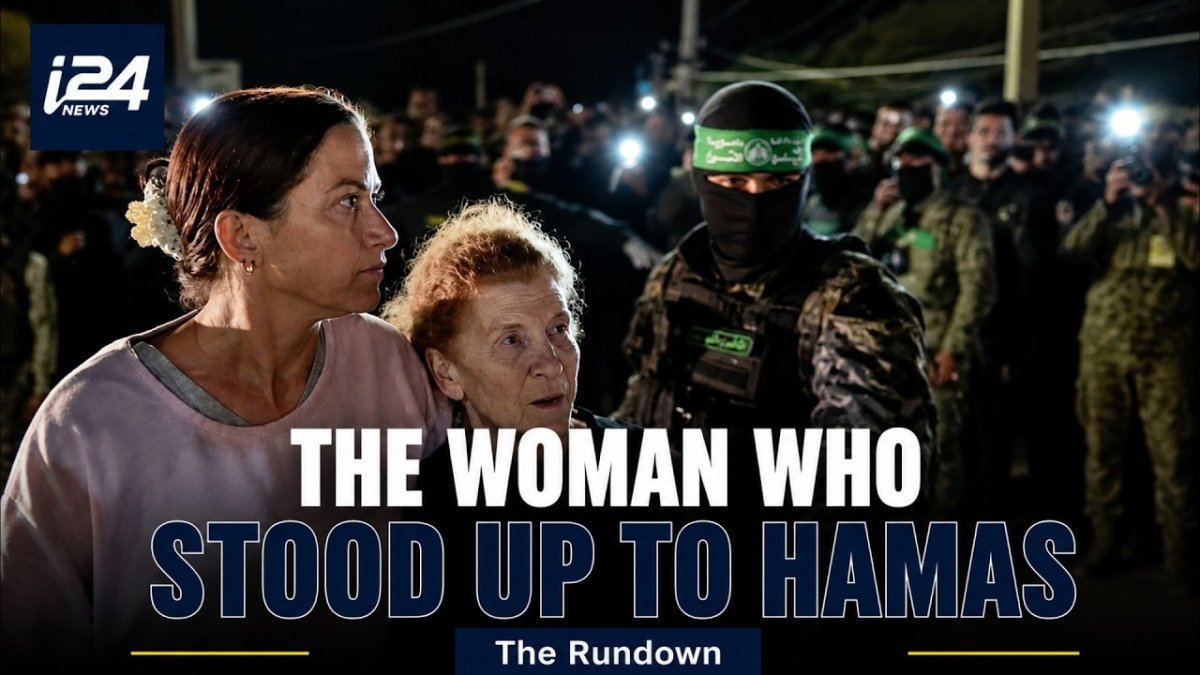
At the handover point, Rimon rejected Hamas demands to participate in a propaganda video. She avoided waving or smiling, instead delivering a direct stare at a captor before placing her arm around another released hostage and walking away with her head raised. The moment, captured on video, spread widely and earned her recognition as a symbol of resistance.
On November 28, 2023, during the temporary ceasefire, Hamas guards informed Rimon she would be freed while Yagev remained, prompting her immediate refusal with the declaration that they would leave together or not at all. Captors threatened physical removal, yet she maintained her stance until forced into the handover vehicle, demonstrating resolve that contrasted sharply with Hamas's propaganda expectations. At the release point near the border, Rimon rejected demands to wave or smile for cameras, instead fixing a direct stare at a masked guard before turning away.
Her arm-around-another-hostage gesture and raised head as she walked to Israeli forces created a viral image that circulated widely on Israeli social media and international outlets, symbolizing resistance against captor narratives. The moment resonated in Israel as emblematic of national defiance, inspiring artwork and social media campaigns that amplified calls for hostage releases while highlighting Hamas's failed attempts to control the visual narrative.
Global reactions included endorsements from Jewish organizations abroad and coverage in outlets like the BBC, framing her actions as a counterpoint to Hamas's October 7 atrocities. In Israel, the footage bolstered public support for families advocating military pressure, with Rimon's testimony later cited in Knesset debates as evidence of captives' agency even under duress, sustaining momentum for negotiations amid stalled talks. Her defiance bridges personal trauma to collective resilience, echoing in ongoing protests.
Aftermath and Confirmation of Yagev's Death
Yagev Buchshtav remained in Gaza after Rimon's release. The IDF formally confirmed on July 22, 2024, that he had been killed in captivity. Israeli forces recovered his body from Gaza in August 2024 and returned it for burial in Israel.
Rimon returned to a nation still processing the October 7 losses, with her father-in-law Oren noting the couple's shared captivity had provided mutual support. The confirmation of Yagev's death added to the list of hostages whose fates were clarified through IDF operations and intelligence from the Shin Bet.
Current Hostage Situation and Family Protests
As of mid-2026, approximately 48 hostages, living or deceased, remain in Hamas custody in Gaza. Weekly protests by hostage families continue outside the Prime Minister's Office in Jerusalem and along major routes, pressing the government and the IDF for a comprehensive deal. These demonstrations highlight divisions within Israeli society over negotiation priorities.
The Foreign Ministry has coordinated with international mediators including Qatar and Egypt to advance releases, yet progress remains stalled. Rimon's testimony in the i24NEWS report arrives amid renewed calls from Knesset members for renewed military pressure on Hamas leadership in Gaza.
Broader Implications for Israeli Society
Rimon's experience illustrates the lasting national trauma from October 7, affecting communities from the Gaza envelope to urban centers like Tel Aviv and Jerusalem. The hostage crisis continues to shape public discourse, influencing debates in the Knesset over military strategy and diplomatic engagement with the Palestinian Authority.
Her defiance at the release point has resonated beyond individual stories, reinforcing narratives of resilience promoted by the IDF and civil society groups. As families maintain pressure through protests, the unresolved cases underscore ongoing security challenges along the Gaza border and the need for sustained vigilance by Israeli institutions.
Looking ahead, Rimon's account may influence public support for policies aimed at securing the remaining captives, while the weekly demonstrations signal that the October 7 events will remain central to Israeli political life for years to come.
As of mid-2026, roughly 48 hostages remain in Hamas custody, a mix of living captives and bodies withheld for leverage, sustaining weekly protests outside the Prime Minister's Office and along Highway 1 that draw thousands and feature direct confrontations with security forces. These demonstrations expose deep societal rifts over negotiation versus military strategies, with families accusing the government of prioritizing political survival over comprehensive deals mediated by Qatar and Egypt.
In the context of Israel's 2026 elections, the hostage crisis has become a pivotal issue, influencing coalition dynamics and opposition platforms that criticize Prime Minister Netanyahu's handling of Gaza operations. Knesset members from across the spectrum have pushed for renewed IDF incursions targeting Hamas leadership, while public opinion polls show declining support for prolonged stalemates that leave families in limbo.
Rimon's i24NEWS interview arrives as civil society groups intensify advocacy, linking the unresolved cases to broader security challenges along the Gaza border and debates over Palestinian Authority engagement. Her story reinforces narratives of resilience that bolster IDF recruitment and national cohesion, yet the persistent protests signal that October 7 trauma will dominate Israeli political discourse, shaping policy priorities for years amid stalled international mediation efforts. This testimony underscores the humanitarian imperative for accountability, reminding the world that each unresolved case perpetuates collective wounds while demanding renewed diplomatic and military resolve to bring all captives home.
By Hannah Berg, Staff WriterThis article was produced with AI-assisted research and editorial support. Reporting is based on sources cited in the article.
What's Your Reaction?
 Like
0
Like
0
 Dislike
0
Dislike
0
 Love
0
Love
0
 Funny
0
Funny
0
 Wow
0
Wow
0
 Sad
0
Sad
0
 Angry
0
Angry
0
Israel Correspondent at Global1.News. Based in Tel Aviv, covering Israeli politics, security, technology, and society. Provides balanced, deeply-sourced reporting on one of the most closely-watched regions in the world.












Comments (0)