
Six Ancient Medinas in Comoros Join UNESCO's World Heritage List
Six ancient medinas in the Comoros, some dating back to the 12th century, have been added to the UNESCO World Heritage List — marking the first cultural World Heritage property for the Indian Ocean archipelago and raising hopes for their preservation and cultural tourism development.
UNESCO has added six ancient medinas in the Comoros — some dating back to the 12th century — to its World Heritage List, marking a historic milestone for the Indian Ocean archipelago that raises hopes for their preservation and the development of cultural tourism across the islands.
Six Ancient Medinas in Comoros Join UNESCO's World Heritage List
Moroni, Comoros — In a landmark decision announced at the 48th session of the UNESCO World Heritage Committee on July 25, 2026, six historic medinas of the Comoros archipelago were inscribed as "The Medinas of the Historic Sultanates of the Comoros" — the first cultural World Heritage property for the island nation. The ancient cities of palaces, mosques, public squares, and narrow streets are seen as exceptional examples of the characteristic monumental style of the archipelago's sultanate era, blending Eastern African, Arab-Muslim, Malagasy, and European influences shaped by centuries of maritime trade.
A Historic First for the Comoros Islands
The inscription marks the first UNESCO World Heritage cultural property for Comoros, announced during the 48th session of the UNESCO World Heritage Committee on July 25, 2026, and places the archipelago among more than 1,200 properties worldwide considered worth protection. Comoros, situated about 300 km off the coast of Africa, has long served as a crossroads of maritime trade between East Africa, the Middle East, and Madagascar, where Swahili communities built enduring stone towns that echo the heritage of coastal East Africa from Lamu to Zanzibar.
Advocacy at UNESCO events in preceding years helped move the medinas from the tentative list to full recognition, strengthening ties between Comorian islanders and broader African efforts to safeguard shared Indian Ocean legacies. In December 2025, Comoros achieved its first UNESCO recognition with the inscription of "Zifafa," the traditional wedding procession cortège, on the Representative List of Intangible Cultural Heritage through a multi-national file that highlighted communal rituals still practiced across the islands.
This cultural listing builds on that momentum and celebrates the dense stone architecture, palaces, mosques, public squares, and narrow streets that define the medinas as living expressions of African resilience and exchange. Families in these quarters continue to host gatherings that blend Eastern African rhythms with Arab-Muslim prayers and Malagasy storytelling, keeping ancestral knowledge alive in ways familiar to communities from Dakar to Dar es Salaam.
The decision underscores how smaller African island nations can secure global attention for their heritage when local voices lead the nomination process. Elders in Moroni recall stories of dhows arriving from Yemen and Madagascar, carrying goods and customs that shaped the sultanate towns now protected under the new title "The Medinas of the Historic Sultanates of the Comoros."
Young Comorians see the listing as validation of their roots, encouraging them to document oral histories that connect the islands' past to the wider Swahili Coast civilization stretching along Africa's eastern shoreline.
'Not a Finish Line but a Starting Point'
Culture Minister Said Mohamed Ali Said stated that the UNESCO listing "is not a finish line but a starting point," emphasizing that the recognition brings both duties and opportunities for the Comorian people. He described the medinas as "not just historical sites... they are living towns, where people still pray, trade, and celebrate life's great moments exactly as our ancestors did," underscoring the daily rhythms that keep these quarters vibrant.
The minister warned that "this heritage is fragile and, in places, in real danger," pointing to crumbling walls and eroding foundations that require immediate attention from local craftsmen trained in traditional stonework. He added that "the listing changes things. It places obligations on us, but it also opens doors for us," referring to new avenues for funding conservation projects that involve community elders and youth apprentices.
These obligations include regular reporting to UNESCO on preservation efforts, ensuring that any restoration respects the original dense stone architecture and narrow street layouts passed down through generations. The hope is that the designation will support conservation, restoration, and sustainable development while allowing residents to maintain their homes and markets without displacement.
Local associations are already planning workshops where grandmothers teach weaving techniques used in the medinas for centuries, linking the effort to similar heritage initiatives across East Africa. The minister's words resonate with African leaders who view UNESCO status as a tool for reclaiming narratives long overshadowed by colonial histories.
By framing the listing as a beginning, officials signal their commitment to long-term stewardship that honors the sultanate era's legacy of trade and cultural fusion still evident in Comorian festivals today.
Six Medinas Across Two Islands
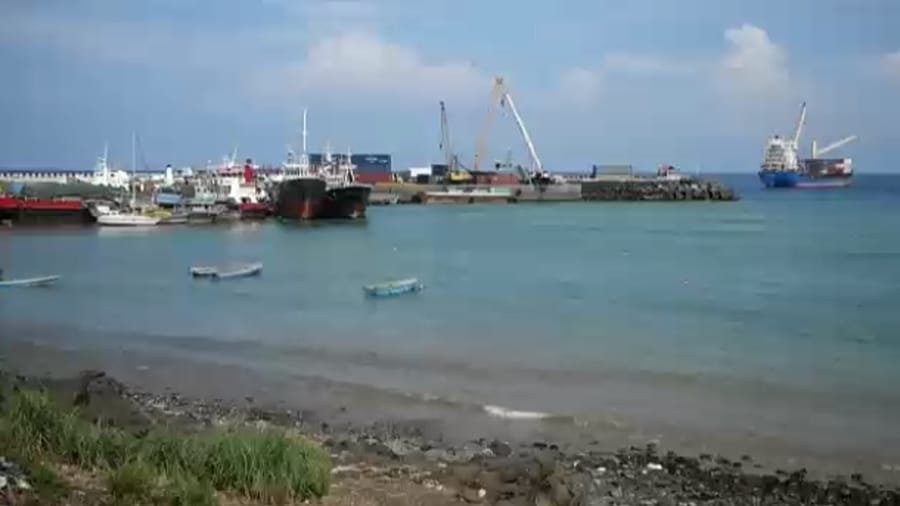
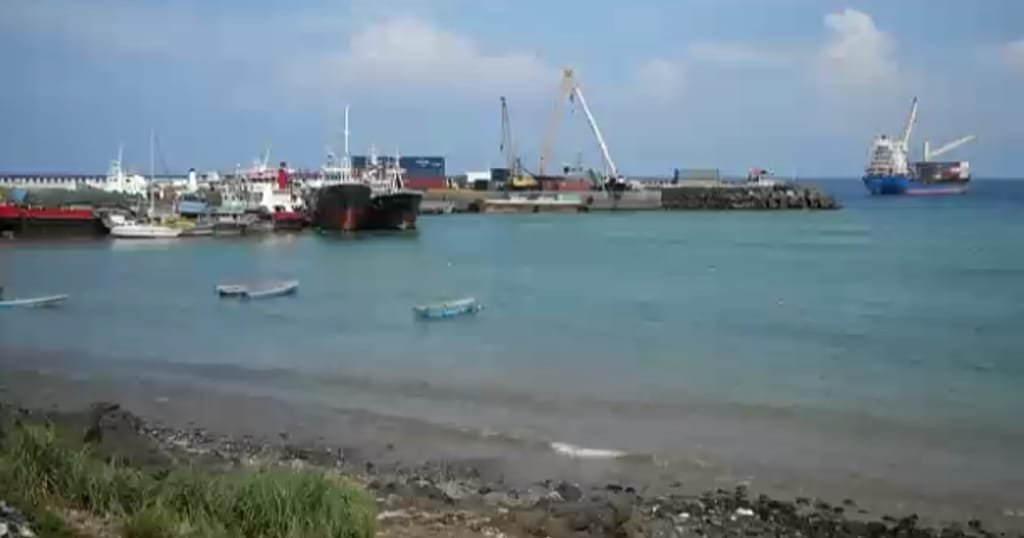
Four medinas stand on the main island of Grande Comore, known locally as Ngazidja, while two occupy the smaller island of Anjouan, called Nzwani, reflecting the archipelago's distributed island geography. The 14th-century medina in the capital Moroni features the emblematic Friday Mosque with its green minaret across from the dhow port, surrounded by paved alleyways and multi-storey houses with heavy carved doors that recall Swahili craftsmanship found from Mombasa to Mozambique.
The small maritime Itsandra medina is considered a cradle of Swahili civilization, where early traders established settlements that blended Eastern African fishing traditions with Arab-Muslim scholarship. Its 12th-century Iconi medina houses the tomb of Prince Said Ibrahim, son of the last sultan of Grande Comore, Said Ali, serving as a focal point for annual commemorations that draw families from across the islands.
These sites display dense stone architecture, palaces, mosques, public squares, and labyrinthine narrow streets that have withstood centuries of monsoon winds and volcanic activity common to the Comoros. Some structures remain in serious disrepair, with cracked coral-stone walls threatening to collapse if restoration does not begin soon.
Residents continue to inhabit these quarters, cooking spiced rice dishes and performing dances that echo Malagasy and East African roots, creating a living museum that strengthens communal bonds. The distribution across two islands highlights how each medina adapted to local coastlines while sharing the same sultanate-era principles of hospitality and trade.
Community leaders organize walking tours that introduce visitors to the carved doors and public squares, fostering pride among younger generations who might otherwise migrate to larger cities.
The Sultanate Heritage of the Indian Ocean
The sultanates that ruled the Comoros islands from the 11th/12th centuries onward turned the archipelago into a vital hub along Indian Ocean trading routes, where merchants exchanged spices, textiles, and ideas between Africa, Arabia, and Asia. This strategic position fostered a distinctive cultural blend of Eastern African, Arab-Muslim, Malagasy, and European influences visible in the medinas' architecture and social customs.
Heritage director general Ania Mohamed Issa observed that "the Comorian medinas were once home to historic sultanates" but "uncontrolled urbanisation and 'modernisation' have altered them," calling for careful planning that protects the original layouts. The medinas remain living towns where communities still inhabit centuries-old structures and maintain traditional ways of life, from morning prayers at the mosques to evening markets selling fresh fish caught from dhows.
These towns embody the Swahili Coast civilization that links Comoros to mainland African ports, preserving oral poetry and craft skills passed through families for generations. The sultanate era's emphasis on maritime connections continues in local festivals that celebrate arrivals of boats carrying goods from Madagascar and the Middle East.
By inscribing these sites, UNESCO recognizes how African island heritage contributes to global understanding of interconnected histories shaped by ocean winds and seasonal migrations. Elders share tales of sultans who welcomed scholars and traders, reinforcing values of openness that define Comorian identity today.
Preservation Through Cultural Tourism
Faniya Abbas of the Medina Wiratha cultural association stated that after the UNESCO inscription, "there will be the development of cultural, historical and architectural tourism, and the preservation of heritage," envisioning guided visits that benefit local families directly. The medinas have preserved their old urban shape, structures, and traditions according to UNESCO's nomination, though the oldest structures are in serious disrepair and need skilled repairs using local coral stone.
Responsible cultural tourism can fund preservation efforts while celebrating Comorian heritage, allowing artisans to sell woven mats and carved items that carry stories of the sultanate period. The broader impact on the Comorian economy includes new jobs in guiding and hospitality that keep young people rooted in their islands rather than seeking work abroad.
The listing raises the islands' visibility on the global cultural map, drawing attention to African maritime histories often overlooked in favor of mainland landmarks. Balancing tourism development with the authentic living character of these historic towns requires community oversight to prevent commercialization that erodes daily rituals.
Associations plan homestay programs where visitors share meals of coconut curries and learn traditional dances, strengthening cultural exchange in the spirit of the ancient trade routes. This approach mirrors successful models in other African heritage sites where tourism supports rather than displaces residents.
What the UNESCO Listing Means for African Heritage
The listing places Comoros among the growing number of African nations with recognized cultural properties on the UNESCO World Heritage List, highlighting the importance of the Swahili Coast civilization and maritime heritage of the Indian Ocean. It sends a message that African heritage sites, particularly those beyond the continent's well-known landmarks, deserve international recognition and support.
The commemorative role of the listing helps preserve the history of the sultanate era against the pressures of uncontrolled urbanization and modernization that threaten many historic quarters across Africa. Smaller island nations and states can draw inspiration from Comoros's success in securing this milestone through persistent advocacy and community involvement.
By protecting these medinas, the world acknowledges the enduring contributions of East African and Indian Ocean communities to global culture, from architectural techniques to social customs still practiced in Senegal's coastal towns and beyond. The achievement encourages other African heritage advocates to document and nominate their own sites, expanding the representation of diverse traditions on the world stage.
Ultimately, the inscription reinforces shared African pride in legacies of trade, resilience, and cultural fusion that continue to shape identities from the Comoros to the Senegalese shores.
By Amara Diop, Staff Writer
This article was produced with AI-assisted research and editorial support. Reporting is based on sources cited in the article.
What's Your Reaction?
 Like
0
Like
0
 Dislike
0
Dislike
0
 Love
0
Love
0
 Funny
0
Funny
0
 Wow
0
Wow
0
 Sad
0
Sad
0
 Angry
0
Angry
0

West Africa/Sahel Correspondent at Global1.News. Dakar-based journalist covering politics, security, climate, and development across Francophone and Anglophone West Africa. Tells the stories of a region undergoing profound transformation.













Comments (0)