
Trinidad Small Spill Turns into Big Diplomatic Headache with Venezuela
Trinidad Small Spill Turns into Big Diplomatic Headache with Venezuela The Morning of May 1 On the morning of May 1 2026 Heritage Petroleum detected an oil spill at the Main Field offshore Trinidad and Tobago at 07:25 hrs. This early detection came at a time when the energy sector continues to play a central role in supporting communities across the country. Workers in the offs
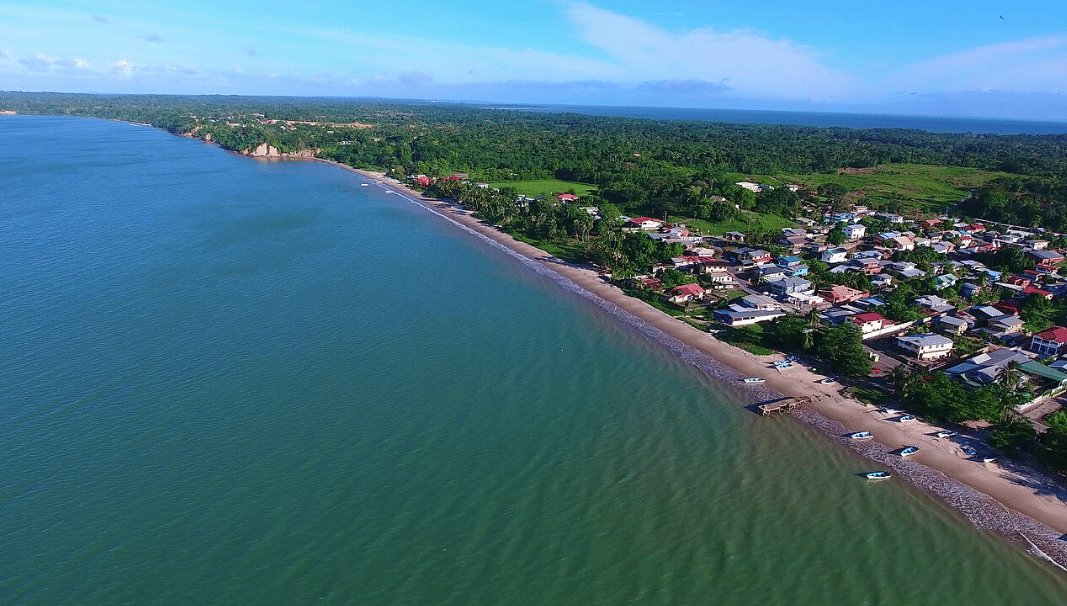
The Morning of May 1
On the morning of May 1 2026 Heritage Petroleum detected an oil spill at the Main Field offshore Trinidad and Tobago at 07:25 hrs. This early detection came at a time when the energy sector continues to play a central role in supporting communities across the country. Workers in the offshore operations know that any incident in the Gulf of Paria requires quick attention because the shared waters connect livelihoods on both sides of the border. The timing at 07:25 hrs meant that response teams could begin work during daylight hours which helped limit further spread according to reports from the company.
The Gulf of Paria remains a vital area for Trinidad and Tobago energy activities and the detection on that date has drawn attention to how incidents are handled in real time. Heritage Petroleum operates in waters that have long supported the national economy and many families depend on steady activity in these fields. When the spill was identified at that specific hour it triggered standard procedures that focus on containment and assessment. Observers in the energy community note that such events test the preparedness of local operators who must balance production needs with environmental care.
Looking ahead the incident on May 1 2026 may influence how future offshore monitoring is organised. Trinidad and Tobago energy workers understand that quick reporting helps maintain confidence in the sector which faces ongoing pressures from global markets. The detection at 07:25 hrs serves as a reminder that even small occurrences can affect regional relations when the waters are shared. Communities in coastal areas watch these developments closely because the energy industry provides jobs that help with the cost of living.
Trinidad's Position
Energy Minister Dr. Roodal Moonilal described the spill as minor with approximately 10 barrels involved and noted that it was contained the same day. Port of Spain maintains this view and emphasises that the response was effective in preventing wider impact. Officials stress that the quick containment reflects the systems in place for offshore incidents in Trinidad and Tobago waters. This position highlights the importance of accurate reporting to avoid unnecessary alarm in communities that rely on the energy sector for employment.
The assessment from Dr. Roodal Moonilal comes at a moment when Trinidad and Tobago continues to manage its energy resources carefully. The minister's comments focus on the limited volume and the fact that containment occurred promptly which officials say demonstrates responsible management. In the context of the Gulf of Paria being a shared body this stance seeks to reassure both local stakeholders and regional partners. Energy sector analysts in Trinidad note that such descriptions help maintain stability in an industry that supports many households through direct and indirect jobs.
Future outlook for Trinidad's position involves continued emphasis on transparency and technical assessments. As the diplomatic situation develops Port of Spain is likely to provide further details on containment measures to strengthen its case. The minister's characterisation of the event as minor aligns with efforts to keep focus on the contained nature of the spill rather than broader concerns. This approach reflects the practical realities faced by a nation where energy production remains key to economic resilience amid rising costs.
Venezuela's Demands
Venezuela's Foreign Minister Yvan Gil formally demanded compensation following the incident and warned that 1 625 square kilometres could be potentially affected across 12 strategic wetland systems. The states of Sucre and Delta Amacuro were identified as areas of concern with over 500 fishermen's livelihoods said to be at risk according to Venezuelan statements. At a press conference Venezuela shared satellite images to support its position on the possible reach of the spill. These actions have turned the matter into a full diplomatic dispute between the two nations that share the Gulf of Paria.
The demands from Yvan Gil place pressure on Trinidad and Tobago to address cross-border implications even as local officials maintain their assessment of the spill's scale. The mention of specific wetland systems and the number of fishermen involved brings attention to communities that depend on fishing in the affected Venezuelan states. Satellite images presented at the press conference add a layer of evidence that Venezuela uses to argue for compensation. This development shows how an offshore incident detected by Heritage Petroleum can quickly involve high-level diplomatic channels.
Regional implications include the need for dialogue mechanisms that can handle such disputes in the Gulf of Paria. Venezuela's formal request for compensation signals that the country views the potential impact on its wetlands and fisheries as significant enough to warrant international attention. As discussions continue the sharing of satellite data may shape how both sides approach future incidents. The situation underscores the interconnected nature of environmental concerns in shared waters where economic activities on one side can affect livelihoods on the other.
Environmental and Economic Stakes
The Gulf of Paria ecosystem supports diverse marine life and the incident has raised questions about long-term effects on wetlands in the region. Venezuela's warning about 1 625 square kilometres potentially affected across 12 strategic systems highlights the environmental reach that could extend into Sucre and Delta Amacuro. Over 500 fishermen's livelihoods are described as at risk which connects directly to economic pressures in communities that rely on fishing alongside energy sector work. Trinidad and Tobago officials continue to describe the spill as minor and contained at approximately 10 barrels yet the shared waters mean that environmental concerns cross borders.
Economic analysis shows that any disruption in the Gulf of Paria can influence both energy production and fishing activities that sustain families in Trinidad and Tobago. The cost of living remains a concern for many households and stable operations in the energy sector help offset rising expenses. When Venezuela presents satellite images at press conferences it draws attention to possible wider effects that could impact regional trade and cooperation. Historical ties in energy matters between the two countries make these stakes particularly sensitive as both nations seek to protect their interests.
Future outlook points to the need for joint environmental monitoring to prevent similar disputes. The 12 wetland systems mentioned by Venezuela represent areas where ecological balance supports local economies and any prolonged uncertainty could affect food security and employment. Trinidad and Tobago energy communities understand that maintaining good relations helps secure the stability needed for ongoing projects. This incident serves as a reminder that environmental protection and economic activity must be balanced in the shared Gulf of Paria.
Regional Relations
The Gulf of Paria has long been a space for energy cooperation between Trinidad and Tobago and Venezuela and the current diplomatic dispute tests those ties. Venezuela's Foreign Minister Yvan Gil demanding compensation while Trinidad maintains that the spill was minor and contained shows how quickly an incident can affect broader relations. CARICOM may find itself observing developments as member states consider how shared water bodies are managed across the Caribbean. The involvement of satellite images and specific warnings about 1 625 square kilometres adds complexity to discussions that were previously focused on joint energy initiatives.
Regional implications include the potential for strengthened protocols on spill response that involve both nations. Trinidad and Tobago energy sector workers have benefited from cooperation in the past and any strain could influence future projects that support jobs and revenue. Venezuela's focus on the states of Sucre and Delta Amacuro and the risk to over 500 fishermen brings social dimensions into the diplomatic conversation. Both countries share an interest in keeping the Gulf of Paria productive yet the differing assessments of the May 1 2026 spill require careful navigation.
Looking forward the dispute may encourage more regular communication channels between energy ministries and foreign affairs offices. CARICOM frameworks could offer neutral ground for addressing such matters without escalating tensions. The history of energy collaboration in the region suggests that practical solutions often emerge when both sides acknowledge the shared nature of the waters. This situation highlights the importance of maintaining open lines even when positions differ on the severity of an incident detected by Heritage Petroleum.
What This Means for Trinidadians
For Trinidadians the diplomatic dispute over the Gulf of Paria spill brings attention to how energy sector stability affects daily life including jobs and the cost of living. The detection by Heritage Petroleum on May 1 2026 at 07:25 hrs and the subsequent containment of approximately 10 barrels remain central to local understanding of the event. Energy Minister Dr. Roodal Moonilal's description of the spill as minor reassures some communities yet Venezuela's demands and warnings about affected wetlands create uncertainty about future relations. Fishing communities in Trinidad watch developments because the shared waters mean that any prolonged dispute could influence cross-border activities.
Economic analysis for local families shows that steady energy production helps manage household expenses and the current situation may prompt reviews of safety measures in offshore fields. The involvement of over 500 fishermen's livelihoods on the Venezuelan side reminds Trinidadians of the interconnected economies in the Gulf of Paria. As satellite images are shared in press conferences the focus shifts to how Trinidad and Tobago can demonstrate its containment efforts while engaging diplomatically. This balance is important for maintaining confidence in the sector that employs many across the country.
What comes next may involve further technical exchanges and possible joint assessments to resolve the compensation claim made by Yvan Gil. Trinidadians in coastal areas understand that regional harmony supports both energy and fishing industries which together contribute to community wellbeing. The dispute serves as a call for improved preparedness that protects the environment and livelihoods on both sides of the border. As discussions continue the emphasis remains on practical steps that prevent similar incidents from straining relations in the future.
By Sharon Sahatoo, Staff WriterThis article was produced with AI-assisted research and editorial support. Reporting is based on sources cited in the article.
What's Your Reaction?
 Like
0
Like
0
 Dislike
0
Dislike
0
 Love
0
Love
0
 Funny
0
Funny
0
 Wow
0
Wow
0
 Sad
0
Sad
0
 Angry
0
Angry
0

Caribbean Correspondent at Global1.News. Based in Port of Spain, Trinidad, covering Caribbean politics, economy, energy, climate, and culture. Amplifying the voices and stories of the Caribbean region.












Comments (0)