
India Mandates Prescription for High-Alcohol Medicines Under Schedule H1
The Union Ministry of Health and Family Welfare has taken decisive action to tighten the regulatory noose around high-alcohol medicinal products, amending the Drugs Rules, 1945 to bring oral formulations containing more than 12% ethyl alcohol under Schedule H1. The July 10, 2026 notification ends the over-the-counter availability of these products and mandates a registered medi
The Union Ministry of Health and Family Welfare has taken decisive action to tighten the regulatory noose around high-alcohol medicinal products, amending the Drugs Rules, 1945 to bring oral formulations containing more than 12% ethyl alcohol under Schedule H1. The July 10, 2026 notification ends the over-the-counter availability of these products and mandates a registered medical practitioner's prescription for purchase. The move comes amid mounting concerns over the diversion of alcohol-based cough syrups for non-medical intoxication and follows a series of contamination-linked tragedies that damaged global confidence in India's pharmaceutical sector.
Centre Tightens Rules on High-Alcohol Medicinal Products — Schedule H1 Mandates Prescription-Only Sale
New Delhi, Delhi – July 10, 2026 — The Union Ministry of Health and Family Welfare has amended the Drugs Rules, 1945 through a Gazette notification dated July 10, 2026, bringing all oral medicinal products containing more than 12% ethyl alcohol and packaged in volumes larger than 30 ml under Schedule H1. The change ends over-the-counter availability and requires a registered medical practitioner's prescription for purchase.
Details of the Schedule H1 Amendment
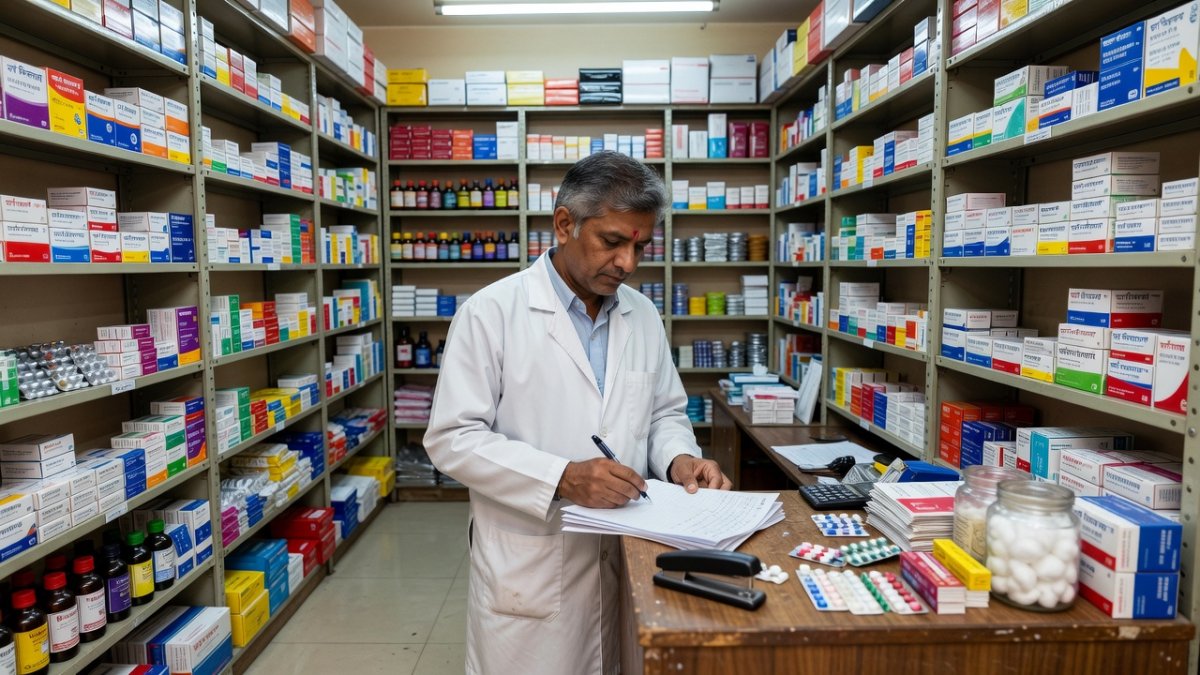
The new rule applies to bottles and packaging exceeding 30 ml that contain more than 12% ethyl alcohol. Pharmacists must now record the patient's name, address, prescription details and quantity dispensed. These records remain open for inspection by state drug regulators and the Central Drugs Standard Control Organisation (CDSCO). Packaging must carry prominent warning labels stating the product is prescription-only.
The amendment also withdraws the earlier exemption under Schedule K (Paragraph 2, Column 3) that had allowed certain alcohol-based preparations to be sold without a drug licence. Tinctures of cardamom, ginger and other aromatic preparations remain exempt. The rules will come into force six months from publication in the Official Gazette, around January 2027.
Link to Past Contamination Tragedies
The July 10, 2026 notification follows the Centre's June 2026 decision to remove all cough syrups from Schedule K after contamination-linked deaths that shook global health authorities. Between 2022 and 2023, more than 70 children died in The Gambia and 18 children in Uzbekistan after consuming Indian-manufactured cough syrups adulterated with ethylene glycol and diethylene glycol. The World Health Organization issued global alerts, and several countries imposed import restrictions on Indian pharmaceutical products.
States including Rajasthan, Madhya Pradesh and Gujarat had also flagged the diversion of high-alcohol cough syrups for recreational intoxication, particularly among teenagers and young adults. The dual focus of the new rules — preventing misuse while strengthening quality oversight — reflects the government's recognition that drug safety and substance abuse are intertwined public health challenges.
Impact on Indian Patients and Pharmacies
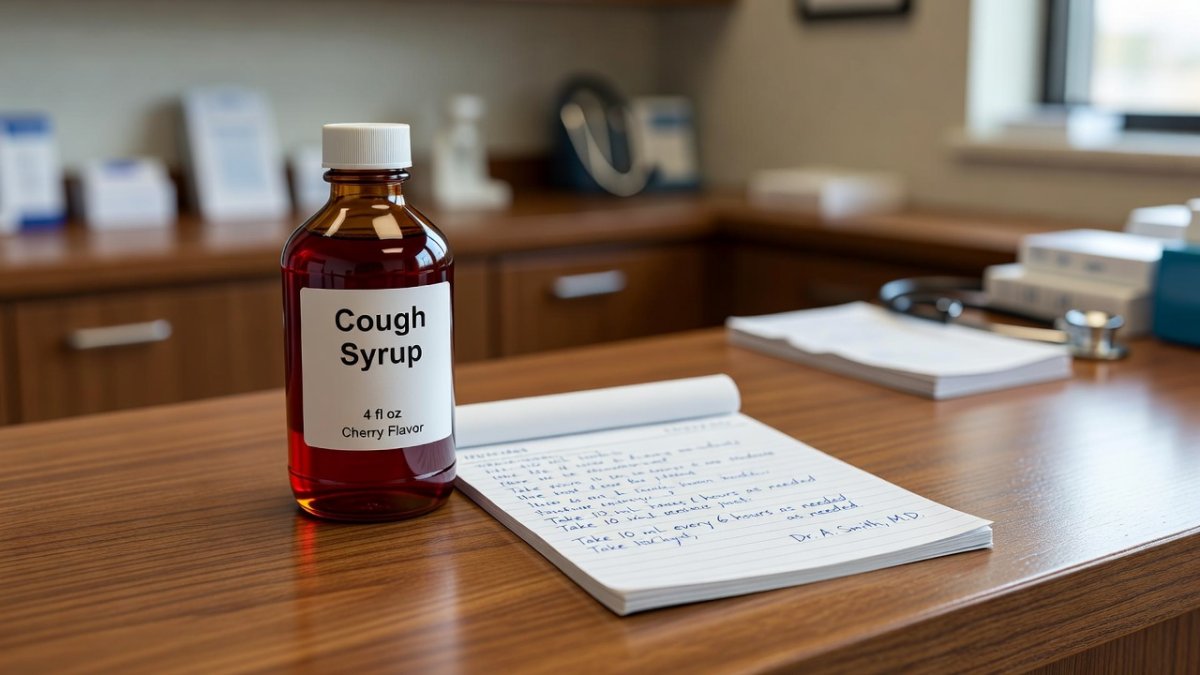
Patients in states such as Uttar Pradesh, Bihar and Maharashtra, where self-medication with cough syrups remains common, will now need a prescription even for familiar brands. Pharmacies must upgrade record-keeping systems, increasing compliance costs that may be passed on to consumers. The six-month transition period gives manufacturers and retailers time to adjust stock, modify labelling and train staff on new dispensing requirements.
For patients with chronic conditions requiring alcohol-based tonics, the prescription mandate adds a medical consultation step. However, health experts at AIIMS New Delhi and the Indian Medical Association have welcomed the move, arguing that the additional oversight reduces the risk of both accidental overdose and intentional misuse.
Existing Alcohol Caps in Traditional Medicine Systems
Rule 161 of the Drugs Rules, 1945 already limits alcohol content in Ayurvedic, Siddha and Unani syrups to 16 per cent, while Rule 106B caps homoeopathic preparations at 12 per cent. The new Schedule H1 threshold of 12 per cent aligns with the stricter homoeopathic standard and closes a regulatory gap that previously allowed higher-alcohol allopathic formulations to escape prescription requirements. This harmonisation across traditional and modern medicine streams marks a significant step toward a unified drug regulatory framework in India.
Implications for India's $50 Billion Pharma Sector
India's pharmaceutical exports, valued at approximately $50 billion in recent fiscal years, have faced repeated setbacks from safety lapses. The Gambia and Uzbekistan incidents damaged international confidence, particularly among African and Central Asian regulators who are among the largest importers of Indian generic medicines. The Schedule H1 move, aligned with WHO recommendations for post-market surveillance, aims to demonstrate stronger regulatory controls and deter diversion of medicinal products for non-medical use.
Taxpayers funding India's public health system — through schemes such as Ayushman Bharat and state-run drug procurement programmes — may benefit from reduced misuse-related hospital admissions. Manufacturers face higher compliance costs for labelling, record-keeping and licensing, which could influence pricing strategies for affected products.
The Bottom Line
The July 10 amendment represents a calibrated regulatory response to a dual crisis: the diversion of alcohol-based medicines for intoxication and the erosion of global trust in Indian pharmaceutical exports. By mandating prescriptions and detailed dispensing records, authorities gain better traceability across the supply chain, supporting future pharmacovigilance efforts. For Indian citizens, the change reinforces that medicinal alcohol is a controlled substance requiring medical supervision. For international buyers, it signals that India is prepared to meet the higher quality benchmarks demanded by an increasingly scrutinised global market.
— By Dr. Raj Patel, Staff Writer
This article was produced with AI-assisted research and editorial support. Reporting is based on sources cited in the article.
What's Your Reaction?
 Like
0
Like
0
 Dislike
0
Dislike
0
 Love
0
Love
0
 Funny
0
Funny
0
 Wow
0
Wow
0
 Sad
0
Sad
0
 Angry
0
Angry
0

India/South Asia Correspondent at Global1.News. Analytical voice with a background in science and health journalism. Based in New Delhi, covering Indian politics, education, healthcare, technology, and policy. Breaks down complex data into clear, actionable reporting.











Comments (0)