
Cuba in the Dark: Nationwide Blackouts, Fuel Crisis, and the Human Cost of an Energy Siege
Cuba in the Dark: Nationwide Blackouts, Fuel Crisis, and the Human Cost of an Energy Siege Spontaneous Protests Erupt as Third Nationwide Blackout Hits Cuba Cubans in several locations on the island banged pots on Tuesday evening to express their anger about the latest nationwide power cut. While public dissent in the Communist-run country is often punished with long prison sen
Spontaneous Protests Erupt as Third Nationwide Blackout Hits Cuba
Cubans in several locations on the island banged pots on Tuesday evening to express their anger about the latest nationwide power cut. While public dissent in the Communist-run country is often punished with long prison sentences, there have been spontaneous protests in areas worst affected by the outages. These demonstrations emerged despite the known risks, highlighting how prolonged darkness has pushed residents to voice frustration openly in the streets. The act of banging pots served as a collective signal of discontent that echoed through neighborhoods still without electricity late into the evening.
Fuel shortages have been exacerbated by tight US sanctions and an effective US oil blockade, meaning that even those who have generators often do not have the fuel to run them during power cuts. Cuban officials said on Tuesday that most of the country had had power restored but locals shouted "turn on the lights!" in areas still in the dark. This third nationwide outage this year compounds existing rolling electricity cuts that were already straining daily routines across the island. The state electricity company offered no explanation for the unplanned failure that left parts of the population without warning.
Some rural areas are plunged into darkness for up to 70 hours at a time, while urban areas have seen planned outages of up to 30 hours. The country's second-largest city, Santiago de Cuba, was among places where power had not yet been restored on Tuesday evening local time. Residents in these extended blackout zones faced immediate disruptions to basic household functions that quickly escalated into visible public expressions of anger. The combination of sudden nationwide failure and pre-existing scheduled cuts created a layered crisis that affected both countryside and city dwellers simultaneously.
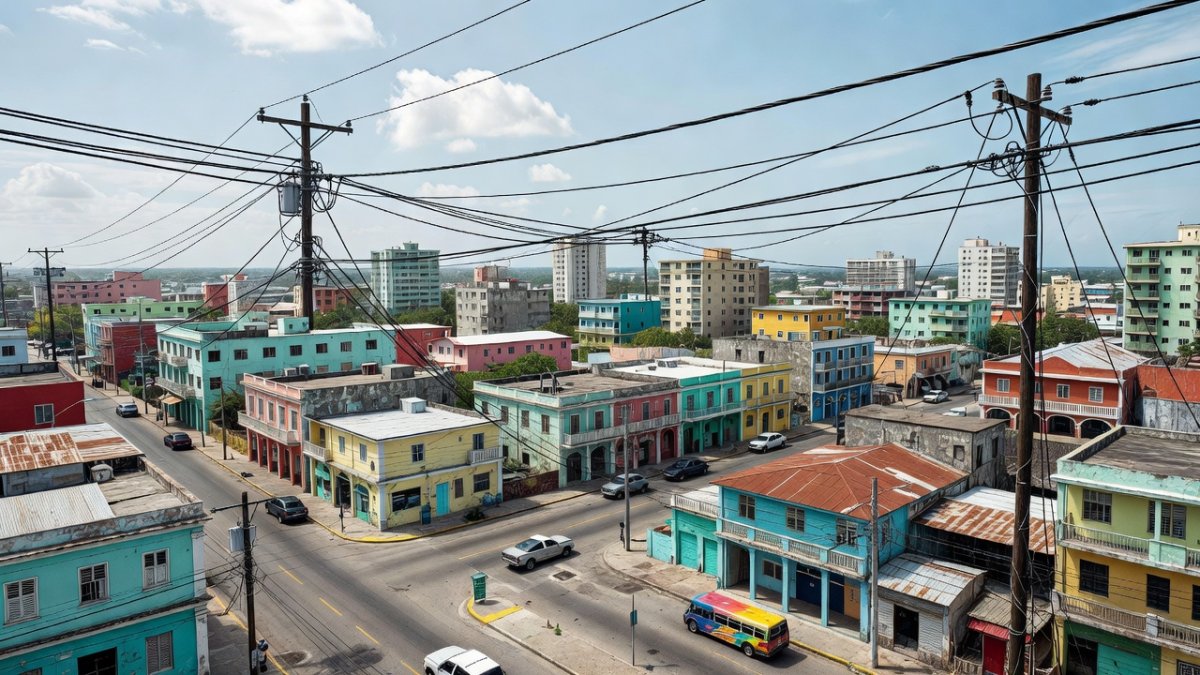
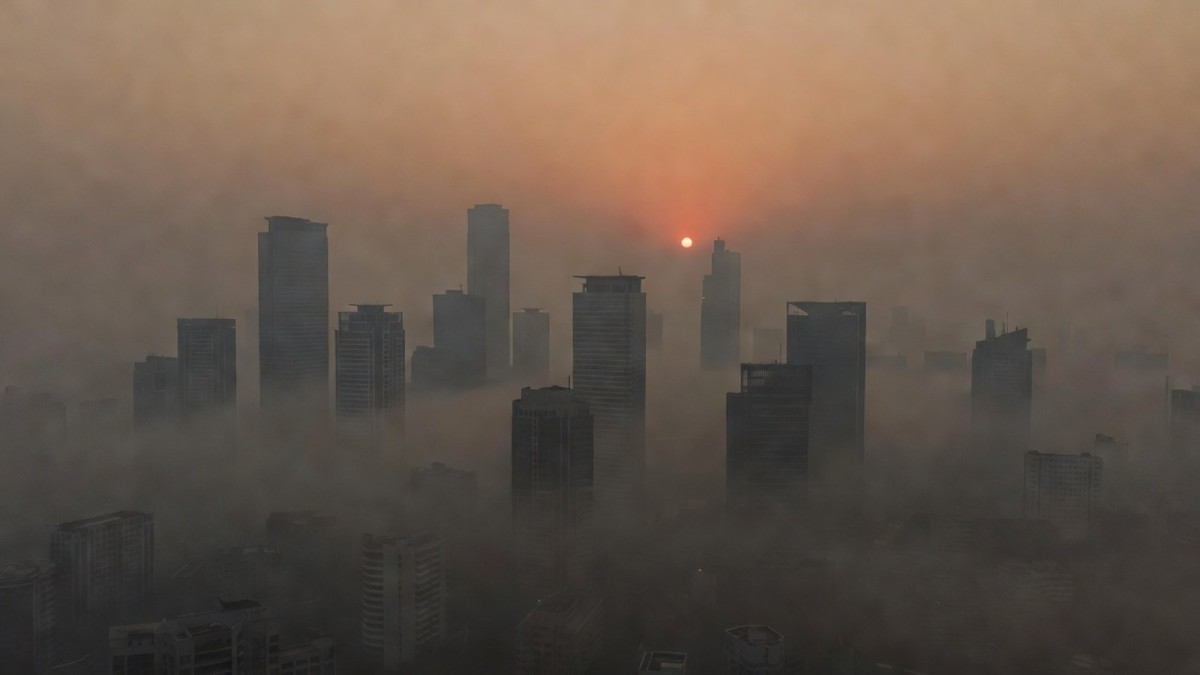
This aerial view shows a Cuban urban landscape where residents have endured repeated nationwide blackouts, the third such event this year. The visible infrastructure highlights the centralized grid vulnerability that leaves millions dependent on imported fuel supplies now constricted by sanctions and blockade.
Fuel Crisis Under Sanctions: Generators Without Gasoline
Fuel shortages have been exacerbated by tight US sanctions and an effective US oil blockade, meaning that even those who have generators often do not have the fuel to run them during power cuts. This situation leaves generator owners powerless despite their investments in backup equipment, turning potential solutions into additional sources of frustration. The blockade restricts oil shipments so severely that available fuel reserves dwindle rapidly under the weight of ongoing demand. As a result, communities that might otherwise mitigate outages find themselves fully exposed when the main grid fails.
Monday's nationwide outage was the third this year and comes on top of state-imposed rolling electricity cuts aimed at conserving the little remaining fuel. These pre-existing measures already limited daily activities, but the latest unplanned blackout intensified the strain on transport networks that rely on consistent fuel supplies. Food distribution suffers when vehicles cannot operate reliably, leaving markets and households without fresh provisions for extended periods. Medicine refrigeration becomes impossible without steady power or generator fuel, directly threatening the storage of temperature-sensitive treatments in clinics and homes alike.
The broader Latin American context reveals how dependency on imported fuels can transform into acute crisis once supply lines constrict under external pressure. Cuba's experience illustrates the speed at which energy shortages cascade into multiple sectors when sanctions tighten around oil imports. Transport halts, food spoils, and medical supplies degrade in quick succession, showing the interconnected nature of fuel access across the region. This pattern underscores the vulnerability that arises when nations lack diversified energy sources to buffer against sudden blockades.
Díaz-Canel Acknowledges Suffering, Points Finger at Washington
Cuban President Miguel Díaz-Canel has acknowledged the spreading discontent among Cubans. "There are shortages of transport, food, medicines, there are lengthy power cuts lasting more than 20 hours, that causes dissatisfaction, nobody can be happy, the people are suffering," he told reporters from Claridad, a Spanish-language weekly newspaper based in San Juan, Puerto Rico. His statements directly addressed the cumulative effects of prolonged outages layered atop chronic shortages that affect every aspect of daily life. The president framed the suffering as widespread and undeniable, extending beyond temporary inconvenience into sustained hardship for ordinary citizens.
But he urged Cubans to direct their anger towards the US government instead of his, adding: "People bang pots, some with more anger than others. I say: direct your pot-banging towards our northern neighbours, who are the ones behind these power cuts." This redirection of blame positions external sanctions as the root driver of the fuel shortages and resulting blackouts. Díaz-Canel's comments came amid visible protests, attempting to channel public frustration outward while recognizing the depth of domestic dissatisfaction. The approach highlights the political tightrope of addressing internal unrest without conceding policy failures.
The human impact unfolds in households where families must navigate multiple overlapping shortages simultaneously, from empty shelves to unrefrigerated medications. Children and elderly residents bear particular burdens when power cuts exceed twenty hours, disrupting sleep, study, and basic hygiene in tropical conditions. These conditions compound over repeated outages, creating a sense of perpetual uncertainty that erodes community morale. Díaz-Canel's acknowledgment serves as official recognition that such suffering has reached levels capable of sparking spontaneous public demonstrations.
US Blames Havana: Waltz at the UN General Assembly
The US Ambassador to the United Nations, Michael Waltz, however, placed the blame squarely with the Cuban government. Speaking at a meeting of the UN General Assembly on Tuesday, he urged it to "change your ways and turn the lights back on for your people". He added that "there always seems to be enough power for the Cuban dictatorship". This rhetoric frames the crisis as a matter of internal governance choices rather than external sanctions, suggesting selective power allocation favors state functions over civilian needs.
US-Cuban relations, which have been strained for decades, have deteriorated rapidly since the start of the year, when US President Donald Trump accused the island's government of posing a threat to the national security of the US. Shortly after US forces seized former Venezuelan President Nicolás Maduro - a close ally of the Cuban government - in January, Trump also openly mused that Cuba was "ready to fall". These statements preceded a series of policy escalations that included fresh sanctions and an effective blockade on oil shipments. The sequence of events demonstrates how diplomatic posturing quickly translated into concrete restrictions on fuel supplies.
The Trump administration has imposed fresh sanctions on Cuba as well as an effective blockade on oil shipments to Cuba, threatening to slap tariffs on countries which provide it with fuel. The US has also levelled murder charges against Cuba's former president, Raúl Castro, who remains an influential figure on the island despite being 95 years old. These measures extend pressure beyond energy into legal and financial domains, further isolating the island. Waltz's public comments at the UN reflect this hardened posture, emphasizing accountability on Havana while downplaying the role of sanctions in the immediate blackout crisis.
Private Talks, Public Stalemate: Diplomacy Behind the Crisis
Despite trading barbs publicly, the two countries have been holding talks over recent weeks in private. The Cuban foreign minister said on Tuesday that those talks "show no progress", but left the door open "to dialogue based on mutual respect and non-interference in Cuba's internal affairs". This duality reveals a complex diplomatic landscape where official statements maintain confrontation while back-channel efforts persist. The lack of visible advancement in private discussions underscores the entrenched positions on both sides.
Bruno Rodríguez accused the US of waging "multi-dimensional, non-conventional warfare" against Cuba, which he said had "become ever more cruel" over the last seven months. Such language characterizes the sanctions and blockade as deliberate strategies of attrition rather than standard policy tools. The seven-month timeframe aligns with the rapid deterioration following the Maduro seizure and subsequent US actions. Rodríguez's framing positions the energy crisis as one front in a broader campaign that affects multiple sectors of Cuban society.
The complex nature of the US-Cuba standoff involves decades of accumulated grievances that make quick resolution unlikely even when private channels remain active. Mutual respect and non-interference emerge as core conditions for any potential thaw, yet these principles clash with ongoing sanctions and public accusations. The stalemate leaves ordinary Cubans caught between rhetorical battles and practical fuel shortages that show no immediate sign of easing. This diplomatic impasse directly prolongs the uncertainty surrounding power restoration and future energy security.
Cuba's Energy Trap: A Warning for Latin America's Grid Vulnerability
Imported fossil fuel dependency leaves Cuba exposed when external pressures constrict supply lines, as evidenced by the current nationwide outages and rolling cuts. The third blackout this year demonstrates how quickly reserves deplete under combined sanctions and blockade conditions. Rural areas enduring up to seventy hours without power illustrate the uneven distribution of impacts, with remote communities facing the longest disruptions. This exposure serves as a cautionary example for other nations in the region that rely heavily on imported energy sources.
Comparisons to Venezuela's grid collapse, Ecuador's blackouts, and Brazil's hydro drought vulnerability highlight recurring patterns across Latin America when energy systems lack resilience. Each case shows how external shocks or internal constraints can cascade into widespread darkness affecting transport, food, and medicine. Cuba's situation adds the dimension of targeted sanctions that specifically target oil imports, accelerating the timeline from shortage to blackout. These regional parallels suggest that distributed solar and renewable microgrids could offer pathways to greater stability if investment barriers were removed.
Cuba's solar potential remains largely untapped because sanctions block necessary financing and technology transfers. The result is continued reliance on vulnerable imported fuels that leave the grid susceptible to sudden failures. Lessons from this crisis point toward the need for diversified, locally controlled energy systems that can withstand both natural and political disruptions. Without such shifts, similar vulnerabilities will persist across the region whenever supply chains face constriction.
Life in the Dark: The Human Toll of 70 Hours Without Power
Spoiled food, lost refrigeration for medicine, and silent water pumps mark the immediate physical consequences of extended blackouts in Cuban households. Families watch perishable goods rot within hours, forcing difficult choices about limited remaining supplies amid already strained food distribution. Medicines requiring cool storage lose efficacy, placing additional pressure on health outcomes for those managing chronic conditions. Water access falters when pumps cannot operate, compounding hygiene and sanitation challenges in tropical climates.
No fans in tropical heat intensify discomfort during outages that stretch beyond twenty hours, leaving residents to endure stifling conditions without relief. Children attempting to study by candlelight face both safety risks and limited visibility that hinder educational continuity. These daily adaptations accumulate over repeated events, including the third nationwide outage this year, creating a backdrop of constant adjustment. The psychological toll of such uncertainty manifests in heightened anxiety about when power might return and how long supplies will last.
Energy functions as a basic need rather than a luxury when its absence disrupts every layer of household operation from cooking to communication. Prolonged darkness in areas like Santiago de Cuba on Tuesday evening amplifies isolation, as residents cannot easily coordinate with neighbors or access information. The human cost extends beyond physical discomfort into eroded sense of security and future planning. Communities navigating these conditions demonstrate resilience yet bear visible strain from the intersection of sanctions, fuel shortages, and infrastructure failures.
By Elena Vasquez, Staff WriterThis article was produced with AI-assisted research and editorial support. Reporting is based on sources cited in the article.
What's Your Reaction?
 Like
0
Like
0
 Dislike
0
Dislike
0
 Love
0
Love
0
 Funny
0
Funny
0
 Wow
0
Wow
0
 Sad
0
Sad
0
 Angry
0
Angry
0
Latin America Correspondent at Global1.News. Based in Mexico City, covering politics, economics, energy, and culture across the region. Brings an on-the-ground perspective to stories spanning from the Rio Grande to Patagonia.











Comments (0)