
Trump Declares US-Iran Ceasefire Over Amid Strikes
Trump Ends the Ceasefire at NATO Summit in Ankara At the NATO summit in Ankara on July 8, President Trump declared the US-Iran ceasefire "over" and dismissed further engagement with Iranian leaders. He described them as "scum," "sick people," and "vicious, violent people," adding that he is "number one on their kill list." The statement followed CENTCOM strikes on more than 80
Trump Ends the Ceasefire at NATO Summit in Ankara
At the NATO summit in Ankara on July 8, President Trump declared the US-Iran ceasefire "over" and dismissed further engagement with Iranian leaders. He described them as "scum," "sick people," and "vicious, violent people," adding that he is "number one on their kill list." The statement followed CENTCOM strikes on more than 80 Iranian targets and immediate IRGC retaliation against 85 US military sites in Bahrain and Kuwait.
Military Escalation: From Islamabad MoU to Direct Strikes
The sequence began with US and Israeli airstrikes on February 28, 2026, that killed Supreme Leader Ali Khamenei and destroyed key military facilities. Iran responded by closing the Strait of Hormuz and launching missile and drone attacks on Israel and US bases. A Pakistan-mediated two-week ceasefire took effect on April 8 and was extended indefinitely by Trump on April 21. The June 17 Islamabad Memorandum created a 60-day framework covering nuclear constraints, sanctions relief, and reopening of the Strait.
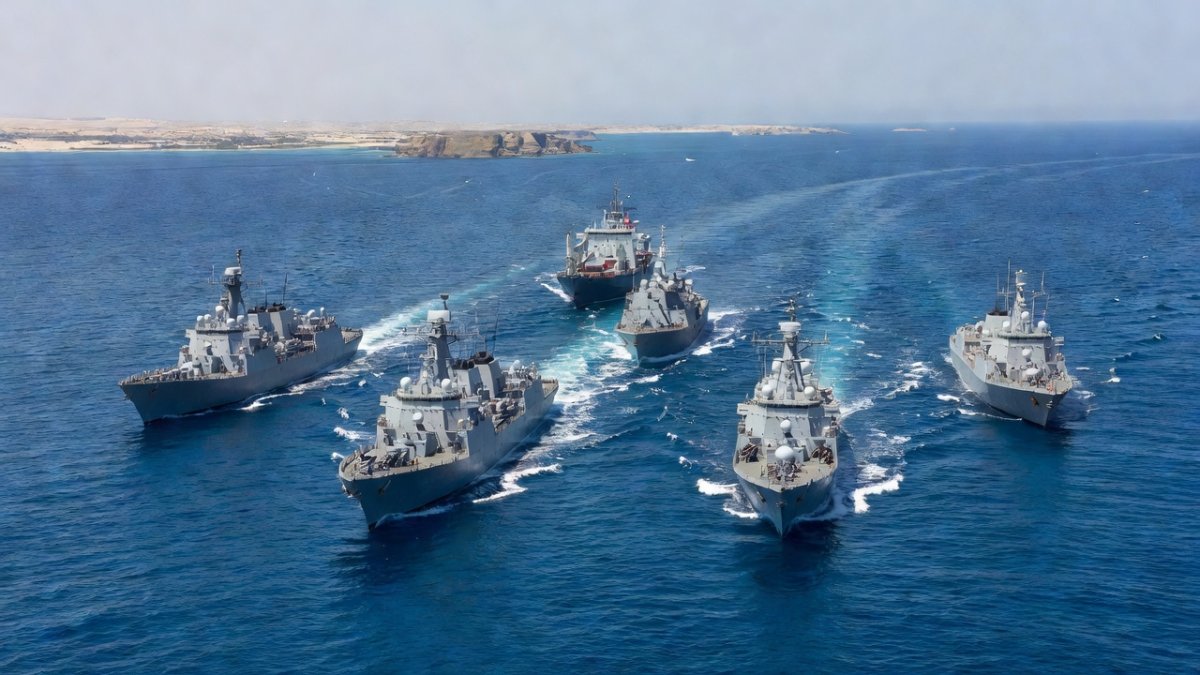
On July 7, Iran attacked three commercial ships in the Strait. CENTCOM responded the next day with strikes on Qeshm Island, Sirik, and Bandar Abbas. Air raid sirens sounded across Bahrain and Kuwait as IRGC missiles and drones targeted US facilities. Twenty-plus US Navy warships now patrol the Arabian Sea.
Regional Dynamics: Gulf States Caught Between Washington and Tehran
Gulf Cooperation Council states hosting US bases now face direct exposure. GCC Secretary-General Jasem Mohamed AlBudaiwi condemned the strikes as a threat to regional security and urged all parties to return to negotiations. Sunni Arab governments remain wary of full-scale war that could draw in Shia militias across Iraq, Syria, and Yemen while disrupting their own diversification programs away from hydrocarbon dependence.
Turkey, hosting the NATO summit, balances alliance obligations with longstanding economic ties to Iran. President Erdogan has avoided direct criticism of either side. Pakistan's mediation role, which produced the original ceasefire, now appears stalled after the collapse of the Islamabad Memorandum.
Oil Markets React to Renewed Hormuz Disruption Fears
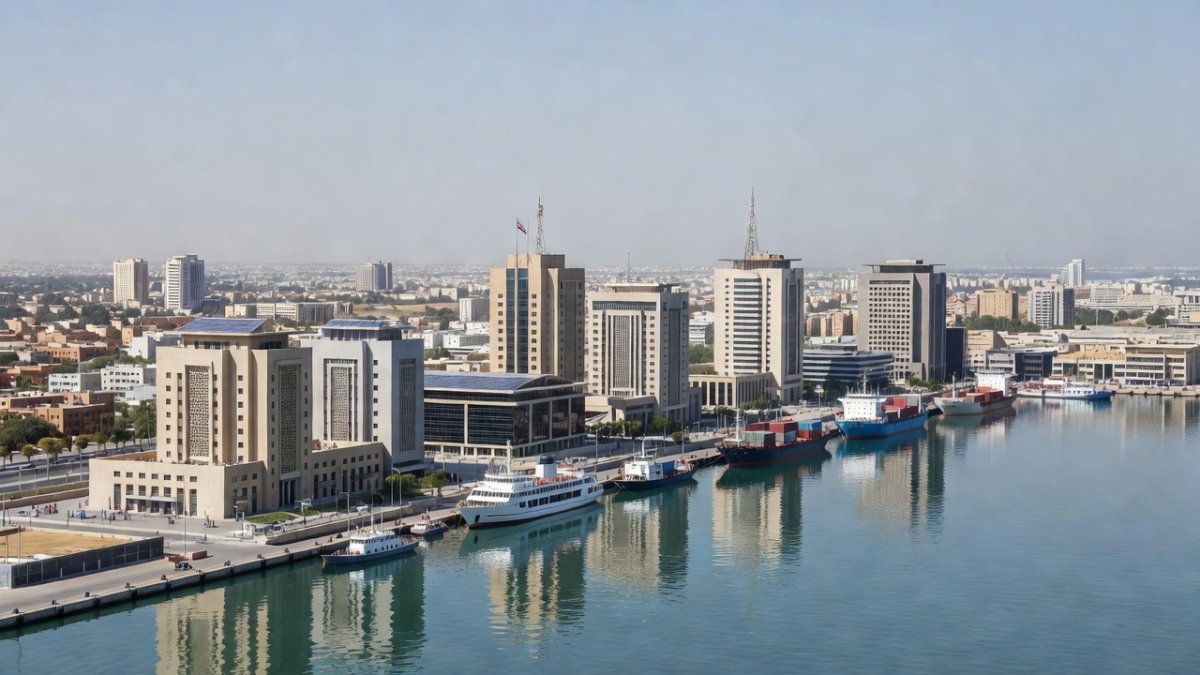
Brent crude rose above $76 per barrel for the first time in two weeks, while West Texas Intermediate climbed 4.69 percent to $73.74. Approximately 20 percent of global oil trade passes through the Strait of Hormuz. Any sustained closure or naval blockade would immediately affect Asian importers and European refiners already adjusting to post-Khamenei Iranian leadership.
Trump's threat to reinstate a naval blockade or "take over" Kharg Island has added further uncertainty. Energy analysts note that even limited disruption raises insurance costs and forces rerouting around the Cape of Good Hope, lengthening delivery times by weeks.
Strategic Calculus: What Each Side Risks and Gains
Washington seeks to re-establish deterrence after the breakdown of the Islamabad framework. Trump retains the option of further strikes on electricity and desalination infrastructure, though such targets carry clear legal and humanitarian risks. Iran's new leadership must demonstrate resolve to domestic hardliners while preserving leverage for future talks. Gulf monarchies want stability to protect investment climates and avoid being drawn into a wider Sunni-Shia confrontation.
Israel's reported willingness to reduce its footprint in southern Lebanon and Trump's praise for Syria's Ahmed al-Sharaa suggest possible parallel diplomatic tracks, yet these remain secondary to the immediate US-Iran confrontation.
Implications for Alliances and Long-Term Stability
Trump's frustration with Germany, France, and Italy for refusing operational support against Iran highlights fractures within NATO. At the same summit he confirmed progress on Ukrainian production of Patriot missiles and signaled openness to F-35 sales to Turkey. These moves illustrate Washington's preference for bilateral leverage over multilateral consensus.
The collapse of the Islamabad Memorandum removes the only active diplomatic channel. Without renewed Pakistan-mediated talks or a new Gulf-led initiative, the risk of miscalculation remains high. Energy markets, already sensitive to Hormuz traffic, will continue to price in geopolitical risk premiums until a credible de-escalation path emerges. By Malik Hassan, Staff Writer
This article was produced with AI-assisted research and editorial support. Reporting is based on sources cited in the article.
What's Your Reaction?
 Like
0
Like
0
 Dislike
0
Dislike
0
 Love
0
Love
0
 Funny
0
Funny
0
 Wow
0
Wow
0
 Sad
0
Sad
0
 Angry
0
Angry
0
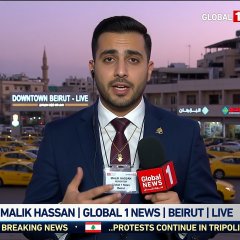
Middle East Correspondent at Global1.News. Based in Beirut, covering politics, conflict, energy, and society across the Middle East. Brings context and depth to a region often reduced to headlines.













Comments (0)