
ICAI 65th Placement: 5,339 New Chartered Accountant Roles
In India's fast-evolving economy, where regulatory overhauls and digital transformation are reshaping finance, the latest ICAI campus placements signal both opportunity and the intense selectivity of one of the world's toughest professional qualifications.
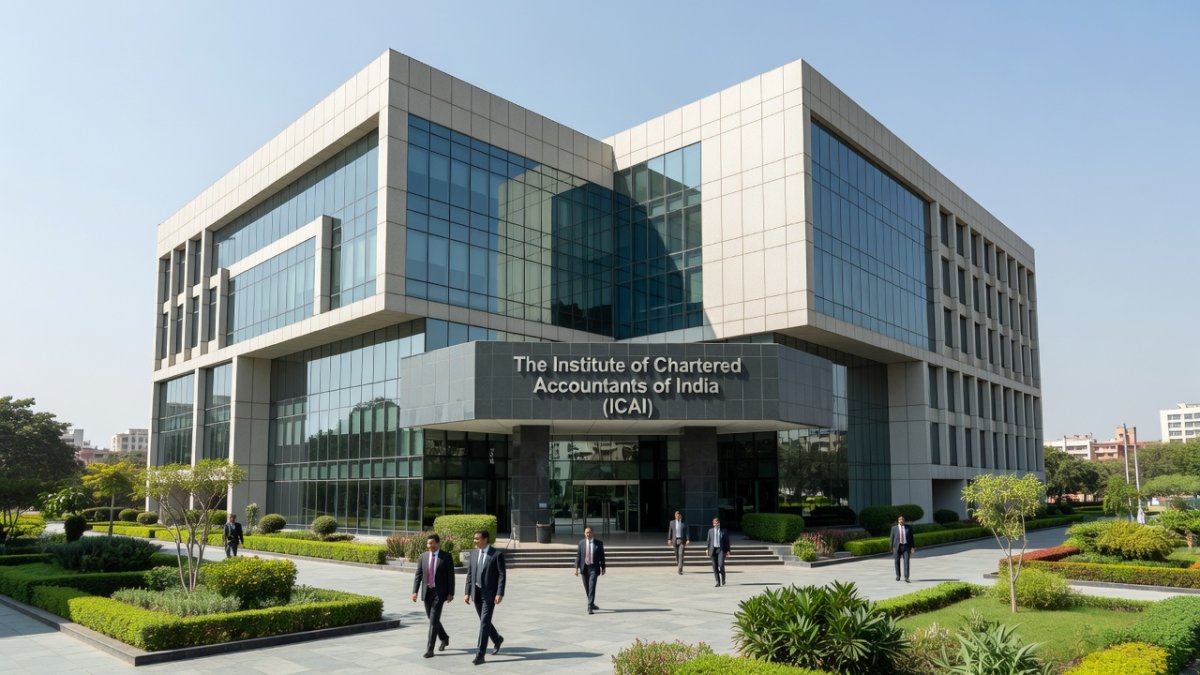
In India's fast-evolving economy, where regulatory overhauls and digital transformation are reshaping finance, the latest ICAI campus placements signal both opportunity and the intense selectivity of one of the world's toughest professional qualifications. With thousands of newly minted chartered accountants entering a market hungry for compliance and advisory expertise, the 65th programme underscores how policy shifts since 2016 have supercharged demand while exposing gaps in talent density compared to global peers.
ICAI 65th Placement: 5,339 New CA Roles Nationwide
New Delhi – July 28, 2026 — The Institute of Chartered Accountants of India has opened its 65th Campus Placement Programme, offering 5,339 vacancies to 6,399 registrants drawn from the 7,931 candidates who cleared the May 2026 CA Final examination, directly supporting India's expanding financial services sector under the Chartered Accountants Act, 1949.
Policy Reforms Driving Unprecedented CA Demand
Post-GST implementation in 2017 and the Insolvency and Bankruptcy Code of 2016, demand for chartered accountants in compliance, taxation and insolvency resolution has surged. The National Financial Reporting Authority, established in 2018, has further elevated audit quality standards, compelling companies to seek qualified professionals under the Companies Act for robust governance. These reforms have created structural needs that the current placement drive directly addresses, with 78 organisations posting roles across finance, taxation, audit, consulting, risk management, analytics, banking, manufacturing and IT.
The Rigorous CA Curriculum and Selectivity Challenges
The CA qualification comprises three levels—Foundation, Intermediate and Final—plus a mandatory three-year articleship, forming one of India's most demanding professional pathways. Pass rates at the Final level hover around 10-15 percent, placing selectivity on par with UPSC Civil Services or IIT-JEE. This intensity ensures only highly capable candidates qualify, yet it also creates bottlenecks that the ICAI placement programme helps mitigate by accelerating the transition from qualification to employment.
Record Scale of the 65th Campus Placement Programme
Physical interviews will span 29 centres nationwide, beginning in Delhi from August 3-7, followed by Mumbai and Pune (August 4-8), Kolkata (August 5-10), Ahmedabad, Bengaluru and Chennai (August 10-14), Hyderabad and Jaipur (August 11-17), plus Noida, Thane and 15 additional centres in September. This decentralised model reduces travel barriers for candidates from Uttar Pradesh, West Bengal, Rajasthan and southern states while aligning with ICAI's mandate to serve all regions.
Sectoral Breadth and Geographic Mobility Opportunities
Participating employers span banking, IT, manufacturing and emerging analytics domains, mirroring India's diversified GDP drivers. Young professionals from Maharashtra, Karnataka and Tamil Nadu benefit most immediately, yet the programme encourages mobility to growth hubs such as Hyderabad and Chennai. This breadth supports both individual careers and regional economic balance by channelling talent into sectors vital for financial inclusion and regulatory compliance.
Technology Integration and Skills Alignment
ICAI's digital platform integrates employer outreach, psychometric assessments, career counselling and capacity-building, enhanced by DigiLocker and National Skills Qualifications Framework compatibility. These tools efficiently match candidates to vacancies while identifying aptitude for risk and analytics roles increasingly required by banks and fintech firms, ensuring the pipeline remains responsive to technological shifts in financial services.
Compensation Benchmarks and ROI Versus Other Professions
In the preceding 63rd programme, over 2,570 candidates were placed with a highest domestic package of Rs 27.50 lakh per annum and average CTC of Rs 13.00 lakh. While MBA freshers from IIM Ahmedabad, Bangalore or Calcutta command Rs 25-35 lakh averages, CA training involves no tuition fees during articleship, where stipends range from Rs 10,000-25,000 monthly. This structure delivers strong employability ROI despite lower starting pay, especially when contrasted with India's low density of just 3.5 CAs per 100,000 population versus 35 in the UK and 45 in Australia.
The career trajectory for Chartered Accountants demonstrates robust long-term value when benchmarked against MBA graduates from premier institutions. After 5-7 years in Big 4 or corporate roles, CAs typically reach Rs 25-40 lakh, with CFO-track professionals at listed companies commanding Rs 50 lakh to over 1 crore after 10-15 years. This progression aligns with India's economic priorities under Budget 2026, which prioritises manufacturing expansion and financial inclusion, demanding sustained expertise in compliance and risk oversight. Unlike tech qualifications prone to rapid obsolescence, the CA credential maintains relevance across evolving regulatory landscapes.
The current cycle's 5,339 vacancies represent a 108% surge from the 2,570 placements in the 63rd programme, signalling accelerated demand across 78 organisations in nine sectors. This expansion reflects Budget 2026's focus on manufacturing, financial inclusion and compliance, which broadens CA roles beyond traditional audit and taxation into analytics, risk management and IT consulting. The shift underscores policy-driven growth in financial infrastructure, positioning the qualification as a strategic asset for sectors adapting to digital transformation and inclusive growth targets.

Strategic Implications for India's Professional Talent Pipeline
The 65th programme reinforces the CA qualification's enduring value amid evolving regulatory and economic priorities. By connecting rigorous training under the 1949 Act with immediate opportunities, ICAI bolsters both individual trajectories and national objectives for corporate governance, financial stability and inclusive growth. Sustained upward compensation trends and expanded sectoral reach suggest continued strengthening of this critical talent channel in the years ahead.
— By Dr. Raj Patel, Staff Writer
This article was produced with AI-assisted research and editorial support. Reporting is based on sources cited in the article.
What's Your Reaction?
 Like
0
Like
0
 Dislike
0
Dislike
0
 Love
0
Love
0
 Funny
0
Funny
0
 Wow
0
Wow
0
 Sad
0
Sad
0
 Angry
0
Angry
0

India/South Asia Correspondent at Global1.News. Analytical voice with a background in science and health journalism. Based in New Delhi, covering Indian politics, education, healthcare, technology, and policy. Breaks down complex data into clear, actionable reporting.















Comments (0)