
West Africa Signs Off $25bn Mega Gas Pipeline Plan
The signing of the Nigeria-Morocco Atlantic Gas Pipeline in Freetown marks a turning point for West Africa, where leaders have chosen cooperation over isolation to unlock shared energy wealth that could reshape daily life from Dakar’s markets to rural villages across the region. West Africa signs off $25bn mega gas-pipeline plan Dakar, Senegal — Article continues...
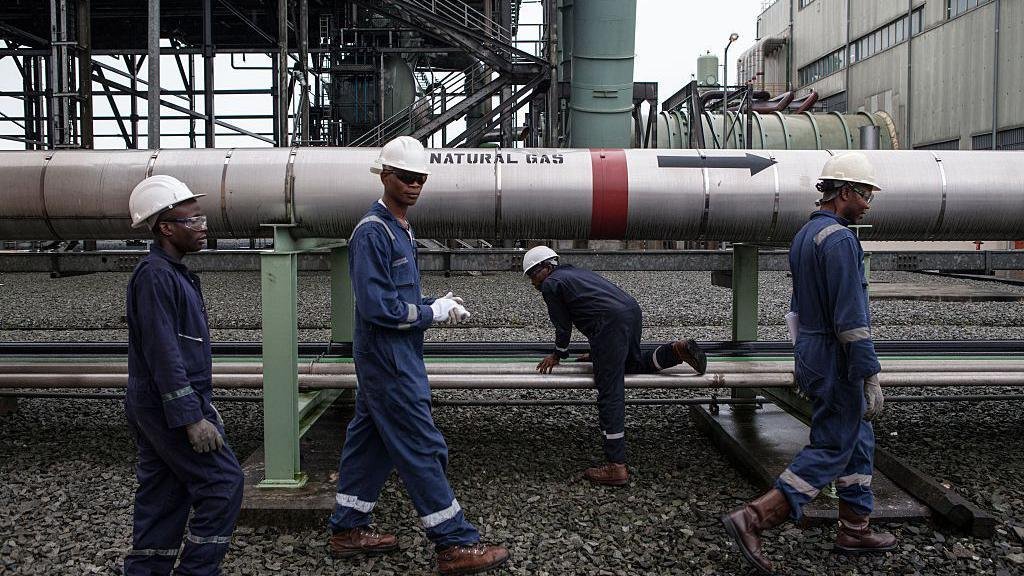
The signing of the Nigeria-Morocco Atlantic Gas Pipeline in Freetown marks a turning point for West Africa, where leaders have chosen cooperation over isolation to unlock shared energy wealth that could reshape daily life from Dakar’s markets to rural villages across the region.
West Africa signs off $25bn mega gas-pipeline plan
Dakar, Senegal — Article continues...
A Historic Agreement in Freetown
On July 19, 2026, West African leaders gathered in Freetown, Sierra Leone, to sign the Intergovernmental Agreement for the Nigeria-Morocco Atlantic Gas Pipeline. The ceremony, led by Ecowas under the chairmanship of Sierra Leone’s President Julius Maada Bio, brought together representatives from 14 nations along the Atlantic coast. President Bio captured the moment with a light remark: “Don’t be surprised when the gas comes your way.” This formal endorsement sets the stage for a project that has moved from decades of discussion to concrete action.
The road from the 2016 memorandum of understanding to this 2026 signing in Freetown was never straight. Funding gaps, shifting governments, and security worries along the Sahel delayed progress for years. Many wondered whether another grand African infrastructure dream would fade into reports. Yet Ecowas kept the talks alive, and the final signatures reflect hard-won patience rather than sudden goodwill.
The Pipeline Route and Senegal’s Place
The 6,000km pipeline will follow the Atlantic coastline, beginning with initial segments that link Morocco to gas fields in Mauritania and Senegal. Senegal’s offshore reserves, particularly through the Grand Tortue Ahmeyim project shared with Mauritania, position the country as an early beneficiary. Later phases will connect Ghana to Côte d’Ivoire and ultimately tie into Nigeria’s vast gas fields. For Senegalese communities, this means the pipeline passes directly through familiar coastal areas, bringing infrastructure that could support local industries without requiring distant processing abroad.
Construction Timeline and Scale
Work on the pipeline is scheduled to begin in 2028, with first gas from the initial phases expected in 2031. The total cost stands at $25 billion. The project is spearheaded by Morocco’s ONHYM and Nigeria’s NNPC, drawing on Nigeria’s proven natural gas reserves exceeding 200 trillion cubic feet. This timeline allows Senegal and neighboring countries time to prepare regulatory frameworks and workforce training programs that align with the construction phases.
Economic Implications Across West Africa
The pipeline promises to create an integrated regional natural gas market. It will support electricity generation, industrial growth, and the development of natural resources within the continent. Energy expert and former Nigerian government advisor Charles Majomi noted that current practices often see African gas extracted, refined abroad, and returned at three or four times the price. The new infrastructure aims to reverse that pattern by keeping more value on the continent, potentially lowering energy costs for factories and households alike.
In Dakar’s bustling markets, the promise of affordable fertilizer from the pipeline feels deeply personal. Senegalese farmers have long watched imported urea prices swing with global shocks, often leaving groundnut and millet fields underfed. With new petrochemical plants expected along the route in Senegal and Ghana, local production could cut costs by nearly a third, letting cooperatives invest in better seeds and irrigation pumps. The fertilizer and petrochemical sectors stand to gain most, while small manufacturers in Thiès and Kaolack could finally access reliable gas for ceramics and food processing instead of costly diesel generators.
Unlike the shorter West African Gas Pipeline that mainly served coastal power plants, this 6,000 km project opens wider industrial corridors. Mozambique’s LNG exports largely bypass the region, yet the Nigeria-Morocco line directly feeds intra-African demand. Under the AfCFTA framework, Senegalese urea could reach Mali and Burkina Faso without European middlemen, turning energy into a genuine trade multiplier. Early estimates suggest 15,000 direct construction jobs across the fourteen nations, with another 40,000 indirect roles in maintenance and logistics. Training centers in Dakar and Lagos will need to prepare welders, engineers, and safety technicians so that young people from our coastal villages do not watch outsiders fill these posts.
Shifting Energy Ties with Europe
Once complete, the pipeline will carry Nigerian gas to Morocco before connecting into Europe’s existing network through Spain. This direct link changes the traditional flow of resources. Instead of Africa exporting raw materials only to import finished products at higher costs, the project opens a corridor that positions West Africa as a supplier to international markets on more equal terms. For Senegal, this connection could strengthen trade relationships while reducing reliance on imported fuels that strain national budgets.
Europe’s scramble for non-Russian gas after the Ukraine conflict has turned West African reserves into strategic assets. Morocco’s position at the pipeline’s northern end offers a steady route into Spain and Portugal, complementing existing LNG cargoes from Tortue FLNG. While Mozambique’s projects focus on Asian buyers, this Atlantic line gives European utilities a shorter, pipeline-based supply that avoids long sea voyages. The shift creates new leverage for our governments, allowing them to negotiate better terms rather than accepting whatever price is offered.
Morocco’s role as gateway carries its own history. The pipeline’s final stretch passes near disputed Western Sahara waters, reminding us that energy routes often follow old political fault lines. Yet the project also shows how African states can set their own conditions. Senegal and Mauritania, as early producers, gain influence in pricing discussions that once happened only in European capitals. This is not simply about selling molecules north; it is about deciding how much stays home to power our own factories and kitchens first.
Key Organizations and Leadership
Ecowas provided the political framework that made the agreement possible. ONHYM and NNPC lead the technical and commercial aspects, while Senegal’s involvement in the Grand Tortue Ahmeyim project adds regional momentum. President Julius Maada Bio’s role as current Ecowas chair helped bring the signing to Freetown. These institutions have worked across borders to align interests, showing how coordinated governance can advance large-scale infrastructure that individual nations might struggle to fund alone.
Impact on Daily Life in Senegal and Beyond
Ordinary West Africans stand to gain from more reliable electricity and new job opportunities in construction, maintenance, and related industries. In Senegal, cheaper and steadier gas supplies could support small businesses, improve cold storage for fish markets, and power irrigation systems in agricultural zones. The project also carries cultural weight, as shared resources across borders echo long-standing traditions of regional exchange and mutual support that predate modern nation-states.
Along the Petite Côte, fishing communities in Mbour and Joal watch the pipeline route with quiet hope. Cold-storage warehouses powered by local gas could keep their catch fresh for markets in Dakar and Bamako instead of spoiling on the roadside. Women who sell smoked fish from wooden stalls would no longer lose half their stock to heat. The same gas could run small ice plants that currently rely on expensive imported fuel, giving families steadier income through the lean season.
Inland, farmers near Saint-Louis speak of cheaper fertilizer and reliable electricity for irrigation pumps. When the cost of a bag of urea drops, a groundnut grower can plant an extra hectare. These changes echo across borders. The pipeline reminds us that colonial maps once divided us, yet the Atlantic coastline has always connected fishing villages from Dakar to Lagos. Cooperation on shared energy revives that older sense of belonging, turning the sea into a thread rather than a barrier.
Looking Toward Regional Strength
Beyond immediate energy needs, the pipeline signals a broader shift in how West Africa engages with the world. By building an internal market first, the region strengthens its collective position in global energy discussions. Senegal, as one of the 14 participating countries, will play a visible role in demonstrating that African-led projects can deliver both local benefits and international connections. The coming years will test how effectively governments translate this agreement into tangible improvements for their citizens.
By Amara Diop, Staff WriterThis article was produced with AI-assisted research and editorial support. Reporting is based on sources cited in the article.
What's Your Reaction?
 Like
0
Like
0
 Dislike
0
Dislike
0
 Love
0
Love
0
 Funny
0
Funny
0
 Wow
0
Wow
0
 Sad
0
Sad
0
 Angry
0
Angry
0

West Africa/Sahel Correspondent at Global1.News. Dakar-based journalist covering politics, security, climate, and development across Francophone and Anglophone West Africa. Tells the stories of a region undergoing profound transformation.











Comments (0)