
2 Filipino Seafarers Killed, 12 Injured in Black Sea Drone Attacks
Two Filipino seafarers killed, 12 injured in Black Sea drone attacks. DMW Secretary Hans Leo Cacdac confirms nine vessels hit. OWWA provides death benefits up to 1 million pesos for families as the Philippines coordinates aid for affected OFW seafarers.
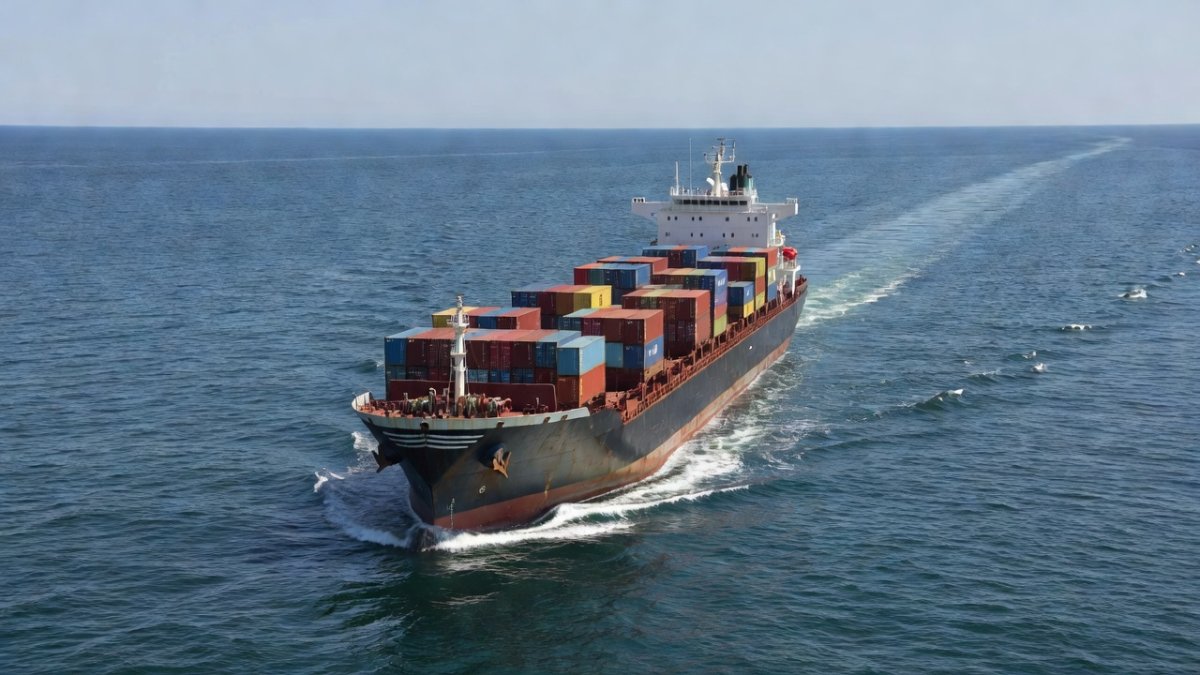
2 Filipino Seafarers Killed, 12 Injured in Black Sea Drone Attacks
The news reached families in coastal towns and city barangays across the Philippines early this week. Two Filipino seafarers lost their lives, twelve others suffered injuries, and one remains missing after drone strikes hit commercial vessels in the northern Black Sea. The Department of Migrant Workers confirmed the details on July 20, 2026, underscoring once more the quiet courage of our kababayan who sail the world's most dangerous waters to provide for loved ones back home.
Families Wait in Anguish Across the Philippines
In homes from Cebu to Davao, wives, children, and parents now face an uncertain future after learning of the attacks. The identities of the victims remain withheld until their families receive proper notification, a standard practice that still stretches every hour into days of worry. One seafarer’s wife in a small sari-sari store in Batangas described the daily ritual of checking her phone, hoping for any word while neighbors drop by with food and prayers. These families embody the heart of our OFW communities, where every deployment carries the weight of dreams for better education and brighter futures for the next generation.
The missing seafarer’s relatives in a coastal barangay have gathered daily at the local church, drawing strength from shared stories of past voyages. Their vigil reflects the deep human cost when conflict zones claim our workers, reminding everyone that behind every statistic stands a household whose stability rests on the safe return of a loved one.
DMW Leads Coordinated Response with DFA and OWWA
DMW Secretary Hans Leo Cacdac has directed immediate assistance, working closely with the Department of Foreign Affairs and the Overseas Workers Welfare Administration to support the affected seafarers and their kin. Teams are reaching out through Philippine embassies, shipping companies, and manning agencies to ensure medical care for the injured and continued search operations for the missing crew member. This swift action highlights the government’s commitment to protecting those who serve on the front lines of global trade.
OWWA welfare officers have begun preparing financial aid packages and counseling services for the families, recognizing that grief often arrives alongside practical burdens like unpaid bills and school fees. The collaboration between these agencies shows how Philippine institutions stand ready to extend bayanihan in times of crisis, bridging distances between Manila and distant ports.
The Department of Migrant Workers has stepped forward with the Department of Foreign Affairs and the Overseas Workers Welfare Administration to coordinate swift help when tragedy strikes. OWWA stands ready with death benefits reaching up to 1 million pesos for families of those killed, plus injury compensation and burial assistance that covers immediate funeral costs. The DFA handles the sensitive task of repatriating remains and works with foreign governments to secure necessary documents, ensuring our fallen seafarers come home with dignity. Manning agencies carry legal duties to process insurance claims promptly and maintain deployment standards that prioritize safety briefings before any voyage.
Congress has also taken notice, with Senate inquiries and House resolutions examining Black Sea safety protocols to push for stronger protections. These efforts reflect a national commitment to stand beside every seafarer and their family during uncertain times.
Seafarers Face Heightened Risks in Conflict Waters
The northern Black Sea carries the designation of a war-like operations area from the International Bargaining Forum, granting seafarers the right to decline assignments without penalty while providing extra compensation and insurance protections for those who proceed. Yet thousands of Filipinos, who form roughly one-quarter of the world’s seafaring workforce, continue to sail these routes because the economic pull remains strong for their families. Cacdac confirmed to reporters that nine vessels carrying Filipino crew have faced attacks while transiting the northern Black Sea or docking in southern Ukraine as of July 20, 2026.
Many seafarers weigh these dangers against the income that supports entire communities back home. The attacks serve as a stark reminder that commercial shipping now intersects directly with ongoing hostilities, forcing workers to navigate not only waves but also the unpredictable reach of long-range drones.
The International Bargaining Forum designates the northern Black Sea as a war-like operations area, granting seafarers double the basic wage, enhanced death and disability insurance, and the right to refuse deployment without penalty. Yet the economic pull remains strong. The average Filipino seafarer earns between $500 and $1,200 monthly depending on rank — sums that support entire households and send children to school. Roughly 400,000 to 500,000 of our countrymen work as seafarers worldwide, forming a quiet backbone of global trade. On July 8, according to PhilStar reports, a drone attack on the Cameroon-flagged oil tanker M/V Blue with its 18 Filipino crew caused a fire that damaged the stern and engine room. Those seafarers returned to the Philippines on July 16. Families wait by the phone, praying for safe return, while these workers continue because the remittances they send sustain dreams larger than the risks they face.
Bayanihan Spirit Unites Communities in Support
Across the Philippines, barangay captains and local organizations have mobilized to assist affected families, echoing the traditional spirit of bayanihan where neighbors lift one another during hardship. In provinces with large numbers of seafarers, community kitchens have opened, and jeepney drivers have offered free rides to relatives traveling for updates. These grassroots efforts complement official channels, showing how Filipino resilience turns collective sorrow into shared strength.
Fiesta traditions in some towns have been redirected toward fundraising drives, with proceeds earmarked for the injured crew members’ recovery and the missing seafarer’s search. Such acts of solidarity reinforce the cultural bonds that sustain OFWs through separation and uncertainty, proving that no family stands alone when tragedy strikes.
Practical Implications for Seafarers and the Industry
The incidents carry direct consequences for Filipino maritime workers and their employers. Shipping companies must now reassess routes, with many opting to reroute vessels away from high-risk zones to protect crew and cargo. Insurance premiums have climbed, adding pressure on manning agencies that recruit and deploy our seafarers. Families may see changes in deployment policies, including clearer options to refuse hazardous assignments while retaining full benefits.
For the broader economy, disrupted grain exports from the region ripple outward, affecting global food prices that eventually touch Filipino households. Seafarers who continue sailing these waters gain enhanced protections, yet the emotional toll on those left behind grows heavier with each report of new strikes. The industry faces calls to strengthen onboard security measures and improve real-time communication with families during emergencies.
The ripple effects of conflict zones reach far beyond individual ships. Ukrainian grain exports have faced repeated disruptions, driving up global food prices and forcing shipping companies to pay higher insurance premiums or take longer routes around safer waters. These added costs ultimately touch every Filipino household through higher prices at the market. In 2025 alone, our seafarers sent home approximately $7 billion in remittances, money that builds homes, funds education, and keeps local economies alive in towns across the archipelago.
The Philippine government has issued updated deployment advisories for the Black Sea, urging caution and requiring manning agencies to secure explicit consent from crew members. Internationally, the International Maritime Organization and International Labour Organization continue to press flag states to uphold crew safety obligations, reminding all parties that the lives of Filipino seafarers are not expendable in the pursuit of trade.
Looking Ahead with Hope and Resolve
As search efforts persist for the missing seafarer, the focus remains on healing and prevention. The DMW continues to monitor developments while urging shipping firms to prioritize crew safety above schedules. Communities across the archipelago stand ready to welcome home those who return, offering the same warmth that defines Filipino hospitality even in the face of loss.
Every safe voyage strengthens the ties binding the Philippines to the wider world. Through government action and community support, the nation moves forward, honoring the sacrifices of those who sail so that future generations may find calmer seas.
By Bella Reyes, Staff WriterThis article was produced with AI-assisted research and editorial support. Reporting is based on sources cited in the article.
What's Your Reaction?
 Like
0
Like
0
 Dislike
0
Dislike
0
 Love
0
Love
0
 Funny
0
Funny
0
 Wow
0
Wow
0
 Sad
0
Sad
0
 Angry
0
Angry
0

Philippines/Southeast Asia Correspondent at Global1.News. Manila-based journalist covering Philippine politics, environment, maritime security, and social issues. Passionate about marine conservation and the communities protecting the Philippines' natural heritage.













Comments (0)