
Junior Springboks Clinch Back-to-Back JWC 2026 Titles
The Night the Junior Springboks Made History Again The Junior Springboks etched their names deeper into rugby folklore on Saturday, 18 July 2026, when they defeated France 16-5 in the Junior World Championship final at Mikheil Meskhi Stadium in Tbilisi, Georgia. This victory marked their second consecutive title and placed them alongside New Zealand, England and France as only the fourth team to achieve back-to-back success in the tournament’s history.

The Night the Junior Springboks Made History Again
The Junior Springboks etched their names deeper into rugby folklore on Saturday, 18 July 2026, when they defeated France 16-5 in the Junior World Championship final at Mikheil Meskhi Stadium in Tbilisi, Georgia. This victory marked their second consecutive title and placed them alongside New Zealand, England and France as only the fourth team to achieve back-to-back success in the tournament’s history.
From the opening whistle the atmosphere carried the unmistakable energy of South African rugby pride. The team wore black armbands in memory of former U18 prop Luqobo Makwedini, who passed away on 10 July, adding a layer of emotional weight to an already charged occasion.
How the Final Unfolded in Tbilisi
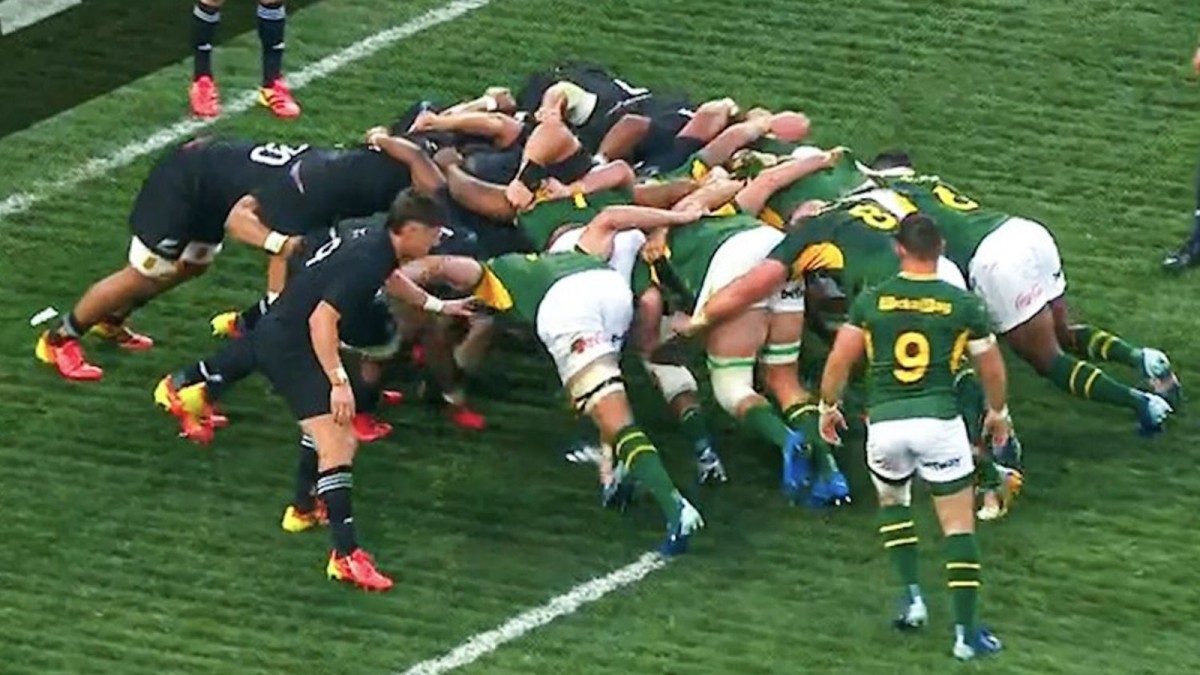
France struck first through flanker Raphael Audebert’s try in the opening half, using their trademark flair and big physical presence to test every inch of the South African defence. The Junior Springboks refused to panic. They absorbed the pressure, held their shape, and waited for the right moments to strike back. Markus Muller crossed for South Africa’s lone try, while flyhalf Yaqeen Ahmed contributed 11 points through penalties and conversions to secure the 16-5 win. The set-piece work gave them a solid platform, allowing them to control territory when it mattered most.
This result extended South Africa’s remarkable run to 11 consecutive Junior World Championship victories, underlining a level of consistency rarely seen at this age-group level. France threw everything at them, but the Junior Springboks’ discipline and clinical finishing turned a tight contest into a statement win. Every tackle, every scrum, every penalty kick carried extra meaning because of the black armbands. The result was not just about the scoreline; it was about a team that knows how to win ugly and still look composed doing it.
Captain and Coach Reflect on Back-to-Back Glory
Captain Siphosethu Mnebelele, who also lifted the trophy in 2025, summed up the moment with characteristic understatement: “flipping great feeling.” His leadership has been central to the side’s success across two campaigns.
Head coach Kevin Foote praised the opposition while highlighting his team’s character. “France played with their usual flair and they were also big and physical, so we had to soak that up. But that’s the story of this team — they never give up and it means everything to us and our country. Rugby is in a very special place in South Africa now and we’re very lucky to represent them — to go back-to-back is very special so I’m very grateful.”
Third Place and Other Standout Performances
Elsewhere in the tournament, New Zealand defeated England 41-26 to claim third place, while Scotland matched their best-ever finish by securing fifth spot. These results provided context for the depth of global talent, yet the Junior Springboks remained the standout story.
Link to the Senior Springboks Dynasty
This back-to-back triumph forms part of a broader narrative in South African rugby. The senior Springboks have dominated the international stage in recent years, and the junior side’s success signals that the pipeline remains strong. The same values of physicality, tactical discipline and never-say-die spirit that define the senior team are clearly being instilled at the under-20 level.
Transformation continues to shape this golden era. Players from diverse backgrounds are rising through the ranks, ensuring that the national teams reflect the full spectrum of South African society. The Junior Springboks’ achievements reinforce the message that investment in grassroots structures and schoolboy rugby is paying dividends. The senior team’s recent dominance has created a standard that these youngsters are already matching. When the values of hard work and unity are instilled at under-20 level, the transition to higher honours becomes natural. This is how dynasties are built – not just with one great team, but with a system that keeps producing the next one.
What This Means for the Future of SA Rugby
Back-to-back titles do more than add silverware; they build belief that lasts. Young players who tasted victory in 2025 and repeated the feat in 2026 now carry the quiet confidence that they belong at the highest level. Several members of this group will soon transition into senior provincial and franchise rugby, feeding directly into the Springboks setup with the experience of having won under pressure.
The victory strengthens the entire recruitment pipeline. Schoolboy rugby systems across the country see tangible proof that their hard work is producing champions, encouraging more youngsters to stay in the game and aim higher. Fans from Cape Town to Durban and Johannesburg to Bloemfontein can see the future taking shape. With the senior side setting standards and the junior side matching that excellence, South Africa’s rugby culture continues to thrive. The next generation is already carrying the flame forward, ready to keep the golden era alive for years to come.
The 2026 Junior World Championship campaign will be remembered not only for the scoreline but for the character displayed under pressure. As the players return home, they do so as champions who have written another proud chapter in South African sporting history.
Tags: Junior Springboks, JWC 2026, Siphosethu Mnebelele, Kevin Foote, Springboks, South African rugby, transformation, Tbilisi final
By Dante Williams, Staff Writer
This article was produced with AI-assisted research and editorial support. Reporting is based on sources cited in the article.
What's Your Reaction?
 Like
0
Like
0
 Dislike
0
Dislike
0
 Love
0
Love
0
 Funny
0
Funny
0
 Wow
0
Wow
0
 Sad
0
Sad
0
 Angry
0
Angry
0

Breaking News and Investigations Correspondent at Global1.News. Based in London, covering global breaking news, security, and investigative stories. Known for digging deeper and connecting the dots across continents.










Comments (0)