
Zacatecas Mass Killings: 10 Bodies Found, Ex-Mayor Among Victims as Officials Probe Extortion
In a brutal reminder of how cartel rivalries continue to tear at the heart of Zacatecas, authorities recovered ten bodies along Federal Highway 54 on July 18, 2026, with former Sombrerete mayor Ignacio Castrejón among those identified, as investigators turn their focus to an extortion ring that may have reached into local government offices.
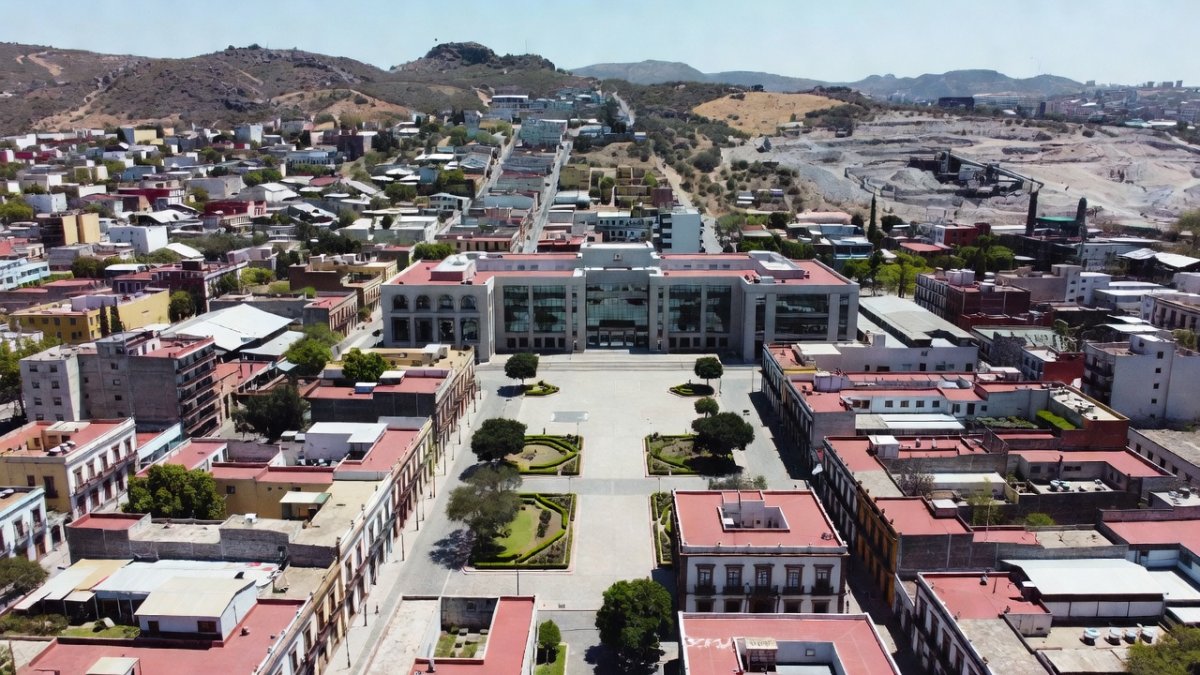
In a brutal reminder of how cartel rivalries continue to tear at the heart of Zacatecas, authorities recovered ten bodies along Federal Highway 54 on July 18, 2026, with former Sombrerete mayor Ignacio Castrejón among those identified, as investigators turn their focus to an extortion ring that may have reached into local government offices.
Zacatecas Mass Killings: 10 Bodies Found, Ex-Mayor Among Victims as Officials Probe Extortion
Bodies Recovered Along Federal Highway 54
The discovery of ten bodies across three Zacatecas municipalities has shaken residents already accustomed to the shadow of cartel disputes. On July 18, 2026, authorities recovered the remains of ten men from sites along Federal Highway 54, including five found hanging from a bridge in Pánuco. Among those identified stands former Sombrerete mayor Ignacio Castrejón, whose death has drawn renewed attention to how violence touches both public figures and everyday families in the state.
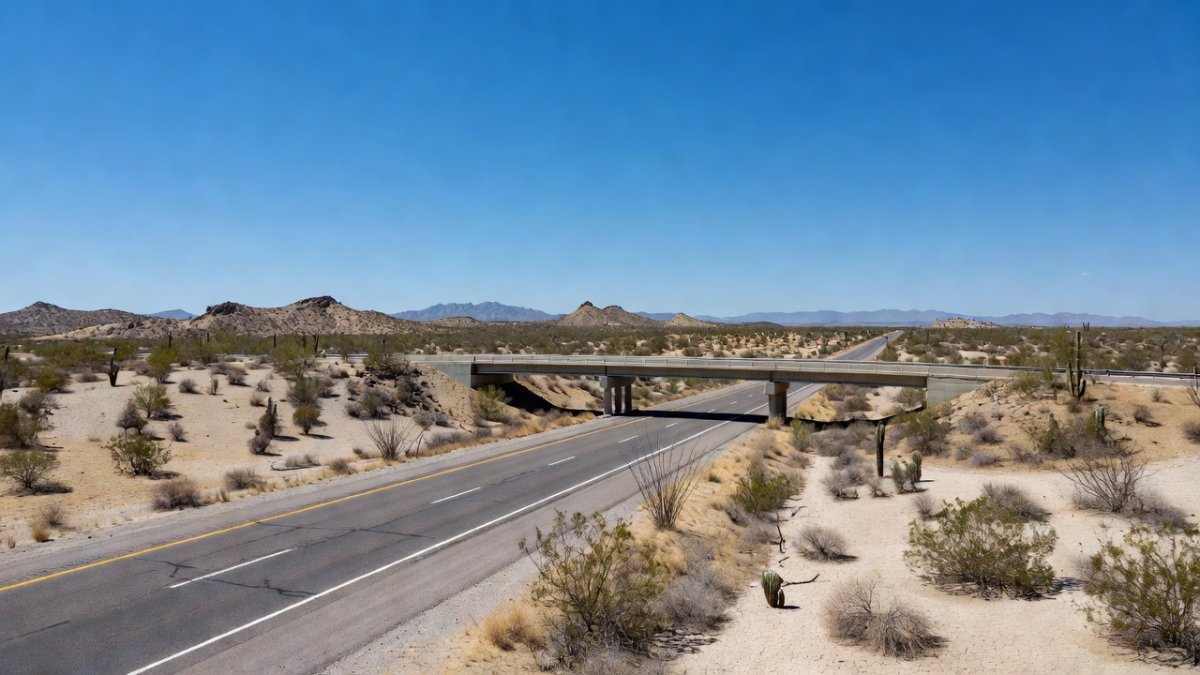
State investigators located five victims hanging from the highway bridge at Pozo de Gamboa in Pánuco municipality. The remaining five were found on the roadside near Morelos municipality and in Sain Alto. All ten were men, and officials have confirmed that eight died by strangulation.
The placements along the same federal route suggest a coordinated display intended to send a message. Families in nearby colonias learned of the findings through local radio and word of mouth, prompting many to keep children indoors and avoid travel on the highway that day.
Residents who travel the route regularly for work in Fresnillo or to visit relatives described the shock of seeing the site cordoned off. The highway serves as a vital link for farmers transporting produce and for small business owners moving goods between towns. Local tianguis vendors reported fewer customers in the days following the discovery, as fear kept many families at home rather than venturing out for weekly shopping.
Former Mayor Among Those Identified
Ignacio Castrejón, who previously served as mayor of Sombrerete in northwestern Zacatecas, was confirmed among the victims. His background in local government has placed additional focus on whether political connections played any role in the killings.
Neighbors in Sombrerete recalled Castrejón as a familiar face at community events and town meetings. His death has left former colleagues and residents wondering how someone once elected to protect the area could become a target.
The identification process continues for the other nine victims, with authorities working to notify families. Relatives in rural communities often wait days for confirmation, adding to the emotional strain already felt across the region.
Teachers and local health workers in the area have noted increased requests for counseling among students and patients who knew the victims or feared similar violence could reach their own households.
Two Lines of Inquiry Underway
The Fiscalía General de Justicia del Estado de Zacatecas has stated it is pursuing an extortion ring that may have targeted local business owners. Investigators are also examining possible collusion by public officials, with attention centered on the Fresnillo area.
These dual tracks reflect patterns seen in other parts of northern Mexico where criminal groups seek both money and influence inside municipal offices. Ordinary shopkeepers and ejido members worry that any official involvement could make reporting crimes even riskier.
State prosecutors have not released further operational details at this stage. Families in affected municipalities continue to ask when they might receive clearer updates on whether loved ones were caught in the alleged extortion scheme.
Small business owners along the highway corridor have begun comparing notes about recent demands for payments, though many remain reluctant to speak openly until the investigation advances.
State and Federal Officials Respond
Rodrigo Reyes Mugüerza, Secretary of Government of Zacatecas, publicly confirmed the discoveries. His statements emphasized coordination with municipal authorities in the three affected areas.
The federal Security Cabinet reported it is maintaining contact with the state government and the state Attorney General's Office. This level of coordination reflects the ongoing involvement of federal forces in states facing intense cartel pressure.
Residents note that such announcements often bring temporary increases in patrols, yet daily life in colonias and on ejidos returns to cautious routines once the immediate attention fades. Healthcare workers at local clinics report patients expressing both relief and lingering anxiety.
Municipal leaders in Pánuco, Morelos, and Sain Alto have been asked to assist with information gathering while state investigators continue their work.
Cartel Disputes Fuel Ongoing Violence
Zacatecas remains caught between the Sinaloa Cartel and the Jalisco New Generation Cartel as they fight for control of routes leading to the United States border. These confrontations have produced repeated spikes in killings over recent years. The Sinaloa Cartel and Jalisco New Generation Cartel have battled for Zacatecas since around 2018, turning the state into a key corridor for moving fentanyl and other drugs north along Federal Highway 54 toward Texas border crossings.
This route once carried mostly marijuana and heroin, but analysts note it now handles a larger share of synthetic opioids, making control worth the bloodshed. Homicide rates in Zacatecas jumped from roughly 25 per 100,000 residents in 2017 to over 60 per 100,000 by 2022, with clusters of bodies left along highways mirroring the July 18 discoveries. Security expert Eduardo Guerrero of Lantia Consultores has described these displays as deliberate "narcomensajes" meant to intimidate rivals and local officials alike.
Previous spikes, such as the 2021 clashes that left more than 200 dead in just a few months, show how quickly the fighting spreads from rural ejidos to towns like Fresnillo and Sombrerete. Farmers and truckers who move silver, beans, and cattle along the same roads must now factor in sudden roadblocks and extortion demands that cut into already thin profit margins.
Campesinos who transport goods along Federal Highway 54 describe checkpoints that appear and disappear with little warning. Teachers traveling to rural schools and nurses serving ISSSTE clinics often weigh the risks before leaving home. The economic weight of lost workdays and higher security costs adds pressure on families who have called these valleys home for generations, reminding everyone that the violence is not abstract but tied directly to the land and the routes that cross it.
Indigenous communities in the state have reported similar pressures, with some families choosing to send younger members to stay with relatives in safer areas during periods of heightened tension. The human cost extends beyond the victims themselves to the broader network of relatives who must now arrange burials and cope with lost income.
Effects on Families and Daily Life
In colonias near the discovery sites, parents have adjusted school drop-off routines and limited evening gatherings. Quinceañera planning has slowed in several towns as families prioritize safety over celebrations.
When violence flares, families in colonias near Pánuco and Morelos stretch limited resources by sharing childcare and pooling money for groceries, often relying on relatives who still have steady work in the mines or maquiladoras. Local commerce suffers immediately: tianguis vendors and small tortillerías see sales drop 30 to 40 percent in the days after incidents, forcing owners to reduce hours or let go of part-time help.
Small taquería and tortillería owners report reduced evening sales, with customers preferring to eat at home. This drop in foot traffic affects the modest earnings that support many households. Children absorb the tension, with teachers reporting more nightmares, withdrawal, and difficulty concentrating in classrooms that once echoed with laughter during recess.
Community radio stations have aired messages urging residents to report suspicious activity while also reminding listeners of available support services through state programs. Local priests and community leaders have organized additional prayer gatherings to comfort grieving families. Community networks step in with quiet strength, as neighbors organize rides to school and check on elderly residents who live alone.
Healthcare workers at IMSS facilities note a rise in stress-related visits, underscoring how violence ripples outward from the immediate crime scenes into everyday medical needs. Traditional celebrations like quinceañeras and Día de los Muertos gatherings are scaled back or moved indoors, yet the spirit of togetherness persists through shared prayers and potluck meals that keep bonds alive. Healthcare workers at IMSS clinics see rising cases of anxiety and stomach ailments among adults, while priests and local women's groups offer listening circles that help families voice fears without shame.
Community Resilience and Next Steps
Despite the fear, residents continue to organize neighborhood watches and share information through trusted local channels. These efforts reflect the long-standing practice of mutual support that has helped Mexican communities endure periods of insecurity.
Residents have formed neighborhood watch groups that coordinate with trusted local leaders to share real-time alerts about suspicious vehicles or new checkpoints, drawing on the same mutual-aid traditions that helped communities survive earlier waves of insecurity. Churches play a central role by opening their doors for evening rosaries and providing food baskets to families who lost breadwinners, while civil society organizations such as local human-rights collectives push for better victim-support programs and transparent investigations.
State investigators have indicated they will provide updates as the cases progress. Families affected by the July 18 discoveries await any information that might bring clarity and, eventually, a measure of justice. These grassroots efforts fill gaps left by stretched state resources and give people a sense of agency in their own safety.
The broader conversation in Zacatecas now centers on how ordinary citizens can protect their livelihoods while authorities address both the criminal networks and any official involvement that may have allowed the violence to continue. Long-term change requires addressing root causes: stronger vetting of municipal police to root out collusion, investment in youth job programs that steer young men away from cartel recruitment, and federal support for rural economies so families are not forced to choose between silence and survival.
Analysts emphasize that lasting peace will come only when communities, churches, and honest officials work together to rebuild trust and offer real alternatives to the cycle of violence that has shadowed Zacatecas for too long. Families affected by the July 18 killings continue to hope these steps will finally bring both justice and a safer future for their children.
By Rosa Martinez, Staff Writer
This article was produced with AI-assisted research and editorial support. Reporting is based on sources cited in the article.
What's Your Reaction?
 Like
0
Like
0
 Dislike
0
Dislike
0
 Love
0
Love
0
 Funny
0
Funny
0
 Wow
0
Wow
0
 Sad
0
Sad
0
 Angry
0
Angry
0

Latin America/Andes Correspondent at Global1.News. Based in Bogota, covering politics, environment, energy, and social movements across the Andean region. Passionate about environmental journalism and communities protecting their land.










Comments (0)