
COP30 Amazon Summit: Climate Finance Promises Fall Short
Intro: Indigenous protesters stormed the COP30 venue in Belém, their chants echoing through the Amazon as they demanded stronger protections, while developed nations left the $1.3 trillion annual climate finance target largely unmet. Six months later, deforestation had plunged dramatically—Brazil recorded a 50% reduction from the 2022 peak, with just 5,800 km² lost in 2025—yet
Amazon Nations Confront Broken Climate Pledges as Deforestation Falls but Finance Stalls
Belém, Pará – Brazil, June 18, 2026 —
The Amazon Summit's Core Demand
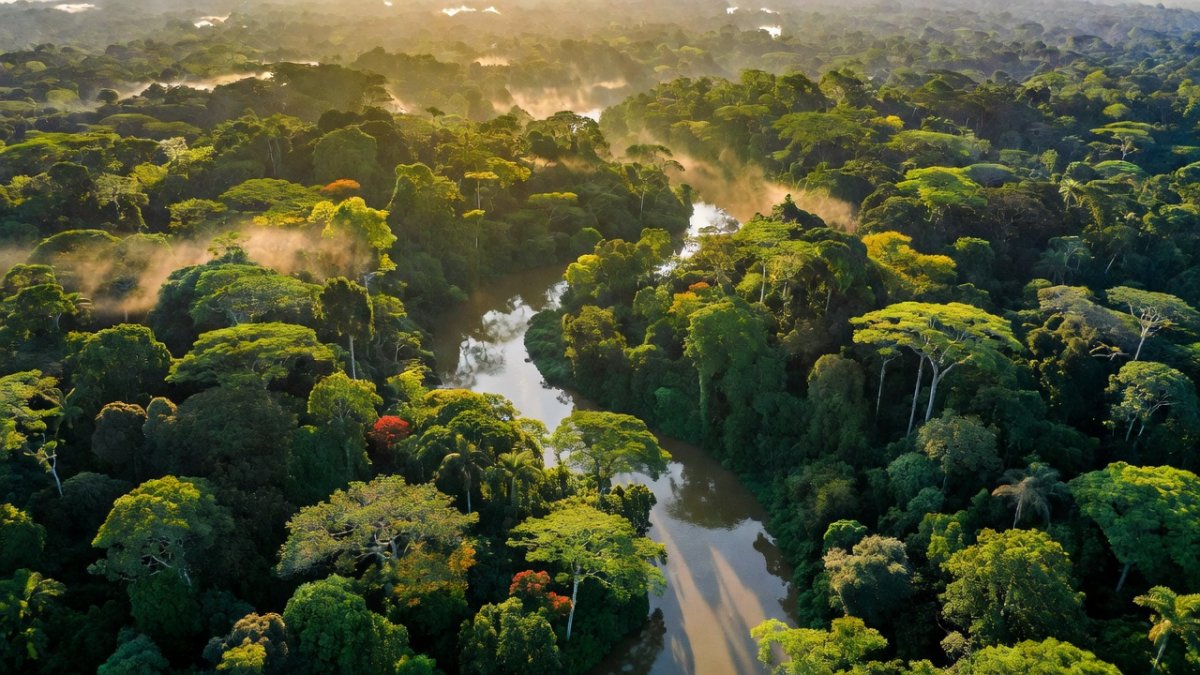
COP30, hosted in Belém in November 2025 deep within the Brazilian Amazon, marked a historic turning point for Latin America. For the first time, the global climate negotiations unfolded amid the very forests whose survival they sought to secure. Brazil positioned the summit as a platform to demand that wealthy nations honor long-standing climate finance commitments, emphasizing that the Amazon's role in regulating global climate and biodiversity cannot be undervalued. The gathering drew leaders from across the region, underscoring how ecosystems spanning Brazil, Colombia, Peru, and beyond face mounting pressures from both deforestation and insufficient international support.
The core demand centered on delivering the promised $1.3 trillion per year in climate finance, a figure repeatedly endorsed at prior COP meetings yet consistently underdelivered. Brazilian officials, including Environment Minister Marina Silva, highlighted how past surges in forest loss under the Bolsonaro administration had been reversed through restored governance under President Lula. This context gave Brazil moral leverage, as the summit exposed the disconnect between rhetoric from developed countries and tangible transfers to protect tropical forests that absorb vast amounts of carbon dioxide. Indigenous voices amplified calls for direct funding, framing the Amazon not merely as a carbon sink but as ancestral territory vital to cultural survival and regional stability.
What Was Promised — and What Arrived
Specific pledges emerged from COP30, offering partial progress amid broader shortfalls. Germany committed €1 billion to Brazil's Amazon Fund, while Norway pledged up to $3 billion for the Tropical Forests Forever Facility. The TFFF itself launched with $5.5 billion in initial commitments, targeting protection across 1.2 billion hectares in more than 70 countries. Colombia's President Gustavo Petro proposed a collective $500 billion investment in clean energy infrastructure, aiming to accelerate the shift away from fossil fuels throughout Latin America. Fifty-three countries endorsed the TFFF framework, and the EU voiced support for Brazil's carbon pricing mechanisms and forest protection leadership.
Yet the $1.3 trillion annual target remains unmet, with most arriving finance structured as loans rather than grants. The Amazon Fund also received a $500 million pledge from the United States, though disbursement has been only partial. Norway's model involves payments to the TFFF through 2035, with repayment stretching to 2075, illustrating how even positive contributions carry long-term financial strings. These mechanisms fall short of the grant-based support demanded by developing nations, leaving Latin American economies to shoulder additional costs while safeguarding forests that benefit the entire planet. Implementation of these pledges will determine whether COP30 translates into lasting protection or remains symbolic.
Deforestation: The Numbers That Give Brazil Leverage
Brazil's Amazon deforestation data provided concrete leverage at and after COP30. Forest loss dropped 50% from the 2022 peak through 2025, reaching approximately 5,800 km² that year. A May 2026 reading showed a 61.4% decline—the largest monthly reduction on record—while the August 2025 to May 2026 period registered a 31-37.5% drop, marking a record low for that seasonal window. Brazil's total Amazon forest cover loss stands at roughly 851,000 km², or 21% of the original 4.1 million km², underscoring both the scale of historical damage and the urgency of sustained action.
Enforcement by IBAMA and ICMBio received credit for these declines, reversing Bolsonaro-era surges through strengthened environmental governance under the Lula administration. Brazil has set a target of zero illegal deforestation by 2030, aligning with broader regional efforts to preserve the Amazon's role in water cycles, biodiversity, and carbon sequestration. These measurable results strengthened Brazil's negotiating position, demonstrating that domestic policy can deliver when paired with adequate resources. Yet without scaled-up international finance, maintaining such momentum across Latin America's shared ecosystems remains precarious, as neighboring countries face similar threats from agricultural expansion and illegal mining.
The Finance Gap: Loans vs Grants
The persistent gap between the $1.3 trillion yearly climate finance target and actual disbursements reveals systemic inequities. Most funds arrive as loans instead of grants, imposing a "climate premium" through elevated borrowing costs that strain already vulnerable Latin American economies. Developing nations at COP30 argued forcefully for grant-based mechanisms that recognize historical emissions by wealthy countries, yet the draft text omitted any firm commitment to fossil fuel phase-out, diluting the summit's ambition. This structure perpetuates debt cycles rather than enabling transformative investments in forest protection and clean energy.
Colombia's Petro proposal for $500 billion in collective clean energy spending highlighted the scale required, yet follow-through has been limited. The TFFF's $5.5 billion launch, while significant, represents only a fraction of needs across 70-plus countries. Germany's €1 billion to the Amazon Fund and Norway's up to $3 billion commitment provide targeted relief, but broader flows remain inadequate. Latin American leaders stressed that grants would allow communities to invest directly in sustainable livelihoods without adding to national debt burdens, a point reinforced by the reality that forests in Brazil, Colombia, and Peru deliver global climate benefits far exceeding local compensation received to date.
Voices from the Ground
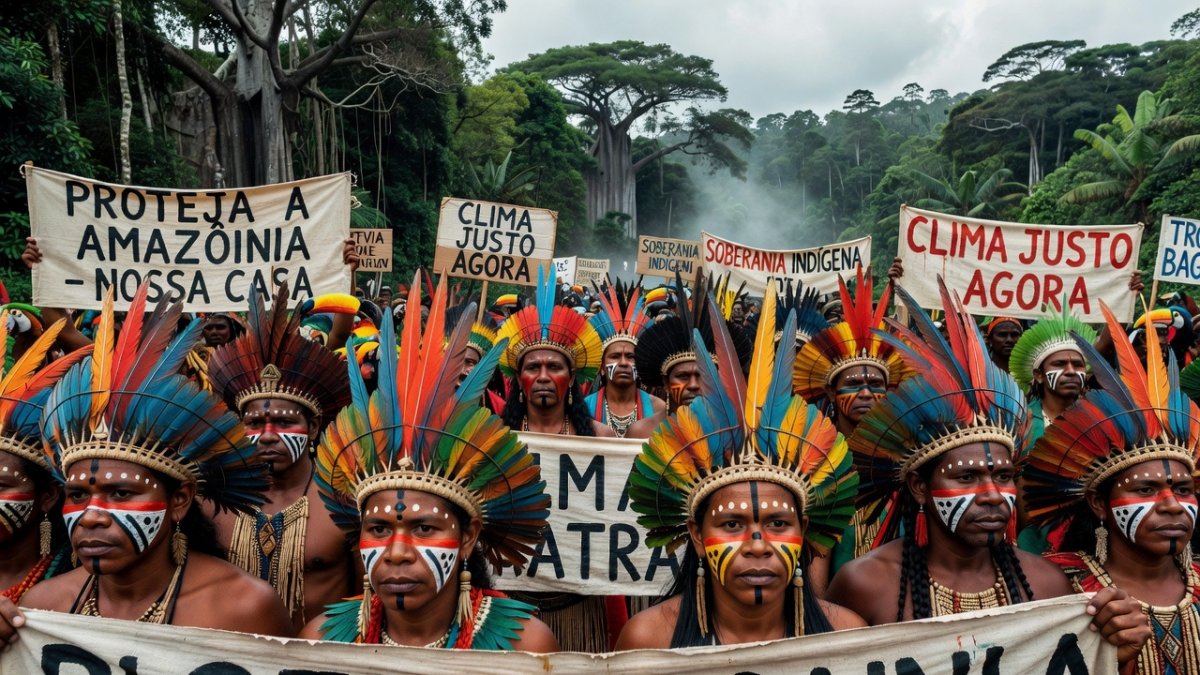
Indigenous protesters who stormed the COP30 venue in Belém voiced raw frustration, declaring "the forest is not for sale" as they demanded stronger Amazon protections. Their presence underscored how negotiations often sideline the communities most directly tied to forest stewardship. Brazil spent approximately R$15 billion on infrastructure, including the controversial "Freedom Avenue" road through the rainforest, drawing criticism for potentially accelerating habitat fragmentation despite deforestation gains. Broader Amazon Fund disbursements included BRL 124 million allocated to Indigenous projects in 2025, yet protesters argued these amounts remain insufficient relative to the scale of threats.
The TFFF framework directs 20% of funding to Indigenous and traditional communities, a provision welcomed as partial recognition of their role. However, critics within Latin America's Indigenous movements contend that such allocations must expand dramatically to counter ongoing pressures from agribusiness and extractive industries. Marina Silva's emphasis on enforcement successes contrasts with on-the-ground realities where communities bear the costs of protection without adequate resources. These voices from Belém and surrounding territories remind negotiators that climate finance is not abstract accounting but a matter of survival for cultures and ecosystems intertwined across the Amazon basin.
The Bottom Line — What Comes Next
Looking ahead, Brazil's commitment to zero illegal deforestation by 2030 offers a clear benchmark, yet success hinges on bridging the finance gap exposed at COP30. The mixed results six months later—tangible pledges like Germany's €1 billion, Norway's $3 billion to TFFF, and the $5.5 billion facility launch alongside persistent shortfalls in the $1.3 trillion target—illustrate both progress and peril. Loans continue to dominate, reinforcing the climate premium that disadvantages Latin American nations while they safeguard forests essential to global stability.
COP31 will test whether implementation follows these partial victories. Indigenous communities receiving 20% of TFFF resources signal incremental inclusion, but broader grant mechanisms remain essential. The EU's support for Brazil's leadership and 53 countries endorsing the TFFF framework provide diplomatic momentum, yet without shifting from loans to grants, the Amazon's 21% historical loss could accelerate again. Latin America's ecosystems and peoples have delivered measurable results; the onus now rests on developed nations to match deforestation declines with genuine financial solidarity rather than continued promises.
By Elena Vasquez, Staff WriterThis article was produced with AI-assisted research and editorial support. Reporting is based on sources cited in the article.
What's Your Reaction?
 Like
0
Like
0
 Dislike
0
Dislike
0
 Love
0
Love
0
 Funny
0
Funny
0
 Wow
0
Wow
0
 Sad
0
Sad
0
 Angry
0
Angry
0

Latin America Correspondent at Global1.News. Based in Mexico City, covering politics, economics, energy, and culture across the region. Brings an on-the-ground perspective to stories spanning from the Rio Grande to Patagonia.















Comments (0)