
Ceasefire in Lebanon: Israel and Hezbollah Agree to Halt Hostilities as US-Iran Framework Faces First Major Stress Test
The ceasefire between Israel and Hezbollah announced on June 19, 2026, represents the most significant test yet of the broader US-Iran peace framework that ended nearly four months of regional warfare. Brokered by American and Qatari mediators with direct Iranian backing, the truce halted — at least on paper — the deadliest phase of the 2026 Lebanon war, though Israeli airstrik
The ceasefire between Israel and Hezbollah announced on June 19, 2026, represents the most significant test yet of the broader US-Iran peace framework that ended nearly four months of regional warfare. Brokered by American and Qatari mediators with direct Iranian backing, the truce halted — at least on paper — the deadliest phase of the 2026 Lebanon war, though Israeli airstrikes continued even after the agreed deadline, killing 47 people across southern Lebanon and exposing the fragility of diplomatic arrangements that depend on controlling actors pursuing divergent battlefield objectives.
Ceasefire in Lebanon: Israel and Hezbollah Agree to Halt Hostilities as US-Iran Framework Faces First Major Stress Test
Beirut, Lebanon – June 20, 2026 — The agreement, confirmed by a senior US official, a senior Israeli official, and two Hezbollah sources, took effect at 4pm local time on Friday. However, within hours, questions emerged over whether any party could enforce the commitments made.
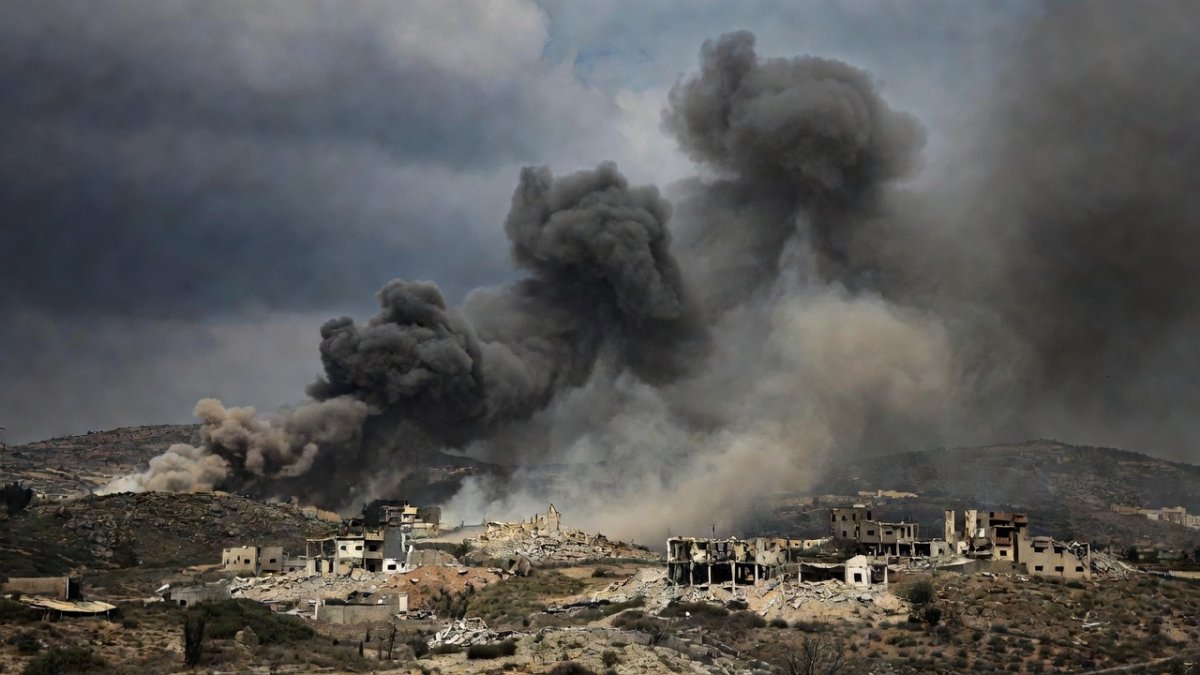
Smoke billows over southern Lebanon after Israeli strikes. (Global 1 News)
Geopolitical Context — the broader US-Iran deal framework
The June 18, 2026, US-Iran memorandum of understanding ended the Iran war that ran from February 28 to June 17. The accord explicitly extended the Lebanon ceasefire and scheduled reopening of the Strait of Hormuz within 60 days.
Qatari and US mediators led the talks, yet Iranian backing proved decisive in securing Hezbollah’s acceptance. The deal also revived nuclear verification discussions, with former IAEA official Tariq Rauf noting persistent challenges in monitoring enrichment sites.
Former US Ambassador Thomas Pickering observed that Iran emerged as the reluctant winner of the standoff, a view echoed by former CIA Iran Director Norman Roule in Al Arabiya English analysis.
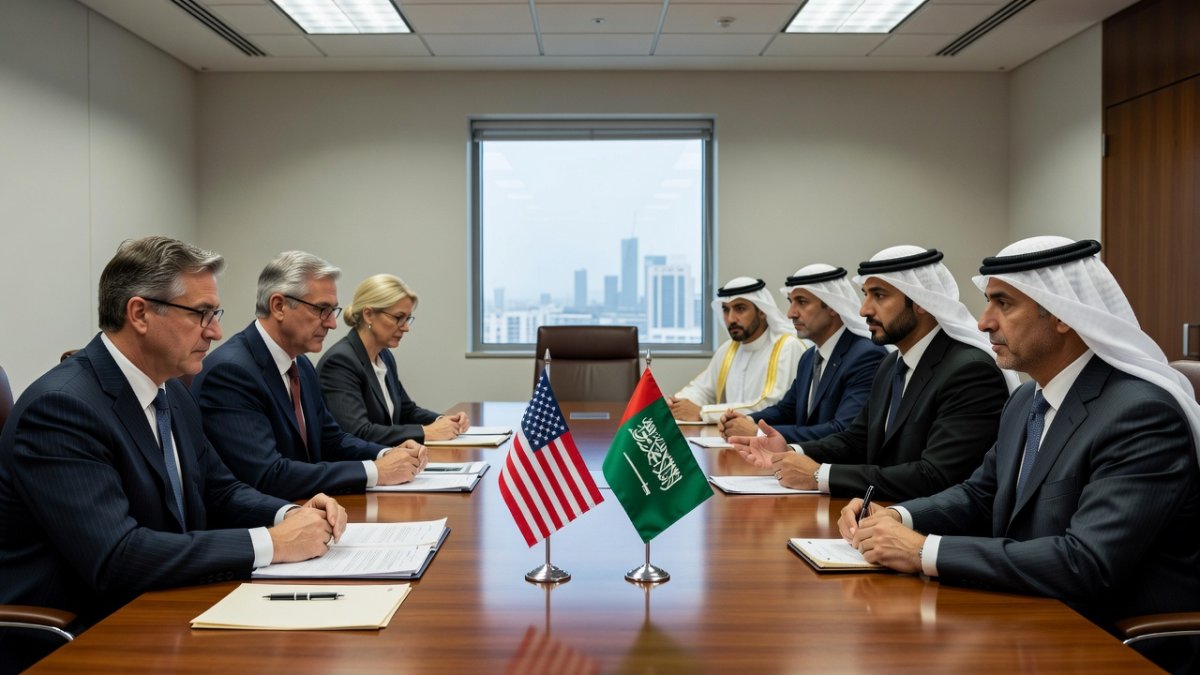
US and regional diplomats at negotiations. (Global 1 News)
The Ceasefire Agreement — what was agreed and by whom
A senior US official, a senior Israeli official, and two Hezbollah sources confirmed the ceasefire effective at 4pm local time on June 19, 2026. Lebanese President Joseph Aoun participated directly in the final mediation round.
The US State Department announced that direct talks between the Lebanese government and Israel will resume in Washington the following week. The agreement forms part of the larger US-Iran framework rather than a standalone bilateral truce.
Hezbollah Secretary General Sheikh Naim Qassem declared the Israeli project to eliminate the group had failed, framing the outcome as strategic resilience.
Violence Despite Diplomacy — the continued fighting after ceasefire
Israeli airstrikes persisted after the 4pm deadline, killing 47 people across southern Lebanon, including women and children. Strikes concentrated on the Nabatieh district, with nine deaths in Harouf, seven in Haboush, and six in al-Duweir.
Hezbollah forces ambushed Israeli troops, destroying three tanks with guided missiles and killing four soldiers, among them a battalion commander. Israeli military spokesperson Effie Defrin stated operations would continue to remove immediate threats.
National Security Minister Itamar Ben Gvir responded by calling for Lebanon to burn, insisting that for every tear shed by an Israeli mother, one thousand Lebanese mothers must weep.
Al Arabiya English reported extensively on the ceasefire development. (Al Arabiya English)
Historical Background — the 2026 Lebanon war and Iran war context
The 2026 Lebanon war began on March 2 when Israeli forces invaded southern Lebanon. More than 2,900 people have been killed in Lebanon since fighting started.
The Lebanon front opened one day after the Iran war commenced on February 28, linking the two conflicts through Iranian supply lines and Hezbollah operational coordination.
The June 18 US-Iran memorandum therefore addressed both theaters simultaneously, treating the Lebanon ceasefire as an integral component of regional de-escalation.
Regional Dynamics — how this affects the Middle East
The involvement of Shia-led Iran and Hezbollah alongside Sunni-majority Qatar illustrates the persistent Sunni-Shia competition that shapes Lebanese and Gulf security calculations.
Reopening the Strait of Hormuz directly influences energy markets and Gulf diversification strategies, giving oil-producing states greater leverage in post-conflict economic planning.
Arab-Israeli normalization efforts face renewed pressure as Israeli-Palestinian dynamics remain entangled with the Lebanon front and Iranian regional posture.
Strategic Calculus — what each side wants
Iran seeks to preserve Hezbollah’s military capacity while securing sanctions relief and nuclear verification terms that avoid full dismantlement. Its leverage lies in the threat of renewed Strait of Hormuz disruption.
Israel aims to degrade Hezbollah’s rocket and missile infrastructure yet must balance operations against US pressure to maintain the broader Iran deal. Prime Minister Netanyahu faces domestic calls for continued action, tempered by external warnings to remain measured.
The United States prioritizes preventing wider escalation that could draw in additional actors, using the 60-day extended ceasefire window to stabilize energy flows and advance nuclear talks.
Regional Implications — what this means going forward
Direct Lebanese-Israeli talks in Washington next week will test whether the June 19 ceasefire can evolve into a durable border arrangement or merely pause hostilities.
Fragility remains high, as former officials interviewed on Al Arabiya English emphasized that verification disputes and Israeli threat perceptions could unravel the US-Iran framework.
Great-power competition will intensify around energy corridors and reconstruction financing, with Qatar positioned as a key broker between Tehran and Washington.
By Malik Hassan, Staff Writer
This article was produced with AI-assisted research and editorial support. Reporting is based on sources cited in the article.
What's Your Reaction?
 Like
0
Like
0
 Dislike
0
Dislike
0
 Love
0
Love
0
 Funny
0
Funny
0
 Wow
0
Wow
0
 Sad
0
Sad
0
 Angry
0
Angry
0
Middle East Correspondent at Global1.News. Based in Beirut, covering politics, conflict, energy, and society across the Middle East. Brings context and depth to a region often reduced to headlines.











Comments (0)