
Thai Authorities Detain Canada-Bound Hong Kong Activist Zhang Xinyan
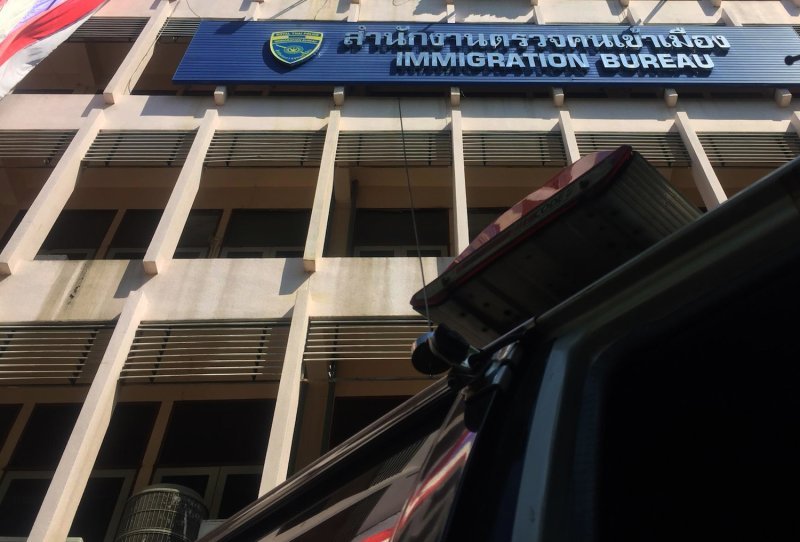
Detention at Suan Phlu Immigration Centre Thai authorities have detained Zhang Xinyan, a 55-year-old Chinese national, at the Suan Phlu Immigration Detention Centre in Bangkok. She was hours away from boarding a flight to Canada on July 8 under a UNHCR refugee resettlement program when officers took her into custody. The Canadian government had already completed her final inter
Detention at Suan Phlu Immigration Centre
Thai authorities have detained Zhang Xinyan, a 55-year-old Chinese national, at the Suan Phlu Immigration Detention Centre in Bangkok. She was hours away from boarding a flight to Canada on July 8 under a UNHCR refugee resettlement program when officers took her into custody. The Canadian government had already completed her final interview, medical examination, and biometric data collection before booking the direct Bangkok to Vancouver route.
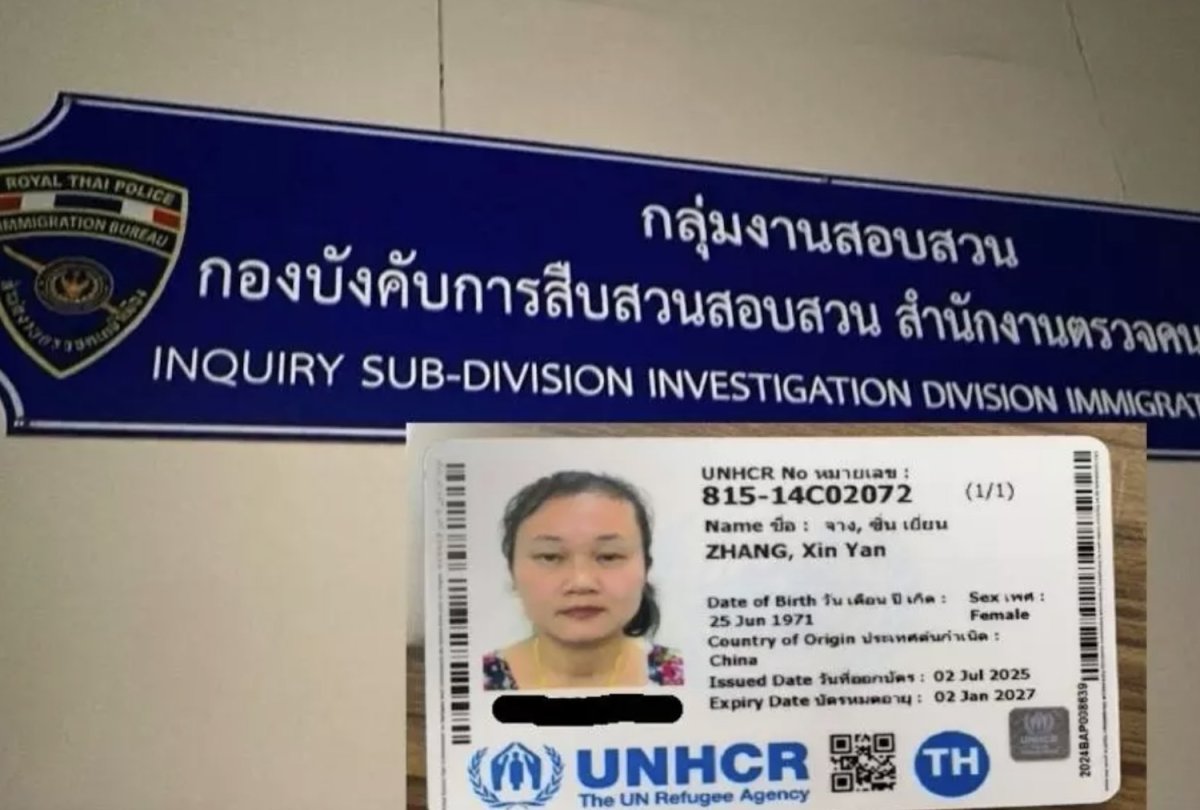
Zhang had lived quietly in Thailand since arriving in 2014, seeking safety from persecution tied to her practice of Falun Gong, which remains banned in China. Chinese Embassy officials revoked her passport when she attempted renewal, leaving her without travel documents. The UNHCR formally recognized her as a refugee in 2016, placing her among those eligible for third-country resettlement.
The Suan Phlu facility currently holds more than 2,000 detainees from many nations, and the Thai Immigration Bureau together with the Ministry of Foreign Affairs now manage Zhang's case. Local communities around the detention centre in central Bangkok have long witnessed similar stories of people caught between borders while awaiting decisions from Thai agencies.
Her Path from Persecution to Thailand
Zhang fled mainland China in 2014 after facing repeated harassment for her Falun Gong activities. She chose Thailand as her first destination because of its reputation as a transit point for those escaping political pressure. Once here, she registered with the UNHCR and began the long process toward formal refugee status.
Her passport renewal attempt at the Chinese Embassy ended when officials confiscated the document, cutting off any legal return or onward travel at that time. This action left her dependent on international protection mechanisms while she built a modest life in Bangkok's expatriate circles. Thai officials processed her case through standard immigration channels without a formal refugee law in place.
Many Chinese nationals in similar situations have found temporary shelter in Thai provinces before moving onward, reflecting Thailand's longstanding role in regional humanitarian movements. Zhang's case highlights how individuals from across Asia navigate these pathways while Thai communities offer quiet support through local networks.
The Hong Kong Arrest Warrants Issued in July 2025
Zhang appears on the list of 19 overseas activists named in Hong Kong arrest warrants issued in July 2025 under the National Security Law for alleged subversion. The Hong Kong authorities set bounties ranging from HK$200,000 to HK$1 million for information leading to the capture of those named. Her inclusion stems from activities conducted after she left Hong Kong years earlier.
These warrants mark an expansion of enforcement beyond the city's borders, affecting people now living in multiple countries. For Thai readers, the development raises questions about how ASEAN governments balance security cooperation with protection obligations toward individuals already recognized by the UNHCR.
Zhang's name on the list places her at risk of being the first person charged under the National Security Law to face deportation and subsequent imprisonment if returned. Thai authorities at Suan Phlu continue to review her status amid these external pressures.
Earlier Arrest in May 2026 and Visa Overstay
Zhang was previously arrested in May 2026 for visa overstay and placed in immigration detention at that time. Thai officers released her after processing, but the incident placed her on official records that later intersected with the new warrant information. She remained in Bangkok while awaiting final resettlement approval from Canada.
The May 2026 detention occurred at the same Suan Phlu centre where she now sits again. Over 2,000 people from various countries share the facility, many of them also navigating complex visa and refugee procedures managed by the Thai Immigration Bureau.
Her case illustrates the repeated interactions some long-term residents have with Thai immigration processes, especially those whose home countries have withdrawn travel documents. Local human rights networks in Bangkok have tracked similar patterns among Chinese and Hong Kong nationals over recent years.
Warnings from Human Rights Experts
Sunai Phasuk, senior adviser at Human Rights Watch Thailand, stated that any forced return would violate international law and Thailand's Prevention of Torture Act. He emphasized that Thailand's own Prevention of Torture and Enforced Disappearance Act explicitly prohibits returning recognized refugees to situations of danger.
Zhang remains deeply worried she will be forcibly repatriated in the coming days, according to statements from those in contact with her at Suan Phlu. If deported to Hong Kong or China, she would become the first individual charged under the National Security Law to face imprisonment following removal from a third country.
Thai legal experts note that the absence of a formal refugee law leaves many decisions to administrative discretion by the Immigration Bureau and Ministry of Foreign Affairs. This gap creates uncertainty for people like Zhang who have already received UNHCR recognition after years of waiting.
Support from Canadian and Hong Kong Exile Networks
Canadian journalist Sheng Xue coordinated Zhang's resettlement process from Canada, working directly with UNHCR officials to finalize travel arrangements. Sheng Xue said Zhang fears immediate repatriation and has expressed this concern repeatedly in recent communications from detention.
Yuan Gongyi, founder of the Hong Kong exile parliament, arranged for a local human rights lawyer in Thailand to assist Zhang during her time at Suan Phlu. This legal support focuses on presenting her UNHCR refugee status and prior Canadian approvals to Thai authorities.
These cross-border efforts reflect how diaspora communities maintain connections across Southeast Asia and North America. Zhang's situation draws attention from activists who have themselves relocated to countries that host other Hong Kong exiles within the ASEAN region.
Thailand's Diplomatic Position and Regional Role
Thailand and China maintain treaty partnerships with close economic ties that influence how Bangkok handles cases involving Chinese nationals. The Ministry of Foreign Affairs must weigh these relations against obligations under the Prevention of Torture and Enforced Disappearance Act when reviewing Zhang's detention.
Thailand has served as a transit country for refugees from many nations for decades, yet it still lacks dedicated refugee legislation. This longstanding practice means decisions often rest with immigration officers at facilities like Suan Phlu while international organizations provide parallel support.
Other Southeast Asian nations also host Hong Kong exiles, creating a shared regional context for how governments respond to similar warrants. Thai communities in Bangkok and beyond watch these developments closely because they affect the country's image as a place of temporary safety for those in need.
Broader Implications for Thai Society and ASEAN
The detention of Zhang at Suan Phlu brings renewed focus on how Thailand manages individuals caught between international protection standards and bilateral pressures. Local advocacy groups in the capital continue to monitor conditions for the more than 2,000 detainees held there from various countries.
For Thai readers, the case connects to wider discussions about the country's humanitarian traditions and its economic partnerships. The outcome may influence how future recognized refugees navigate the same Bangkok-to-third-country pathways that Zhang nearly completed.
ASEAN neighbors face parallel questions about protecting people named in overseas warrants while maintaining diplomatic balance. Zhang's story at Suan Phlu therefore resonates beyond Thailand's borders as communities across the region consider their own roles in offering refuge.
By Ann Srisawat, Staff WriterThis article was produced with AI-assisted research and editorial support. Reporting is based on sources cited in the article.
What's Your Reaction?
 Like
0
Like
0
 Dislike
0
Dislike
0
 Love
0
Love
0
 Funny
0
Funny
0
 Wow
0
Wow
0
 Sad
0
Sad
0
 Angry
0
Angry
0

Southeast Asia Correspondent at Global1.News. Based in Bangkok, covering Thai and Southeast Asian politics, economy, technology, and culture. Deep regional perspective on one of the world's most dynamic regions.












Comments (0)