
Qatari Negotiators in Tehran as Trump Declares US-Iran Ceasefire Over
The fragile US-Iran ceasefire, brokered in June after months of open conflict, has collapsed amid a new round of tanker attacks in the Strait of Hormuz and retaliatory American strikes. With Qatari mediators now in Tehran attempting to salvage a diplomatic off-ramp, the region faces renewed uncertainty over energy flows, Gulf security, and the fate of Iran's nuclear negotiation
The fragile US-Iran ceasefire, brokered in June after months of open conflict, has collapsed amid a new round of tanker attacks in the Strait of Hormuz and retaliatory American strikes. With Qatari mediators now in Tehran attempting to salvage a diplomatic off-ramp, the region faces renewed uncertainty over energy flows, Gulf security, and the fate of Iran's nuclear negotiations.
Qatari Negotiators in Tehran as Trump Declares US-Iran Ceasefire Over
Beirut, Lebanon – July 10, 2026 — President Donald Trump declared the US-Iran interim ceasefire over during the NATO summit in Ankara, stating that further talks following tanker attacks in the Strait of Hormuz had become a "waste of time." Within hours, however, the White House agreed to Iran's request to keep diplomatic channels open, even as US Central Command prepared additional strikes on Iranian military positions.
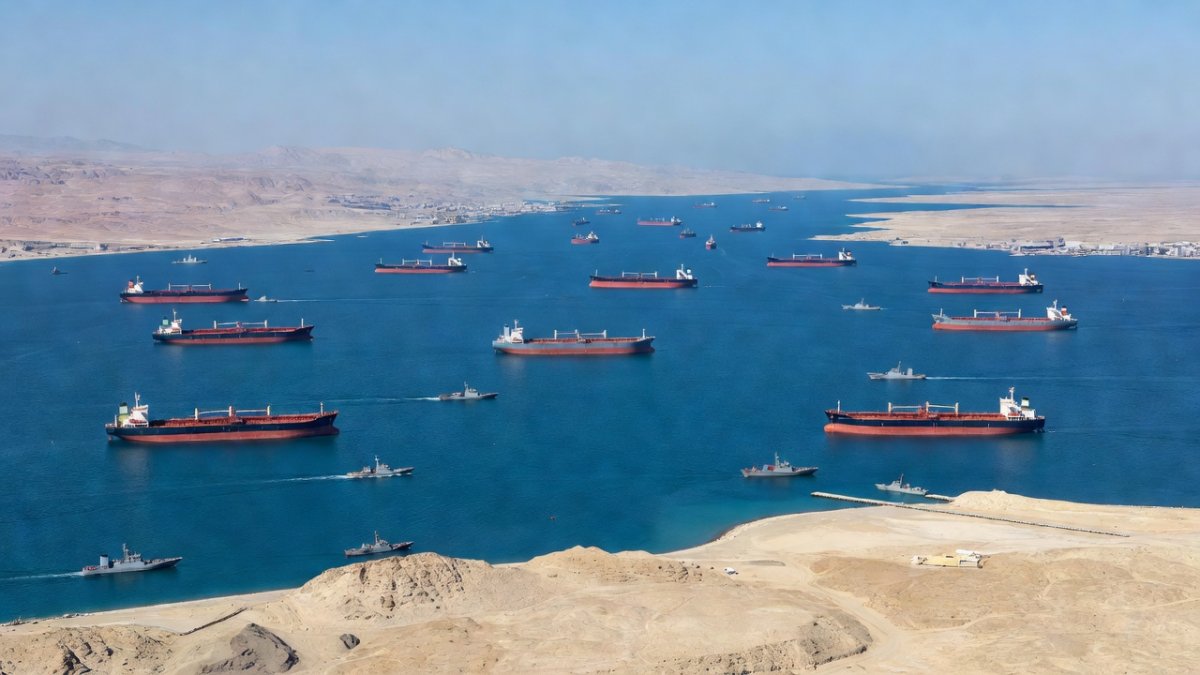
Ceasefire Collapses After Tanker Attacks
The reversal followed Iranian attacks on at least three commercial vessels between July 7 and 8, including a Saudi-flagged tanker and a Qatari-flagged vessel transiting the Strait of Hormuz. US Central Command responded with precision strikes on more than 80 Iranian military installations on July 7, targeting coastal defense systems, missile batteries, and naval facilities along Iran's southern coast. Additional strikes followed on July 8 and 9, marking the most intense exchange of fire since the ceasefire was agreed on June 14.
Multiple oil and gas tankers have turned back from attempting the transit, according to ship-tracking data, effectively halting the normalisation of flows through the waterway that carries approximately 20 million barrels per day — roughly 20 percent of global petroleum consumption.
Qatari Mediation in Tehran
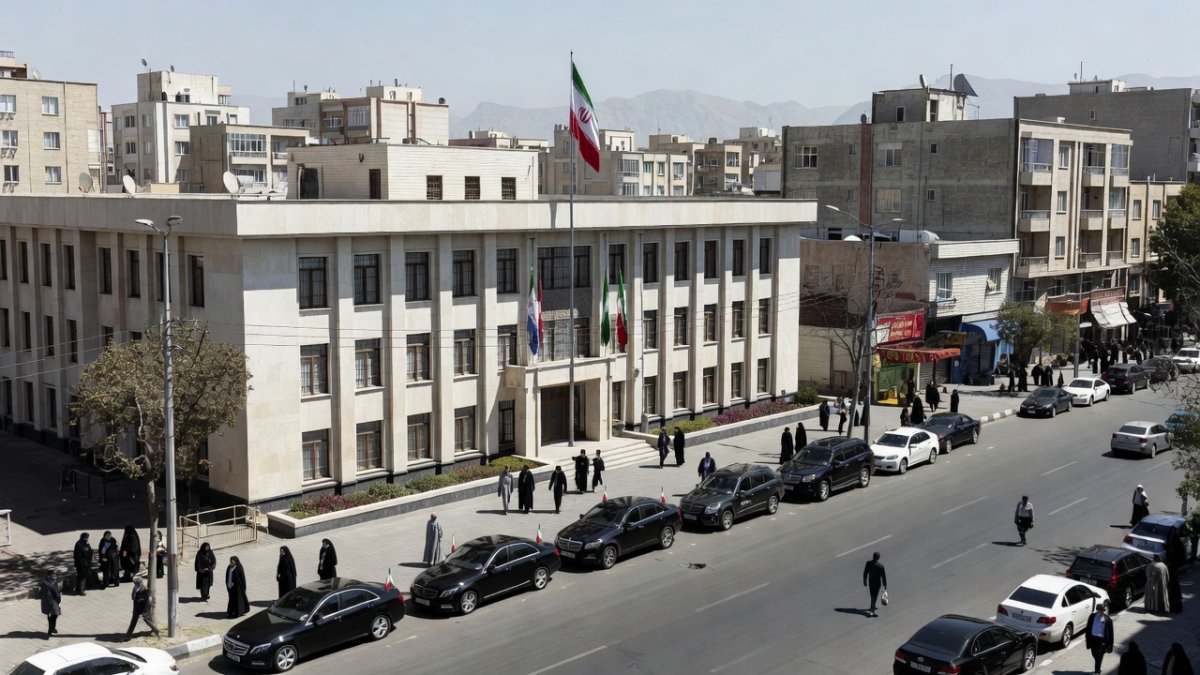
Qatari negotiators arrived in Tehran on July 10 for direct meetings with Iranian officials, attempting to de-escalate tensions that threaten to spiral into a renewed conflict. Doha had already hosted a round of US-Iran talks on July 2 that failed to produce a permanent agreement, with disagreements over uranium enrichment levels and the pace of sanctions relief proving intractable.
Qatar's leverage in the mediation stems from its unique position: it maintains open communication lines to both Washington and Tehran while hosting the largest US military base in the region at Al Udeid Air Base. Iranian officials view Doha as a credible interlocutor capable of conveying messages without immediate escalation, a role Doha has cultivated through years of shuttle diplomacy between regional adversaries.
Energy Markets and the Strait of Hormuz
Brent crude rose above $80 per barrel following the attacks, reversing a decline from more than $110 in late May to roughly $75 during the brief ceasefire period. The spike reflects market fears that the Strait — through which Iraq, Kuwait, Saudi Arabia, the UAE, Qatar, and Bahrain ship the vast majority of their crude exports — may remain effectively closed for an extended period.
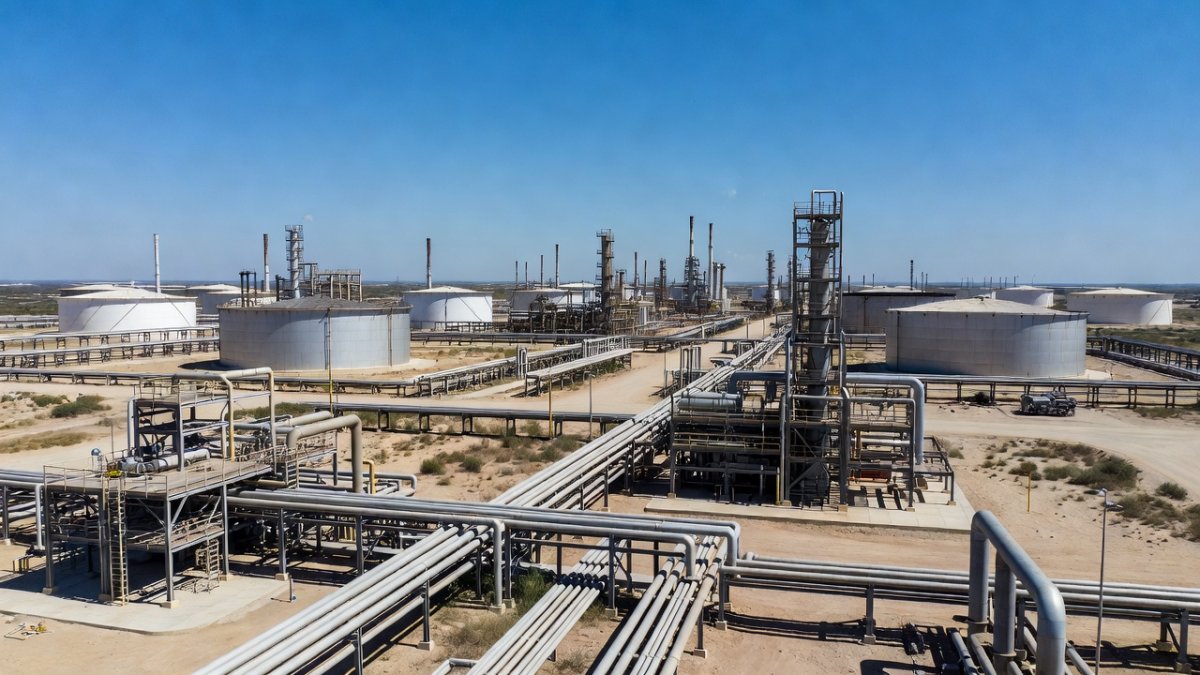
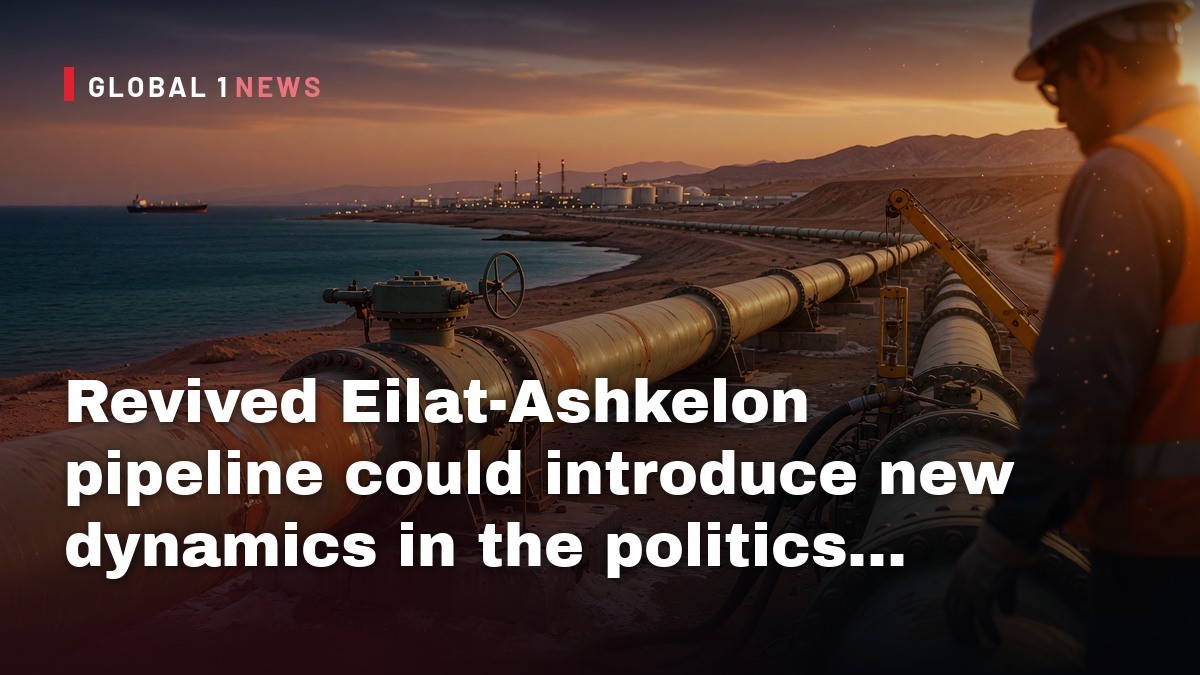
The effective supply loss has been partially mitigated through alternative routes. Saudi Arabia's Petroline (East-West Pipeline) can carry up to 5 million barrels per day across the kingdom to Red Sea ports. The UAE's Habshan-Fujairah pipeline bypasses the Strait entirely, moving crude from Abu Dhabi's inland fields to the port of Fujairah on the Gulf of Oman. Combined with US sanctions waivers covering Iranian and Russian oil in floating storage, and releases from strategic petroleum reserves, net supply disruption has been limited to approximately 3.1 million barrels per day.
"Tanker traffic through the Strait of Hormuz has essentially stopped, which tells you more about risk perception right now than any statement from Washington or Tehran," said Jorge León, head of geopolitical analysis at Rystad Energy.
Iran's Leadership Vacuum
Supreme Leader Ayatollah Ali Khamenei's recent death and ongoing funeral proceedings have added another layer of uncertainty inside Iran. Decision-making authority now rests with a transitional clerical and military structure whose cohesion remains untested. Millions of mourners have filled Tehran's streets for the funeral procession, but divisions over succession and the direction of Iran's foreign policy persist beneath the surface.
This internal flux coincides with the collapse of the June 14 ceasefire and the approaching 60-day deadline for addressing Iran's nuclear program under the interim deal. Analysts at the International Crisis Group have noted that Iranian hardliners may view continued tanker harassment as a low-cost way to signal resolve during the succession process, while pragmatic factions recognize that sustained closure of the Strait invites deeper US strikes and further economic isolation. Iran's Foreign Ministry has not issued a formal statement on the status of the nuclear talks since the latest escalation.
Regional Strategic Calculus
Saudi Arabia and the UAE have used the crisis to accelerate energy infrastructure projects that bypass Iranian chokepoints. Riyadh has expanded Petroline capacity, while Abu Dhabi continues to invest in the Habshan-Fujairah pipeline and its storage infrastructure. These moves, while framed as commercial diversification, carry clear geopolitical implications: reducing any future Iranian ability to hold Gulf energy exports hostage to Hormuz transit.
Both Gulf states have also deepened Arab-Israeli normalisation tracks under the framework of the Abraham Accords, cooperating on maritime security and intelligence sharing in ways that would have been unthinkable a decade ago. Turkey has watched the escalation cautiously, calculating that prolonged instability could increase Ankara's leverage over energy routes through Iraq and Syria. Israel has kept a low public profile while quietly supporting US strikes that degrade Iranian military capabilities, particularly the missile and drone infrastructure that threatens Israeli territory.
The Sunni-Shia geopolitical competition underpins every dimension of the crisis. Gulf Arab states frame their pipeline and diversification efforts as protection against Iranian disruption rather than sectarian confrontation, but the underlying competition for regional influence continues to shape every diplomatic move and military calculation.
Historical Background
The June 14 interim agreement ended a period of direct conflict that began in March 2026 when Iran blockaded the Strait of Hormuz in response to heightened US sanctions and Israeli threats against its nuclear facilities. The war saw the first direct US-Iranian military exchanges since the 1988 Operation Praying Mantis, including a US Apache helicopter downed on June 8 and American retaliation the following day. The ceasefire, brokered through Pakistani and Qatari mediation at the Islamabad Talks on April 7, had opened a window for diplomacy that now appears to have closed.
The July 2 Doha talks were intended to convert the interim arrangement into a permanent agreement covering Iran's uranium enrichment program, the lifting of US sanctions, and guarantees of free passage through the Strait of Hormuz. Instead, they ended without a framework, setting the stage for the current escalation.
Outlook and Regional Implications
If the 60-day nuclear deadline passes without progress, Washington faces a choice between renewed substantial military pressure and accepting a de facto Iranian nuclear threshold state. Qatar's mediation may yet produce a narrow technical understanding on tanker safety protocols, but a durable political settlement appears distant as long as Iran's leadership remains in flux and both sides remain locked in a cycle of retaliation.
The episode has already accelerated Gulf energy diversification and reinforced the strategic value of alternative export routes, reshaping the region's energy map for years to come. For energy markets, the return of Hormuz risk premiums means sustained volatility through the second half of 2026, with implications for inflation, central bank policy, and household energy costs from London to Tokyo. For the Middle East, it represents yet another reminder that the region's most consequential chokepoint remains the flashpoint where energy security, great power competition, and regional rivalries converge.
By Malik Hassan, Staff Writer
This article was produced with AI-assisted research and editorial support. Reporting is based on sources cited in the article.
What's Your Reaction?
 Like
0
Like
0
 Dislike
0
Dislike
0
 Love
0
Love
0
 Funny
0
Funny
0
 Wow
0
Wow
0
 Sad
0
Sad
0
 Angry
0
Angry
0
Middle East Correspondent at Global1.News. Based in Beirut, covering politics, conflict, energy, and society across the Middle East. Brings context and depth to a region often reduced to headlines.











Comments (0)