
Typhoon Bavi: East Asia Braces for a Storm of Historic Proportions
Typhoon Bavi: East Asia Braces for a Storm of Historic Proportions The Human Toll of Landslides in Mindanao Landslides on the Philippine island of Mindanao have already claimed at least 15 lives as families were buried overnight under debris from one of the strongest storms in decades. Rescuers continue to search for missing individuals amid the wreckage, highlighting the immed
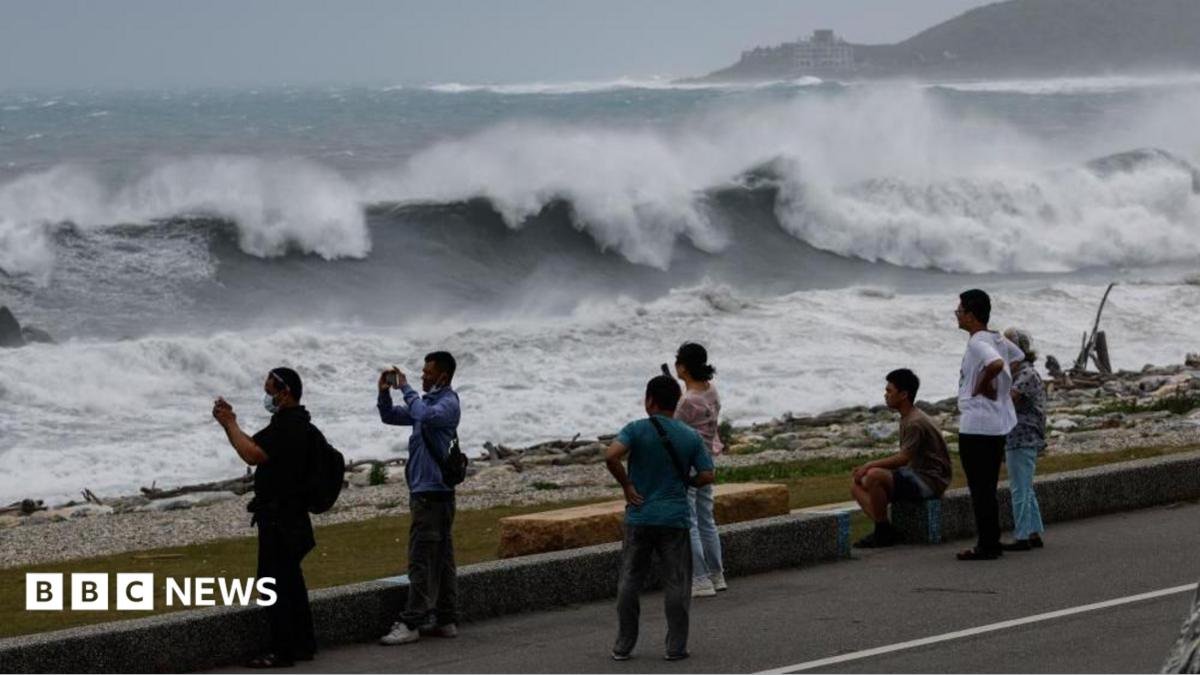
The Human Toll of Landslides in Mindanao
Landslides on the Philippine island of Mindanao have already claimed at least 15 lives as families were buried overnight under debris from one of the strongest storms in decades. Rescuers continue to search for missing individuals amid the wreckage, highlighting the immediate dangers posed by saturated slopes in remote areas where access remains difficult. The scale of these events underscores how quickly conditions can deteriorate once heavy rain begins, leaving little time for evacuation in isolated communities.
Reports indicate that entire households were overtaken while residents slept, pointing to the nighttime timing of the slides as a factor that reduced survival chances. This pattern of overnight burial has complicated recovery operations, as teams must work through unstable terrain to reach potential survivors. The focus on Mindanao reveals how southern regions of the Philippines face repeated exposure to such hazards during the typhoon season.
(BBC News)
Local authorities have noted the connection between the storm's intensity and the rapid onset of landslides, with no prior widespread warnings able to prevent all casualties. The ongoing search efforts emphasize the resource demands placed on emergency services when multiple sites require simultaneous attention. These incidents serve as a reminder of the physical limits faced by responders in rugged island terrain.
Taiwan's Defense Ministry Prepares for Record Storm Size
Taiwan's defence ministry has placed 29,000 soldiers on standby specifically to assist with relief efforts once Typhoon Bavi arrives. This deployment covers potential needs for debris clearance, temporary shelter setup, and supply distribution across affected zones. The number reflects a calculated response to the storm's projected width of 1,000km, which matches the scale of past events that overwhelmed local capacities.
Taiwan's Central Weather Administration has stated that Bavi represents the largest storm by size to approach the island since the 1987 record. This comparison draws attention to the extended reach of rain bands that could affect both northern and eastern districts simultaneously. Preparations therefore extend beyond immediate coastal zones to include inland areas that rarely see direct typhoon impacts.
Distribution of thousands of sandbags to flood-prone neighborhoods has already begun, targeting shop owners and residents in low-lying districts. These measures aim to reduce water ingress into buildings before the expected up to 1m of rainfall materializes. The combination of military personnel and material stockpiles illustrates the layered approach required when forecasts indicate prolonged exposure to heavy precipitation.
Farmer and Fisher Responses in Taiwan Ahead of Bavi
Farmers across Taiwan moved quickly on Friday to harvest or shield crops while conditions remained stable, recognizing that delays could lead to total losses once winds and rain intensify. This rush reflects the narrow window available before Bavi's outer bands arrive and disrupt all outdoor activity. Fields left unprotected face risks from both flooding and wind damage that could extend recovery periods for agricultural output.
Fishermen secured vessels with extra lines and moved them to sheltered harbors, following advice to avoid open water during the storm's passage. Chen Ming-hui, a 60-year-old fisherman interviewed by Reuters, stressed that current calm weather should not mislead anyone about the typhoon's potential force. His comments capture the experience of those who have weathered previous systems and understand how rapidly conditions shift.
Schools suspended classes and supermarkets saw shelves emptied as households gathered supplies, creating visible signs of community-wide readiness. These steps reduce the number of people needing assistance during peak storm hours and limit secondary disruptions from power outages or blocked roads. The coordinated actions across sectors demonstrate how warnings translate into practical steps that protect both lives and livelihoods.
Ma Jun's Assessment of Bavi's Potential Path in China
Ma Jun, director of China's Institute of Public and Environmental Affairs, has described Bavi's large size and abundant energy as factors that could allow remnants and outer rainbands to travel from Jiangsu and Anhui provinces toward the Bohai Sea region. This trajectory would expose northern provinces to effects after the main landfall in south-eastern Fujian province. Ma Jun noted that these northern areas possess less experience with typhoons than southern regions and therefore require strengthened preparations.
Forecasts indicate Bavi could make landfall twice within China, first in Fujian and potentially again farther north. Such a path would prolong exposure for multiple provinces and strain resources already allocated to immediate coastal defenses. The warning from Ma Jun focuses on the need for northern jurisdictions to review drainage systems and emergency protocols ahead of any northward movement.
China has issued alerts about significant impact from the typhoon, particularly in areas where infrastructure has not been tested by storms of this width. The emphasis on energy reserves within the system points to sustained rainfall even after the center passes, increasing flood risks in river basins that feed into the Bohai Sea. These assessments guide the timing of evacuations and the positioning of relief supplies across provincial boundaries.
Recovery Challenges Following Typhoon Maysak in Southern China
Parts of southern China continue to address damage from Typhoon Maysak earlier in the week, which left at least 39 people dead and prompted the evacuation of more than 130,000 residents, mostly in the Guangxi region. Rescuers remain engaged in searching through wreckage for additional missing individuals, diverting attention and equipment from new preparations for Bavi. The overlap creates pressure on local teams already stretched by livestock losses and widespread agricultural destruction.
Maysak also triggered two rare tornadoes in central Hubei province, an event that added unexpected structural damage to the overall toll. Recovery from these tornadoes requires specialized assessments that differ from standard typhoon response measures. The combination of flooding, wind, and tornado impacts has left communities with multiple repair priorities that must be balanced against the approaching threat of Bavi.
Agricultural losses from Maysak include large numbers of livestock deaths, reducing food supplies and income for affected farmers at a critical time. These setbacks compound the challenge of restocking emergency reserves before another system arrives. The sequence of storms within days of each other tests the capacity of regional systems to restore basic services while maintaining readiness for further events.
Flight Cancellations Impact Passengers Across East Asia
Japan Airlines has cancelled more than 100 flights for Friday and Saturday, affecting nearly 20,000 passengers traveling to and from the Sakishima Islands and other affected routes. All Nippon Airways has grounded more than 160 flights through Sunday, impacting a similar number of travelers. These cancellations extend beyond domestic Japanese services to include international carriers such as Thai Airways and Malaysia Airlines that serve Taipei.
Residents on the remote Sakishima Islands have been placed on high alert, with airlines grounding aircraft to avoid exposure to high winds and reduced visibility. The decisions reflect operational limits when forecasts show sustained conditions that exceed safety thresholds for takeoff and landing. Passengers face extended disruptions as airlines work to rebook flights once the storm clears the region.
The volume of cancelled services illustrates how a single large storm can interrupt connectivity across multiple countries simultaneously. Airports in Taiwan and southern Japan have adjusted schedules to accommodate the expected weather window, creating ripple effects for connecting flights throughout East Asia. These measures prioritize safety while highlighting the economic costs borne by travelers and carriers during peak disruption periods.
Regional Alerts and the Scale of Bavi Compared to Past Events
Experts have identified Bavi as one of the most destructive storms in decades due to its combination of size and projected rainfall totals. Taiwan's Central Weather Administration has linked the storm's dimensions directly to the 1987 benchmark, noting that no comparable system has approached the island in the intervening years. This historical framing guides the intensity of current preparations across multiple jurisdictions.
Dozens of flights cancelled throughout the region and widespread school closures demonstrate how forecasts translate into daily life adjustments before landfall occurs. Supermarket stock depletion in advance of the storm shows households acting on official guidance to maintain self-sufficiency for several days. These visible preparations reduce demand on emergency services during the height of the event.
The chain of remote Japanese islands, Taiwan's north and east coasts, and south-eastern China all fall within Bavi's projected track, requiring synchronized monitoring by separate national agencies. Ma Jun's comments on northern Chinese provinces underscore the need for areas with limited typhoon history to adopt measures typically reserved for southern districts. The overall response reveals how shared exposure to a single system prompts parallel actions across borders without centralized coordination.
By Prof. Marcus Chen, Staff WriterThis article was produced with AI-assisted research and editorial support. Reporting is based on sources cited in the article.
What's Your Reaction?
 Like
0
Like
0
 Dislike
0
Dislike
0
 Love
0
Love
0
 Funny
0
Funny
0
 Wow
0
Wow
0
 Sad
0
Sad
0
 Angry
0
Angry
0

World Politics Analyst at Global1.News. Based in Beijing, covering US-China relations, global trade, and geopolitical strategy. Brings deep analytical perspective to the power dynamics shaping international affairs.















Comments (0)