
Gulf of Paria Oil Spill: Venezuela Demands Compensation as Trinidad Disputes Scale
Gulf of Paria: A Shared Waterway Under Strain The Gulf of Paria sits between the southern coast of Trinidad and the eastern shores of Venezuela, forming a vital shared marine space that has long supported life on both sides of the border. This body of water stretches across ecologically sensitive zones where currents carry nutrients that sustain mangroves, seagrass beds and fis
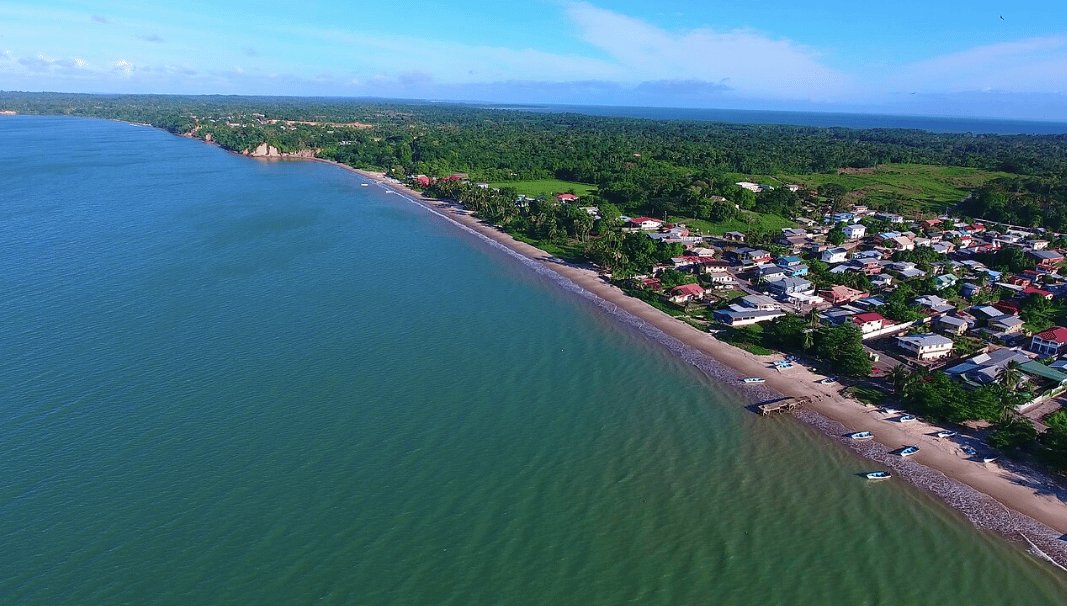
Gulf of Paria: A Shared Waterway Under Strain
The Gulf of Paria sits between the southern coast of Trinidad and the eastern shores of Venezuela, forming a vital shared marine space that has long supported life on both sides of the border. This body of water stretches across ecologically sensitive zones where currents carry nutrients that sustain mangroves, seagrass beds and fish populations essential to the entire region. Communities such as those in Cedros, Icacos and La Brea on the Trinidad side have depended on these waters for generations, while families along Venezuela’s Paria Peninsula rely on the same resources for their daily catch and small-scale trade.
Economically the gulf represents more than a fishing ground; it underpins local markets, transport links and seasonal livelihoods that connect coastal villages across the boundary. When incidents occur here the effects ripple through households that already face rising costs for fuel and equipment. The shared nature of the waterway means any pollution travels quickly, affecting both nations’ ability to maintain steady supplies of fresh seafood for their people.
Historical maritime boundary questions have added layers of complexity to how the two countries manage this space. Yet the practical reality remains that fishermen from both sides often work within sight of each other, exchanging information about weather and catches in the same spirit of neighbourly cooperation that characterises Caribbean life. Protecting the gulf therefore goes beyond formal agreements; it touches the everyday security of families who have fished these waters long before modern disputes arose.
What Happened: Two Versions of the Same Spill
Venezuela has stated that the oil spill which began on 1 May 2026 originated in Trinidadian waters and now poses a serious threat to the ecosystems of the Gulf of Paria. Caracas describes the incident as carrying risks of lasting environmental damage that could affect marine life and coastal habitats on its side of the boundary. Under international environmental law, nations sharing such marine spaces hold clear obligations to notify neighbours promptly and to cooperate in limiting harm.
Port of Spain, however, maintains that the event was a minor spill involving only ten barrels that was quickly contained using established offshore procedures. Trinidadian authorities dispute both the scale and the precise origin claimed by Venezuela, insisting the response followed standard protocols designed to prevent wider dispersal. This difference in accounts highlights how the same physical event can be interpreted through the lens of national responsibility and regional reputation.
Both positions carry weight because the gulf’s currents do not respect political lines. International environmental law requires transparency when incidents occur in shared waters, yet the practical challenge lies in agreeing on facts before tensions rise. For communities that depend on these waters, the disagreement itself becomes part of the problem, delaying any joint action that might protect their shared livelihood.
Venezuela's Demand: Compensation and Information
Venezuela has formally demanded full details of the incident along with compensation under international environmental law. Its Environment Minister has characterised the spill as a serious threat to the Gulf of Paria, calling for cooperation that reflects the shared nature of the marine environment. Such demands rest on established principles that require states to prevent transboundary harm and to provide information when pollution crosses borders.
The request for compensation reflects concerns that even limited releases can accumulate over time, affecting fish stocks and the health of mangroves that protect coastlines during storms. Venezuela’s position emphasises that countries sharing marine spaces must maintain open channels so that early assessment can prevent larger ecological costs. This approach aligns with broader expectations that neighbours work together rather than allowing incidents to escalate into prolonged disputes.
Practical consequences for Venezuela include potential impacts on fishing communities along the Paria Peninsula, where any reduction in catches affects household incomes and local food security. The formal demand therefore serves both legal and community purposes, seeking accountability while underscoring the need for reliable information that both sides can use to plan protective measures.
Port of Spain's Position: Minor Incident, Major Disagreement
Trinidad and Tobago’s government has disputed Venezuela’s characterisation of the spill, describing it instead as a contained event that did not warrant the level of alarm expressed by Caracas. Officials point to established offshore procedures that allowed rapid response and argue that the ten-barrel volume remained well within manageable limits. This stance also touches questions of sovereignty, as accepting external assessments without full verification could set precedents for future incidents.
National pride plays a role here, because Trinidad has long viewed itself as a leader in Caribbean energy management. Any suggestion that its waters caused significant harm challenges that reputation and invites scrutiny of its regulatory systems. At the same time, Port of Spain recognises that maintaining good relations with Venezuela remains important for broader regional stability and trade.
The disagreement reveals how even small incidents can become magnified when they occur in politically sensitive waters. Both governments must balance domestic expectations with the need to avoid unnecessary friction. For the fishing families who work the gulf daily, the priority remains practical cooperation that prevents future problems rather than prolonged exchanges over the details of this one event.
Guyana's Oil Boom and What It Changes
Guyana’s emergence as a major oil producer through developments such as the Stabroek Block with ExxonMobil has altered the energy landscape across the Caribbean. Trinidad, once the undisputed regional leader in hydrocarbons, now operates alongside a new and significant player whose output continues to grow. This shift brings fresh attention to how older producers manage their offshore activities and respond to incidents that could affect neighbours.
The Gulf of Paria spill therefore gains larger significance against this changing backdrop. Neighbouring states watch how Trinidad handles the matter, knowing that standards set here may influence expectations for Guyana’s expanding operations. Regional energy dynamics now involve more actors, each with responsibilities to maintain environmental safeguards that protect shared resources.
Trinidad’s experience offers lessons for the wider neighbourhood. Its established procedures and regulatory history provide a reference point, yet the current disagreement shows that even experienced operators must adapt communication practices when waters are shared. The presence of a new major producer makes transparent handling of incidents more important than ever for maintaining trust across the Caribbean energy sector.
CARICOM's Role in Energy and Environmental Cooperation
CARICOM maintains frameworks intended to support environmental protection and maritime safety among member states. These arrangements encourage information sharing and coordinated responses when incidents cross national boundaries. In practice they provide channels through which countries can raise concerns and seek technical assistance without immediate escalation to formal legal proceedings.
Past instances of CARICOM involvement in cross-border environmental matters have demonstrated the value of regional mediation. Such mechanisms allow smaller states to address shared challenges collectively, drawing on combined expertise rather than relying solely on bilateral negotiations. The current situation in the Gulf of Paria could benefit from these established pathways if both Trinidad and Venezuela choose to engage them.
Effective cooperation requires clear protocols for notification and joint monitoring. CARICOM structures already exist to facilitate these steps, yet their success depends on the willingness of the parties to use them promptly. For fishing communities across the region, stronger application of these frameworks could mean faster protection of the waters that sustain their livelihoods.
Fishing Communities and Climate Vulnerabilities
Families in Cedros, Icacos, La Brea and along Venezuela’s Paria Peninsula depend directly on the health of the Gulf of Paria for their income and food. Any spill, regardless of size, adds pressure to households already coping with fluctuating fish prices and the costs of maintaining boats and gear. These communities have adapted over decades to changing conditions, yet repeated environmental stresses test their resilience.
Climate change compounds these vulnerabilities for small island and coastal states throughout the Caribbean. Rising sea temperatures, stronger storms and shifting fish patterns already challenge traditional fishing grounds. An oil spill in this context does not occur in isolation; it interacts with existing pressures that make recovery slower and more costly for the people most directly affected.
The human dimension remains central. Children in these villages grow up learning the rhythms of the gulf, and elders pass on knowledge of safe passages and seasonal patterns. When incidents threaten these waters, the concern extends beyond immediate economic loss to the continuity of a way of life that has defined coastal Trinidad and neighbouring Venezuelan communities for generations.
The Path Forward: Dialogue, Monitoring, and Trust
Both Trinidad and Venezuela need clearer communication channels and shared monitoring arrangements to manage the Gulf of Paria responsibly. Technical cooperation on spill response and environmental assessment would allow each side to verify facts independently while working toward common standards. Such steps reduce the scope for misunderstandings that can turn routine incidents into diplomatic issues.
The stakes extend beyond the two nations directly involved. Wider Caribbean cooperation on shared resources depends on demonstrating that neighbours can address environmental concerns constructively. Successful dialogue here could strengthen regional mechanisms and set a positive example for managing future energy-related activities across the Caribbean Sea.
Ultimately the people who fish these waters every day deserve practical outcomes that protect their livelihoods. Warm relations built on regular contact and mutual respect have always characterised Caribbean community life. Applying that same spirit to the current disagreement offers the best route toward lasting solutions that safeguard the gulf for generations to come.
By Sharon Sahatoo, Staff WriterThis article was produced with AI-assisted research and editorial support. Reporting is based on sources cited in the article.
What's Your Reaction?
 Like
0
Like
0
 Dislike
0
Dislike
0
 Love
0
Love
0
 Funny
0
Funny
0
 Wow
0
Wow
0
 Sad
0
Sad
0
 Angry
0
Angry
0
Caribbean Correspondent at Global1.News. Based in Port of Spain, Trinidad, covering Caribbean politics, economy, energy, climate, and culture. Amplifying the voices and stories of the Caribbean region.













Comments (0)