
Billion-Shekel Pre-Army Prep Industry Fuels IDF Inequality
DAPAR exam prep courses costing up to thousands of shekels give wealthier Israeli families an edge in IDF placements, despite free official resources.

Introduction
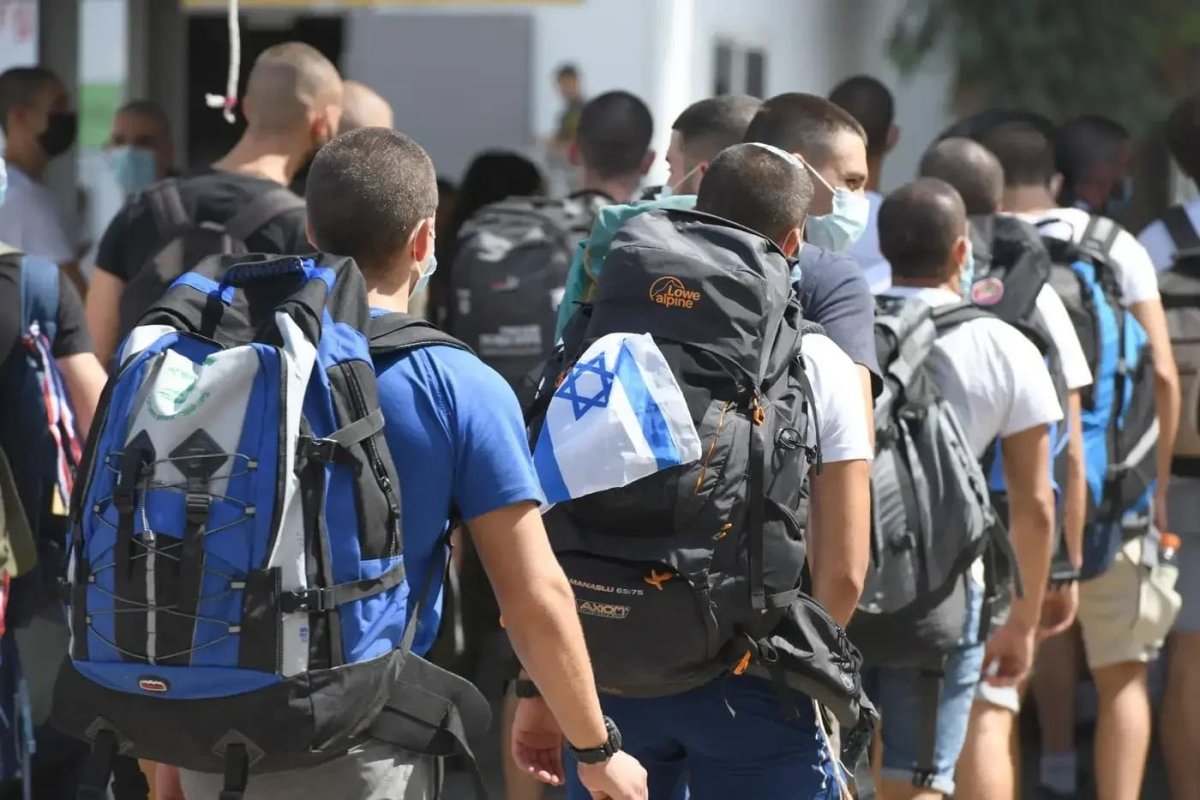
The Israel Defense Forces has long been described as the people's army, a unifying institution where service is both a duty and a shared national experience for Jewish citizens. Yet a growing commercial sector now surrounds the period before enlistment, offering preparation for the DAPAR psychotechnical exam and other assessments that shape military placements. This development creates a clear tension between the ideal of equal opportunity and the reality that families with greater resources can invest in tools and training that influence outcomes.
Israeli society places heavy weight on military service as a gateway to future education, employment, and social standing. When preparation for key tests and selections carries costs ranging from tens to thousands of shekels, questions arise about how this affects young people from different economic backgrounds across cities such as Tel Aviv, Jerusalem, and smaller communities.
The DAPAR Test Industry
The DAPAR psychotechnical exam produces relative scores between 10 and 90 and plays a central role in determining a recruit's placement options. Higher results open doors to elite units, officer training that requires a score of at least 60, and intelligence selections. Private providers market digital kits for 39 shekels, guided simulations for 500 shekels, and private lessons for 1,500 shekels to help candidates improve performance.
At the same time, the IDF supplies free practice software through the Mitgaysim website. The existence of both official free resources and paid alternatives highlights a divide: those who can afford additional support may gain an edge in a system meant to evaluate suitability on equal terms. Psychodidactic diagnoses, which can secure time extensions during testing, add further expenses between 1,500 and 4,500 shekels.
The replacement of the older KABA score with new suitability data, including a dedicated officer score and the Yom Meah assessment, has not reduced demand for external preparation. Families continue to seek every available advantage as they navigate the updated evaluation process.
Buying Your Way Into Elite Units
Elite units often require a medical profile of 97, and vision requirements can limit options such as Navy service. Laser eye surgery, which can upgrade a medical profile, typically costs several thousand shekels. This medical intervention has become one route through which candidates attempt to meet stricter physical standards.
Combat fitness preparation is also commercialized. Online programs cost between 350 and 395 shekels, while extended group guidance over multiple years can reach thousands of shekels. Interview and selection preparation with psychologists adds 300 to 500 shekels per session. An equipment basket purchased before induction ranges from 700 to 1,200 shekels.
These layered expenses accumulate before a recruit even reports for duty. In a country where military service remains compulsory for most Jewish citizens, the financial barrier to competitive placement raises concerns about fairness within the broader framework of national service.
The Technological Track Premium
Preparation for technological units such as 8200 and Mamram carries particularly high costs. A course at John Bryce College is priced around 20,000 shekels. Pre-military academies focused on cyber, software, and leadership charge between 9,000 and 12,000 shekels per year, with demand reported to be surging for the 2025-2026 cycle.
These programs target placements that often lead to valuable skills and post-service career advantages in Israel's high-tech sector. The concentration of paid preparation in this area underscores how economic resources can shape access to tracks that combine military service with long-term professional benefits.
While the IDF continues to draw talent from across society, the growth of these specialized academies illustrates how private investment now intersects with military recruitment in the technology domain.
International Comparison
Similar preparation markets exist elsewhere. In the United States, ASVAB test preparation ranges from 30 to 80 dollars per hour, with eight-week programs reaching 880 dollars. In India, preparation for the NDA can cost up to 350,000 rupees annually, roughly equivalent to 11,000 shekels. Israel's market therefore fits within a wider pattern of commercial support for military entry exams.
What distinguishes the Israeli case is the compulsory nature of service and its deep integration into social and economic life. The combination of mandatory enlistment with a developed private preparation industry creates specific pressures on families who seek to maximize their children's placement prospects within the IDF structure.
The Bottom Line
When the listed costs for test preparation, medical procedures, fitness training, interviews, equipment, and technological courses are considered together, the cumulative financial outlay for families can reach significant levels. The IDF's free Mitgaysim software offers one counterbalance, yet private options continue to expand alongside it.
This dynamic affects the principle of equality in military service. Young people whose families can invest in multiple forms of preparation may enter the system with advantages in scoring, medical profiles, and selection interviews. Those without such resources navigate the same assessments with fewer supports.
The growth of this industry also reflects broader economic realities in Israel, where disposable income varies widely and military placement can influence later opportunities in education and employment. The surge in demand for pre-military academies ahead of 2025-2026 suggests the trend is accelerating rather than receding.
Conclusion
The expansion of paid preparation around IDF enlistment tests the longstanding description of the military as a people's army. While service remains a shared obligation, the presence of a billion-shekel commercial sector introduces new variables into the process of placement and selection.
Israeli society continues to debate how best to preserve fairness within a system that carries both security responsibilities and social weight. The facts surrounding DAPAR preparation, medical upgrades, technological courses, and related expenses provide concrete examples of where financial considerations now intersect with military entry.
Understanding these developments requires attention to the specific costs, official resources such as Mitgaysim, and the wider context of compulsory service. The balance between individual investment and institutional equality will shape how future generations experience the transition into the IDF.
By Hannah Berg, Staff WriterWhat's Your Reaction?
 Like
0
Like
0
 Dislike
0
Dislike
0
 Love
0
Love
0
 Funny
0
Funny
0
 Wow
0
Wow
0
 Sad
0
Sad
0
 Angry
0
Angry
0






Comments (0)