
Japan Mitsui OSK Convoy Exits Hormuz Strait July 6
**Keywords:** Strait of Hormuz, Mitsui OSK Lines, Japan energy security, VLCC convoy, Iran route, METI monitoring, oil supply, US-Iran ceasefire, chemical tankers, vehicle carrier, container ship, Sohar LNG, Long Wind VLCC, global oil transit Convoy Exit Marks Fragile Reopening of Hormuz At least eight to ten Mitsui OSK Lines vessels exited the Strait of Hormuz in convoy on Jul
Convoy Exit Marks Fragile Reopening of Hormuz
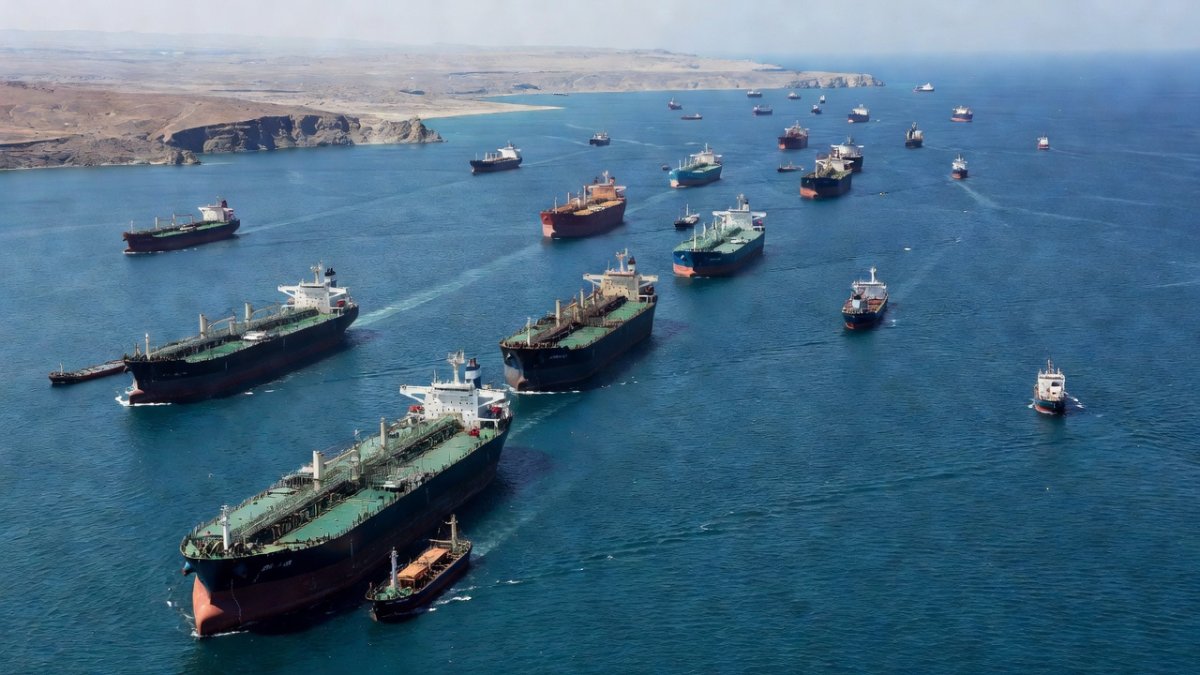
At least eight to ten Mitsui OSK Lines vessels exited the Strait of Hormuz in convoy on July 6 using a route near Iran. This movement followed the US-Iran ceasefire that created a fragile opening after months of disruption. The convoy represented the largest coordinated departure of Japan-linked ships since the conflict began. Observers noted the vessels maintained close formation while staying close to Iranian waters throughout the transit.
The fleet consisted of six VLCCs carrying a combined 12 million barrels of crude oil along with two chemical tankers, one vehicle carrier and one container ship. These vessels had been stranded since late February when the Iran war started following US-Israeli strikes on February 28. The composition reflected typical Japan-linked traffic through the vital waterway that carries one fifth of global oil supply. Mitsui OSK declined to comment on the specific convoy operation.
The strategic importance for Japan lies in the gradual restoration of energy supply lines after prolonged interruption. Japan depends heavily on seaborne crude imports that must pass through the Strait of Hormuz. The successful passage of these vessels signals a potential easing of constraints that have affected multiple sectors of the Japanese economy. METI has tracked developments closely since the initial disruptions began.
Further movements are anticipated as additional Japan-linked ships seek to utilize the same narrow window created by the ceasefire. The convoy format appears to offer a practical method for managing risks during this transitional period. Japanese importers remain focused on restoring normal volumes as quickly as possible while conditions allow.
Iran's 'Route of Authority' and Maritime Security
Iran's IRGC has designated a specific "Route of Authority" requiring ships to use Iranian waters for safe passage through the Strait of Hormuz. This designated corridor became the path followed by the Mitsui OSK convoy on July 6. Compliance with this route appears necessary under current conditions despite the ceasefire agreement. Japanese operators have adjusted routing plans accordingly to minimize exposure.
A July 1 container ship ran aground while attempting a non-Iranian route and Iran cited the incident as proof of the designated path's necessity. This event reinforced the preference for Iranian waters among remaining vessels awaiting transit. The grounding highlighted ongoing hazards even after the formal end of hostilities. Shipping companies continue to study such incidents for future planning.
Transit rules remain unclear despite the ceasefire creating a fragile opening for commercial traffic. Japanese shippers face continuing uncertainty regarding insurance coverage and operational permissions in the region. Mitsui OSK and other operators must balance the need to move stranded vessels against these unresolved questions. The situation requires careful coordination with multiple authorities.
Insurance markets have not returned to normal conditions following the extended closure period. Japanese companies must secure specialized coverage for each transit through the designated route. This added layer of complexity affects scheduling and cost calculations for all remaining Japan-linked vessels. METI has noted these challenges in its ongoing assessments.
Japan's Energy Security at Stake
More than 40 Japan-linked ships remain trapped in the region including 12 tankers that together hold the equivalent of 10 days of Japan's crude consumption. This backlog underscores the vulnerability of Japanese energy supply chains to disruptions in the Strait of Hormuz. The prolonged stranding since late February has forced reliance on strategic reserves. METI continues to monitor the situation with close attention to reserve levels.
The Mitsui OSK CEO told the Financial Times in mid-June that it would take weeks before normal operations could resume. This timeline reflected the scale of the challenge facing Japanese shipping interests. The July 6 convoy represents an early step toward addressing that extended delay. Additional convoys will be required to clear the remaining backlog.
Strategic reserve drawdowns have been necessary to maintain supply stability during the months of restricted transit. Japan has drawn on these reserves to offset the absence of regular tanker arrivals. The successful exit of the Mitsui OSK vessels offers some relief but does not yet restore full import flows. METI continues to evaluate the pace of reserve replenishment.
Energy security remains a central concern for Japanese policymakers given the concentration of supply routes through the Strait of Hormuz. The current convoy movement demonstrates both the possibilities created by the ceasefire and the limitations that persist. Further coordinated transits will determine how quickly normal volumes can be restored.
Gradual Return of Commercial Shipping
The Sohar LNG became the first Japan-linked vessel to cross the Strait of Hormuz since February 28 when it completed its transit in April 2026. This single passage marked the initial sign of reopening after the US-Iran ceasefire took effect. Subsequent movements have built slowly on that precedent. Japanese operators have watched each transit for indications of sustainable conditions.
The S-Oil VLCC Long Wind carrying two million barrels of Saudi crude exited on July 5 and is due to arrive at Onsan on July 26. This voyage preceded the larger Mitsui OSK convoy by one day and demonstrated continued use of the Iranian route. The timing suggests increasing coordination among operators seeking to move stranded tonnage. Each successful passage provides additional data for planning.
The Mitsui OSK convoy on July 6 represented a significant increase in scale compared with earlier individual transits. Ten vessels moving together offered both operational efficiency and collective security under the designated route. This approach appears to be emerging as a preferred method during the fragile reopening phase. Mitsui OSK declined to comment on details of the operation.
Insurance markets have not normalized despite the ceasefire and gradual resumption of traffic. Japanese shippers continue to face elevated costs and restrictive terms for Hormuz transits. Caution remains the dominant sentiment even as optimism grows with each completed convoy. The balance between these factors will shape the pace of future movements.
Regional Implications for Oil Markets
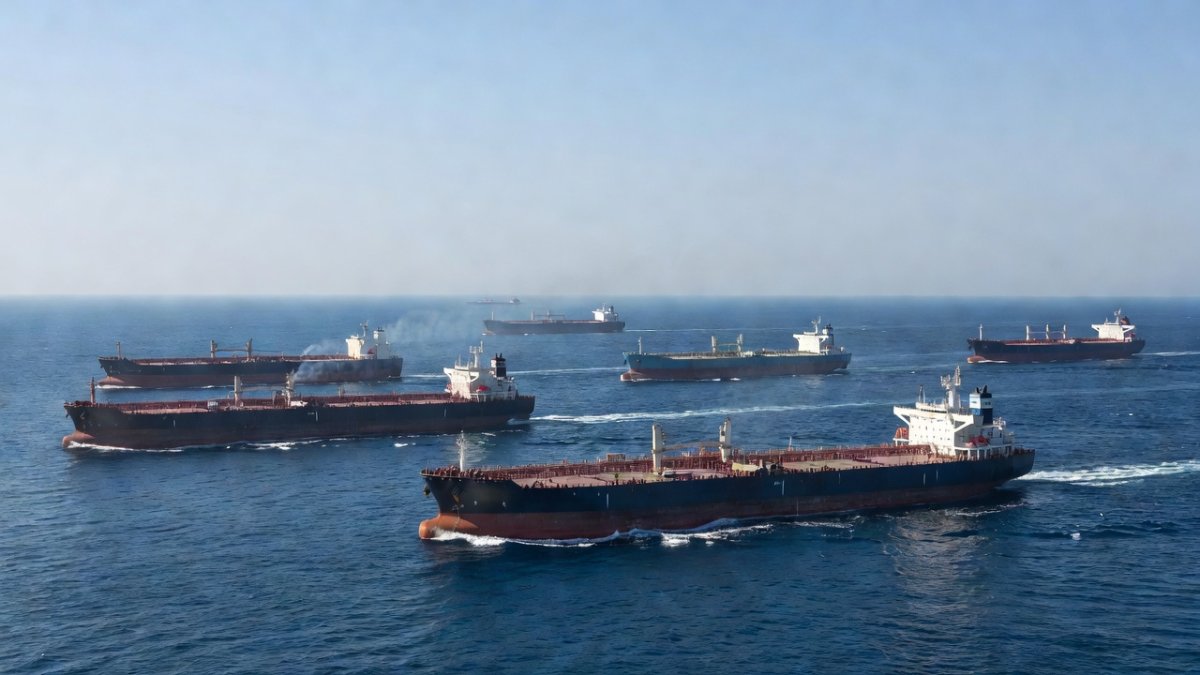
The 12 million barrels carried by the six VLCCs in the Mitsui OSK convoy represent a meaningful addition to global supply at a time when stocks have been depleted. The Strait of Hormuz carries one fifth of global oil supply and any sustained reopening affects prices worldwide. Japanese importers are among the first to benefit from the coordinated transit. Market participants are watching for signs of further volume increases.
Depleted global stocks have created upward pressure on prices during the months of restricted Hormuz traffic. The arrival of these cargoes offers some relief to that pressure though the effect depends on the speed of additional convoys. South Korea will receive the two million barrels aboard the Long Wind when it reaches Onsan later this month. This delivery illustrates the regional distribution of cargoes moving through the strait.
Regional supply chains are beginning to adjust to the possibility of more regular traffic through the designated Iranian route. Japanese refiners and petrochemical facilities stand to gain from improved crude availability. The Mitsui OSK convoy provides an early indication of how these adjustments might unfold. Continued monitoring by METI will track the impact on domestic markets.
Oil price risks remain elevated until normal traffic volumes are restored across the strait. The current convoy movement reduces some immediate concerns but does not eliminate longer-term uncertainty. Japanese energy planners continue to assess multiple scenarios for the coming weeks. The pace of additional departures will determine the extent of price stabilization.
Outlook for Japanese Importers and Policy Response
More convoys are expected as additional Japan-linked vessels seek to exit using the Iranian route established by the IRGC. The Mitsui OSK operation on July 6 provides a template that other operators may follow in the coming days. METI continues to track these developments while managing reserve releases to bridge remaining gaps. The timeline for full restoration of normal traffic remains uncertain.
METI reserve releases have helped maintain supply stability during the extended period of restricted Hormuz access. These releases will continue as needed until sufficient volumes resume through the strait. Japanese importers are preparing for a gradual return to regular scheduling once additional convoys clear the backlog. The 40 remaining vessels will require several more coordinated movements.
The broader timeline for normal traffic depends on sustained adherence to the designated route and continued absence of new disruptions. Mitsui OSK and other Japanese shipping companies are evaluating conditions on a daily basis. METI monitoring provides critical data for these assessments. Policy responses will focus on maintaining energy security while the situation stabilizes.
Japanese importers should watch for announcements of subsequent convoys and any changes in insurance availability. The pace of reserve drawdowns offers another indicator of progress toward restored flows. METI statements will continue to guide expectations regarding the duration of current measures. The coming weeks will determine whether the July 6 convoy marks the beginning of sustained recovery.
By Kenji Tanaka, Staff Writer
This article was produced with AI-assisted research and editorial support. Reporting is based on sources cited in the article.
What's Your Reaction?
 Like
0
Like
0
 Dislike
0
Dislike
0
 Love
0
Love
0
 Funny
0
Funny
0
 Wow
0
Wow
0
 Sad
0
Sad
0
 Angry
0
Angry
0

Japan Correspondent at Global1.News. Tokyo-based voice covering Japanese politics, technology, economy, and culture. Tracks the intersection of tradition and innovation in one of the world's most dynamic societies.














Comments (0)