
How AI Is Reshaping Sierra Leone's Music Industry
Artificial intelligence is rapidly transforming Sierra Leone's music industry, offering local artists powerful new creative tools while raising urgent questions about originality, ownership and the future of musical identity. From Freetown's bustling recording studios to the global streaming platforms where Sierra Leonean artists compete, the AI revolution is making itself hear
Artificial intelligence is rapidly transforming Sierra Leone's music industry, offering local artists powerful new creative tools while raising urgent questions about originality, ownership and the future of musical identity. From Freetown's bustling recording studios to the global streaming platforms where Sierra Leonean artists compete, the AI revolution is making itself heard.
How AI Is Reshaping Sierra Leone's Music Industry — Creativity Meets Copyright in West Africa's Emerging Tech Frontier
Dakar, Senegal — The intersection of artificial intelligence and music is playing out in real time across Sierra Leone, where a $1 million Google-Idris Elba initiative is about to bring AI tools to 100,000 African creators, even as local artists and producers wrestle with what the technology means for their craft, their careers and their cultural identity.
Nashito Kulala: A Veteran Producer's View on AI
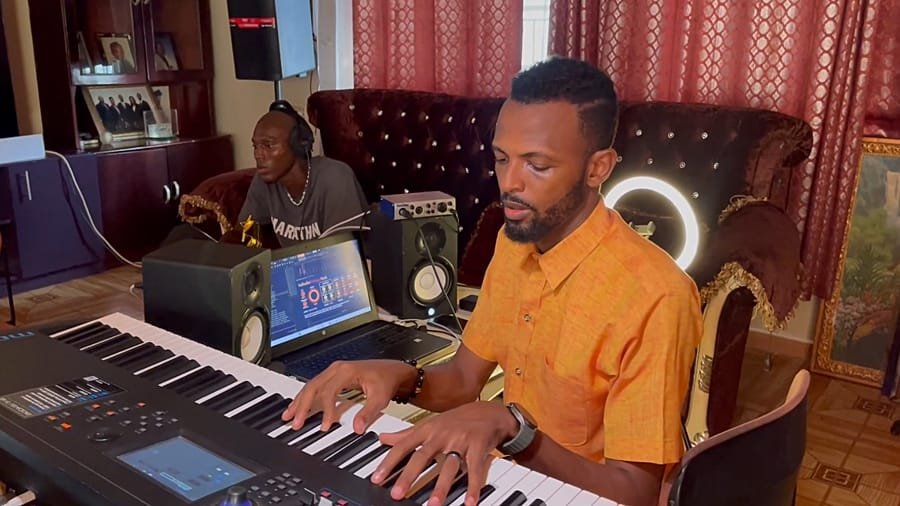
Joseph Koroma, known professionally as Nashito Kulala, is an 8-time award-winning music producer who has spent more than two decades producing some of Sierra Leone's biggest hits across palm-wine music, highlife and Afrobeats fusions. His Freetown studio sits near the bustling markets of central Freetown, where humidity clings to the walls and live drum sessions echo into the night. Nashito Kulala's perspective comes from his proven track record of producing chart-topping Sierra Leonean music that still resonates on local radio and international playlists.
Nashito Kulala is active on X as @kulalabeatz with nearly 3,000 followers, where he shares production tips and reacts to industry shifts. He mentors younger producers by inviting them into his studio for hands-on sessions that blend traditional highlife guitar lines with modern Afrobeats rhythms. These sessions often last late into the evening, with artists testing new beats against the backdrop of Freetown's coastal sounds.
He believes AI should complement, not replace, human creativity. In one recent project, Nashito Kulala used AI-assisted layering to refine a palm-wine music track in under two hours instead of the usual full day of manual mixing. The tool handled repetitive EQ adjustments while he focused on capturing the emotional core of the live performance.
His studio environment features worn mixing consoles alongside newer laptops running AI plugins that suggest melody variations drawn from highlife archives. Younger producers watch how he keeps the human touch central, ensuring that AI outputs never override the distinctive Sierra Leonean swing in the rhythm section.
Comparisons to Senegal's music scene highlight similar patterns, where Dakar producers blend mbalax traditions with digital tools yet insist on live griot vocals. Nashito Kulala often references these cross-border exchanges during mentoring sessions, urging his mentees to study how Senegalese artists protect their sonic identity while experimenting.
What his perspective means for emerging producers watching the technology evolve is clear: they must ground themselves in cultural roots first. Many in Freetown now follow his example, testing AI while protecting the distinctive Sierra Leonean sound that sets their work apart on global platforms.
Tracy Jac-During and the Voice Identity Debate
Singer-songwriter Tracy Jac-During fears AI-generated voices could undermine an artist's identity. She has spoken openly in Freetown about how her own recordings carry the weight of personal history that no algorithm can replicate, especially when those recordings draw from Sierra Leonean storytelling traditions passed down through family gatherings.
She argues that a voice reflects culture, personal experiences and originality far beyond just sound. In Sierra Leone, where storytelling through song connects families across generations, losing that authenticity would erase something essential that listeners recognize immediately on radio broadcasts.
The broader debate about AI voice cloning in African music grows louder each month. Tracy Jac-During points to the SZA controversy, where the American singer publicly warned Black musicians about AI tools exploiting creators, as a warning that resonated deeply in Freetown studios.
African artists' music has appeared in AI training datasets without authorization, known as "data laundering." Tracy Jac-During has seen colleagues discover their early recordings used in models without consent, prompting her to advocate for clear contracts before any voice data leaves local studios.
Connections to Senegal's tradition of griot storytelling reinforce her stance, as griots treat voice as living heritage that carries ancestral knowledge. She draws parallels during interviews, noting that Senegalese artists face identical risks when their vocal styles enter global AI systems without permission.
The concept of "data laundering," where African artists' music appears in AI training sets without authorization, remains a central concern. She insists that any future use of Sierra Leonean voices must involve clear consent and fair compensation to protect the cultural property embedded in each performance.
The Google-Idris Elba AI Initiative for African Creators
Google and Idris Elba's Elba Hope Foundation launched a $1 million AI initiative for African creators in 2026. The partnership aims to equip musicians and producers with practical tools while addressing some of the ethical questions already surfacing in Freetown studios through structured training modules.
The initiative provides free access to AI tools including Google's Gemini to 100,000 creators across the five selected countries. Sierra Leonean participants will join peers from across the region in learning how these systems can support rather than overshadow their work in music production and marketing.
Five countries are covered: Nigeria, South Africa, Ghana, Kenya, and Sierra Leone. These nations were chosen for their established music industries and growing digital infrastructure, allowing the program to test AI applications in diverse cultural contexts from Lagos highlife scenes to Nairobi electronic fusions.
Idris Elba's Sierra Leonean heritage directly connects to the initiative's focus on preserving traditional styles while expanding access. The program helps with music production, songwriting, marketing and preserving traditional styles, including workshops on documenting palm-wine music melodies before they fade from memory.
Sierra Leone has pursued AI partnerships in tourism, signaling governmental openness to the technology. This same openness now extends to the creative sector, creating space for musicians to experiment responsibly with tools that could boost exports of Sierra Leonean tracks to diaspora audiences.
Africa's media and entertainment sector is projected for significant growth driven by digital access. The Google-Idris Elba program arrives at a moment when Sierra Leonean artists need every advantage to reach wider audiences on platforms where their palm-wine and Afrobeats fusions already chart.
Copyright, Ownership and Fair Compensation
Africanews correspondent Eric Kawa reported on the story for the July 9, 2026 article. His reporting highlights how Sierra Leonean musicians view the technology with cautious optimism rather than outright rejection, especially when discussing ownership of AI-assisted tracks recorded in Freetown studios.
Eric Kawa says many musicians are concerned about protecting intellectual property and fair pay. In Freetown, conversations in recording studios now routinely include questions about who controls the rights to AI-assisted tracks once they reach streaming services.
Legal experts continue to debate who owns AI-created performances. The lack of clear rules leaves artists vulnerable, especially when their work travels across borders through streaming services that monetize tracks without tracing original contributions from Sierra Leonean vocalists.
AI music generation platforms like Suno are being used by African artists to create monetizable tracks. Some producers in Sierra Leone test these tools to draft ideas quickly before refining them with live instrumentation drawn from highlife guitar traditions.
Audits revealed South African artists' music in major AI music model training datasets without permission. The findings have prompted similar concerns among Sierra Leonean creators who fear their own recordings may have been used the same way, echoing broader West African copyright challenges.
Connections to Senegal's experience with music rights protection show parallel struggles, where local collecting societies fight for royalties on digital platforms. Eric Kawa notes that without stronger protections, the benefits of AI may flow mainly to platforms rather than the musicians themselves.
Embracing AI Responsibly: Theodore Rogers' Perspective
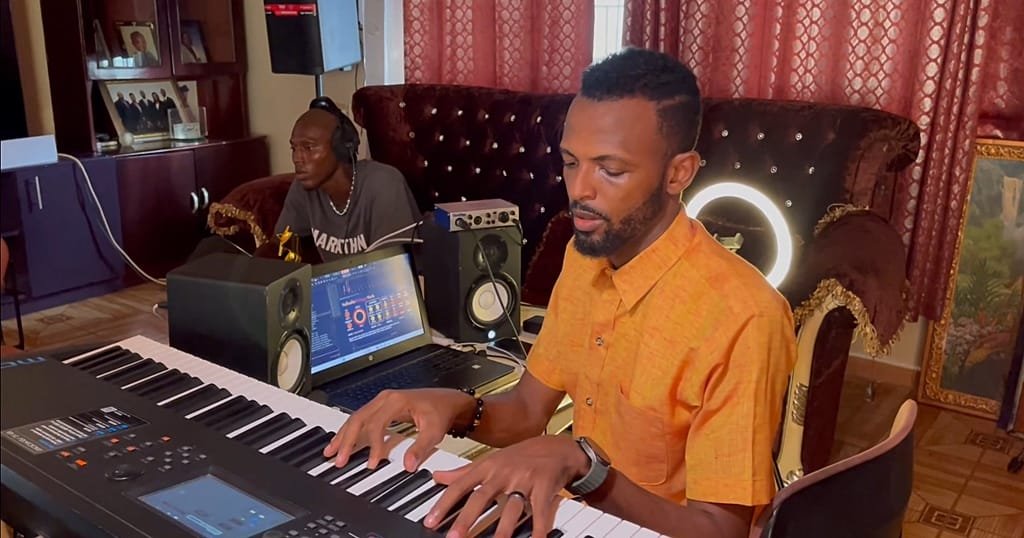
AI practitioner Theodore Rogers believes artists should embrace AI responsibly. He has advised several Freetown studios on how to integrate new tools without losing the human element that defines Sierra Leonean music, particularly in Afro-fusion and R&B projects.
AI lowers production costs for independent artists across the continent. Young musicians who once lacked access to expensive equipment can now produce professional-sounding tracks from modest home setups in neighborhoods like Kissy and Aberdeen.
Specific applications like AI-assisted production lowering costs for independent musicians have already changed daily workflows in Freetown. Producers report finishing mixes in half the usual time while maintaining quality that appeals to listeners on Apple Music charts.
The opportunity for Sierra Leonean artists to compete regionally and globally with AI tools is real. Diaspora listeners on streaming platforms respond positively when tracks carry both traditional flavor and polished production that highlights palm-wine music elements.
Data-driven audience targeting for African musicians helps artists understand which cities and age groups respond to particular fusions of highlife and Afrobeats. Theodore Rogers encourages using these insights to plan tours and releases that reach Senegalese and Nigerian markets.
Creative experimentation with generative AI in Afro-fusion, R&B and electronic music across the continent continues to grow. Sierra Leonean producers are testing these boundaries while keeping cultural identity at the center of every project, much like how Senegalese musicians historically adopted new recording technologies without abandoning griot roots.
What Listeners Say — and What Comes Next
Radio presenter Saraphina Hannah Turay says music's emotion comes from genuine human expression. She hears the difference on air when tracks carry real feeling versus those assembled entirely by algorithms, especially during prime-time shows that feature local palm-wine music requests.
The divided opinion among Sierra Leonean listeners about AI-generated music reflects broader conversations happening in markets and taxis across Freetown. Some welcome the new sounds while others prefer the warmth of live performances recorded in neighborhood studios.
How the African continent is experimenting with AI music generation while debating ethics shows a mature approach. Sierra Leonean artists are not rejecting the technology outright but insisting on safeguards that protect both innovation and cultural heritage.
The forward-looking implications for Sierra Leone's creative economy are significant. As more tools become available, the country could see increased revenue from music exports and related tourism, building on existing AI partnerships already active in the tourism sector.
Sierra Leonean artists and diaspora collaborations chart on Apple Music and other streaming platforms. These successes demonstrate that audiences value authentic voices even when technology assists the process, with highlife fusions gaining steady plays in European and North American markets.
What AI means for the preservation and evolution of traditional styles including palm-wine music and highlife remains an open question. Whether AI can ever truly replace the artist behind the song is the core issue that continues to shape daily discussions in Sierra Leone's studios, where the balance between tool and tradition will determine the next chapter of the nation's creative economy.
By Amara Diop, Staff Writer
This article was produced with AI-assisted research and editorial support. Reporting is based on sources cited in the article.
What's Your Reaction?
 Like
0
Like
0
 Dislike
0
Dislike
0
 Love
0
Love
0
 Funny
0
Funny
0
 Wow
0
Wow
0
 Sad
0
Sad
0
 Angry
0
Angry
0

West Africa/Sahel Correspondent at Global1.News. Dakar-based journalist covering politics, security, climate, and development across Francophone and Anglophone West Africa. Tells the stories of a region undergoing profound transformation.














Comments (0)