
Teen Champion Brings AI to Hippotherapy for Disabled Kids
Homey's Background Homey Preyahathai Aroonvanichporn is a remarkable 17-year-old student at NIST International School in Bangkok. Her recent achievements at the Thailand Dressage Championships 2025 include winning the Novice category for Young Riders and the Preliminary category for Juniors. These victories highlight her dedication to the sport of dressage over many years of tr
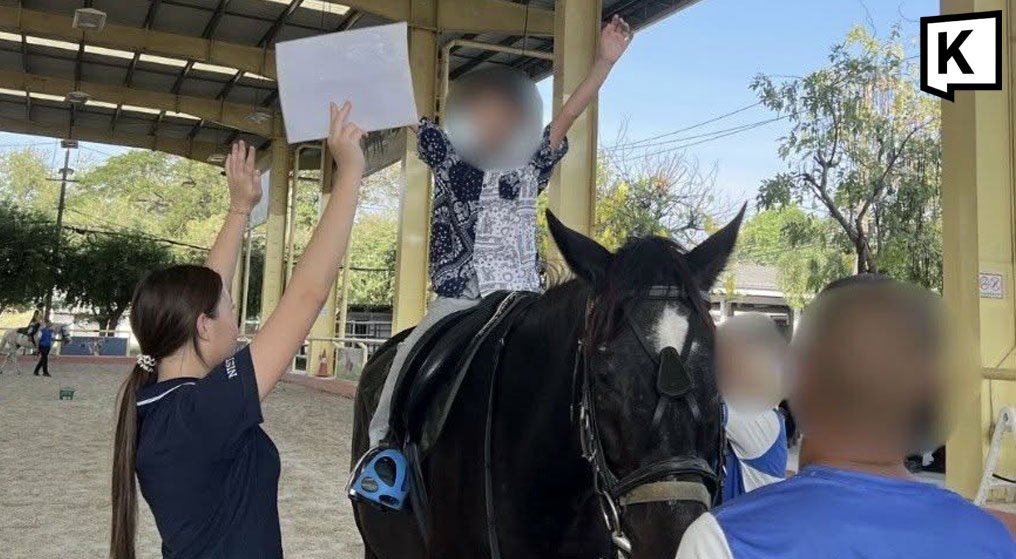
Homey's Background
Homey Preyahathai Aroonvanichporn is a remarkable 17-year-old student at NIST International School in Bangkok. Her recent achievements at the Thailand Dressage Championships 2025 include winning the Novice category for Young Riders and the Preliminary category for Juniors. These victories highlight her dedication to the sport of dressage over many years of training and competition.
Her equestrian journey began in childhood when she first connected with horses through local riding programs. Over time this passion grew into a disciplined pursuit that balanced school life with rigorous practice sessions. Homey often speaks about the discipline and empathy that riding has taught her from an early age.
What truly drives Homey is her desire to combine her love for horses with meaningful community service. She volunteers regularly at the Royal Horse Guard Club where she assists in therapeutic sessions. This blend of personal achievement and service reflects her gentle commitment to helping others through the world of equestrian activities.
Her background at NIST has also encouraged her to explore innovative ideas that merge technology with traditional practices. Friends and mentors describe her as thoughtful and persistent in pursuing projects that benefit children with special needs. This foundation has shaped her into a young innovator ready to make a lasting impact.
What is Hippotherapy?
Hippotherapy is a specialized form of therapy that harnesses the natural three-dimensional movement of horses to support rehabilitation. The rhythmic gait of a horse closely mimics human walking patterns which helps stimulate the nervous system in profound ways. This gentle motion encourages muscle strengthening and better coordination without placing undue strain on the body.
Scientific studies have shown that the horse's movement activates sensory pathways and improves neural connections over repeated sessions. Therapists note that the warmth and motion from the animal create a calming environment that enhances focus during exercises. Such interactions lead to measurable gains in physical and emotional well-being for participants.
The therapy particularly benefits children with cerebral palsy by improving trunk control and sitting ability through consistent postural challenges. It also supports those with autism by fostering better balance and sensory integration in a non-clinical setting. Families often observe increased confidence and social engagement after several months of regular sessions.
Overall quality of life improves as children gain independence in daily movements and experience reduced muscle stiffness. International research continues to validate these outcomes across diverse neurological conditions. The approach remains rooted in respect for both the child and the horse involved in each session.
Therapists emphasize that hippotherapy is not simply recreational riding but a carefully guided medical intervention. Each session is tailored to individual needs with safety protocols always in place. This thoughtful integration of animal movement and human care creates unique opportunities for progress.
The Problem
Traditional assessments in hippotherapy rely heavily on subjective observations by therapists during sessions. These visual evaluations can vary between practitioners and lack standardized metrics for comparison. As a result families often struggle to understand the true extent of their child's development over weeks or months.
Without measurable data it becomes challenging to document subtle improvements in posture or balance that occur gradually. Parents frequently express frustration when trying to share progress with other medical professionals or schools. This gap in objective records can delay adjustments to treatment plans that might otherwise accelerate recovery.
Therapists themselves face limitations due to the absence of systematic tools for recording and analyzing outcomes. Manual note-taking during active sessions leaves little room for detailed tracking of movement patterns. Over time this can lead to incomplete histories that hinder long-term research efforts in rehabilitation.
The reliance on personal judgment also introduces potential biases that affect consistency across different clinics. Families in remote areas may find it even harder to access specialized evaluations that could guide their decisions. These challenges highlight a clear need for more reliable methods to support both patients and caregivers.
The AI Solution
Homey developed an innovative concept that integrates artificial intelligence with computer vision technology to address these assessment gaps. The system captures video footage of therapy sessions and analyzes posture and movement in real time. This approach transforms raw observations into precise quantifiable data that therapists can review easily.
Through advanced algorithms the technology identifies key indicators such as trunk alignment and limb coordination during horse movement. Data-driven reports are then generated automatically providing clear visualizations of progress across multiple sessions. Therapists receive these insights without interrupting the natural flow of therapy.
The solution works by processing images frame by frame to detect changes that might escape the human eye. It compares current performance against previous benchmarks to highlight improvements or areas needing attention. Families gain access to simplified summaries that make complex information understandable and actionable.
Homey envisions this tool as a bridge between traditional hippotherapy practices and modern technological capabilities. The data collected can also feed into broader research initiatives aimed at refining rehabilitation methods. By offering objective metrics the system supports more personalized care plans tailored to each child's unique journey.
Implementation involves simple camera setups around the riding arena that do not distract the horse or the child. Initial testing has shown promising accuracy in measuring balance improvements over time. This thoughtful design ensures the focus remains on the therapeutic experience while enhancing its evaluation.
Impact on Families
For parents the introduction of data-driven assessments brings a new sense of clarity and reassurance about their child's progress. Instead of relying solely on verbal descriptions from therapists they can now review visual reports that illustrate gains in sitting ability and balance. This transparency fosters greater trust in the therapeutic process and encourages continued participation.
Families can track improvements week by week which helps them celebrate small milestones that might otherwise go unnoticed. Such detailed records also facilitate better communication with schools and other healthcare providers involved in the child's care. Parents report feeling more empowered to advocate for additional support when needed.
The real difference lies in the ability to measure quality of life enhancements objectively over extended periods. Mothers and fathers who once felt uncertain about therapy effectiveness now have tangible evidence to guide their decisions. This shift reduces emotional stress and strengthens family involvement in rehabilitation planning.
Children themselves may benefit indirectly as motivated parents become more engaged in home exercises that complement clinic sessions. The shared understanding created by these reports can improve overall family dynamics around disability care. Homey's vision emphasizes this human-centered outcome above all technical achievements.
Thai Context
In Thailand disability care has long been supported by strong community values that emphasize collective responsibility and compassion. Families often draw on extended networks and cultural traditions of mutual aid when navigating rehabilitation options. This social fabric provides a nurturing environment for innovative approaches like hippotherapy to take root.
The Royal Horse Guard Club stands as a respected institution where such therapies are offered with dignity and professionalism. Its programs reflect Thailand's growing interest in blending traditional equestrian heritage with modern health practices. Volunteers like Homey contribute to this legacy by introducing fresh ideas that honor both horses and participants.
Thai innovation in this field draws from a deep respect for nature and holistic well-being that aligns perfectly with hippotherapy principles. Local researchers are increasingly exploring ways to adapt international findings to cultural contexts that value family involvement. Homey's project exemplifies this spirit of thoughtful adaptation and progress.
Community awareness campaigns have helped reduce stigma around neurological conditions while highlighting the benefits of animal-assisted therapies. Schools and clubs across the country are beginning to recognize the potential of such programs for children with cerebral palsy and autism. This cultural openness creates fertile ground for wider adoption of supportive technologies.
Future
The implications of Homey's work extend across ASEAN nations where similar challenges in disability care exist. Shared research platforms could emerge that allow therapists from different countries to compare outcomes using standardized AI tools. This collaboration might accelerate advancements in rehabilitation technologies throughout the region.
Potential for health tourism in ASEAN grows as Thailand positions itself as a leader in innovative therapies combined with cultural hospitality. Families from neighboring countries may seek out programs at places like the Royal Horse Guard Club that offer both effective treatment and objective progress tracking. Such developments could boost local economies while improving lives.
Homey's vision centers on expanding the use of data to support ongoing studies that refine hippotherapy techniques for diverse populations. She hopes to inspire other young innovators to explore intersections between technology and compassionate care. Future iterations of the system might incorporate additional sensors for even richer insights into muscle and balance improvements.
Research potential remains vast as collected datasets contribute to evidence-based guidelines that benefit therapists worldwide. ASEAN health initiatives could integrate these methods into broader disability support frameworks that prioritize accessibility. Ultimately Homey envisions a future where every child receives personalized support that honors their unique potential and enhances their quality of life.
By Ann Srisawat, Staff WriterThis article was produced with AI-assisted research and editorial support. Reporting is based on sources cited in the article.
What's Your Reaction?
 Like
0
Like
0
 Dislike
0
Dislike
0
 Love
0
Love
0
 Funny
0
Funny
0
 Wow
0
Wow
0
 Sad
0
Sad
0
 Angry
0
Angry
0

Southeast Asia Correspondent at Global1.News. Based in Bangkok, covering Thai and Southeast Asian politics, economy, technology, and culture. Deep regional perspective on one of the world's most dynamic regions.















Comments (0)