
Brazil's police targets a close ally of President Lula in sprawling fraud probe
Federal Police Launch Coordinated Operation Across Brazil Brazil's federal police carried out search and seizure warrants on Thursday targeting Senator Jaques Wagner, a senior figure in President Luiz Inácio Lula da Silva's Workers' Party. The action formed part of a wider inquiry into fraud and graft linked to the collapsed Banco Master. Officers executed 18 warrants in the st
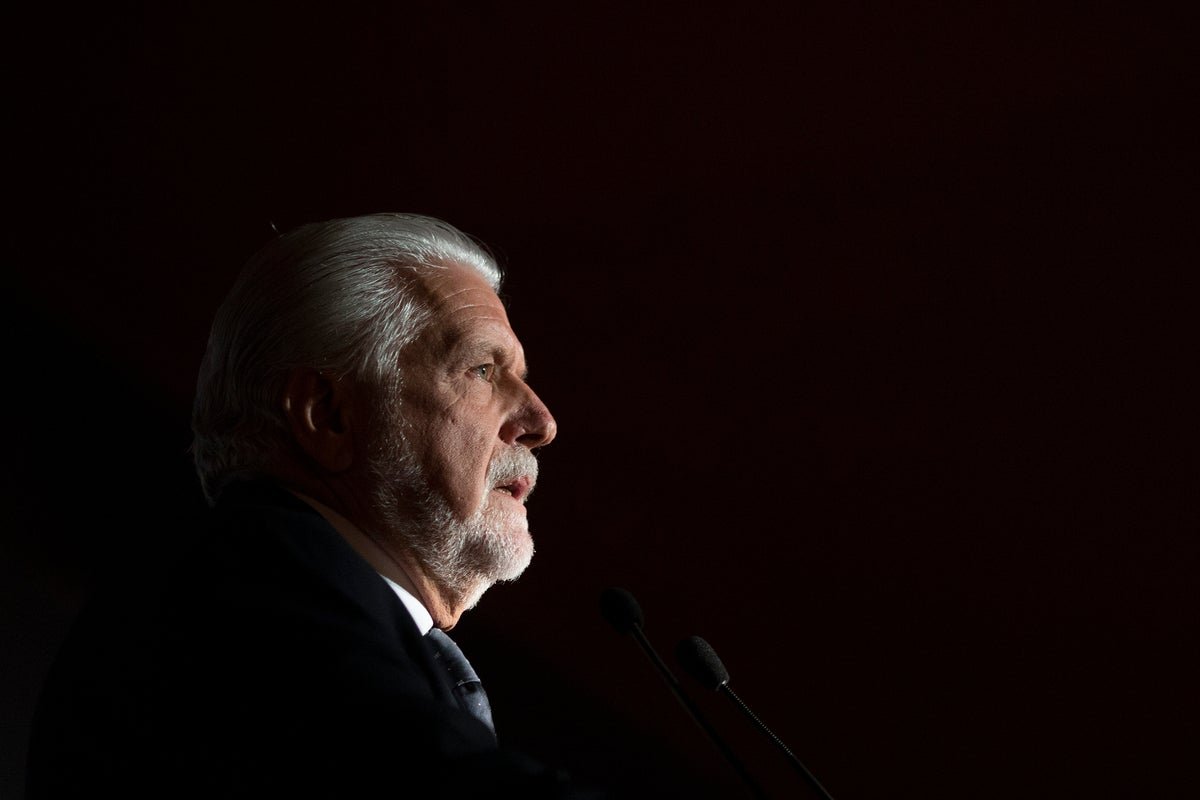
Federal Police Launch Coordinated Operation Across Brazil
Brazil's federal police carried out search and seizure warrants on Thursday targeting Senator Jaques Wagner, a senior figure in President Luiz Inácio Lula da Silva's Workers' Party. The action formed part of a wider inquiry into fraud and graft linked to the collapsed Banco Master. Officers executed 18 warrants in the states of Bahia and Sao Paulo as well as the Federal District. This coordinated approach across multiple jurisdictions reflects the national scope of the investigation and the need to gather evidence from locations where the senator maintains connections and properties.
Court documents signed by Supreme Court Justice André Mendonça authorised the measures. These papers indicated that investigators were examining possible crimes of passive corruption, active corruption and money laundering. The operation reflects the scale of scrutiny now directed at financial dealings surrounding the failed bank. In a statement that did not name suspects, police emphasised that the warrants addressed facts that may constitute these specific offences, underscoring the gravity with which authorities view the alleged misconduct.
Police recovered approximately 50,000 US dollars during the raids in Brasilia. Local reports linked the cash to addresses associated with the senator. The federal police have not yet released a full inventory of items taken from the properties searched. Such seizures form part of a methodical process that allows investigators to trace potential financial flows and establish whether assets were obtained through legitimate means.
The multi-state execution of warrants also invites comparison with the coordinated approach taken by the UK's Financial Conduct Authority in past banking inquiries, where simultaneous actions across jurisdictions helped preserve evidence integrity. Brazilian authorities appear to be applying similar principles to ensure no gaps emerge in the chain of custody. This methodical style may prove decisive as the case advances through the Supreme Court.
(The Independent)
Senator Wagner Faces Allegations Over Property and Influence
Investigators have examined whether Senator Wagner received improper benefits, including the acquisition of a luxury apartment in Salvador valued at roughly 2.45 million reais, equivalent to about 470,000 US dollars. Court records suggest this transaction forms a central element of the current line of inquiry. The documents obtained by The Associated Press detail how investigators identified indications that the senator may have received undue economic benefits through this purchase, placing the property transaction under close examination.
Authorities are also reviewing whether the senator used his congressional role to promote matters of interest to Banco Master. These include rules governing payroll loans and deposit insurance arrangements. Such questions place the senator's legislative activity under direct examination. Analysts suggest that any proven link between legislative advocacy and private interests could raise serious questions about conflicts of interest within Brazil's federal legislature.
Wagner holds the position of leader of the Workers' Party in the Senate. His prominence within the governing party makes the investigation particularly sensitive at a time when several other politicians already face scrutiny in the same case. As a key ally of President Lula, Wagner's involvement highlights how the probe has begun to reach the upper echelons of the ruling party.
Questions over legislative influence echo longstanding debates in Westminster about the boundaries between parliamentary advocacy and private sector interests. While the Brazilian context differs markedly, the underlying tension between public duty and personal gain remains a universal concern for democratic systems. Observers will watch closely to see whether Brazilian institutions apply consistent standards in this regard.
Banco Master Collapse and the Role of Former CEO Vorcaro
Brazil's Central Bank closed Banco Master in November after its assets exceeded 16 billion US dollars. The institution's failure triggered a broad federal police investigation that has since estimated total fraud at approximately 12 billion reais, or 2.3 billion US dollars. The shutdown marked one of the most significant banking collapses in recent Brazilian history and prompted authorities to trace the origins of the alleged irregularities over an extended period.
(The Independent)
Former chief executive Daniel Vorcaro was arrested in March and remains in custody. He has reportedly sought to negotiate a plea agreement with prosecutors. His position at the centre of the inquiry has drawn multiple political figures into the expanding probe. The timeline from the bank's closure in November to Vorcaro's detention in March illustrates the methodical pace at which federal investigators have built their case.
The bank's shutdown has already affected other elected officials. Presidential hopeful Senator Flávio Bolsonaro is among those previously caught up in related lines of investigation. The case continues to be handled jointly by federal police and the Supreme Court. This joint oversight ensures that high-profile matters receive consistent judicial scrutiny while maintaining operational independence from political interference.
Comparisons with the collapse of mid-sized British banks under FCA supervision highlight how regulatory bodies on both sides of the Atlantic seek to balance swift intervention with thorough evidence gathering. In each instance, the focus remains on protecting depositors while pursuing those allegedly responsible. Brazil's approach will be measured against these international benchmarks in the months ahead.
Historical Echoes: The Workers' Party and Anti-Corruption Battles
The Workers' Party carries a complex legacy when it comes to large-scale corruption investigations. Operation Car Wash, known in Brazil as Lava Jato, exposed extensive graft networks that reached the highest levels of government and business during the party's earlier periods in office. Those inquiries led to convictions, including against President Lula himself, before the Supreme Court later annulled several verdicts on procedural grounds.
The current Banco Master probe arrives against this backdrop, testing whether the party has successfully distanced itself from past patterns. Wagner's status as a senior ally places the investigation in a particularly delicate position, reviving memories of how previous scandals reshaped public perceptions of the Workers' Party. Observers note that the party's response will shape its credibility ahead of the October vote.
Analysts suggest the episode fits a recurring cycle in which Brazilian institutions confront entrenched interests, only for political actors to claim selective prosecution. The annulment of Lula's earlier convictions added another layer of complexity, leaving voters to weigh institutional independence against accusations of politicised justice. This latest development risks reinforcing those divisions.
Similar historical scrutiny has affected major UK parties following financial misconduct revelations, though the scale and judicial mechanisms differ. The Workers' Party must now navigate its own path through renewed allegations while demonstrating that accountability mechanisms function regardless of political affiliation.
Political Stakes Rise Ahead of October General Election
The timing of the operation against a leading Workers' Party senator carries clear implications for the October general election. With multiple politicians already under examination, the scandal risks becoming a dominant theme in campaign debates across the country. Opposition parties are expected to use the investigation to question the ethical standards of the governing coalition, potentially shifting voter attention toward issues of accountability and transparency.
President Lula's administration has so far avoided direct comment on the specific warrants served against Wagner. The president maintains a long-standing personal friendship with the senator, a fact that opposition parties are likely to highlight in coming weeks. This personal connection could complicate efforts by the Workers' Party to distance itself from the allegations during the electoral period.
Observers note that the federal police and Supreme Court have maintained operational independence throughout the inquiry. This separation of powers remains a key feature of Brazil's institutional framework as the electoral period approaches. The Workers' Party's history with large-scale corruption investigations, most notably Operation Car Wash, adds further context to the current scrutiny, reminding voters of past challenges the party has faced in maintaining public trust.
The investigation also raises important questions about the resilience of Brazil's democratic institutions. When senior legislators face allegations of this nature, it tests the capacity of oversight bodies to operate without undue influence. Maintaining public confidence in these processes will prove essential if Brazil is to conduct credible elections in October.
Senator Issues Public Denial and Offers Explanation
In an interview with broadcaster Band on Thursday, Senator Wagner stated he had nothing to hide. He denied receiving funds from anyone connected to Banco Master and described his contact with Daniel Vorcaro as minimal, claiming they had met only twice. These remarks were delivered in a measured tone as investigators continued their work across multiple states.
Wagner's press team issued a further statement late on Thursday. It maintained that the senator had never acted on behalf of the bank, that the seized cash had been obtained legally, and that the Salvador apartment had never formed part of his personal assets. The statement sought to address each element of the allegations directly while the federal police analyse additional records.
These responses come as investigators continue to analyse financial records and communications. The federal police have indicated that additional steps in the inquiry remain possible, though no further warrants have been confirmed at this stage. The coming weeks will likely reveal whether the current operation represents an isolated set of measures or the beginning of a more extensive phase of the investigation.
The measured nature of Wagner's public statements stands in contrast to more combative responses seen in earlier Brazilian political scandals. This approach may reflect a calculation that calm rebuttals will resonate better with an electorate weary of prolonged controversy. How effectively these denials land will depend on forthcoming investigative disclosures.
What the Banco Master Scandal Means for UK Investors
UK investment ties with Brazil, encompassing a £6.5 billion trade relationship, mean that developments in the Banco Master case carry implications beyond South America. British companies with exposure to Brazilian financial services or infrastructure projects will monitor the investigation for signs of broader regulatory tightening. Any perception of weakened governance could affect risk assessments conducted by City institutions.
Pension funds with emerging market allocations often hold positions in Brazilian assets, making the outcome of high-profile probes relevant to UK savers. The FCA's own emphasis on robust anti-money laundering controls provides a reference point for how British regulators might view Brazilian counterparties in future. Consistent application of due diligence standards will remain central to maintaining investor confidence.
Should the inquiry reveal systemic weaknesses in deposit insurance or payroll lending oversight, British firms operating in similar sectors may face heightened compliance expectations from their own regulators. The precedent set by the Supreme Court's handling of the case will therefore influence how UK entities structure partnerships in Latin America's largest economy.
Ultimately, transparent resolution of the scandal could reinforce Brazil's attractiveness as a destination for long-term British capital. Conversely, prolonged uncertainty risks prompting a more cautious stance among investors who already navigate complex emerging market environments.
Global Context and Institutional Scrutiny in Emerging Markets
Financial misconduct cases in major emerging economies such as Brazil often attract attention from international observers, including institutions in the United Kingdom. The Bank of England and HM Treasury monitor developments that could affect cross-border financial stability and investor confidence. Any perception of weakened governance standards may influence how British financial institutions assess risk when considering exposure to Brazilian markets.
While the current probe remains entirely domestic, its outcome may influence perceptions of governance standards in Latin America's largest economy. UK-based analysts have previously noted the importance of transparent regulatory processes when assessing trade and investment ties with Brasilia. Strengthened anti-corruption mechanisms could support greater bilateral cooperation, particularly in sectors such as infrastructure, energy and financial services where British firms maintain established interests.
The Supreme Court's involvement through Justice André Mendonça underscores the high-level judicial oversight applied to the matter. Such mechanisms continue to shape how similar large-scale inquiries unfold in Brazil's federal system. For international partners, consistent application of the rule of law remains a critical factor in evaluating the long-term stability of commercial relationships.
Ultimately, the manner in which Brazilian authorities conclude this investigation will send signals beyond national borders. It will indicate whether the country's institutions can address complex financial allegations while preserving public trust and maintaining the separation of powers essential to democratic governance.
By Erica Thornton, Staff WriterThis article was produced with AI-assisted research and editorial support. Reporting is based on sources cited in the article.
What's Your Reaction?
 Like
0
Like
0
 Dislike
0
Dislike
0
 Love
0
Love
0
 Funny
0
Funny
0
 Wow
0
Wow
0
 Sad
0
Sad
0
 Angry
0
Angry
0

US Politics and Policy Correspondent at Global1.News. Based in Washington DC, covering American politics, policy, elections, and the courts. Knows how the system works and tells you what it actually means.













Comments (0)