
Blueprint for Bangkok: Business Leaders Map Out Top Prior...
On Sunday June 28 2026 Chadchart Sittipunt secured re-election as Governor of Bangkok with approximately 1 440 000 votes representing 68 percent of ballots cast. The Bangkok Metropolitan Administration oversees services for 4.42 million eligible voters spread across all 50 districts from Bang Khen in the north to Bang Bon in the south. Business leaders view this decisive margin
On Sunday June 28 2026 Chadchart Sittipunt secured re-election as Governor of Bangkok with approximately 1 440 000 votes representing 68 percent of ballots cast. The Bangkok Metropolitan Administration oversees services for 4.42 million eligible voters spread across all 50 districts from Bang Khen in the north to Bang Bon in the south. Business leaders view this decisive margin as a clear signal that residents want steady progress on long-standing urban challenges rather than dramatic shifts in direction.
The strong turnout reflected widespread appreciation for the governor's first-term focus on practical improvements. Community groups in districts such as Dusit and Sathon noted that residents turned out in large numbers because they saw visible changes in daily life. Business organizations including the Thai Chamber of Commerce Bangkok chapter have begun compiling a shared checklist to guide the second term. They emphasize continuity while urging faster delivery on items that affect both large enterprises and neighborhood shops.
Blueprint for Bangkok: Business Leaders Outline Priorities for Governor Chadchart’s Second Term
Bangkok, Thailand – June 29, 2026 —
The election mandate and what it means
Across the capital the result is being interpreted as an endorsement of collaborative governance. Leaders from the Federation of Thai Industries stress that the 68 percent support creates space for measured yet ambitious planning. They point to the need for regular dialogue between the Bangkok Metropolitan Administration and private-sector representatives to ensure policies remain grounded in real economic conditions. This mandate therefore sets a tone of partnership that extends from the governor's office to markets in Yaowarat and offices along Silom Road.
Infrastructure priorities flooding CCTV and transportation
Business leaders place flood management at the top of their infrastructure checklist for Governor Chadchart Sittipunt's second term. The Bangkok Metropolitan Administration has already expanded drainage systems in low-lying areas such as Khlong Toei and Bang Na yet seasonal rains continue to test these upgrades. Executives from logistics firms operating near the Chao Phraya River stress that reliable flood protection directly supports supply chains serving both domestic consumers and ASEAN export routes.
CCTV expansion forms another concrete priority. Current coverage leaves gaps in several outer districts including Nong Khaem and Lat Krabang where small factories and warehouses operate. Business representatives argue that additional cameras linked to the Bangkok Metropolitan Administration command center would improve security for goods movement and employee safety. They cite successful pilot programs in inner districts like Pathum Wan as models worth scaling across the remaining 50 districts.
Transportation infrastructure gaps also feature prominently on the checklist. Although major roads have seen repairs many secondary sois still suffer from poor surfaces that slow delivery vehicles. Leaders from the transport sector recommend targeted investments that complement existing mass-transit lines. They note that smoother local connections would reduce costs for micro-enterprises that rely on timely movement of goods between markets in Bangkok and neighboring provinces. These infrastructure items together form a practical framework that business groups believe can be advanced within the first two years of the new term.
Economic agenda micro-SMEs digital tech and street vendors
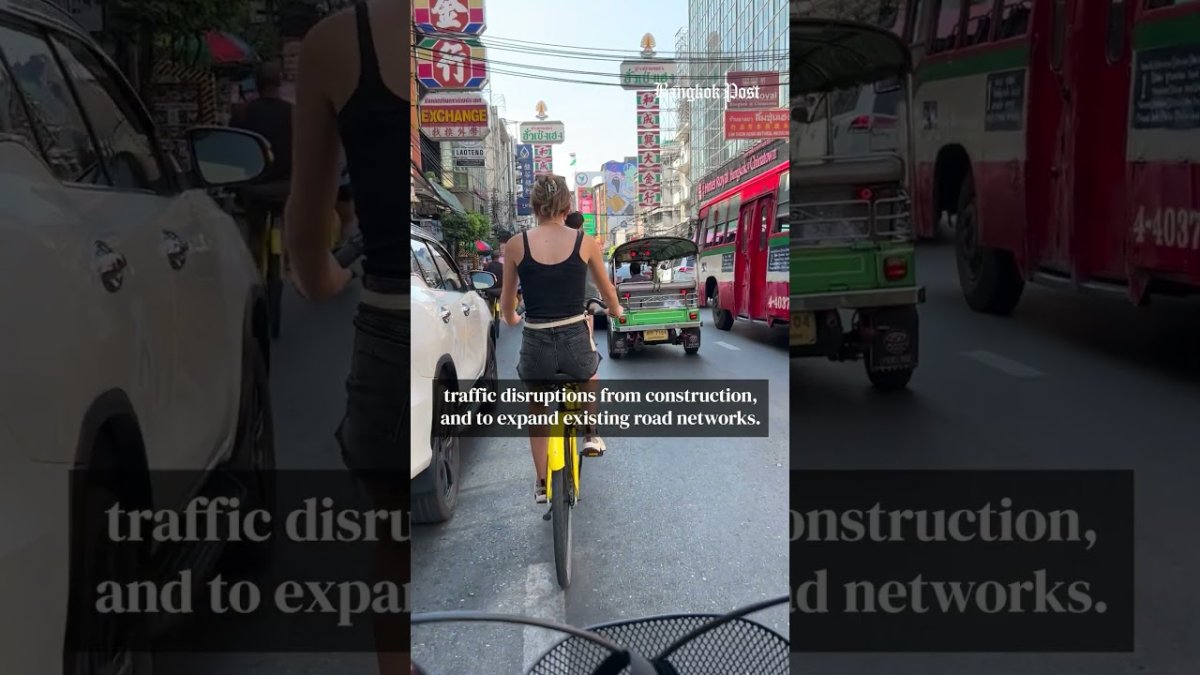
The economic agenda outlined by business leaders centers on supporting micro small and medium enterprises through digital technology. Many owners in districts such as Bang Rak and Phra Nakhon still manage operations with paper records that limit access to formal financing. The Bangkok Metropolitan Administration is encouraged to expand training programs that teach simple digital bookkeeping and online marketing tools tailored to Thai market conditions.
Street vendor regulation appears alongside these digital initiatives. Vendors along popular corridors in Din Daeng and Huai Khwang contribute to the city's vibrant street life yet also create congestion during peak hours. Business organizations propose clear zoning guidelines developed in consultation with vendor associations and nearby shop owners. Such rules would balance economic opportunity with orderly pedestrian flow without displacing long-standing community livelihoods.
Digital technology adoption is viewed as a bridge between traditional commerce and modern supply chains. Leaders highlight the potential for micro-SMEs to connect with larger ASEAN networks once basic digital skills are in place. They recommend that the Bangkok Metropolitan Administration partner with local universities to deliver workshops in community centers across all 50 districts. This approach respects cultural preferences for face-to-face learning while gradually introducing tools that can raise productivity and income stability for thousands of families.
Budget management challenges 92.7 billion baht
The Bangkok Metropolitan Administration manages an annual budget of 92.7 billion baht and business leaders stress the importance of transparent allocation during Governor Chadchart Sittipunt's second term. They note that every baht must address both visible infrastructure needs and less obvious support for neighborhood economies. Regular public reporting on spending progress would help maintain the trust earned during the June 28 2026 election.
Priority areas such as CCTV expansion and flood management require multi-year commitments that stretch across budget cycles. Executives recommend creating dedicated monitoring committees that include private-sector observers to track milestones. This structure would ensure funds reach projects in districts like Thawi Watthana and Sai Mai where residents have waited longest for improvements.
Balancing large capital projects with everyday services remains a central challenge. Business groups suggest that a portion of the 92.7 billion baht be earmarked for quick-win initiatives such as vendor management systems and digital training for micro-SMEs. Such measures would deliver early results that reinforce public confidence while larger infrastructure work continues. Careful stewardship of the budget therefore serves as both a practical necessity and a way to honor the mandate given by 1.44 million voters.
Community and grassroots impact
Community leaders across Bangkok's 50 districts emphasize that the second term must translate policy into tangible daily benefits. In areas such as Bang Kapi and Wang Thonglang residents hope for cleaner canals and safer walkways that encourage families to spend more time outdoors. Business representatives acknowledge that grassroots feedback loops will be essential to keep initiatives aligned with local realities.
Street vendor regulation offers one clear example of community impact. When guidelines are developed with input from both vendors and neighboring households the outcome tends to preserve cultural vibrancy while reducing friction. Similar participatory approaches are recommended for flood preparedness drills that involve schools and temples in each district.
Digital technology programs for micro-SMEs can also strengthen social ties. Workshops held in community halls allow neighbors to share experiences and form informal support networks. These connections often extend beyond business matters to mutual aid during festivals or emergencies. By focusing on inclusive implementation the Bangkok Metropolitan Administration can ensure that the strong electoral mandate of June 28 2026 translates into lasting improvements felt in every soi and market.
Regional implications for Thailand and ASEAN
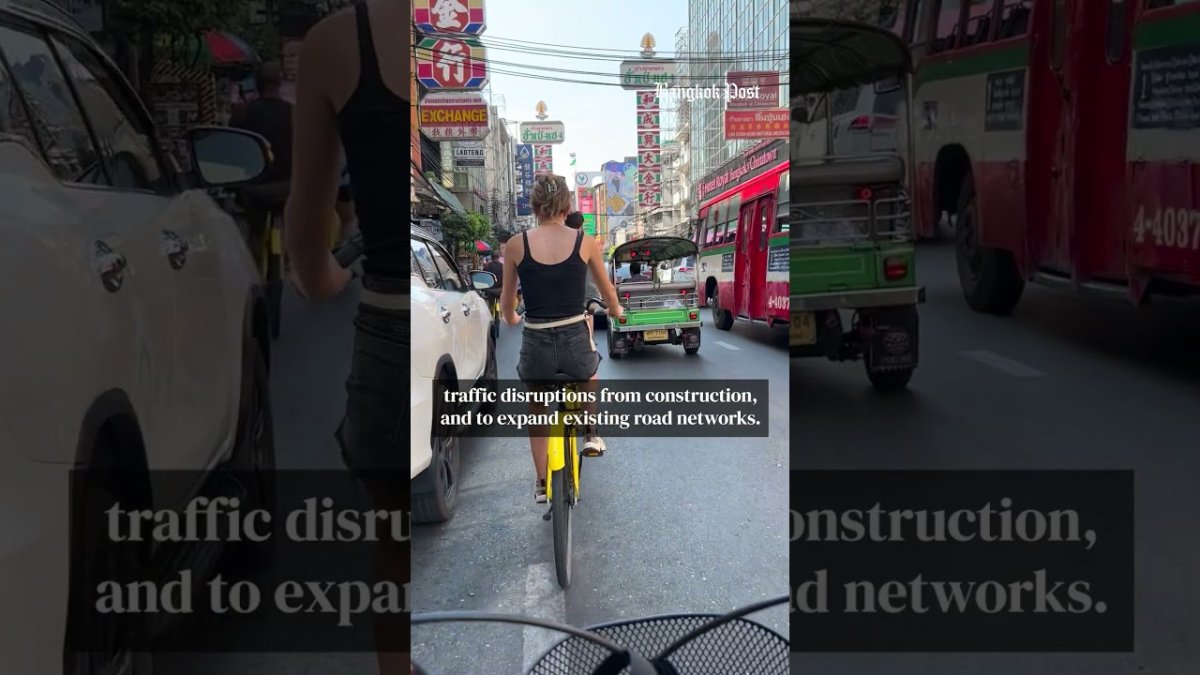
Observers in Thailand and across ASEAN view Bangkok's upcoming priorities as a potential model for other capital cities. Effective flood management and expanded CCTV coverage could inform urban planning discussions in cities facing similar monsoon challenges. Business leaders note that successful digital programs for micro-SMEs might be adapted by neighboring countries seeking to modernize traditional markets.
The 92.7 billion baht budget managed by the Bangkok Metropolitan Administration also draws regional attention. Transparent spending practices could set benchmarks for public financial management that other ASEAN municipalities might study. Governor Chadchart Sittipunt's collaborative approach with business groups offers a template for balancing rapid urban growth with community needs.
Transportation improvements that close infrastructure gaps would further strengthen Bangkok's role as a regional logistics hub. Better connections within the city support trade flows that benefit suppliers in Thailand's eastern provinces and buyers in Malaysia or Vietnam. In this way local decisions made over the next four years carry implications that reach well beyond the 50 districts of the capital.
What to watch for in the first 100 days
The first 100 days after the June 28 2026 election offer a clear window for early signals. Business leaders expect the Bangkok Metropolitan Administration to announce working groups that include private-sector voices on flood management CCTV expansion and street vendor guidelines. These groups would begin meeting in July and deliver preliminary reports by early October.
Another item to monitor is the rollout of digital training pilots for micro-SMEs. Sessions scheduled in at least five districts during August and September would demonstrate commitment to the economic agenda. Observers also anticipate initial budget transparency updates that show how portions of the 92.7 billion baht are being directed toward priority projects.
Community engagement events across multiple districts would further indicate momentum. When residents in areas such as Lat Phrao and Chom Thong see invitations to share input on infrastructure plans the collaborative spirit of the campaign can carry forward. Tracking these early actions will help business organizations and residents alike assess whether the strong mandate is being converted into steady visible progress.
By Ann Srisawat, Staff WriterThis article was produced with AI-assisted research and editorial support. Reporting is based on sources cited in the article.
What's Your Reaction?
 Like
0
Like
0
 Dislike
0
Dislike
0
 Love
0
Love
0
 Funny
0
Funny
0
 Wow
0
Wow
0
 Sad
0
Sad
0
 Angry
0
Angry
0

Southeast Asia Correspondent at Global1.News. Based in Bangkok, covering Thai and Southeast Asian politics, economy, technology, and culture. Deep regional perspective on one of the world's most dynamic regions.















Comments (0)