
Hormuz Blockade Fuels Oil Surge and Canadian Concerns
Tensions in the Strait of Hormuz have escalated sharply this summer, with fresh attacks on commercial shipping and intensified military strikes raising fears of a prolonged energy crisis. The narrow waterway, vital for global oil and gas flows, now sees drastically reduced traffic, sending prices hi
Tensions in the Strait of Hormuz have escalated sharply this summer, with fresh attacks on commercial shipping and intensified military strikes raising fears of a prolonged energy crisis. The narrow waterway, vital for global oil and gas flows, now sees drastically reduced traffic, sending prices higher and leaving thousands of seafarers stranded. Canadians are already feeling the effects through rising fuel costs that compound broader economic pressures.
Hormuz Blockade Fuels Oil Surge and Canadian Concerns
Ottawa, Ontario — Article continues...
The United Kingdom Maritime Trade Operations reported that a vessel was struck by an unknown projectile in the Strait of Hormuz this week, as the United States announced the death of a third service member over the weekend of July 18-19 and ramped up strikes against Iran in July 2026.
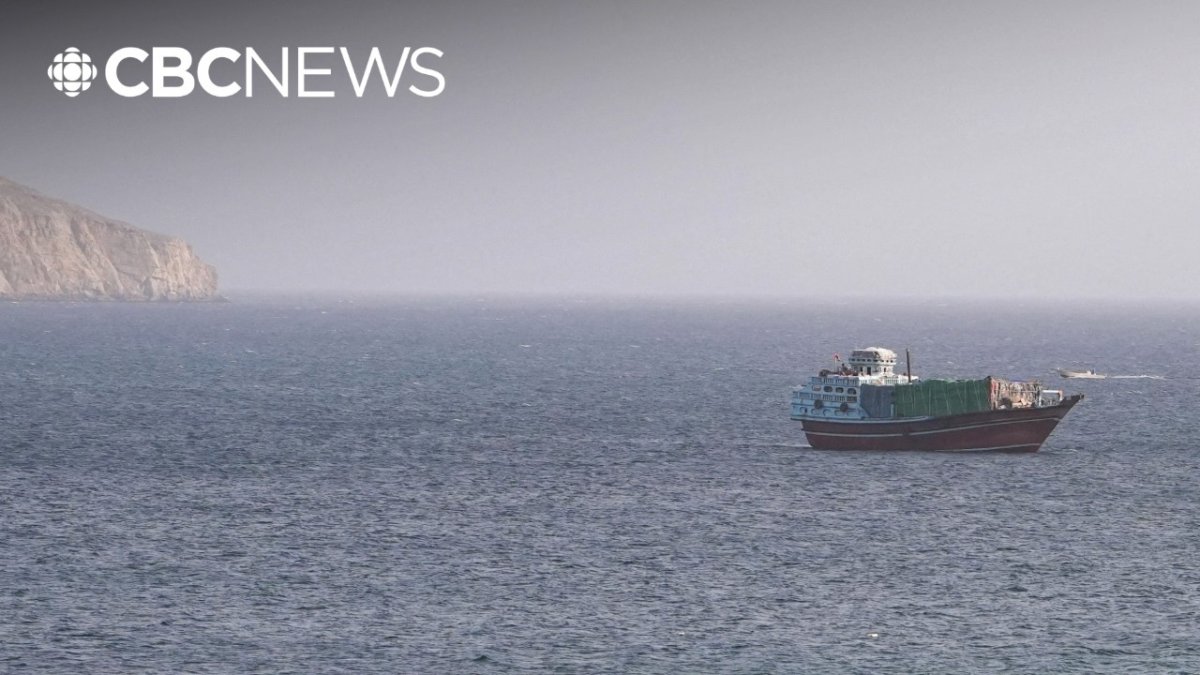
Strait of Hormuz: A New Strike
The United Kingdom Maritime Trade Operations confirmed on a recent day that a commercial vessel came under attack from an unknown projectile while transiting the Strait of Hormuz.
This incident occurred amid the ongoing 2026 Strait of Hormuz crisis that began on February 28, 2026, when the United States and Israel launched an air war against Iran.
The Islamic Revolutionary Guard Corps has maintained a blockade that restricts passage through the narrow waterway, which normally carries 25 percent of world seaborne oil trade and 20 percent of global liquefied natural gas shipments.
Only eight ships navigated the strait on a recent day, compared with the usual average of approximately 20 vessels per day.
The Broader Conflict
The United States reimposed its naval blockade of Iranian ports in mid-July 2026 and increased airstrikes on Iranian targets throughout the month.
Iran has stated that not a single drop of oil or gas will pass through the strait while the conflict continues.
The escalation follows the initial February 28, 2026, air operations by the United States and Israel and has produced the largest disruption to world energy supply since the 1970s energy crisis.
World Bank and International Monetary Fund officials have issued warnings about the global economic consequences of sustained closure of this critical chokepoint.
Toll on Seafarers and Shipping
Seventeen seafarers have been killed and ten others injured since the crisis began on February 28, 2026.
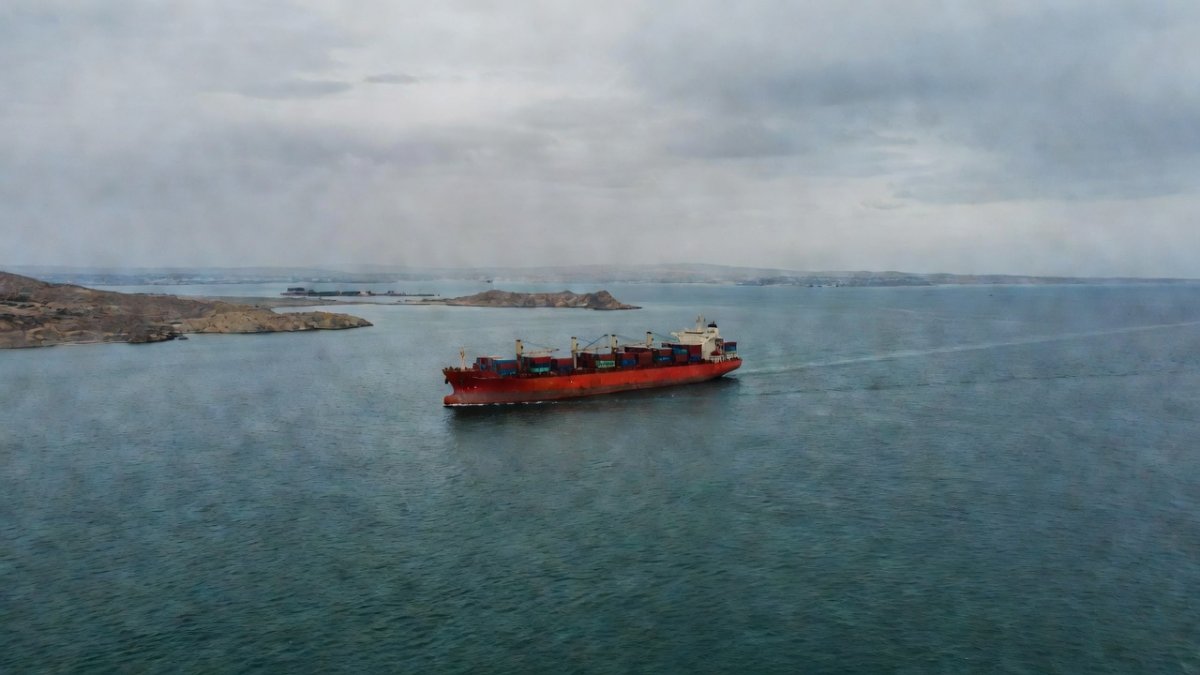
Approximately 20,000 mariners and 2,000 ships remain stranded inside the Persian Gulf because of the Islamic Revolutionary Guard Corps blockade.
The United Kingdom Maritime Trade Operations continues to track incidents in the strait, including the most recent projectile strike on an unidentified vessel.
These disruptions have halted normal crew rotations and cargo movements for vessels that typically transit the route multiple times each month.
Impact on Global Energy Markets
Brent crude oil surpassed 100 United States dollars per barrel on March 8, 2026, and later peaked at 126 United States dollars per barrel.
The March 2026 oil price spike represented the largest monthly increase in history, with Brent crude surging past 100 United States dollars per barrel on March 8 before reaching 126 United States dollars per barrel. This volatility stems directly from the Islamic Revolutionary Guard Corps blockade that has slashed daily transits through the Strait of Hormuz to just eight vessels, far below the normal average of approximately 20 ships.
Oil prices reached their highest level in a month as shipping through the Persian Gulf remains disrupted by the blockade.
The strait normally carries 25 percent of world seaborne oil trade and 20 percent of global liquefied natural gas shipments, creating the largest disruption to energy supplies since the 1970s energy crisis when OPEC embargoes triggered similar global shortages. Fertilizer markets have faced acute pressure because the region accounts for 30 to 35 percent of global urea exports, while aluminum and helium supply chains have also contracted sharply as vessels remain trapped inside the Persian Gulf.
United States average gasoline prices have returned to four dollars per gallon amid the escalation.
Shipping insurance rates have climbed dramatically, with war-risk premiums for Persian Gulf transits rising several-fold and adding substantial costs that ripple through global supply chains. These increases compound existing inflationary pressures on commodities that rely on just-in-time maritime logistics. OPEC+ members have discussed releasing spare capacity, yet questions persist about whether remaining reserves can offset sustained losses from the strait.
Markets for aluminum, fertilizer, and helium have also experienced supply shortfalls because vessels carrying these commodities cannot exit the Persian Gulf.
World Bank and International Monetary Fund officials have warned that prolonged closure risks tipping multiple economies into recession. Forward-looking analysis suggests that even partial reopening would require months to restore normal volumes, leaving energy markets vulnerable to further shocks through the remainder of 2026.
What This Means for Canadians
Canadian drivers have already seen higher pump prices as Brent crude climbed above 100 United States dollars per barrel and United States gasoline averaged four dollars per gallon.
Canadian households face compounding pressures from elevated fuel costs that exacerbate the ongoing cost of living crisis. With Brent crude above 100 United States dollars per barrel and United States gasoline averaging four dollars per gallon, retail prices at Canadian pumps have risen several cents per litre across major cities. Families in Ontario, Alberta, and British Columbia report the sharpest impacts during daily commutes, while Quebec and Atlantic Canada experience secondary effects through higher freight charges that elevate food and goods prices.
The increase directly affects households in Ontario, Alberta, and British Columbia where families fill up vehicles for daily commutes and weekend travel.
Home heating costs are projected to climb significantly this winter as natural gas and heating oil benchmarks track the same upward trajectory. Grocers have begun passing on increased transport expenses, with delivery fleets absorbing higher diesel prices that ultimately reach consumers through elevated grocery bills. Small businesses in agriculture and logistics face particular strain, as fuel represents a major operating cost that cannot be easily absorbed without raising service rates or reducing margins.
Canada exports crude oil to the United States through pipelines and marine terminals, and any sustained rise in global prices alters the economics of those cross-border shipments.
Retail gasoline in major Canadian cities has moved in line with the Brent benchmark, adding several cents per litre at the pump for consumers already managing higher living costs. Provincial variations remain pronounced, with Alberta producers gaining from stronger crude realizations while Eastern refiners contend with costlier imported feedstocks. Policymakers anticipate these dynamics will persist until transits through the strait return to normal levels of approximately 20 vessels per day.
Canada's Energy Calculus
Canadian energy policy makers must now analyse how the Strait of Hormuz blockade affects both export revenues and domestic fuel costs.
Canada occupies a distinctive position as both a major energy producer and a nation with notable refinery constraints that limit its ability to process domestic crude efficiently. Eastern Canada continues to rely on imported feedstocks even as Western Canadian heavy oil faces export bottlenecks, creating uneven regional effects from the global price surge. The Trans Mountain pipeline expansion now plays a critical role in delivering Alberta crude to Pacific markets, potentially mitigating some revenue losses if Asian demand remains firm.
Alberta producers benefit from higher prices for their heavy crude, yet refiners in Eastern Canada face elevated costs for imported feedstocks when global benchmarks rise.
Canadian liquefied natural gas projects such as LNG Canada, Woodfibre, and Ksi Lisims could partially offset reduced volumes that normally transit the strait, though commissioning timelines limit immediate relief. Federal and provincial dynamics have intensified, with Alberta advocating accelerated approvals while Ottawa weighs environmental commitments against energy security needs. Canada maintains no formal strategic petroleum reserve comparable to the United States system, leaving policymakers with fewer direct tools to stabilise domestic supply.
The federal government has monitored the situation since the February 28, 2026, start of the air war, recognising that prolonged disruption could influence decisions on new pipeline approvals and strategic petroleum reserves.
Trade officials are also assessing whether Canadian liquefied natural gas projects on the Pacific coast can partially offset reduced volumes that normally flow through the strait. Options under consideration include coordinated releases through the International Energy Agency, targeted support for affected sectors, and diplomatic engagement via the Group of Seven to encourage de-escalation. Analysts expect these calculations to shape federal budget decisions and pipeline policy well into 2027.
International Response
The World Bank and International Monetary Fund have coordinated statements warning of recession risks if the blockade continues beyond the summer months.
Canada participates in multilateral discussions through the Group of Seven and the International Energy Agency to coordinate emergency supply measures.
Other nations have increased naval patrols in adjacent waters, though no Canadian warships have been deployed to the region at this stage.
Diplomats continue to press for de-escalation while preparing contingency plans for further commodity price spikes.
What Happens Next
United States Central Command has indicated that additional strikes against Iranian targets remain possible in the coming weeks.
The Islamic Revolutionary Guard Corps has not signalled any intention to lift the blockade that has kept roughly 2,000 ships inside the Persian Gulf.
Canadian energy analysts expect Brent crude to remain above 100 United States dollars per barrel as long as daily transits stay at eight vessels or fewer.
Families across Canada will continue to feel the effects at the pump until shipping volumes through the Strait of Hormuz return to the normal level of approximately 20 ships per day.
By Alex Thompson, Staff WriterThis article was produced with AI-assisted research and editorial support. Reporting is based on sources cited in the article.
What's Your Reaction?
 Like
0
Like
0
 Dislike
0
Dislike
0
 Love
0
Love
0
 Funny
0
Funny
0
 Wow
0
Wow
0
 Sad
0
Sad
0
 Angry
0
Angry
0

Canada Correspondent at Global1.News. Based in Toronto, covering Canadian politics, energy, trade, and US-Canada relations. Provides the Canadian perspective on North American and global affairs.













Comments (0)