
Andy Burnham's Britain: New PM Promises Stability After Decade of Turmoil
In a dramatic shift at the heart of British politics, Andy Burnham is poised to become prime minister today, promising to deliver stability after a decade of relentless leadership upheaval that has left voters and institutions alike exhausted. His swift rise follows Sir Keir Starmer’s resignation and comes with early pledges to ease household pressures while scrapping controversial digital ID plans.
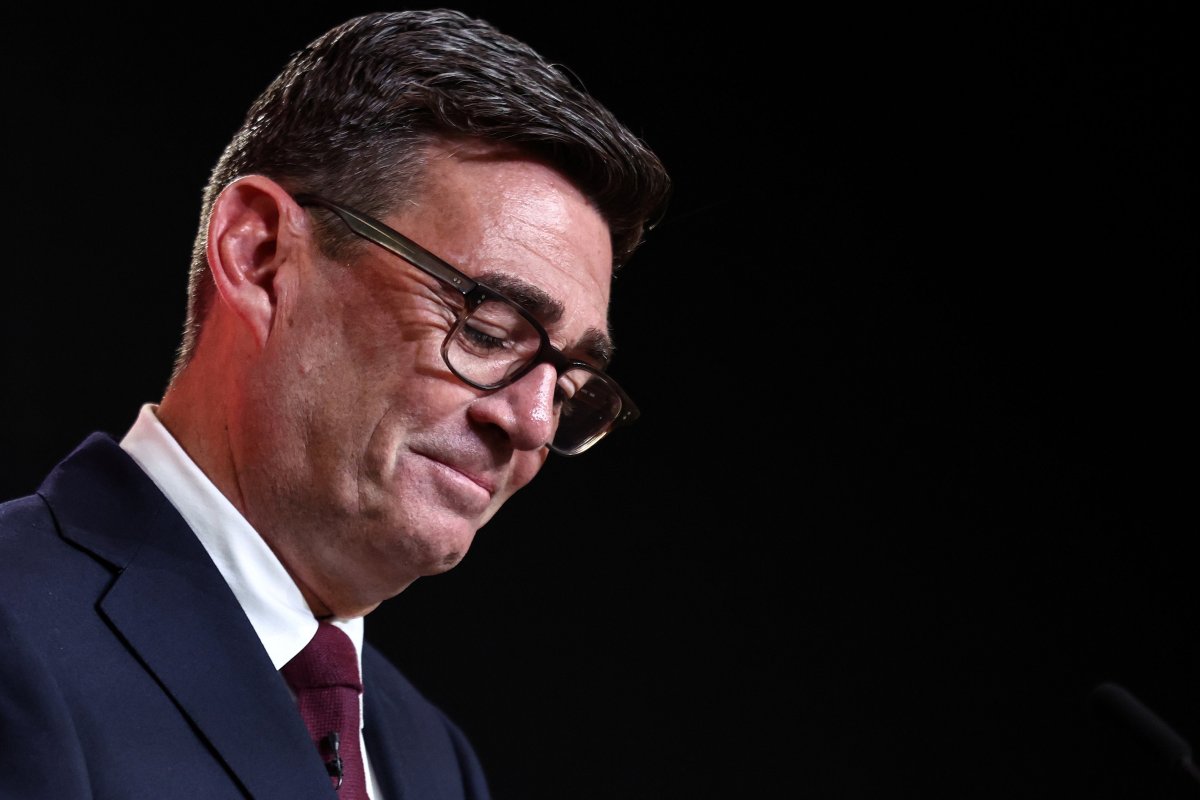
Andy Burnham's Britain: New PM Promises Stability After Decade of Turmoil
London, UK — Andy Burnham became the seventh prime minister in a decade today...
The Transition at Westminster
Andy Burnham is expected to become prime minister today after a formal audience with the King at Buckingham Palace. Sir Keir Starmer will deliver a final statement outside Downing Street at around 11.15am before travelling to the palace. Mr Burnham is then scheduled to arrive at Number 10 just before 1pm to address the nation. The handover follows Labour’s internal leadership process and marks the latest change at the top of British government.
The transition at Westminster unfolds against a backdrop of rapid leadership turnover that has defined the past decade. Andy Burnham’s elevation follows a swift internal Labour ballot triggered by Sir Keir Starmer’s decision to stand down after just over a year in office. Party members and MPs cited the need for renewed direction on the economy and public services, with Burnham securing a clear majority on the final ballot. Constitutionally, the process remains straightforward: the sovereign invites the new prime minister to form a government once the outgoing occupant has tendered resignation, ensuring continuity of executive authority without parliamentary vote.
Observers note that this handover differs from recent Conservative successions, which often occurred mid-term and without fresh electoral mandate. Burnham’s audience with the King at Buckingham Palace will be followed by the traditional exchange of seals of office, after which he will receive the formal commission to lead His Majesty’s Government. The brevity of the ceremony underscores the unwritten nature of the British constitution, where precedent rather than statute dictates the mechanics of power transfer.
Addressing a Decade of Political Instability
Mr Burnham has told The Times that Britain is not in the right place as a country and has stressed the need for more stable politics. The United Kingdom has seen seven prime ministers in the last decade, a record of turnover that has affected both Whitehall planning and public confidence in Westminster. His early remarks are expected to focus on restoring steadier government rather than immediate legislative upheaval. Observers in Parliament note that repeated changes at the top have complicated long-term budgeting at the Treasury and relations with the devolved administrations in Scotland, Wales and Northern Ireland.
Political instability stemming from seven prime ministers in ten years has left lasting scars on Whitehall’s capacity for long-term planning. Successive administrations have repeatedly reordered departmental priorities, resulting in aborted infrastructure projects and shifting fiscal rules that frustrate Treasury officials. Civil servants report diminished institutional memory, with policy teams frequently reconstituted before initiatives reach implementation stage.
Public trust has correspondingly eroded. Polling conducted by YouGov shows confidence in Westminster’s ability to deliver stable government at its lowest level since records began. Repeated changes at the top have also complicated relations with the devolved nations, where first ministers have grown accustomed to negotiating with counterparts who rarely remain in post long enough to see agreements through.
Cost of Living Measures and Digital ID Plans
The incoming prime minister is expected to promise breathing room on the cost of living while scrapping Sir Keir Starmer’s controversial digital ID scheme. Households across England and Wales have faced sustained pressure from energy bills and grocery prices, with the Office for National Statistics recording persistent inflation in essential goods. Mr Burnham’s pledge to pause elements of the previous digital identity programme is likely to be welcomed by civil liberties groups and some backbench Labour MPs concerned about data protection. The move would also require fresh instructions to the Home Office and the Department for Science, Innovation and Technology.
Household pressures from the cost of living remain acute, with the Office for National Statistics reporting that energy and food inflation have outpaced wage growth for thirty consecutive months. Families in lower income deciles have drawn down savings or increased borrowing simply to meet essential bills, a pattern that has heightened demand on food banks and local welfare schemes. Mr Burnham’s pledge to offer breathing space is therefore viewed as an immediate test of his administration’s priorities.
The decision to scrap the digital ID scheme has drawn praise from privacy advocates who argued that the previous framework risked creating a centralised database vulnerable to both state overreach and cyber-attack. Civil liberties groups had warned that mandatory digital verification could disproportionately affect marginalised communities lacking reliable internet access or photographic identification. Fresh instructions to the Home Office and the Department for Science, Innovation and Technology will now be required to dismantle the infrastructure already in development.
Energy Policy and North Sea Considerations
Reports indicate that expansion of North Sea oil and gas extraction is under consideration within the new team. Such a step would involve the Department for Energy Security and Net Zero and the North Sea Transition Authority, bodies already managing existing licensing rounds. Any policy shift would need to balance Treasury revenue forecasts against the UK’s legally binding climate targets overseen by the Climate Change Committee. Industry analysts in Aberdeen and the north-east of England are watching for early signals on future licensing rounds and supply-chain investment.
Expansion of North Sea oil and gas extraction sits uneasily alongside the United Kingdom’s legally binding net-zero targets. The Climate Change Committee has repeatedly cautioned that new licensing rounds risk locking in emissions incompatible with the sixth carbon budget. Nevertheless, Treasury revenue forecasts suggest that additional production could generate several billion pounds in tax receipts over the next decade, funds that might otherwise require borrowing or spending restraint elsewhere.
Industry voices in Aberdeen emphasise the employment dimension, noting that thousands of skilled roles in engineering and logistics depend on continued investment in the basin. Energy security considerations have gained renewed attention following recent global price volatility, with some analysts arguing that domestic supply reduces exposure to international shocks. Any policy shift will also need to account for external diplomatic signals, including reported comments from the United States on transatlantic energy cooperation.
Devolution and the Proposed 'No 10 North'
Mr Burnham has previously outlined plans for greater devolution, including the creation of what he has described as a “No 10 North” in Manchester. This would build on existing combined authority structures in Greater Manchester and the wider Northern Powerhouse agenda. Local council leaders in the region have long argued that decision-making remains too centralised in Whitehall. If implemented, the proposal could alter funding flows from central government to metro mayors and combined authorities, affecting transport, housing and skills programmes in northern England.
The proposed “No 10 North” in Manchester builds directly on the combined authority model that has operated in Greater Manchester since 2011. Proponents argue that relocating certain strategic functions would allow faster decisions on transport, skills and housing, areas where local leaders claim Whitehall has historically imposed one-size-fits-all solutions. Regional inequality data from the Office for National Statistics continue to show persistent gaps in productivity and health outcomes between the North and London and the South East.
Council leaders across the North have long advocated for greater fiscal autonomy, including retention of a larger share of business rates and the ability to borrow for long-term infrastructure. They contend that current centralised grant regimes leave local authorities exposed to sudden policy reversals in Westminster. Implementation of Burnham’s vision would therefore require legislation to formalise new powers and funding streams.
Reactions Across Parties and Beyond
Liberal Democrat leader Ed Davey has called for urgent social care reform, describing the current system as a catastrophe for families. His comments highlight an area where cross-party agreement has proved elusive despite multiple reviews commissioned by successive governments. On the international stage, former US President Donald Trump posted on Truth Social that people in Aberdeen were dancing in the streets, a remark that drew attention to the transatlantic dimension of UK energy policy. Within the Labour Party, the expected appointment of Shabana Mahmood as chancellor is already generating discussion about the balance between fiscal caution and spending demands from the left of the parliamentary party.
Cross-party reactions have been mixed. Liberal Democrat leader Ed Davey welcomed the opportunity to revisit social care reform, an area he argues has suffered from repeated ministerial churn. Within Labour, however, tensions have surfaced between the left wing of the party and supporters of Shabana Mahmood, who favour a more cautious approach to welfare spending. These divisions are expected to shape the new government’s legislative timetable.
Housing, Social Care and Everyday Realities
The housing market continues to face the toughest conditions since the financial crisis, with construction figures from the Office for National Statistics showing subdued levels of new homes. Mr Burnham’s emphasis on early investment and early intervention rather than paying for failure later is expected to shape discussions at the Ministry of Housing, Communities and Local Government. Social care remains a parallel pressure point, with local authorities in England reporting rising demand and constrained budgets. Any ten-year plan announced by the new prime minister will need to address how these sectors interact with NHS waiting lists and workforce planning across the United Kingdom.
Housing and social care present intertwined challenges that will test the incoming administration’s capacity for joined-up policy. Official figures show net housebuilding completions remain well below the 300,000 annual target, with planning delays and infrastructure constraints cited as primary obstacles. Local authority budgets, already stretched by rising demand for adult social care, have limited headroom to invest in the supported housing that could ease pressure on both the NHS and care providers.
The intersection with health services is particularly acute. Delayed discharges from hospital beds continue to cost the NHS hundreds of millions of pounds each year, largely because suitable social care placements are unavailable. Mr Burnham’s team will need to consider whether additional capital for housebuilding can be aligned with revenue funding for care services, a coordination that previous governments struggled to achieve.
Looking Ahead to a Ten-Year Framework
Mr Burnham has indicated he wants a ten-year plan for the country that prioritises prevention and long-term thinking. Such an approach would require coordination across the Treasury, the Cabinet Office and individual departments, as well as engagement with the Bank of England on monetary policy settings. The challenge lies in maintaining momentum through a parliament that may see further electoral pressures and economic shocks. For households in cities and towns from Manchester to Cardiff, the test will be whether the promised stability translates into measurable changes in wages, housing costs and public service access over the coming years.
By Erica Thornton, Staff WriterThis article was produced with AI-assisted research and editorial support. Reporting is based on sources cited in the article.
What's Your Reaction?
 Like
0
Like
0
 Dislike
0
Dislike
0
 Love
0
Love
0
 Funny
0
Funny
0
 Wow
0
Wow
0
 Sad
0
Sad
0
 Angry
0
Angry
0

US Politics and Policy Correspondent at Global1.News. Based in Washington DC, covering American politics, policy, elections, and the courts. Knows how the system works and tells you what it actually means.














Comments (0)