
Spain Wildfires: 12 Dead Including British Tourists in...
At least 12 people have died in a wildfire near Los Gallardos and Bédar in Almería, including four British tourists found in a burnt-out car. The FCDO has updated travel advice as the blaze rages amid a 40°C heatwave. Spain wildfires, Almería fire, British tourists deaths, Los Gallardos expats, FCDO travel advice, Andalusia wildfire, 40C heatwave, Endesa power lines, Juanma Mor
The Scale of the Tragedy Strikes British Communities
A ferocious wildfire raging through the hills of Almería province has claimed at least 12 lives, with four British tourists among the dead after their right-hand-drive vehicle was engulfed by flames near Los Gallardos. The blaze, which began on 9 July 2026 during an intense 40°C heatwave, has already consumed more than 3,150 hectares and forced the evacuation of around 600 residents. Andalusian regional president Juanma Moreno confirmed the grim toll on 10 July, describing scenes of devastation that have sent shockwaves through British expat networks across southern Spain.
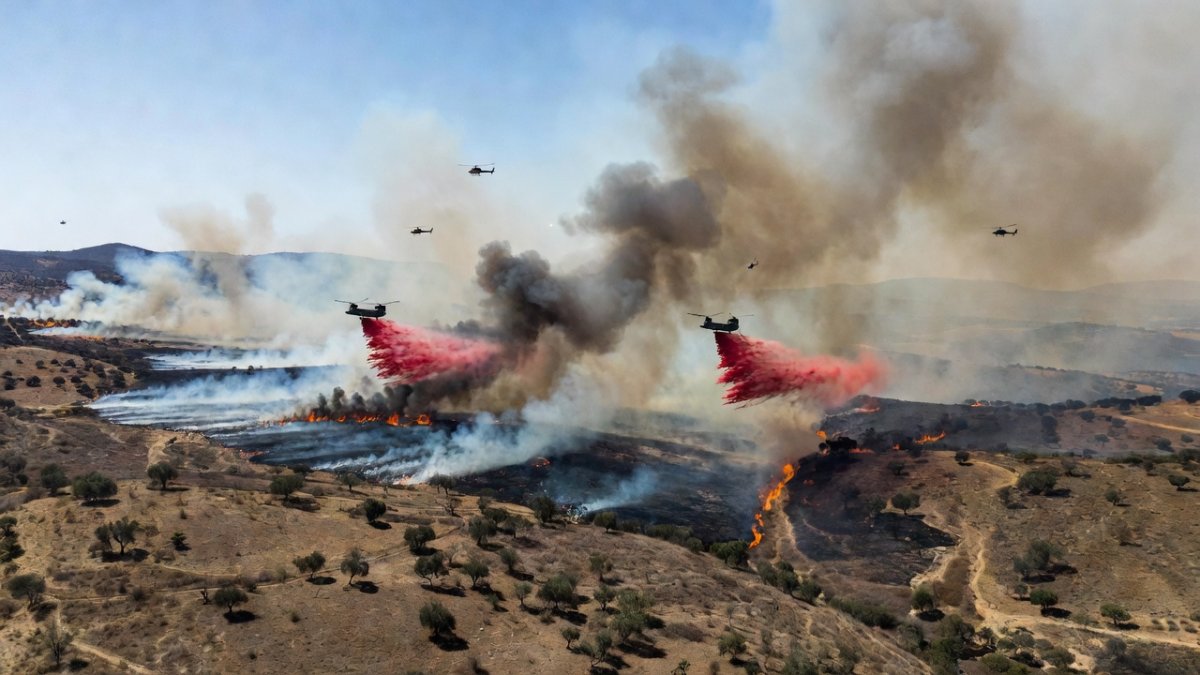
Emergency services discovered the four bodies inside the charred car on a remote track between Los Gallardos and Bédar, while one Spanish national and seven other foreign nationals also perished. Twenty-three people remain missing, and eight individuals have been hospitalised with burns and smoke inhalation. The tragedy has exposed the lethal risks facing British nationals who ignored official shelter-in-place orders, with several victims apparently attempting to flee on foot.
Identifying the Victims Amidst the Chaos
Four of the fatalities were British tourists whose right-hand-drive car was found completely destroyed, underscoring the presence of UK visitors and long-term residents in this corner of Andalusia. Los Gallardos itself hosts one of the largest concentrations of British expats on the Costa Almería, with many families now facing agonising waits for news of the 23 still unaccounted for. One Spanish national has been formally identified among the dead, while the nationalities of the remaining victims are yet to be confirmed by authorities.
Emergency chief Antonio Sanz stated that several victims disregarded instructions to remain indoors, abandoning vehicles in a desperate bid to escape the advancing flames. This detail has prompted urgent questions about communication failures during the rapidly escalating incident. British families in the UK are already contacting the FCDO helpline as they seek information on loved ones who may have been in the affected zone.
Coordinated Emergency Response Under Pressure
Authorities declared Operational Situation 2, the highest level under Andalusia’s wildfire plan, triggering the deployment of 30 aircraft and hundreds of emergency personnel. Firefighting operations have focused on containing the blaze that has already scorched 7,780 acres of scrubland and olive groves. Evacuation centres have been established for the 600 residents displaced from villages around Bédar and Los Gallardos.
Regional officials have praised the scale of the mobilisation, yet the speed of the fire’s advance caught many by surprise. Ground crews worked through the night of 9 July alongside aerial support, battling extreme temperatures and shifting winds. The response has drawn on resources from across Andalusia, highlighting the strain placed on regional emergency systems during peak summer conditions.
Cause Investigation Focuses on Power Infrastructure
Investigators suspect a severed electrical cable as the ignition source, though both Red Eléctrica and Endesa have denied responsibility. Endesa stated that the cable in question was a private section serving a restaurant closed for more than 20 years and was not energised at the time. Sky’s Europe correspondent Alistair Bunkall reported that the fire was not caused by arson or deliberate human action.
Forensic teams are examining the precise condition of the infrastructure amid conflicting statements from utility companies. The investigation will determine whether maintenance failures or unauthorised connections played a role. Such findings could have significant implications for liability and future safety standards in rural areas popular with British residents.
FCDO Response and Support for Affected Nationals
The Foreign, Commonwealth and Development Office has updated its travel advice, urging British nationals to avoid the Los Gallardos and Bédar area and to follow all local instructions. A dedicated helpline has been activated: +34 917 146 300, or +44 (0)20 7008 5000 from the UK. The Psychological Intervention Group (GIPED) is also offering support on +34 677 904 624, with English-speaking counsellors available.
Consular staff are working with Spanish authorities to assist British victims and their families. The FCDO has emphasised the importance of registering with the British Embassy in Madrid or the consulate in Málaga. This coordinated response reflects lessons learned from previous incidents involving UK nationals abroad during natural disasters.
Heatwave Context and Wider European Climate Pressures
The wildfire erupted during a prolonged 40°C heatwave that has gripped much of southern Europe, creating tinderbox conditions across the Iberian Peninsula. Similar blazes have already threatened regions in Greece, Italy and Portugal this summer, raising concerns about the increasing frequency of extreme fire events. Climate scientists point to rising average temperatures as a key driver behind the intensity of recent outbreaks.
For British expats and holidaymakers, the combination of record heat and dry vegetation has transformed routine summer travel into a high-risk activity. The Almería fire serves as a stark reminder that traditional Mediterranean destinations now face unprecedented environmental challenges. Comparisons with the 2022 fires in the same region show a marked escalation in both scale and human cost.
British Expat Community Faces Profound Loss
Los Gallardos has long been a favoured settlement for British retirees and families seeking a quieter life on the Costa Almería. The tragedy has devastated this tight-knit community, with many residents now mourning neighbours and friends while supporting search efforts. Regional differences in emergency preparedness between urban and rural expat areas have come under scrutiny.
Families back in the UK are experiencing the ripple effects through social media appeals and consular updates. The loss extends beyond immediate victims to the broader sense of security that drew thousands of Britons to southern Spain in the first place. Local businesses reliant on the British market are already reporting cancellations and uncertainty.
What Happens Next for Travellers and Investigations
Search operations continue for the 23 missing individuals, with authorities warning that further fatalities cannot be ruled out. The FCDO advises all British nationals in the region to monitor official Spanish sources and avoid unnecessary travel. Updated guidance will be issued as the fire is brought under control and investigations progress.
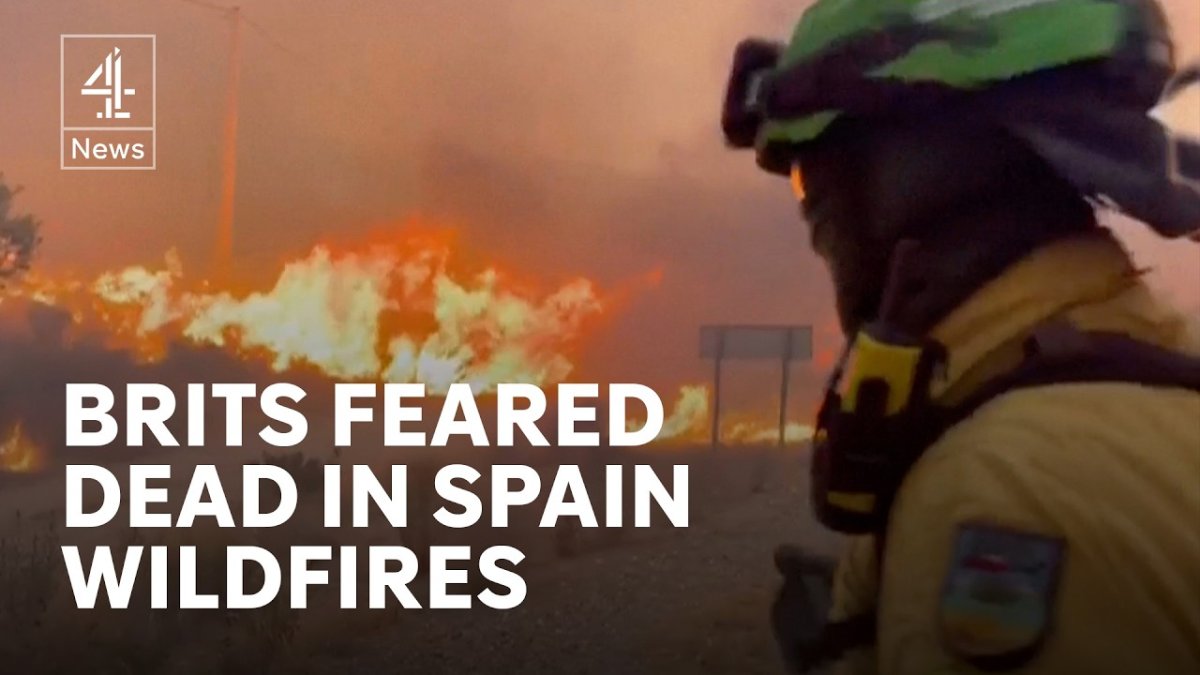
Longer-term reviews are expected to examine both the infrastructure failures and the effectiveness of public warnings. UK travellers planning trips to Andalusia this summer are urged to check the latest FCDO alerts before departure. The Channel 4 News report available at https://www.youtube.com/watch?v=nW2QtXMG55c provides further on-the-ground analysis of the unfolding situation.
The Bottom Line
This tragedy underscores the lethal intersection of extreme weather, ageing infrastructure and human behaviour under pressure. British communities in Spain have been reminded that even familiar landscapes can turn deadly with little warning. The coming weeks will test both Spanish emergency systems and the support networks available to UK nationals abroad.
While the immediate focus remains on recovery and identification, the wider implications for climate resilience and travel safety demand serious attention from policymakers on both sides of the Channel. The victims deserve nothing less than a thorough accounting of how this disaster was allowed to unfold.
By Erica Thornton, Staff WriterThis article was produced with AI-assisted research and editorial support. Reporting is based on sources cited in the article.
What's Your Reaction?
 Like
0
Like
0
 Dislike
0
Dislike
0
 Love
0
Love
0
 Funny
0
Funny
0
 Wow
0
Wow
0
 Sad
0
Sad
0
 Angry
0
Angry
0

US Politics and Policy Correspondent at Global1.News. Based in Washington DC, covering American politics, policy, elections, and the courts. Knows how the system works and tells you what it actually means.









Comments (0)