
14th Maghreb Film Fest Opens in Oujda with Star Honours
The curtain rose on the 14th edition of the Maghreb International Film Festival in the eastern Moroccan city of Oujda, where for five days the Mohammed VI Theater became a crossroads of North African cinema, creativity, and cultural dialogue under the High Patronage of His Majesty King Mohammed VI. Maghreb International Film Festival Returns to Oujda: A Celebration of North Afr
The curtain rose on the 14th edition of the Maghreb International Film Festival in the eastern Moroccan city of Oujda, where for five days the Mohammed VI Theater became a crossroads of North African cinema, creativity, and cultural dialogue under the High Patronage of His Majesty King Mohammed VI.
Maghreb International Film Festival Returns to Oujda: A Celebration of North African Cinema and Cultural Bridges
Oujda, Morocco — From September 29 to October 4, 2025, the historic eastern Moroccan city of Oujda welcomed filmmakers, actors, critics, and cinema lovers from across the Maghreb and beyond for the 14th edition of the Maghreb International Film Festival, a biennial gathering that has become one of the most important platforms for North African cinema in the region.
A Festival Built on Bridges and Stories
The 14th edition of the Maghreb International Film Festival carried the theme From Cinema Screens, Bridges Are Built and Stories Are Told, also expressed through the phrase des causes, highlighting how film serves as a common language that crosses borders. This theme guided every screening and discussion at the Mohammed VI Theater, where audiences explored narratives that linked personal struggles in Tunisian villages to broader questions of identity across the Maghreb. Association Cine-Maghreb organized the event under the High Patronage of His Majesty King Mohammed VI, ensuring that the Mohammed VI Theater hosted screenings and dialogues from September 29 to October 4, 2025.
Oujda, a border city in eastern Morocco near Algeria, provided the perfect setting for this gathering that links Morocco to its Maghreb neighbors and extends cultural ties toward West Africa. The city’s position along historic trade routes made it a natural hub where filmmakers from Rabat, Algiers, and Tunis could meet without the usual travel barriers. The festival gave Oujda audiences access to cinematic works they might not otherwise see, fulfilling its mission of cultural exchange in a region where political borders often limit such encounters.
From a Senegalese perspective, this mirrors the spirit of FESPACO in Ouagadougou, where African stories find common ground and strengthen continental creative economies through shared platforms. The official mission statement on festivalmaghrebinfilm.ma describes cinema as a common language that crosses borders, a principle that resonated deeply with Senegalese directors who have long used film to challenge colonial legacies and regional divisions. This approach turns the festival into more than a screening series; it becomes a living archive of shared North African experiences.
The opening ceremony at the Mohammed VI Theater set a tone of warmth and purpose, reminding participants that cinema remains a vital tool for diplomacy between North and West African nations. Local students from Oujda’s universities joined established critics in conversations that stretched past midnight, exchanging ideas on how stories from the Rif Mountains could inform Sahelian narratives. Such exchanges build the practical networks that later lead to co-productions between Moroccan and Senegalese crews.
Association Cine-Maghreb ensured that every element of the program reinforced the theme of des causes, from the choice of films to the layout of discussion spaces inside the theater. The result was a five-day immersion where viewers left with new perspectives on migration, memory, and resilience that directly connect to challenges facing communities from Dakar to Tunis.
Three Quotes That Defined the Opening
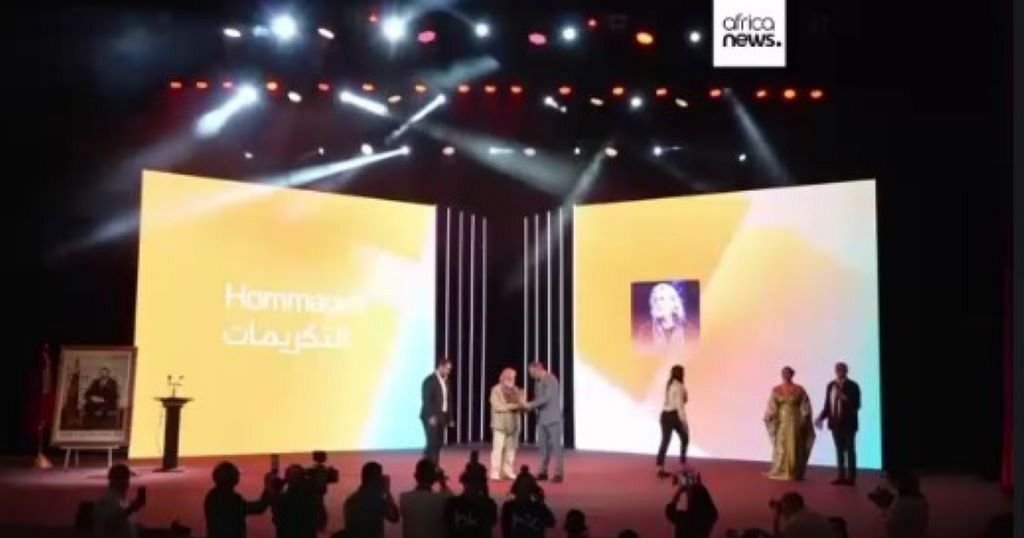
Actor Rachid El Ouali addressed the crowd at the Mohammed VI Theater, declaring that the festival will continue as long as there are passionate people who carry a great vision, people committed to offering the audience in Oujda access to cinematic works that they might not otherwise have the chance to see. His words carried extra weight because El Ouali has himself mentored young actors from the eastern provinces, creating pathways that echo the masterclasses he praised. El Ouali stressed the value of masterclasses that create opportunities for emerging talents, a point that resonated with filmmakers who travel from cities like Dakar and Tunis to participate.
Honoree Rabie Kati described the tribute as both an encouragement and a recognition of an artistic journey I have chosen, a journey defined by deliberate creative choices and a commitment to defending a specific artistic approach. Kati’s remarks highlighted how he has consistently chosen roles that portray the quiet dignity of working-class Moroccans, choices that have shaped his career across three decades. His words captured the festival’s emphasis on intentional storytelling that reflects the lived realities of Maghreb communities.
The opening ceremony atmosphere brought together Maghreb cinema’s biggest names in a setting that felt both celebratory and purposeful, with conversations spilling into the streets of Oujda after the formal program. Directors from Casablanca stood beside producers from Constantine, while Senegalese observers noted parallels to the Dakar Biennale, where similar gatherings spark lasting collaborations. The presence of these figures turned the Mohammed VI Theater into a temporary creative parliament where ideas about representation and funding flowed freely.
Masterclasses led by established professionals gave emerging voices concrete tools, from script development techniques to strategies for navigating international co-production markets. One session focused on how to secure funding for stories set in border regions, directly addressing the realities of Oujda’s location near Algeria. These practical exchanges mirror the workshop model that has helped young Senegalese directors at FESPACO build sustainable careers.
The warmth of the evening extended beyond the theater walls, as local families hosted visiting artists for informal dinners featuring traditional Moroccan and Algerian dishes. Such moments transformed abstract cultural diplomacy into personal friendships that often result in future joint projects between North and West African teams.
Honouring the Giants of Maghreb Culture
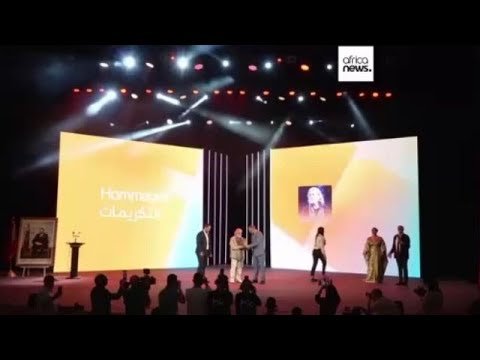
The festival paid tribute to legendary Lebanese musician Marcel Khalifa, an icon of engaged music whose work has inspired generations across North Africa and the Arab world. Khalifa’s compositions, including songs that blend classical Arabic poetry with themes of resistance, have been performed at protests from Beirut to Rabat, making his presence at the festival a bridge between music and cinema. Moroccan actor Rabie Kati received a special homage that highlighted his contributions to cinema, while Moroccan actress Soumaya Akaaboune was celebrated for her enduring presence on screen and stage.
At the closing ceremony, Moroccan actress Ibtissam El Arousi received a moving tribute that acknowledged her body of work and her role in shaping contemporary Moroccan film narratives. El Arousi’s performances in films exploring women’s autonomy have influenced a new generation of actresses who now see complex roles written specifically for them. Dr. Badr El Mokri, a university researcher and one of Oujda’s most esteemed cultural figures, was also honored for his scholarly efforts in preserving and promoting regional artistic heritage.
These tributes connect established legends with emerging talent, creating pathways that strengthen the Maghreb’s creative economy and cultural identity. Soumaya Akaaboune’s filmography includes memorable roles in both commercial successes and independent dramas that have traveled to festivals in Europe and Africa. Her career demonstrates how sustained presence on screen can open doors for younger performers from similar backgrounds.
Dr. Badr El Mokri’s research on oral storytelling traditions in eastern Morocco has been cited in academic papers that compare these practices to griot traditions in Senegal. His recognition at the festival underscored the importance of scholarly work that keeps cultural memory alive for filmmakers seeking authentic source material. In Senegal, similar honors at festivals in Dakar remind us that recognizing veterans sustains the entire ecosystem of African cinema.
The closing ceremony atmosphere carried the same sense of continuity, with Ibtissam El Arousi’s tribute featuring clips from her early television work alongside recent festival selections. These moments reminded attendees that preserving heritage requires both celebration and active transmission to the next generation of storytellers.
The Competition and the Jury
The short film competition jury was led by Moroccan producer and screenwriter Mohamed Bouzkou, whose experience guided thoughtful deliberations on new works from the region. Bouzkou’s credits include producing several features that premiered at the Marrakech International Film Festival, giving him deep insight into what makes a story resonate across borders. Jury members included Tunisian director and writer Sonia Chamkhi, Jordanian filmmaker and AI-in-cinema researcher Ahmed Mohamed Al-Faleh, and Kazakh actress Samal Yeslyamova, who won Cannes Best Actress in 2018 for Ayka.
Sonia Chamkhi’s filmography features intimate portraits of Tunisian women navigating social change, work that brought a sharp eye for authentic performance to the jury discussions. Ahmed Mohamed Al-Faleh’s unique position at the intersection of cinema and AI allowed the panel to consider how emerging technologies might help young filmmakers from resource-limited settings. Samal Yeslyamova’s Cannes win for Ayka demonstrated the international reach possible for stories rooted in specific cultural realities.
The competition focused on discovering new voices from the Maghreb and Arab world, with screenings accompanied by intellectual forums that examined cinema’s role in social discourse. Forums addressed topics such as migration narratives and gender representation, drawing direct comparisons to debates at FESPACO. Training workshops for emerging filmmakers ran alongside the main program, offering practical skills that participants from Morocco, Tunisia, and beyond could apply immediately in their home industries.
Workshops covered script structure, sound design on limited budgets, and strategies for festival submissions, skills that mirror those taught in FESPACO’s long-running training programs for directors from Senegal and the Sahel. These elements together position the festival as more than a screening event; it functions as a laboratory for the next phase of North African storytelling.
The jury’s diverse composition ensured that selections reflected both regional specificity and global standards, creating a balanced shortlist that appealed to local audiences while attracting international attention. This approach echoes initiatives at FESPACO, where workshops have long supported young directors from Senegal and the Sahel.
Palmarès: Celebrating the Best of Maghreb Cinema
The Espoir Prize went to the Tunisian short film Le Jeu des anges et du diable directed by Mohamed Amine Lakhmiri, recognizing its fresh perspective on moral dilemmas faced by young people. The film follows two brothers in a working-class Tunis neighborhood as they confront questions of loyalty and survival, themes that resonated with audiences familiar with similar pressures across the Maghreb. Best Actor was awarded to Palestinian actor Mohammad Bakri for his role in The Result directed by Palestinian filmmaker Maha Haj, underscoring the festival’s openness to stories from across the Arab world.
Mohammad Bakri’s restrained performance captured the quiet endurance of a father facing impossible choices, a portrayal that earned praise for its emotional depth. A Moroccan actress received the Best Actress award, celebrating performances that captured the nuances of women’s experiences in contemporary society. The winner’s role highlighted everyday acts of resistance that many viewers recognized from their own communities.
The diversity of stories from Tunisia, Palestine, Morocco, and beyond demonstrated how the festival platforms underrepresented voices that rarely reach mainstream distribution channels. Palestinian participation carried particular significance, as it allowed stories from Gaza and the West Bank to reach North African audiences who share similar experiences of displacement. These awards create pathways to international distribution and co-productions by giving winners visibility that often leads to invitations at Cannes and other major festivals.
Despite political borders, this edition allowed North African filmmakers to compete and celebrate together, affirming cinema as a common language that crosses borders. The Espoir Prize for Le Jeu des anges et du diable has already opened doors for Mohamed Amine Lakhmiri to discuss feature-length projects with producers from Morocco and Senegal. For African readers, such gatherings strengthen the continent’s creative economy by fostering collaborations that can lead to co-productions and wider international distribution.
Oujda: A City Reclaiming Its Place on the Cultural Map
Oujda affirms its position as a cultural destination blending authenticity and openness, drawing visitors who experience both its historic markets and the modern energy of the film festival. The city’s medina, with its centuries-old souks selling spices and textiles, sits just steps from the Mohammed VI Theater, allowing festivalgoers to move easily between cultural heritage and contemporary cinema. Oujda’s history as a crossroads of Eastern Morocco makes it a natural host for events that bridge communities across the Maghreb and into West Africa.
Each year the festival transforms Oujda into a destination for cinephiles, filling the Mohammed VI Theater and surrounding venues with screenings, discussions, and late-night exchanges. Local hotels reported increased occupancy during the five days, while restaurants near the theater saw steady streams of international visitors sampling regional specialties. The broader programme included film screenings, intellectual forums, training workshops, and tributes that together create a complete cultural experience for local and visiting audiences.
This edition was widely praised by professionals, critics and the public, according to Le Collimateur, for its organization and artistic quality. Critics noted the smooth coordination between screenings and workshops, as well as the thoughtful integration of tributes into the overall program. Regional festivals like this one are gaining importance in Africa’s cinema landscape, complementing larger events and giving smaller cities a stake in the continent’s growing film sector.
The decentralization of cultural events beyond capital cities like Rabat or Dakar allows regional centers such as Oujda to develop their own creative identities. This model mirrors efforts in Senegal to host satellite events outside Dakar, ensuring that film culture reaches audiences far from the main urban centers. The result is a more inclusive ecosystem where talent from border regions can participate without traveling long distances.
What to Watch For
The festival’s trajectory builds toward its 15th edition with renewed energy, as Maghreb cinema gains international recognition at Cannes, Venice, and other major festivals. Recent selections from Morocco and Tunisia at these events show that stories first tested at regional gatherings like FIFMO can reach global audiences. Moroccan cinema continues its rise on the global stage, supported by cross-border collaborations between North African filmmakers who meet at events like FIFMO.
Festivals such as this one play a direct role in nurturing the next generation of African filmmakers through workshops and exposure that lead to further opportunities. Co-productions between North and West African teams are already emerging from contacts made during the 14th edition, with several projects now in development. Those interested in attending can find ticket information and updates on the festival’s official website festivalmaghrebinfilm.ma.
Future editions will likely expand partnerships with West African institutions, strengthening cultural ties that benefit the entire continent’s creative industries. The festival statement on cinema as a common language that crosses borders continues to guide this expansion, ensuring that the event remains rooted in its founding principles while growing in scope. As Senegal strengthens its own film infrastructure, events like the Maghreb International Film Festival offer models for how regional gatherings can drive both artistic excellence and economic growth.
By Amara Diop, Staff Writer
This article was produced with AI-assisted research and editorial support. Reporting is based on sources cited in the article.
What's Your Reaction?
 Like
0
Like
0
 Dislike
0
Dislike
0
 Love
0
Love
0
 Funny
0
Funny
0
 Wow
0
Wow
0
 Sad
0
Sad
0
 Angry
0
Angry
0
West Africa/Sahel Correspondent at Global1.News. Dakar-based journalist covering politics, security, climate, and development across Francophone and Anglophone West Africa. Tells the stories of a region undergoing profound transformation.














Comments (0)