
Vodun Days 2026: Benin's Spiritual Heritage Draws 740,000
In the historic coastal city of Ouidah, Benin, the third edition of Vodun Days drew hundreds of thousands of visitors from across Africa and the diaspora in January 2026, transforming the birthplace of Vodun into a vibrant stage for culture, spirituality, and community celebration. Organised by the Beninese Ministry of Tourism, Culture and Arts, the three-day festival has quick
In the historic coastal city of Ouidah, Benin, the third edition of Vodun Days drew hundreds of thousands of visitors from across Africa and the diaspora in January 2026, transforming the birthplace of Vodun into a vibrant stage for culture, spirituality, and community celebration. Organised by the Beninese Ministry of Tourism, Culture and Arts, the three-day festival has quickly grown into one of West Africa's most unique and globally captivating cultural events.
Vodun Days 2026: Ouidah Welcomes Over 740,000 as Benin's Spiritual Heritage Takes Centre Stage
Ouidah, Benin — From January 8 to 10, 2026, the cobblestone streets and historic squares of Ouidah became the beating heart of Benin's cultural and spiritual heritage during Vodun Days, a festival that has rapidly evolved from a local observance into an international cultural phenomenon. Now in its third year since the government expanded the celebration from a single public holiday into a full three-day programme, the event attracted pilgrims, tourists, artists, and spiritual leaders from every corner of the globe.
A Festival Born from a National Holiday
Benin's National Vodun Day was established as a public holiday on January 10 since 1997, marking the first time any African nation officially recognized the faith as a cornerstone of national identity. This decision came after decades of colonial suppression and post-independence marginalization, allowing practitioners to openly celebrate traditions rooted in the ancient Dahomey Kingdom. The holiday honors Vodun, which translates to spirit or divinity in the Fon language, and reflects the religion's deep integration into daily life for approximately 17 percent of Benin's population alongside other faiths.
In 2024 the government expanded this single-day observance into the three-day international format known as Vodun Days, creating the third edition that unfolded from January 8 to 10 in 2026. The strategy aimed to reclaim Vodun cultural identity by positioning Benin as the authentic source of spiritual practices that spread through the diaspora. Officials sought to transform a local holiday into a platform for economic growth and global dialogue while preserving core rituals.
President Patrice Talon inaugurated the 2026 edition with a ceremony at the Esplanade of the Fort Français, underscoring the state's commitment to heritage tourism. His presence highlighted how the festival builds on the 1997 foundation to attract investment and international attention. The expansion has positioned Ouidah as a focal point for cultural diplomacy across West Africa.
Ouidah holds historical significance as the birthplace of Vodun and served as a major port in the transatlantic slave trade, where millions departed for the Americas. The city's layered past includes the Portuguese Fort and Basilica of the Immaculate Conception within its historic center, sites that now host festival activities. This backdrop allows the celebration to confront and reinterpret painful chapters of history.
The Door of No Return monument stands as a solemn reminder of enslaved Africans shipped across the ocean, and its location near festival venues creates a powerful juxtaposition between remembrance and renewal. During Vodun Days the monument becomes a site of reflection for visitors who trace the Route des Esclaves through the city. The government has integrated these landmarks into the program to emphasize continuity between past and present.
By linking the 1997 holiday to the expanded three-day format, Benin has created a model that other nations study for balancing spiritual authenticity with modern tourism. The approach counters external narratives that once dismissed Vodun as mere superstition, instead presenting it as a living philosophy with global reach.
Sacred Ceremonies and Spiritual Traditions
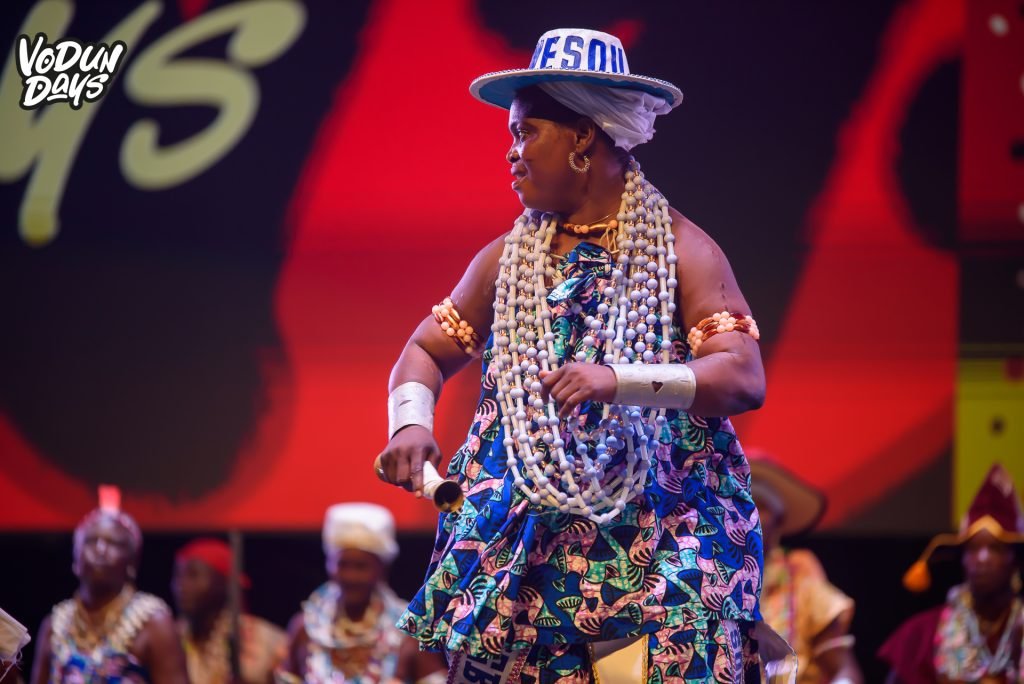
The Grand Vodun Ceremony opened the festival with priests and priestesses dressed in flowing white garments gathering at dawn to perform sacred invocations and prayers for harmony. These rituals invoked protection for the community and blessings for the coming year, drawing on centuries-old practices from the Dahomey Kingdom. Participants moved in measured steps while chanting in Fon, creating an atmosphere of reverence that welcomed both locals and international guests.
Zangbéto guardians of the night performed with woven straw figures that danced through the streets, their towering forms believed to ward off evil and maintain order. These animated costumes, constructed from palm fronds and raffia, twirled and lunged under the guidance of hidden operators, captivating crowds along the Route des Esclaves. The performances reinforced communal values of vigilance and spiritual protection.
Egungun masquerades represented ancestral spirits through elaborate costumes layered with colorful fabrics, beads, and carved wooden masks. Dancers embodying these spirits moved with deliberate gestures that honored the deceased and transmitted moral lessons to the living. Their presence during Vodun Days underscored the religion's emphasis on continuity between generations.
Vodun Hounvè dances featured rhythmic drumming and synchronized movements that invited deities to enter the bodies of initiates. These dances took place on the seafront and at the Esplanade of the Fort Français, blending athleticism with spiritual intensity. Observers noted how the performances preserved precise choreography passed down through family lineages.
A grand procession honoring the deities wound through Ouidah's historic center, pausing at the Temple of Pythons where sacred pythons are venerated by worshippers. Priests carried symbolic objects while devotees sang praises, creating a living tableau that connected contemporary practice to ancient Dahomey traditions. The procession concluded with offerings at the Door of No Return.
These ceremonies collectively demonstrated how Vodun remains a dynamic faith practiced openly in Benin, with rituals adapted for large public audiences without losing their sacred core. The Ministry of Tourism, Culture and Arts ensured that performances respected traditional protocols while allowing respectful observation by visitors.
A Cultural and Artistic Extravaganza
Open-air concerts on the seafront stage featured Benin International Musical band performing ancestral Vodun rhythms alongside contemporary arrangements. The group drew from centuries-old drum patterns while incorporating electric guitars and brass, illustrating the living evolution of Fon musical heritage. Audiences danced late into the night under strings of lights that illuminated the Atlantic horizon.
Modern musical fusion appeared throughout the program as young artists blended traditional drumming with jazz and hip-hop influences. These performances highlighted how Vodun rhythms continue to shape global music genres, from Afrobeat to Caribbean sounds. Local ensembles shared stages with invited groups from neighboring countries, fostering artistic exchange.
Craft stalls lined the pathways of the Vodun Days Village, where local artisans demonstrated techniques for carving wooden figures, weaving raffia, and dyeing indigo cloth. Visitors purchased items directly from makers, supporting household economies in Ouidah and surrounding villages. The stalls displayed both ritual objects and decorative pieces that reflected Fon aesthetics.
Beninese cuisine at food vendors offered dishes such as grilled fish with peanut sauce, fermented corn porridge, and spicy vegetable stews prepared over open fires. These tastings introduced visitors to flavors tied to agricultural cycles and seasonal festivals. Families gathered at long tables to share meals that reinforced communal bonds during the event.
Workshops teaching traditional crafts ran daily at the Vodun Days Village, which features exhibition stands and information booths staffed by cultural experts. Participants learned to make protective amulets, drum basic rhythms, and prepare herbal remedies under the guidance of master practitioners. The sessions attracted both adults and children eager to preserve skills.
The festival includes craft workshops, local food tastings, and cultural demonstrations that extended into evening hours, creating a continuous flow of activity across multiple venues. Seafront concerts blend traditional rhythms with modern musical fusion, ensuring that artistic expression remained central to the three-day program.
Global Reach: Pilgrims, Tourists, and the Diaspora
Over 740,000 visitors attended the 2026 edition, arriving from Nigeria, United States, Brazil, Caribbean, and European countries. Many came as pilgrims seeking connection to ancestral roots, while others arrived as cultural tourists drawn by the promise of authentic spiritual experiences. The influx transformed Ouidah into a temporary international village where languages from across the Atlantic mingled.
The diaspora connection to Vodun as root of Haitian Vodou and Brazilian Candomblé brought descendants of enslaved Africans back to the city their ancestors left centuries ago. These visitors participated in ceremonies and shared family stories that linked distant communities through shared spiritual vocabulary. Their presence reinforced the festival's role in healing historical separations.
Cultural exchange occurred through informal conversations between tourists and Beninese families who opened their homes during the event. Spiritual practitioners explained the meaning behind each ritual, breaking down misconceptions about Vodun that persist in global media. The open dialogue helped visitors understand the religion's ethical framework and communal values.
Ouidah designated as world capital of Vodun arts and spirituality drew scholars and artists who documented performances and interviewed elders. Their work contributes to academic understanding and artistic inspiration far beyond Benin. The designation carries official weight through government recognition and international partnerships.
Tourists mingled with Beninese families and spiritual practitioners at the Esplanade of the Fort Français and along the Slave Route, creating moments of mutual learning. Economic impact on local communities included increased sales for artisans, hotel operators, and food vendors who prepared for months in advance. The revenue supported schools and health clinics in surrounding areas.
The scale of attendance demonstrated how Vodun Days has become a magnet for those seeking alternatives to commercialized tourism. Organizers from the Ministry of Tourism, Culture and Arts tracked visitor origins to refine future programming and strengthen ties with diaspora organizations.
Ouidah's Historic Backdrop
Ouidah received UNESCO historic city status in recognition of its role in the transatlantic slave trade and its preservation of Vodun heritage sites. The designation protects structures such as the Portuguese Fort and ensures that development respects the city's layered history. During the festival the streets functioned as an open-air classroom for visitors learning about both suffering and resilience.
The Route des Esclaves served as a key historical site where processions paused to remember those forced onto ships. Guides explained how the path connected inland kingdoms to the coast, illustrating the scale of the trade that shaped the Americas. The route remains a place of quiet contemplation even amid festival crowds.
The Door of No Return monument commemorates enslaved Africans shipped to the Americas and stands at the end of the Slave Route overlooking the ocean. Its archway frames the horizon in a gesture of both farewell and return, symbolizing the festival's theme of reconnection. Many visitors left offerings of flowers and prayers at its base.
The Temple of Pythons in Ouidah houses sacred pythons venerated by worshippers who view the reptiles as embodiments of divine protection. During Vodun Days the temple received steady streams of visitors who learned about the symbiotic relationship between humans and these animals in Fon cosmology. The site remains active year-round as a place of pilgrimage.
The Esplanade of the Fort Français served as a key festival venue where concerts, ceremonies, and speeches took place against the backdrop of colonial-era walls. The location symbolizes the transition from foreign domination to cultural sovereignty, with the fort now hosting events that celebrate indigenous traditions. Its open space accommodated the large crowds that gathered each evening.
The symbolic importance of celebrating Vodun heritage at sites connected to the transatlantic slave trade allowed the city to become a living museum during the festival. Ouidah's historic center includes the Portuguese Fort and Basilica of the Immaculate Conception, both of which hosted satellite events that wove spiritual practice into the urban fabric. The result was an immersive experience that educated while it entertained.
What This Means for African Cultural Tourism
Vodun Days serves as a model for heritage-based tourism in West Africa by demonstrating how spiritual traditions can generate sustainable economic activity without exploitation. Benin's growing reputation as a cultural destination has encouraged neighboring countries to develop similar programs that highlight living heritage rather than static monuments. The festival's success lies in its integration of ritual, performance, and commerce.
The balance between preservation and modern celebration ensures that core practices remain intact while new audiences gain access. Organizers consulted elders at every stage to maintain authenticity, resulting in a program that satisfies both devout practitioners and curious travelers. This careful calibration has earned praise from cultural observers across the continent.
The festival counters negative stereotypes about Vodun in global media by presenting the religion through the voices of its practitioners rather than external commentators. Performances and workshops revealed a sophisticated ethical system centered on harmony, ancestor veneration, and environmental stewardship. Visitors left with nuanced understandings that challenged sensationalized portrayals.
Plans for Vodun Days 2027 include expanded programming in additional historic sites and increased participation from diaspora artists. The Ministry of Tourism, Culture and Arts has announced partnerships with airlines and hotels to manage the growing attendance while protecting fragile sites. These preparations aim to maintain the intimate character of the event despite larger crowds.
The event's role in reclaiming African spiritual narratives positions Benin as a leader in the global conversation about cultural sovereignty. By hosting such a large-scale celebration, the country asserts that its traditions deserve the same respect afforded to other world religions. The narrative shift has ripple effects in education and media representation.
Connection to Senegal's own cultural festivals such as the Dak'Art Biennale and Saint-Louis Jazz Festival illustrates a broader West African movement toward heritage tourism that celebrates living traditions. Senegalese visitors at Vodun Days noted parallels in how both nations use public events to strengthen national identity and attract international interest. This shared approach fosters regional cooperation in cultural preservation.
By Amara Diop, Staff Writer
This article was produced with AI-assisted research and editorial support. Reporting is based on sources cited in the article.
What's Your Reaction?
 Like
0
Like
0
 Dislike
0
Dislike
0
 Love
0
Love
0
 Funny
0
Funny
0
 Wow
0
Wow
0
 Sad
0
Sad
0
 Angry
0
Angry
0

West Africa/Sahel Correspondent at Global1.News. Dakar-based journalist covering politics, security, climate, and development across Francophone and Anglophone West Africa. Tells the stories of a region undergoing profound transformation.











Comments (0)