
Transport Canada Detains Second Boat Linked to Fatal B.C. Charter Sinking
In a CBC News video released this week, Transport Canada inspectors are shown securing a detention notice to the window of an 11-metre vessel at Steveston Harbour in Richmond, B.C. The action represents the federal government's latest response to one of the deadliest charter boat incidents in recent British Columbia history, highlighting ongoing concerns over maritime safety st
In a CBC News video released this week, Transport Canada inspectors are shown securing a detention notice to the window of an 11-metre vessel at Steveston Harbour in Richmond, B.C. The action represents the federal government's latest response to one of the deadliest charter boat incidents in recent British Columbia history, highlighting ongoing concerns over maritime safety standards in the province's busy coastal waters.
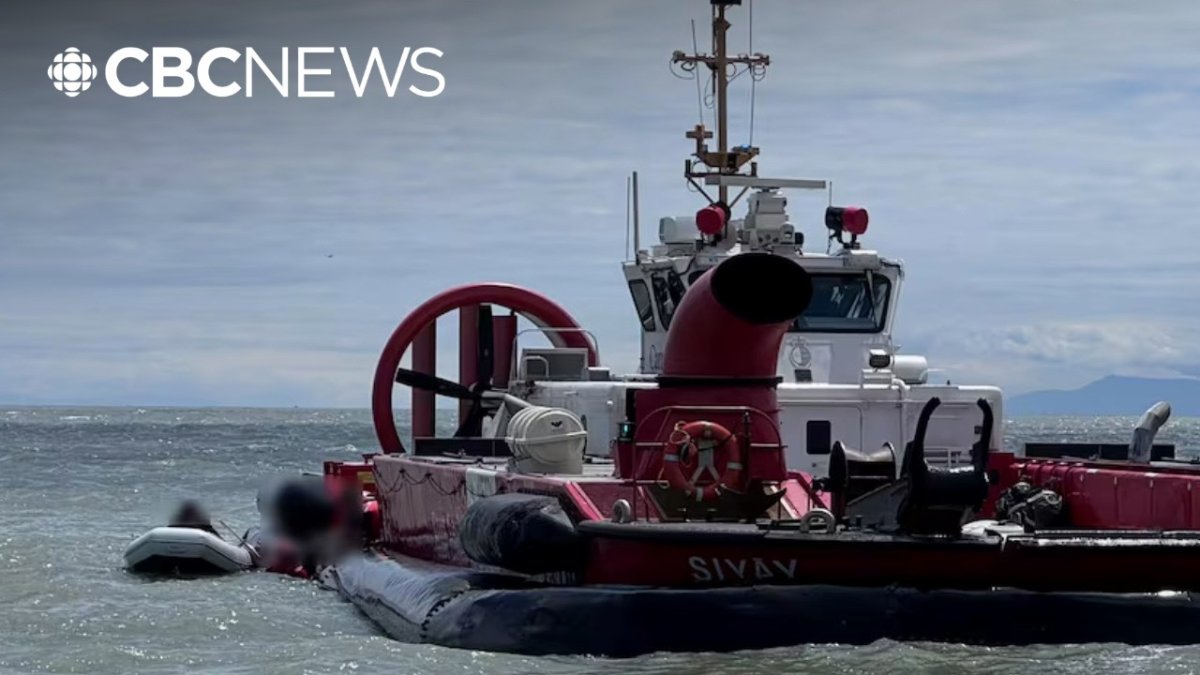
Transport Canada Issues Detention Order
Transport Canada ordered the detention of the Axopar 37 vessel, hull number AB5965789, on Thursday July 9. The order, prominently displayed on the boat's window at Steveston Harbour, identifies the owner as Lihe Yin and cites two specific violations: the craft operates as a commercial passenger vessel while registered only as a pleasure craft, and it lacks proper markings required under the Canada Shipping Act. Inspectors noted that the vessel had been advertised online for fishing charters, drawing paying customers despite its pleasure-craft registration, which immediately triggered regulatory scrutiny following the June tragedy.
Officials from Transport Canada emphasised that such detentions serve as immediate enforcement tools to prevent further risk to the public. The Axopar 37, similar in design to the sunken Top Ocean, was found lacking the required commercial identification plates on its hull, a detail that inspectors documented thoroughly in their report. This action underscores the department's mandate to distinguish clearly between recreational and commercial operations, ensuring that vessels carrying passengers for hire meet elevated safety thresholds.
Legal experts in maritime law have pointed out that violations of this nature can result in fines exceeding $25,000 per offence, along with potential criminal charges if negligence is proven. The detention order remains in effect until the owner demonstrates full compliance, including obtaining a proper certificate of registry and installing mandatory safety equipment. Neighbouring operators at Steveston Harbour have expressed surprise at the speed of the response, noting that routine inspections often take weeks to materialise.
Further analysis reveals that the owner, Lihe Yin, had previously listed the vessel on multiple charter platforms, raising questions about how long the improper registration had gone unnoticed. Transport Canada has indicated that digital monitoring of online advertisements now forms part of their enforcement strategy, allowing quicker identification of potential breaches. This case may set a precedent for more aggressive oversight of small charter operations across British Columbia's coastline.
What Happened on June 28 in the Strait of Georgia
The Top Ocean, a nine-metre charter boat operated by the same company, Top Vancouver Fishing Charter, sank on the morning of June 28 in the Strait of Georgia near Vancouver. The vessel carried 10 people, none of whom were wearing life-jackets. Four were rescued approximately one hour later; one of them later died in hospital. Six remain missing and are presumed drowned, prompting an extensive search operation that involved multiple agencies over several days.
Weather conditions on that morning were described as moderate, with winds under 20 kilometres per hour and waves reaching one metre, conditions that should not have overwhelmed a properly maintained vessel. Survivors recounted that the boat took on water rapidly after the side door failed, leading to a swift capsizing within minutes. The lack of life-jackets meant that those who entered the water had limited flotation support during the critical first hour.
Search and rescue teams from the Canadian Coast Guard deployed helicopters and surface vessels, yet the strong currents in the Strait of Georgia complicated recovery efforts. Family members of the missing have gathered at local harbours, holding vigils and pressing authorities for answers about why commercial safety protocols were apparently bypassed. The incident has reverberated through Vancouver's tight-knit fishing community, where many operators knew the crew personally.
Maritime analysts have noted that the nine-metre length placed the Top Ocean in a category requiring specific stability assessments when used commercially, assessments that appear not to have been conducted. The timing of the sinking, early in the charter season, has led to calls for immediate audits of similar vessels operating out of Richmond and surrounding areas.
The Human Toll — Chen Ming and the Lost
The captain of the Top Ocean, 22-year-old Chen Ming, is among those lost at sea. His mother, Ashley Lin, has spoken publicly about her son. She said she does not know if he held the proper commercial captain's licence required by Transport Canada. His girlfriend, Hailey Lee, has stated that Chen had been trying to repair a broken side door on the vessel in the days leading up to the tragedy, adding a deeply personal dimension to the regulatory failures now under investigation.
Chen Ming had recently moved to Vancouver from Toronto, seeking seasonal work in the charter industry while pursuing further maritime certifications. Colleagues described him as diligent yet concerned about the equipment he was expected to operate daily. Ashley Lin recalled her last conversation with her son, in which he mentioned feeling pressure to complete trips despite ongoing mechanical issues.
Hailey Lee has shared additional details about Chen's growing unease with the company's maintenance practices, noting that he had documented the door problem in text messages to management. The loss has devastated two families, with memorial services planned once the search concludes. Community support groups in Richmond have organised counselling sessions for those affected by the presumed drownings.
The human stories emerging from this incident highlight the vulnerability of young workers in seasonal maritime roles, where experience levels may not always match the responsibilities assigned. Advocates for improved training standards argue that Chen's case exemplifies the need for stricter licensing enforcement before vessels depart with paying passengers.
Broken Door Complaints and Safety Warnings
Hailey Lee has provided a firsthand account of the vessel's condition before the sinking. She told media that she was aboard the Top Ocean two days before the disaster when the side door suddenly sprang open and flooded the cabin with seawater. Chen had reportedly complained to company management about the door but the issue was not resolved before the fatal voyage, leaving critical safety concerns unaddressed.
Photographs shared by Hailey Lee show the damaged door mechanism, which appears to have been jury-rigged with temporary fasteners rather than properly repaired. Such makeshift solutions violate basic marine maintenance protocols and would have been flagged during any legitimate commercial inspection. The flooding incident two days prior should have prompted an immediate halt to operations until a certified technician assessed the hull integrity.
Other former passengers have come forward with similar accounts of equipment shortcomings on previous charters, including malfunctioning bilge pumps and inadequate radio communications. These reports suggest a pattern of deferred maintenance that prioritised bookings over safety. Transport Canada investigators are now collecting these statements to build a comprehensive picture of the company's operational culture.
Industry observers note that small charter operators often face tight margins, leading some to cut corners on repairs. However, the Canada Shipping Act places clear responsibility on owners and operators to maintain vessels in seaworthy condition, with penalties for non-compliance that can include vessel seizure. The broken door serves as a stark reminder of how seemingly minor defects can escalate into catastrophic failures at sea.
The RCMP Investigation
The RCMP stated on Wednesday that investigators are examining whether the operation of the vessel played a role in the sinking. Police continue to identify and interview individuals who may possess information about previous voyages involving the vessel. When contacted by The Canadian Press, a man identifying himself as "Rocky" at Top Vancouver Fishing Charter declined to comment, leaving many questions unanswered for grieving families.
Investigators have seized company records, including booking logs and maintenance receipts, to determine whether the Top Ocean was being operated outside its registered purpose. The focus extends beyond the day of the sinking to encompass a broader review of how the charter business was structured and advertised. Digital evidence from social media promotions is also being analysed for indications of commercial intent.
RCMP marine unit specialists are collaborating with Transport Canada to cross-reference safety violations with potential criminal negligence charges. Witnesses from earlier charters have described overcrowded conditions and rushed safety briefings, details that could influence the direction of the probe. The investigation remains active, with updates expected as forensic examinations of recovered debris progress.
Legal representatives for the victims' families have urged transparency throughout the process, calling for regular public briefings to maintain trust in the inquiry. The RCMP's methodical approach reflects the complexity of maritime incidents, where environmental factors, human decisions, and mechanical failures must all be weighed carefully.
Marine Safety Regulations Under the Canada Shipping Act
Transport Canada requires all commercial passenger vessels to hold a valid certificate of registry, display correct identification markings on the hull, and ensure passengers receive life-jackets before departure. The distinction between pleasure craft and commercial vessels is central to Canadian maritime law. An operator carrying paying passengers must meet higher standards for vessel stability, emergency equipment, crew training, and insurance, requirements designed to protect the travelling public.
Under the Act, commercial vessels must undergo periodic inspections that verify compliance with construction and equipment standards not demanded of pleasure craft. Life-jacket provision, for instance, must be demonstrated through documented procedures rather than assumed. Failure to adhere to these rules exposes operators to both administrative penalties and civil liability in the event of an accident.
Maritime lawyers have noted that the pleasure-craft loophole has been exploited by some operators seeking to avoid the costs associated with commercial certification. Recent amendments to the regulations have introduced stricter advertising guidelines, requiring clear disclosure of vessel status. Enforcement, however, relies heavily on proactive inspections and public reporting of suspected violations.
The Canada Shipping Act also mandates crew certification levels that scale with passenger capacity, ensuring that captains possess the necessary endorsements for commercial operations. In the case of the Top Ocean, questions remain about whether Chen Ming held the appropriate licence, a factor that could have contributed to the sequence of events leading to the sinking.
Implications for B.C.'s Coastal Charter Industry
British Columbia's coastal tourism sector relies heavily on charter fishing and sightseeing operators. The Strait of Georgia serves thousands of recreational and commercial vessels every summer. This case raises questions about enforcement gaps that allow companies to advertise charter services while registering vessels as pleasure craft, potentially undermining the reputation of legitimate operators who invest in compliance.
Tourism associations have expressed concern that negative publicity could deter visitors from booking charters, affecting hundreds of small businesses that depend on seasonal revenue. Calls have emerged for a voluntary certification program that would allow compliant operators to distinguish themselves in the marketplace. Such initiatives could restore public confidence while pressuring non-compliant companies to improve standards.
Local harbour authorities in Richmond and surrounding communities are reviewing their own oversight mechanisms, recognising that dock access alone does not guarantee regulatory adherence. Economic analyses suggest that the charter industry contributes significantly to British Columbia's marine economy, making balanced regulation essential to its long-term sustainability.
Operators who have maintained proper commercial registrations argue that the current enforcement disparity creates unfair competition. They advocate for increased funding for Transport Canada inspections to level the playing field and protect the industry's overall integrity.
What Happens Next
The detained Axopar 37 will remain under Transport Canada order until the owner corrects all violations and demonstrates compliance with commercial passenger vessel standards. The RCMP investigation continues. Family members have called for a public inquiry into charter boat safety regulations in British Columbia, seeking systemic changes that would prevent similar tragedies.
Pending the outcome of the investigations, Transport Canada may expand its audit program to include all vessels associated with Top Vancouver Fishing Charter. Recommendations for regulatory reform could emerge from the Transportation Safety Board review, potentially influencing national standards for small passenger vessels.
Support services for affected families remain active, with federal and provincial resources allocated to assist with grief counselling and legal navigation. The coming months will likely see increased scrutiny of the entire coastal charter sector as authorities work to restore public trust.
Transport Canada's Enforcement Record
Transport Canada's recent actions reflect a broader pattern of stepped-up enforcement along Canada's Pacific coast. Over the past two years, the department has issued more than 150 detention orders to vessels found operating without proper commercial certification. These interventions have targeted both large tour operators and smaller fishing charters, signalling a shift toward proactive rather than reactive oversight.
Critics within the marine industry have long argued that limited inspector resources allow violations to persist undetected for extended periods. Budget allocations for maritime safety have increased modestly, yet advocates maintain that additional funding is required to match the volume of vessels operating in British Columbia waters. Data from Transport Canada indicates that pleasure-craft registrations outnumber commercial ones by a significant margin, complicating detection efforts.
Comparative studies with other provinces show that British Columbia experiences a higher rate of reported incidents involving charter vessels, prompting calls for harmonised national enforcement protocols. The department's use of digital monitoring tools represents an evolving strategy that may improve detection rates in the future.
The Role of the Transportation Safety Board
The Transportation Safety Board of Canada has launched a formal investigation into the sinking of the Top Ocean, focusing on factors that contributed to the loss of life. Investigators will examine vessel design, maintenance history, and operational decisions to determine whether systemic issues within the charter industry played a role. Their findings, expected within 18 months, could influence regulatory changes at the federal level.
TSB reports typically include detailed recommendations for improving safety practices, drawing on evidence gathered from wreckage analysis and witness interviews. In previous marine investigations, the Board has highlighted deficiencies in life-saving equipment and crew training as recurring themes. The current probe will likely address the specific circumstances surrounding the failed side door and the absence of life-jackets.
Family members of the victims have been invited to participate in the investigation process, providing personal insights that complement technical evidence. The TSB's independence from Transport Canada ensures that its conclusions carry significant weight in shaping future policy.
A History of Charter Boat Incidents in B.C.
British Columbia has experienced several notable charter boat incidents over the past decade, each prompting temporary increases in regulatory attention. In 2015, a similar vessel capsized near Nanaimo, resulting in two fatalities and subsequent calls for mandatory stability assessments. Those recommendations were only partially implemented, leaving gaps that may have contributed to the current tragedy.
Historical data compiled by the Transportation Safety Board reveals that small charter operations account for a disproportionate share of marine fatalities compared with larger commercial passenger services. Common factors include inadequate safety briefings, insufficient emergency equipment, and vessels operating beyond their design limits. The Top Ocean incident fits within this established pattern, underscoring the need for sustained rather than episodic enforcement.
Industry veterans recall that previous incidents led to short-lived public inquiries that produced limited legislative change. The current momentum for reform appears stronger, driven by social media amplification of victim stories and coordinated advocacy from families. Whether this translates into lasting improvements remains to be seen.
By Alex Thompson, Staff WriterThis article was produced with AI-assisted research and editorial support. Reporting is based on sources cited in the article.
What's Your Reaction?
 Like
0
Like
0
 Dislike
0
Dislike
0
 Love
0
Love
0
 Funny
0
Funny
0
 Wow
0
Wow
0
 Sad
0
Sad
0
 Angry
0
Angry
0
Canada Correspondent at Global1.News. Based in Toronto, covering Canadian politics, energy, trade, and US-Canada relations. Provides the Canadian perspective on North American and global affairs.










Comments (0)