
Mexico-England World Cup Match Sets Record With 60M Views
A Nation United Around the Screen Families across Mexico gathered in living rooms, on rooftops, and at neighborhood tianguis setups on that Sunday in July 2026 to watch their national team face England. The match between Mexico and England drew 60 million TV viewers, marking the most-watched soccer match of the Mexican century since the 1900s, according to Gabriela Cuevas, head
A Nation United Around the Screen
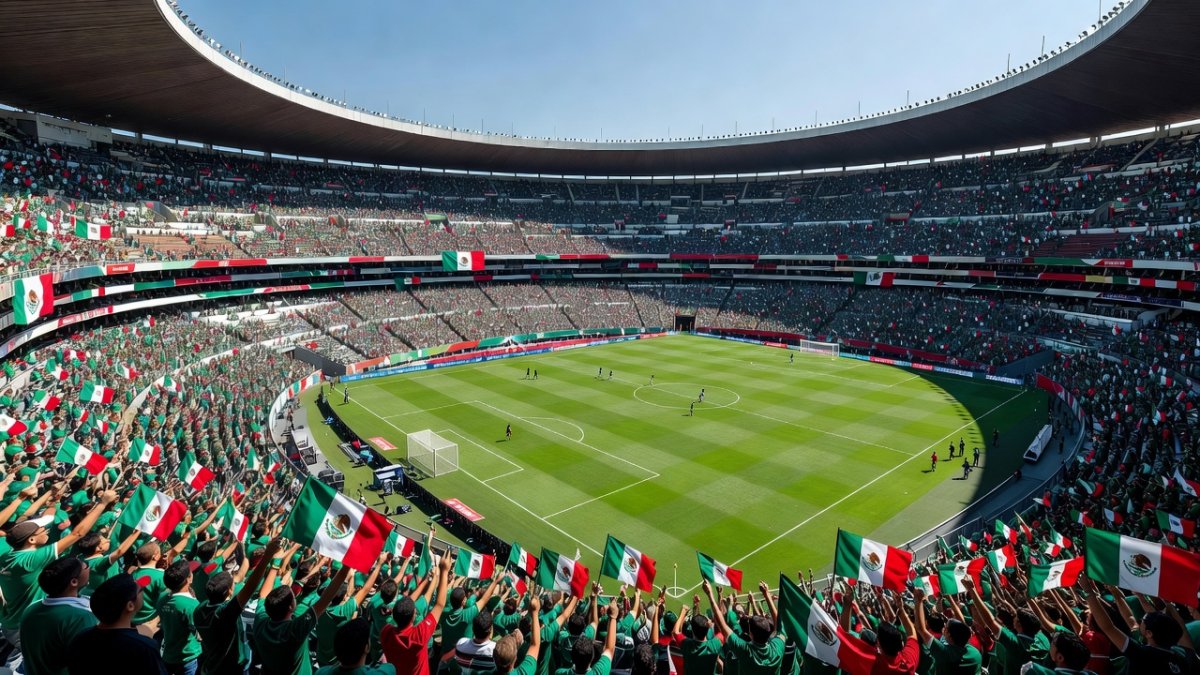
Families across Mexico gathered in living rooms, on rooftops, and at neighborhood tianguis setups on that Sunday in July 2026 to watch their national team face England. The match between Mexico and England drew 60 million TV viewers, marking the most-watched soccer match of the Mexican century since the 1900s, according to Gabriela Cuevas, head of the 2026 FIFA World Cup Coordination in Mexico.
Nearly half of the country's 130 million people tuned in, showing how deeply the sport runs through everyday life in colonias from Mexico City to small towns in the states. This was the fourth time Mexico broke its own audience record during the tournament, highlighting the growing excitement that built with each game.
Stadium Energy Despite the Delay
Inside Mexico City Stadium, 80,000 spectators filled the stands even after a one-hour delay to the starting time. The energy never faded as fans sang along to Los Ángeles Azules and Juan Gabriel classics while booing English songs from Oasis, Blur, and Queen. The atmosphere reflected the warmth of Mexican hospitality mixed with fierce national pride.
Ordinary families who saved for months to attend described the day as a once-in-a-lifetime outing. Parents brought children dressed in green jerseys, sharing tortas and aguas frescas while waiting for kickoff. The delay only gave more time for chants and community bonding among strangers who felt like extended family.
Mexico's Strong Run Ends in Heartbreak
Coached by Javier Aguirre, the Mexican team enjoyed a flawless group stage before falling 3-2 to England in the Round of 16. The result eliminated Mexico from the tournament, yet the loss did not erase the pride felt across the country. Social media videos showed Mexican fans congratulating English supporters after the final whistle, a gesture that captured the respectful spirit many families teach their children.
In rural communities and urban colonias alike, people stayed up late discussing key plays. The shared disappointment turned into conversations about future tournaments and the joy the team had already delivered during the group stage. Javier Aguirre's leadership gave fans hope that carried beyond this single match.
Record Attendance Across Host Cities
Between June 11 and July 5, a total of 789,766 people attended the 13 World Cup matches held in Mexico City, Guadalajara, and Monterrey. Mexico City Stadium welcomed 404,120 spectators, Estadio Monterrey hosted 204,716, and Estadio Guadalajara drew 180,930. These numbers reflect the massive effort by local communities to welcome visitors while keeping daily life moving.
Small business owners near the stadiums reported steady sales of souvenirs, food, and drinks. Campesinos who traveled from surrounding areas to sell handmade crafts found eager buyers among both local and international crowds. The tournament created temporary work for many families who rely on such events for extra income.
Economic Lift for Ordinary Mexicans
The World Cup generated over 50 billion pesos in revenue for the three host cities. Hotel occupancy reached 80 percent across Mexico City, Guadalajara, and Monterrey, climbing to 95 percent in Cancún. At AICM, Mexico City International Airport brought in 6.5 billion pesos, equivalent to US$370.3 million, during the event period.
These figures translated into real benefits for hotel workers, taxi drivers, and restaurant staff in the host cities. Many families used the extra earnings to cover school expenses or home repairs. The economic ripple reached vendors at local mercados who supplied fresh ingredients to restaurants serving both tourists and locals.
Security and Health Networks in Action
Authorities deployed 99,000 security personnel and activated a World Cup Hospital Network of 583 facilities. These preparations ensured that fans could enjoy the matches with peace of mind. In neighborhoods around the stadiums, residents noted the visible presence of officers who also helped direct traffic and assist lost visitors.
Healthcare workers in the network treated minor injuries and provided support without major incidents disrupting the celebrations. The smooth operation allowed families to focus on the joy of the games rather than worries about safety.
Memories That Will Last Generations
Gabriela Cuevas noted that what Mexico experienced will remain in the memory of millions. For many households, the tournament became a shared story passed down to younger siblings and cousins. Children who watched their first major international matches alongside grandparents will carry those moments forward.
Even after the elimination, the sense of community lingered. People continued gathering at taquerías and parks to relive highlights and plan for the next cycle. The 2026 World Cup showed how soccer can bring together diverse regions of Mexico in celebration and resilience.
Tags: Mexico World Cup, England match, viewership record, Mexican fans, host cities, economic impact, Javier Aguirre, Gabriela Cuevas
By Rosa Martinez, Staff Writer
This article was produced with AI-assisted research and editorial support. Reporting is based on sources cited in the article.
What's Your Reaction?
 Like
0
Like
0
 Dislike
0
Dislike
0
 Love
0
Love
0
 Funny
0
Funny
0
 Wow
0
Wow
0
 Sad
0
Sad
0
 Angry
0
Angry
0

Latin America/Andes Correspondent at Global1.News. Based in Bogota, covering politics, environment, energy, and social movements across the Andean region. Passionate about environmental journalism and communities protecting their land.














Comments (0)