
Benefits for Foreign Tourists Spark Debate in Japan
Benefits for Foreign Tourists Spark Debate in Japan Kagoshima Prefecture’s Shinkansen Subsidy Draws Complaints Local governments in Japan are facing criticism over measures to attract foreign visitors. Kagoshima Prefecture in southwestern Kyushu launched an initiative this fiscal year that fully subsidizes Shinkansen fares worth around ¥10,000 for one-way trips from Hakata Stat
Benefits for Foreign Tourists Spark Debate in Japan
Kagoshima Prefecture’s Shinkansen Subsidy Draws Complaints
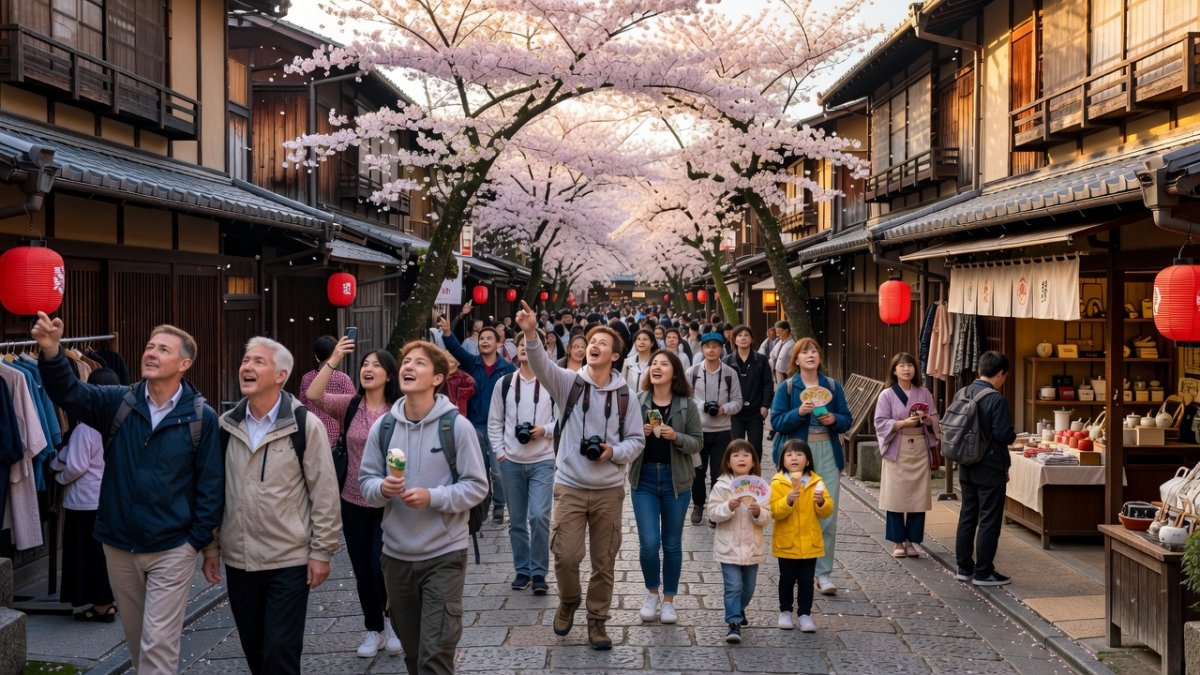
Local governments in Japan are facing criticism over measures to attract foreign visitors. Kagoshima Prefecture in southwestern Kyushu launched an initiative this fiscal year that fully subsidizes Shinkansen fares worth around ¥10,000 for one-way trips from Hakata Station in Fukuoka to Kagoshima-Chuo Station.
The program aims to inform potential visitors from countries without direct flights to Kagoshima that they can reach the prefecture via Shinkansen. About a month after the initiative was announced in February 2026, it drew around 600 complaints. The prefecture received about 170 phone calls and emails by February 16 complaining the plan was “unfair.”
Public Reaction Highlights Fairness Concerns
Complaints included statements such as “Is it preferential treatment for foreigners?” and “I don’t want foreigners to come if our taxes are used.” These reactions reflect broader unease among some residents about the use of public funds to support inbound tourism.
Foreign visitors spent an average of ¥85,906 per person per trip on accommodation, nearly three times the ¥30,331 average for Japanese tourists. This spending gap has fueled discussions on whether targeted incentives for international travelers are justified.
Japan Tourism Agency Examines Dual Pricing
The Japan Tourism Agency launched a panel on dual pricing in March 2026. Multiple attractions are considering or implementing tiered pricing for foreign visitors versus locals. Junglia Okinawa, a nature theme park, opened with dual pricing of ¥8,800 for inbound tourists and ¥6,930 for domestic residents.
Osaka Prefecture proposed a tourist levy of a few hundred yen per night. Himeji Castle previously considered dual pricing for foreign visitors. These steps occur as Japan aims for 60 million annual foreign tourists by 2030.
Record Arrivals and Economic Context
In 2024, Japan received 36.86 million international arrivals, a record high. The weak yen has made Japan more affordable for international travelers, contributing to higher visitor numbers and increased pressure on popular sites.
Mount Fuji implemented a daily climber cap of 4,000 to manage overtourism. Local authorities continue to weigh how pricing tools and subsidies can balance economic gains with resident concerns.
International Examples of Tiered Pricing
Dual pricing exists at major tourist sites abroad, including Thailand’s Wat Phra Kaew, India’s Taj Mahal, Madagascar’s national parks, and the Louvre Museum, which is planning non-EU pricing in 2026. Japanese officials are studying these models while adapting them to domestic conditions.
What to Watch For
Further decisions by the Japan Tourism Agency panel on dual pricing are expected in coming months. Additional prefectures may test limited subsidies or levies similar to Kagoshima’s Shinkansen program and Osaka’s proposed tourist fee. Monitoring resident feedback and visitor spending data will help assess whether these measures support Japan’s 2030 tourism target without deepening local divisions.
Tags: foreign tourists Japan, dual pricing, Kagoshima Shinkansen, Japan Tourism Agency, overtourism, tourist levy, weak yen
By Kenji Tanaka, Staff Writer
This article was produced with AI-assisted research and editorial support. Reporting is based on sources cited in the article.
What's Your Reaction?
 Like
0
Like
0
 Dislike
0
Dislike
0
 Love
0
Love
0
 Funny
0
Funny
0
 Wow
0
Wow
0
 Sad
0
Sad
0
 Angry
0
Angry
0

Japan Correspondent at Global1.News. Tokyo-based voice covering Japanese politics, technology, economy, and culture. Tracks the intersection of tradition and innovation in one of the world's most dynamic societies.












Comments (0)