
Japan's Bioplastic Boom: Naphtha Shock Drives Industry Shift
Japan's Bioplastic Boom: Naphtha Shock Drives Historic Industry Shift Tokyo, Japan — Bioplastic adoption across Japanese manufacturing is accelerating at an unprecedented pace as the nation grapples with a severe naphtha supply crisis stemming from the ongoing blockade of the Strait of Hormuz. The shift, which analysts characterize as the most significant raw material transition in Japan's postwar industrial history, is reshaping supply chains from packaging and textiles t...
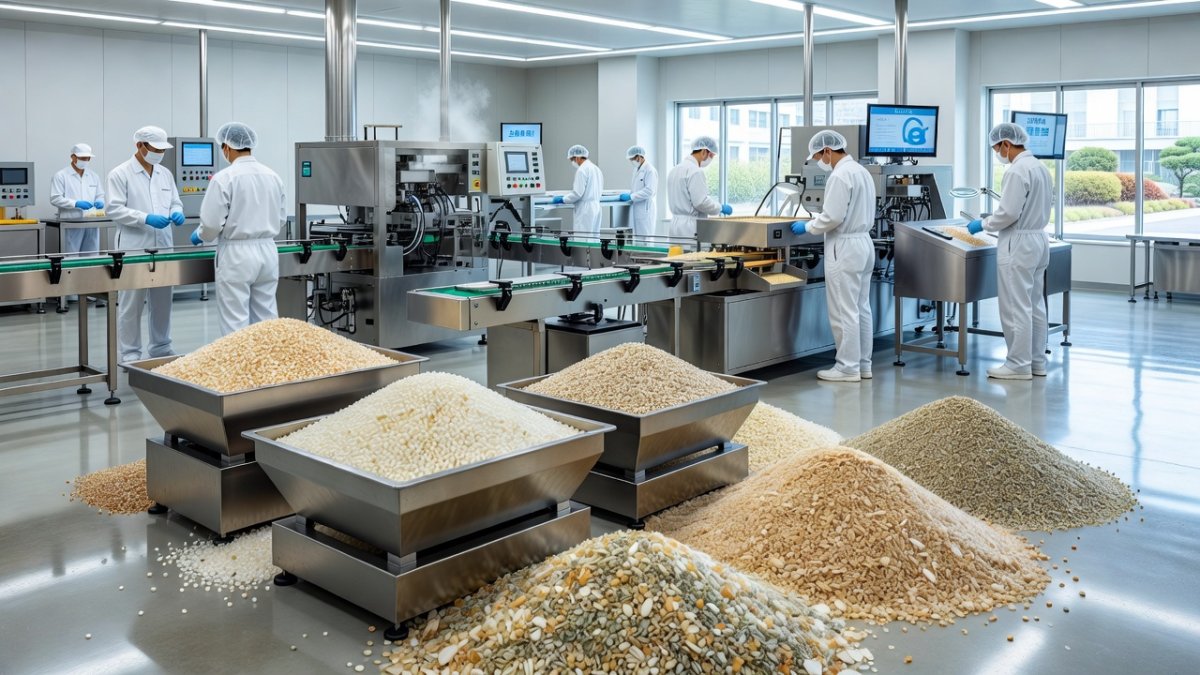
Japan's Bioplastic Boom: Naphtha Shock Drives Historic Industry Shift
Tokyo, Japan — Bioplastic adoption across Japanese manufacturing is accelerating at an unprecedented pace as the nation grapples with a severe naphtha supply crisis stemming from the ongoing blockade of the Strait of Hormuz. The shift, which analysts characterize as the most significant raw material transition in Japan's postwar industrial history, is reshaping supply chains from packaging and textiles to automotive components and consumer goods.
Since late February 2026, when military strikes on Iran triggered a de facto closure of the Strait of Hormuz, Japan's petrochemical sector — which relies on Middle Eastern crude oil for approximately 80 percent of its naphtha feedstock — has faced cascading shortages. The resulting "naphtha shock" has sent prices of conventional plastics soaring and exposed the structural vulnerability of an industry built on affordable petroleum-based raw materials.
The Naphtha Shock: A Supply Chain Earthquake
Naphtha, a light hydrocarbon fraction derived from crude oil refining, serves as the foundational raw material for Japan's vast petrochemical industry. It is the building block for ethylene, propylene, and other basic chemicals that feed into plastics, synthetic fibers, synthetic rubber, paints, adhesives, and a wide array of industrial and household products. When the Strait of Hormuz — through which approximately 20 percent of the world's oil passes — became a contested waterway in late February, Japan's naphtha imports from the Middle East were effectively severed.
The impact was immediate and severe. By April 2026, Toto, Japan's leading home fixtures manufacturer, announced it was temporarily suspending orders for its prefabricated bathroom units, citing naphtha-derived material shortages. The crisis cascaded across sectors: designated trash bags vanished from supermarket shelves in cities nationwide by mid-May 2026, paint and thinner supplies tightened, and automotive parts manufacturers began reducing production schedules. Reuters reported in April that Japanese companies dependent on naphtha were "halting orders or slashing production," highlighting a growing disconnect between official government assurances of adequate supply and the reality on factory floors.
Bioplastics Emerge as the Strategic Alternative
Against this backdrop of petrochemical scarcity, bioplastics — materials derived from renewable biomass sources such as corn starch, sugarcane, cellulose, and vegetable oils — have moved from niche sustainability product to strategic industrial necessity. The Japan Times reported on July 17, 2026, that the "naphtha shock exposed the risk of relying on Middle East crude oil for industrial and daily goods materials," with bioplastic use rising as a direct response.
The shift is not merely reactive. Japan's bioplastics sector had been developing steadily for years, driven by corporate sustainability commitments and government targets for a circular bioeconomy. Companies including Toray Industries and Mitsubishi Chemical Corporation have invested heavily in research and development of bio-based polymers. Toray has advanced its bio-PET and bio-nylon technologies, while Mitsubishi Chemical has focused on polybutylene succinate (PBS) and other biodegradable alternatives. The naphtha crisis has dramatically compressed the timeline for commercialization, turning what was a long-term sustainability play into an urgent supply chain imperative.
Types of Bioplastics Gaining Traction in Japan
The Japanese market is seeing accelerated adoption across several categories of bio-based and biodegradable plastics. Polylactic acid (PLA), derived from fermented plant starch, is finding expanded use in packaging, food containers, and disposable items. Polyhydroxyalkanoates (PHA), produced by microbial fermentation of organic feedstocks, are gaining attention for their marine biodegradability — a significant advantage for Japan, with its extensive coastline and stringent waste management regulations.
Bio-PET, partially derived from sugarcane or corn-based ethylene glycol, is seeing increased adoption in beverage bottles and textile fibers. Toray's bio-based nylon, made from castor oil rather than petrochemical feedstocks, is being evaluated by automotive manufacturers for interior components and under-hood applications. Even traditional paper and cardboard are being reconsidered as alternatives to petroleum-based packaging, with manufacturers seeking to reduce their naphtha exposure regardless of the specific material.
The market research firm IMARC Group projects Japan's bioplastics market will grow at a compound annual growth rate (CAGR) of approximately 15 percent between 2026 and 2034, driven by the naphtha crisis, regulatory pressure on single-use plastics, and corporate net-zero commitments.
Government Policy and METI's Response
Japan's Ministry of Economy, Trade and Industry (METI) has moved to support the transition, though critics argue the response has been too slow for the scale of the crisis. In April 2026, METI established a task force to address naphtha supply vulnerabilities, and subsequent policy measures have included expedited regulatory approvals for bioplastic production facilities, subsidies for research into alternative feedstocks, and strategic reserve considerations for naphtha itself — a gap exposed by the current crisis, as Japan's strategic petroleum reserves were not designed to cover naphtha specifically.
The government has long recognized the challenge. A note by analyst Kamikura identified that for "many years, the Japanese government and the petroleum and chemical industries have identified 'dependence on Middle Eastern naphtha' as a challenge and have been working to diversify raw materials." The February 2026 crisis transformed that long-standing policy discussion into an immediate operational necessity. METI is also accelerating dialogue with Southeast Asian nations — particularly Thailand, Indonesia, and Vietnam — which have abundant biomass feedstocks suitable for bioplastic production, positioning Japan to build a regional bio-based supply chain.
Industrial Challenges and Scaling Realities
Despite the strategic imperative, scaling bioplastic production to meet Japan's industrial demand presents formidable challenges. Most leading bioplastics companies are not yet profitable, according to Securities.io's June 2026 analysis, requiring sustained investor patience as they scale operations. Production costs remain significantly higher than conventional petroleum-based plastics — a gap that has narrowed with surging naphtha prices but remains material.
Feedstock availability itself presents a constraint. Diverting agricultural land to bioplastic crops competes with food production, and Japan's limited arable land means the country would likely need to import biomass feedstocks, potentially creating new forms of overseas dependency. The energy and water requirements of bioplastic production also raise environmental questions that lifecycle assessments are only beginning to address.
Additionally, Japan's industrial base relies on continuous-process chemical plants designed for petroleum-based feedstocks. Retooling these facilities for bio-based inputs requires capital investment on a scale that many mid-tier chemical companies cannot easily finance, even with government subsidies. Analysis from White-Green.jp noted that the "naphtha shock represents a critical fork in the road" for Japanese manufacturing, with companies that successfully transition likely to emerge stronger and those that cannot facing potential obsolescence.
Implications for Japanese Manufacturing and Consumers
For Japanese consumers, the bioplastic transition carries both immediate and long-term implications. In the near term, shortages of naphtha-derived products — from trash bags and paint to automotive parts and home fixtures — are expected to persist as the petrochemical industry adjusts. Prices for conventional plastic products have already risen, and bioplastic alternatives, while becoming more competitive, remain more expensive.
In the longer term, consumers can expect to see more products labeled with bio-based content certifications, different recycling and disposal instructions for biodegradable versus conventional plastics, and potentially new waste management infrastructure to handle compostable materials separately. The shift also raises questions about the durability and performance of bio-based materials in applications where petroleum-based plastics have decades of proven performance — from medical devices to structural components.
Japan's packaging industry, which accounts for a significant portion of the nation's plastic consumption, is likely to be the fastest adopter, with major food and beverage companies already exploring bioplastic alternatives for bottles, wraps, and containers. The textile industry is also poised for transformation, with bio-based synthetic fibers offering a path to reduced petrochemical dependence while maintaining the performance characteristics that Japanese textile manufacturers are known for globally.
What to Watch For
Several developments will shape the trajectory of Japan's bioplastic transition in the coming months. The duration and resolution of the Strait of Hormuz crisis remains the most significant variable — a rapid restoration of Middle Eastern naphtha supplies could slow the urgency of the shift, though few industry observers expect a full return to pre-crisis supply dynamics given the geopolitical tensions now entrenched in the region.
METI's policy framework for bio-based materials, expected to be formalized in the fourth quarter of 2026, will provide critical guidance on subsidies, regulatory standards, and infrastructure investment. The establishment of a Japan-ASEAN bioplastic feedstock supply chain would represent a strategic realignment of Japan's industrial resource dependencies, potentially reducing Middle East vulnerability while strengthening economic ties with Southeast Asia.
Corporate Japan's response will be shaped by the experience of early adopters. If Toray, Mitsubishi Chemical, and other major players demonstrate that bio-based production can match the economics and performance of petroleum-based plastics at scale, the transition could accelerate significantly beyond current projections. But if scaling challenges prove intractable, the naphtha crisis may instead drive investment into non-plastic alternatives — glass, metal, paper, and advanced composites — permanently reducing the share of plastics in Japan's industrial materials mix.
For Japan, a nation that rebuilt its postwar economy on the foundation of petrochemical innovation, the naphtha shock represents both a profound challenge and a historic opportunity to redefine its industrial materials strategy for the 21st century.
By Kenji Tanaka, Staff Writer
This article was produced with AI-assisted research and editorial support. Reporting is based on sources cited in the article.
What's Your Reaction?
 Like
0
Like
0
 Dislike
0
Dislike
0
 Love
0
Love
0
 Funny
0
Funny
0
 Wow
0
Wow
0
 Sad
0
Sad
0
 Angry
0
Angry
0

Japan Correspondent at Global1.News. Tokyo-based voice covering Japanese politics, technology, economy, and culture. Tracks the intersection of tradition and innovation in one of the world's most dynamic societies.















Comments (0)