
British Couple in Iran: Deportation Key to Freedom
The Foremans' Arrest and Detention in Iran The British couple Craig and Lindsay Foreman, both aged 53, were arrested without explanation on 3 January 2025 while travelling from Isfahan to Kerman during their global motorbike tour. They had entered Iran via Armenia on 30 December 2024 and were passing through the country as part of a once-in-a-lifetime journey that had already l

The Foremans' Arrest and Detention in Iran
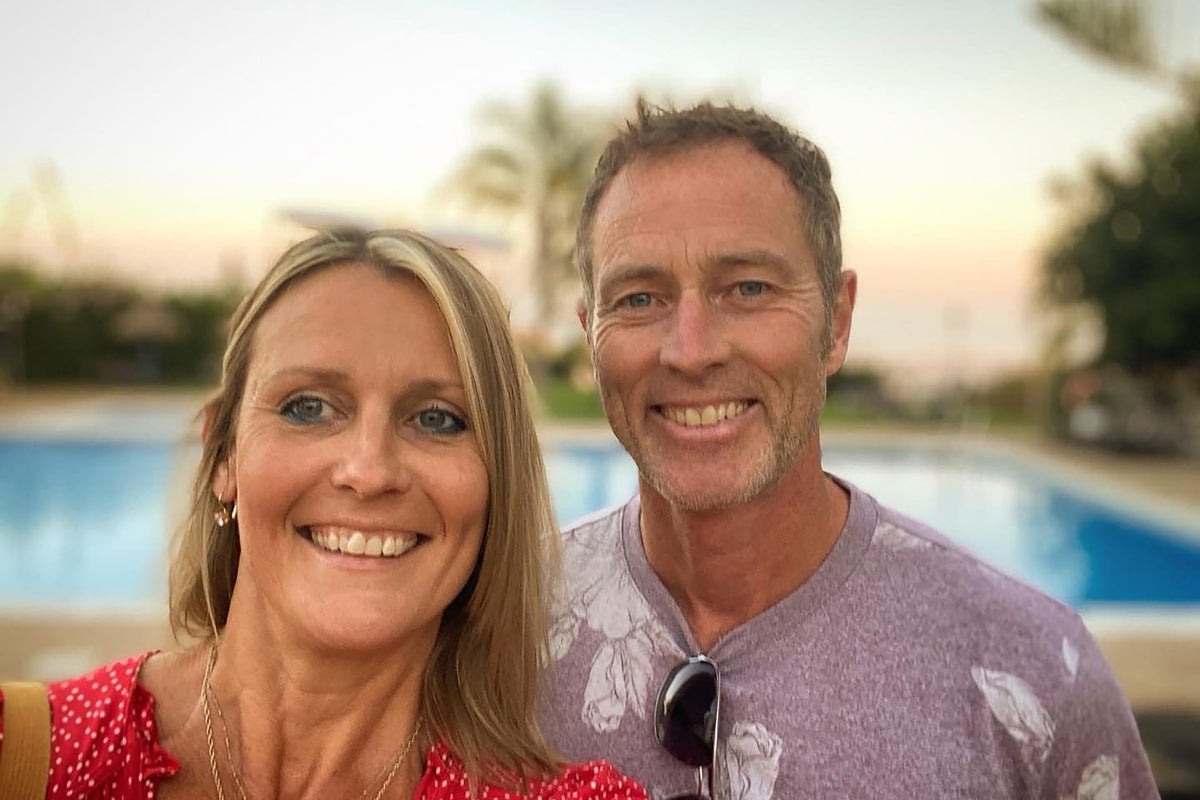
The British couple Craig and Lindsay Foreman, both aged 53, were arrested without explanation on 3 January 2025 while travelling from Isfahan to Kerman during their global motorbike tour. They had entered Iran via Armenia on 30 December 2024 and were passing through the country as part of a once-in-a-lifetime journey that had already lasted 17 months. The pair were later sentenced to 10 years on espionage charges that they completely deny, and they have since been held in Evin prison in northern Tehran where they survived US bombardment.
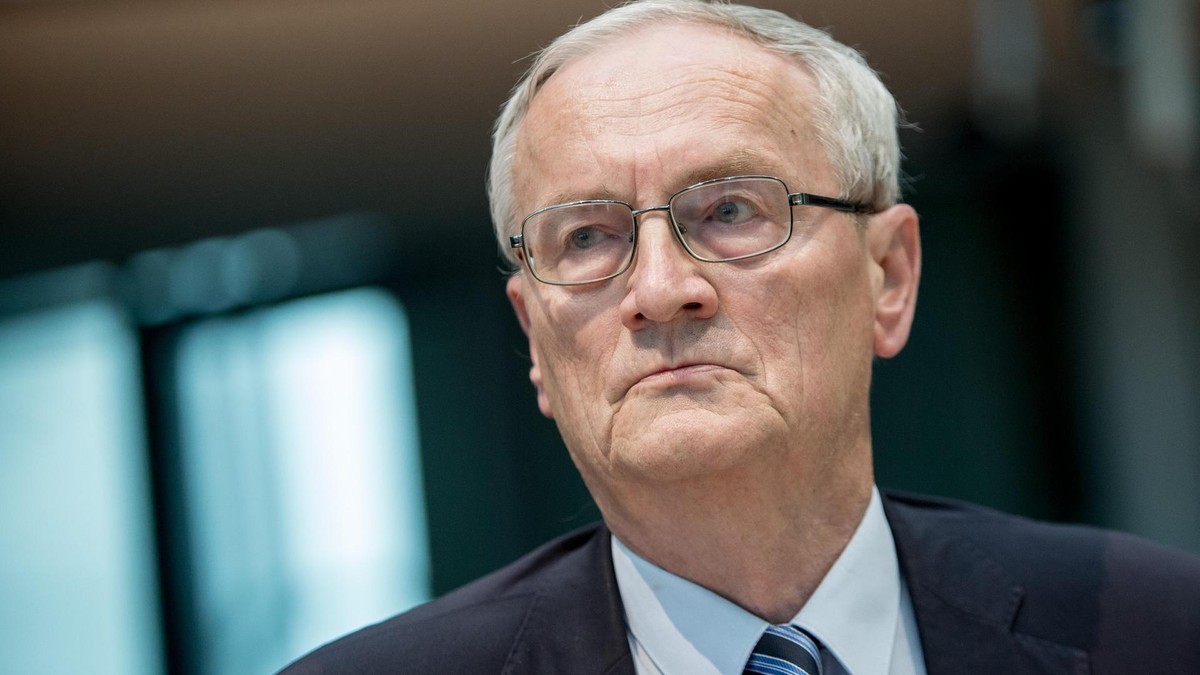
Richard Jan (The Independent)
Lindsay and Craig Foreman (The Independent)
Context for their detention stretches back to their decision to undertake the ambitious motorbike expedition that brought them into Iranian territory at a sensitive time. Iranian authorities provided no immediate explanation for the arrest, yet the timing coincided with heightened diplomatic tensions. The couple's phone contact with the outside world has since been cut off entirely, leaving them isolated as they launched a hunger strike in desperation that is making them weaker every day.
Speaking from his cell in Evin prison, Craig Foreman said: "This guy Richard Jan is like us, rotting away. He's a sick man. He's costing the taxpayers a lot of money." He added: "We are pawns in this massive game of chess." The Foreign Office has described it as "absolutely obvious" that the Foremans are innocent tourists caught in a broader diplomatic standoff.
The human impact is stark, with the couple's physical condition deteriorating rapidly under the strain of hunger strike conditions and limited medical access. Their prolonged detention has severed family connections and placed immense emotional pressure on relatives in the UK who must navigate the uncertainty without regular updates. Analysis suggests the arrest reflects Iran's use of dual-national detentions as leverage, mirroring patterns seen in other cases where British citizens become entangled in state-to-state disputes.
Richard Jan's Background and Prolonged Imprisonment
Richard Jan, a former biochemist at a hospital in north London, was handed a life sentence at London's Guildhall Crown Court for two counts of arson with intent to endanger life and one of causing public nuisance following a seven-year stalking campaign. The minimum tariff was later set at seven and a half years, yet including time served on remand he has now spent 23 years inside as his health deteriorates. Born in north London to Iranian parents, Jan renounced his British passport in jail in anticipation of removal to Iran.
The context of his case involves repeated refusals by the Parole Board despite the expiry of his minimum term, which made him eligible for deportation or parole consideration under the Tariff-Expired Removal Scheme. A deportation order was issued by the Home Office, but his removal was blocked by the Ministry of Justice. Jan now uses a wheelchair and struggles with a litany of worsening health conditions that have prompted Iranian officials to demand urgent healthcare.
Ambassador Seyed Ali Mousavi visited Jan personally in HMP Frankland, Durham, and in a post on X following the visit called for "immediate action" to address his health concerns. A documentary on his plight first aired on Iranian state television, focusing on his life story, ongoing imprisonment in Britain and an appeal from his mother. The Parole Board panel once again refused to release him, concluding there was no point in considering the Iranian risk management plan because British authorities could not monitor him there.
The human cost for Jan himself is profound, as he remains confined in category A conditions at HMP Frankland despite his advancing age and frailty. Analysis of the case highlights how foreign national offenders can become trapped in extended detention even after tariff expiry, creating diplomatic friction that extends far beyond the original offence. Relatives and advocates have emphasised the futility of continued incarceration for someone whose health renders further risk negligible.
The Direct Link Between the Foremans and Richard Jan
The Foremans believe Richard Jan represents the only avenue for negotiating their release after his case was raised by Iranian officials in a consular meeting last December. Craig and Lindsay were arrested on their motorbike tour a month after Jan was refused release to Iran by the Parole Board in late 2024. During the consular meeting with Lindsay, Craig and a British deputy ambassador at the prison, an Iranian official announced they wanted a meeting with the British ambassador to discuss Jan.
Context reveals a 15-year campaign by high-ranking Iranian officials for Jan to receive urgent healthcare in prison and be returned to the country, uncovered through a joint investigation by The Independent and Sky News. Iranian proposals included secure detention in a psychiatric hospital in Tehran, yet these were repeatedly set aside. The couple have called for the British government to deport Jan in line with policy on over-tariff foreign offenders.
Craig Foreman has stated: "If it means that they can get us out by doing a swap then why not? I believe this guy, from what I've heard, is fairly old now and ill. Surely if he gets back to Iran via a prisoner swap what harm could he be doing to the UK?" Evidence suggests Iranian authorities have grown increasingly frustrated over Britain's treatment of Jan, directly connecting the stalled deportation to the timing of the Foremans' arrest.
The human impact on both parties is intertwined, with the Foremans viewing Jan's continued detention as a barrier to their freedom and Jan himself experiencing further isolation as diplomatic leverage. Analysis indicates that the linkage transforms a domestic criminal justice matter into an international bargaining chip, prolonging suffering for all involved without clear resolution pathways.
The British Government's Position on Exchanges and Deportation
A government spokesperson has said there is "no truth whatsoever to the claims of a potential exchange arrangement" despite the Foremans' belief that Jan could secure their freedom. The Foreign Office maintains a policy not to do prisoner exchanges, even as Iranian officials have pressed the issue through consular channels. The Home Office issued a deportation order for Jan under the Tariff-Expired Removal Scheme, yet this was blocked by the Ministry of Justice.
Context for the government's stance lies in concerns that removal might undermine public confidence in the criminal justice system, a position that has persisted across multiple parole reviews. Officials have reiterated that foreign offenders should be considered for deportation once minimum terms expire, but exceptions arise when risk management cannot be assured abroad. The Ministry of Justice has prioritised domestic safeguards over international diplomatic relief.
Foreign Office officials continue to describe the Foremans as innocent tourists whose detention serves no legitimate purpose. A judge reviewing related decisions noted that Jan was "stuck in the system" without finding the Parole Board's refusal irrational. The government's approach has drawn scrutiny for its rigidity in the face of clear humanitarian and financial arguments for resolution.
The human impact manifests in prolonged uncertainty for British families awaiting decisions from Whitehall departments, while analysis shows that rigid no-exchange policies can inadvertently extend detentions abroad by removing diplomatic flexibility. Taxpayers bear ongoing costs without corresponding public safety gains once offenders reach advanced age and infirmity.
The Legal Tangle Involving Parole Board and High Court Decisions
The Parole Board panel admitted that they were "impressed" with the Iranian proposals and found they could "effectively manage" Jan's complex mental health problems, yet they concluded that safeguards of lifetime licence conditions could not be imposed in Iran and refused to recommend his release there. Jan applied for this decision to be reconsidered on 1 November. A High Court judge later rejected an application from Jan's lawyers to bring a judicial review against the Ministry of Justice and the Home Office.
Context encompasses the Ministry of Justice's decision to block deportation on grounds that it risked undermining public confidence, an argument Jan's legal team challenged as disproportionate. The Parole Board panel once again refused release, determining that British authorities could not monitor him in Iran. A judge who reviewed the refusal noted he was "stuck in the system" but upheld the panel's reasoning as rational.
Jan had challenged the Ministry of Justice's decision to block his deportation, arguing the measure was disproportionate given his health decline and the availability of Iranian psychiatric facilities. The legal proceedings have spanned multiple reviews without producing a pathway to removal or release, leaving the former biochemist in indefinite category A conditions.
The human impact falls heavily on Jan, whose physical deterioration continues amid repeated legal setbacks, while analysis reveals systemic inflexibility that traps individuals between competing departmental priorities. The High Court's rejection closed one avenue for challenge, reinforcing the sense of institutional deadlock that affects both the prisoner and those linked to his case through diplomatic channels.
Historical Precedent from the Nazanin Zaghari-Ratcliffe Case
British mother Nazanin Zaghari-Ratcliffe was arrested by members of Iran's Revolutionary Guard at the airport as she tried to fly back to Britain after visiting family in Iran with her 22-month-old daughter. At the time Jan was appealing his parole refusal, his case was raised by the then-ambassador Mohsen Baharvand in a meeting with Labour MP Tulip Siddiq over the return of her constituent, Ms Zaghari-Ratcliffe. The idea of a prisoner swap was ultimately rejected by Richard Ratcliffe, who later wrote to officials saying it was an insult which would create a "false equivalence" between the innocent British mother and a convicted criminal.
Context shows that the mother was finally released after nearly six years in detention after Britain settled an unpaid £400m debt with Iran over a failed arms deal dating back 40 years. The precedent illustrates how long-running financial and diplomatic disputes can intersect with individual detentions, creating opportunities for resolution that were not pursued in Jan's situation. Iranian officials have drawn parallels between the cases in their consular approaches.
The rejection of any swap in the Zaghari-Ratcliffe matter established a clear government line against equating convicted offenders with detained civilians. Yet the Foremans now argue that Jan's circumstances differ because of his age, illness and the existence of Iranian healthcare proposals that the Parole Board once found impressive.
Human impact in the earlier case included years of separation for a young family, while analysis demonstrates that successful debt settlements can unlock releases where prisoner exchanges alone are politically untenable. The current impasse suggests lessons from that resolution have not been applied to the linked Foreman and Jan situations.
The Human Cost and Taxpayer Burden of Continued Detention
The Foremans' son Joe Bennett questioned why the government has continued to waste taxpayers' money holding Jan in the category A HMP Frankland, in Durham, where prison places cost £92,437 per year. He demanded: "If there's a solution out there to get my parents back, why are we not exploring it?" Craig Foreman has echoed this view, describing Jan as "rotting away" in conditions that mirror their own suffering in Evin prison.
Context includes the 23 years Jan has already served beyond his original tariff, during which his health has declined to the point of wheelchair use and multiple medical needs. Iranian state television has aired appeals from his mother highlighting the ongoing imprisonment, while high-ranking officials have maintained a 15-year campaign for his return and treatment. The hunger strike launched by the Foremans adds another layer of urgency to the human suffering involved.
The financial burden on UK taxpayers continues without resolution, as category A security remains in place despite the Parole Board's earlier assessment that Iranian psychiatric facilities could manage Jan's condition. Relatives on both sides of the cases have voiced frustration at the absence of pragmatic options that could alleviate costs and distress simultaneously.
Analysis of the human cost reveals overlapping tragedies: the Foremans weaken daily through hunger strike, Jan deteriorates in a wheelchair, and families endure prolonged separation. The situation underscores how unresolved diplomatic and legal knots exact a heavy toll on individuals while draining public resources without advancing stated policy goals of either deportation or public protection.
By Erica Thornton, Staff WriterBy Erica Thornton, Staff Writer
This article was produced with AI-assisted research and editorial support. Reporting is based on sources cited in the article.
What's Your Reaction?
 Like
0
Like
0
 Dislike
0
Dislike
0
 Love
0
Love
0
 Funny
0
Funny
0
 Wow
0
Wow
0
 Sad
0
Sad
0
 Angry
0
Angry
0

US Politics and Policy Correspondent at Global1.News. Based in Washington DC, covering American politics, policy, elections, and the courts. Knows how the system works and tells you what it actually means.














Comments (0)