
Mexico Measles Outbreak 2026: World Cup, Vaccination Gaps and a Regional Health Crisis
Mexico is facing its most severe measles outbreak in decades, with more than 18,500 cumulative infections recorded across the country as the 2026 FIFA World Cup draws millions of visitors to host cities from Mexico City to Guadalajara and Monterrey. The highly contagious virus, which spreads through airborne transmission with an R0 of 12 to 18, has found fertile ground in commu
Mexico is facing its most severe measles outbreak in decades, with more than 18,500 cumulative infections recorded across the country as the 2026 FIFA World Cup draws millions of visitors to host cities from Mexico City to Guadalajara and Monterrey. The highly contagious virus, which spreads through airborne transmission with an R0 of 12 to 18, has found fertile ground in communities where childhood vaccination rates dropped during the COVID-19 pandemic, creating a public health emergency that now threatens the region's hard-won measles elimination status.
Mexico's Measles Emergency — The World Cup, Vaccination Gaps, and a Regional Health Crisis at the Crossroads
Mexico City, Mexico — July 10, 2026 — The numbers paint a stark picture: 11,820 confirmed cases in the first 25 weeks of 2026 alone, a cumulative toll exceeding 18,500 since the epidemic wave began, and between 16 and 43 deaths depending on the reporting source. Mexico's incidence rate of 80 to 100 cases per million residents now leads the Americas, dwarfing per capita rates in the United States and Canada and placing the entire region's measles elimination status on notice ahead of a critical PAHO review scheduled for November 2026.
Mexico's Measles Emergency — A Public Health Crisis at the Crossroads
Mexico stands at the epicenter of a devastating measles emergency that has already produced 11,820 confirmed cases during PAHO weeks 1-25 of 2026, with cumulative figures surpassing 18,500 and deaths ranging between 16 and 43. Incidence rates of 80-100 cases per million residents mark the highest burden anywhere in the Americas, representing three times the case count recorded in the United States. Children under four years old have been hit hardest, their developing immune systems unable to withstand the highly contagious virus whose basic reproduction number sits between 12 and 18. In the capital alone, CDMX has surpassed 1,000 cases, while World Cup host cities collectively account for 8,431 infections, illustrating how urban density and international gatherings accelerate spread. These numbers reflect far more than statistics; they represent families shattered by preventable illness and a public health system stretched beyond capacity. The crisis exposes deep inequities in vaccine access across Latin America, where decades of progress toward elimination now teeter on the brink. Without immediate, sustained intervention, Mexico risks becoming the epicenter from which the virus radiates throughout the hemisphere, undoing years of regional vaccination gains and placing millions of vulnerable children at renewed risk.
World Cup 2026 — A Perfect Storm for Measles Transmission
The 2026 World Cup has created an unprecedented convergence of risk factors that transformed host cities into measles transmission hubs. CDMX fan fests alone drew more than 500,000 attendees, while eight host cities recorded 8,431 total cases amid the tournament. President Claudia Sheinbaum has directly attributed many importations to US travelers carrying the virus across borders, a claim supported by IMSS data showing 801 medical interventions and 26 patient transfers following a single match. Five deaths linked to the World Cup period underscore the lethal stakes. Children under four remain disproportionately affected, their vulnerability magnified by crowded stadiums and fan zones where herd immunity thresholds of 95 percent were never reached. In outbreak zones, coverage languished between 70 and 80 percent, allowing the virus to exploit every gathering. The event’s scale—millions of domestic and international movements—created perfect conditions for exponential spread. Medicine shortages further compounded the crisis, delaying treatment for secondary complications. This convergence of mass gatherings, cross-border travel, and pre-existing immunity gaps has turned a sporting celebration into a regional health emergency, demonstrating how global events can rapidly undo localized vaccination progress across Latin America.
Vaccination Under Siege: Gaps Exposed by the Pandemic
The pandemic severely disrupted routine immunization programs across Mexico and Latin America, leaving coverage rates dangerously low in many communities. Outbreak areas now show only 70-80 percent MMR uptake, far below the 95 percent needed for herd immunity against a virus with an R0 of 12-18. These gaps allowed measles to resurge with alarming speed. In Mexico, the cumulative toll exceeds 18,500 cases, with children under four bearing the brunt. The pandemic’s lingering effects—missed well-child visits, supply chain interruptions, and vaccine hesitancy—created fertile ground for the current emergency. PAHO data reveal that the Americas recorded 20,521 cases in 2026, four times the 2025 total, confirming that immunity erosion is regional rather than isolated. Guatemala’s 25,745 cases and 24 deaths further illustrate the shared vulnerability. Without restoring coverage to elimination-era levels, every new importation risks igniting fresh chains of transmission. The crisis demands recognition that pandemic-era setbacks cannot be treated as temporary; they require aggressive, sustained catch-up campaigns to protect the hemisphere’s youngest and most susceptible populations before measles regains permanent footholds.
The Response: Jalisco, CDMX, and a Nationwide Push
Mexico’s response has centered on the Jornada Nacional de Vacunación, which delivered more than 8 million MMR doses through coordinated efforts by SSalud and SSaludCdMx, including targeted football-themed campaigns to reach families. Jalisco administered 3.4 million doses and reported no school-based outbreaks, demonstrating that rapid, localized intensification can contain spread. When seven new cases emerged in San Juan Cosalá, health brigades were immediately deployed to contain clusters. CDMX intensified outreach amid its more than 1,000 cases, while IMSS teams conducted 801 interventions and 26 transfers during high-risk matches. President Sheinbaum emphasized that many infections arrived via US travelers, prompting enhanced border surveillance. These efforts reflect a determined push to close immunity gaps, yet the scale—18,500 cumulative cases and up to 43 deaths—reveals how much ground remains to be recovered. Ecuador’s requirement of pre-travel MMR documentation offers a model for protecting mass gatherings. Sustained investment in these campaigns, coupled with transparent communication about shortages and coverage shortfalls, remains essential to prevent further escalation across Mexico and neighboring countries.
Latin America's Measles Resurgence — A Regional Warning
The measles resurgence sweeping Latin America demands urgent continental attention. PAHO recorded 20,521 cases across the Americas in 2026—four times the previous year’s total—alongside 25 deaths. Guatemala alone reported 25,745 cases and 24 fatalities, while Mexico’s 80-100 cases per million represent the highest per-capita burden. The United States logged over 2,100 cases, its highest since 2000, and Canada recorded 26.6 cases per million. These figures confirm that immunity gaps created by pandemic disruptions have allowed the virus to cross borders with ease. A PAHO review scheduled for November 2026 will assess whether elimination status can be preserved. With R0 values of 12-18, even modest coverage shortfalls of 70-80 percent in affected zones enable rapid amplification. Ecuador’s pre-travel MMR policy illustrates proactive regional measures, yet broader coordination remains fragmented. The crisis threatens decades of progress toward measles elimination, placing renewed pressure on health systems already managing competing priorities. Without accelerated cross-border strategies, Latin America risks sliding back into endemic transmission, endangering generations of children and reversing hard-won public health victories.
Voices from the Ground — Children, Parents, and Frontline Workers
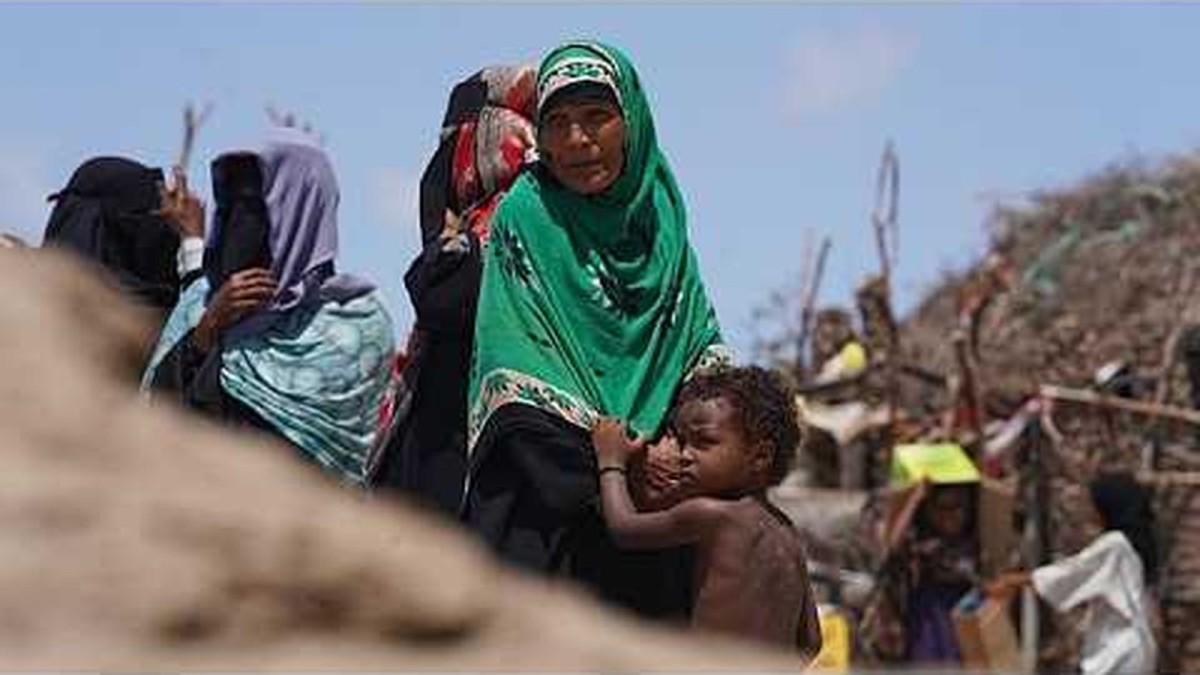
Behind every statistic lies profound human suffering. In CDMX and World Cup host cities, parents of children under four describe frantic searches for vaccines amid medicine shortages and overwhelmed clinics. Frontline workers recount 801 interventions and 26 transfers in a single match period, their exhaustion palpable as they battle a virus whose R0 of 12-18 turns every unvaccinated contact into potential tragedy. In Jalisco, brigades responding to seven new cases in San Juan Cosalá encountered families still recovering from pandemic-era missed doses. The 8 million MMR doses administered through the Jornada Nacional de Vacunación represent hope, yet coverage gaps persist. US travelers importing cases, as noted by President Sheinbaum, add layers of frustration for communities already stretched thin. Five World Cup-related deaths have left indelible scars. These voices underscore that data points—18,500 cumulative Mexican cases, 20,521 regional infections—translate into real grief and resilience. Frontline accounts reveal both the scale of the challenge and the determination of health workers fighting to protect Latin America’s most vulnerable children before further losses mount.
The Bottom Line — Elimination at Risk, Action Required Now
Mexico’s measles emergency, with 11,820 cases in the first 25 weeks of 2026 and cumulative totals exceeding 18,500, places regional elimination goals in immediate jeopardy. The highest per-capita rates in the Americas, concentrated among children under four in World Cup host cities, demand accelerated action. The Jornada Nacional de Vacunación’s 8 million doses and Jalisco’s 3.4 million successful interventions prove that scale is achievable, yet persistent 70-80 percent coverage in outbreak zones remains insufficient against an R0 of 12-18. Cross-border dynamics, including US importations and Guatemala’s 25,745 cases, require coordinated hemispheric responses. PAHO’s November 2026 review will test whether elimination can survive this surge. Medicine shortages and five World Cup deaths highlight systemic weaknesses that must be addressed. Ecuador’s pre-travel MMR requirement offers a replicable safeguard. The time for incremental measures has passed; only immediate, data-driven intensification across Mexico and Latin America can restore herd immunity thresholds, protect future generations, and prevent measles from regaining permanent ground in the region.
By Elena Vasquez, Staff WriterThis article was produced with AI-assisted research and editorial support. Reporting is based on sources cited in the article.
What's Your Reaction?
 Like
0
Like
0
 Dislike
0
Dislike
0
 Love
0
Love
0
 Funny
0
Funny
0
 Wow
0
Wow
0
 Sad
0
Sad
0
 Angry
0
Angry
0

Latin America Correspondent at Global1.News. Based in Mexico City, covering politics, economics, energy, and culture across the region. Brings an on-the-ground perspective to stories spanning from the Rio Grande to Patagonia.












Comments (0)