
Colombia Leads First Global Fossil Fuel Transition...
Colombia and the Netherlands co-hosted the First International Conference on the Transition Beyond Fossil Fuels in Santa Marta in April 2026. The gathering drew 57 countries and more than 2,000 participants to accelerate global fossil fuel phase-out efforts under the Fossil Fuel Non-Proliferation Treaty initiative. Former Mines and Energy Minister Irene Vélez Torres played a pr
Colombia and the Netherlands co-hosted the First International Conference on the Transition Beyond Fossil Fuels in Santa Marta in April 2026. The gathering drew 57 countries and more than 2,000 participants to accelerate global fossil fuel phase-out efforts under the Fossil Fuel Non-Proliferation Treaty initiative. Former Mines and Energy Minister Irene Vélez Torres played a prominent role, while campaign leaders Kumi Naidoo and Tzeporah Berman addressed the urgency of moving beyond extraction. The event cost approximately 1.75 billion Colombian pesos, representing just 1.46 percent of disputed budgetary figures yet carrying outsized symbolic weight.
Colombia Leads First Global Fossil Fuel Transition Conference
Santa Marta, Magdalena – Colombia, July 2026 — The first-of-its-kind summit placed Colombia at the center of a global debate over whether producer nations can lead the transition away from the very resources that sustain their economies.
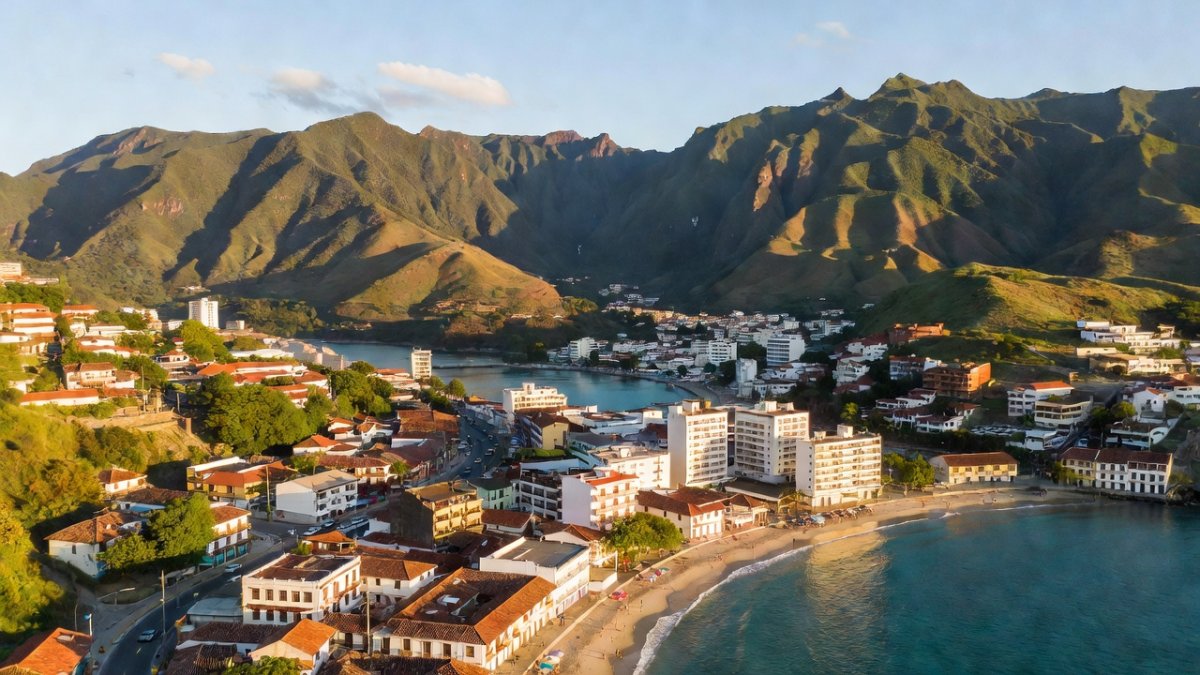
A Historic First: Colombia's Fossil Fuel Transition Conference
The Santa Marta conference marked a turning point for Latin America. Fifty-seven nations converged with over 2,000 delegates to chart concrete pathways away from coal, oil, and gas. Colombia’s decision to co-host with the Netherlands signaled that even a major producer could lead on phase-out discussions. Irene Vélez Torres, former Mines and Energy Minister, framed the agenda around equity and health. Kumi Naidoo, head of the Fossil Fuel Treaty campaign, and Tzeporah Berman stressed binding commitments rather than voluntary pledges. The gathering explicitly linked national policies to the Fossil Fuel Non-Proliferation Treaty, giving the initiative fresh regional momentum. Al Jazeera English captured the proceedings in its report “Colombia hosts first conference on transitioning away from fossil fuel use amid supply fears.” The video highlighted both the ambition and the contradictions facing host nations still dependent on extraction revenues. Participants left with draft roadmaps for licensing reform, just-transition funds, and health monitoring in mining regions. The conference cost roughly 1.75 billion Colombian pesos yet positioned Colombia as a diplomatic bridge between producers and climate-vulnerable states.
Colombia’s Fossil Fuel Dependency — The Numbers Behind the Rhetoric
Colombia remains deeply tied to hydrocarbons. In May 2026 fossil fuels accounted for 44.5 percent of total exports, generating US$5.2 billion. Coal production reached 52.7 million tonnes in 2024 with 4.5 billion tonnes of proven reserves, making the country the sixth-largest global exporter. Oil output averaged 745,000 barrels per day and delivered roughly US$15 billion in export earnings during 2024; Ecopetrol alone transferred 35 trillion Colombian pesos in taxes, royalties, and dividends to the state. Natural gas reserves have fallen to approximately 2.0 Gpc, yielding a reserves-to-production ratio of only 5.9 years—the lowest in eighteen years. UPME projections show widening deficits: 7.9 percent in 2025, 34.4 percent in 2026, and 51.3 percent in 2027. Non-mining exports finally surpassed fossil fuels in 2025, reaching 52.6 percent versus 47.4 percent, yet the political debate over new exploration contracts and fracking pilots continues under a right-leaning administration elected in 2026. Transition teams are now reviewing prior policies while export figures underscore the scale of the economic shift required.
The Health Toll of Coal: La Guajira, Cesar, and Latin America’s Sacrifice Zones
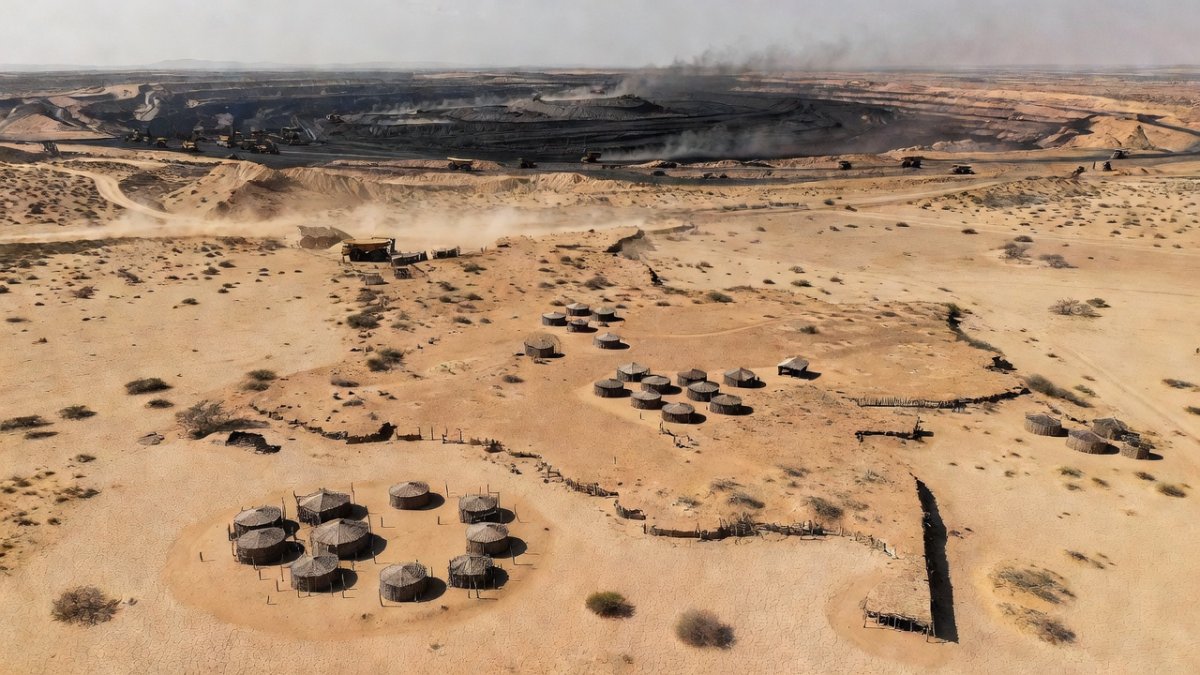
Coal extraction exacts a measurable human price. At the Cerrejón open-pit mine in La Guajira—the world’s largest—operations divert roughly 17 million liters of water daily from the Ranchería River for dust suppression. Wayuu Indigenous communities downstream face chronic water scarcity and elevated respiratory disease linked to PM10 and PM2.5 coal dust. In Cesar department, Drummond mine operations generate similar particulate exposure, contributing to documented rises in asthma and cardiovascular illness. Coal workers across both regions confront elevated risks of pneumoconiosis, commonly called black lung, and silicosis. Chile’s five official sacrifice zones—Mejillones, Tocopilla, Huasco, Quintero-Puchuncaví, and Coronel—expose more than 200,000 residents to pollution exceeding World Health Organization limits from thermal and coal plants. These overlapping burdens illustrate why health ministries increasingly frame fossil fuel phase-out as a public-health imperative rather than solely an emissions target. Data from the conference reinforced calls for mandatory air-quality monitoring and medical surveillance in all mining corridors.
Supply Fears and the Energy Security Debate
Gas supply anxiety now shapes Colombia’s transition timeline. With reserves at 2.0 Gpc and a 5.9-year R/P ratio, UPME forecasts deficits climbing from 7.9 percent in 2025 to 51.3 percent by 2027. Policymakers weigh fracking pilots and new exploration contracts against the 2026 election mandate favoring expanded production. Yet non-mining exports already exceed fossil fuel earnings, suggesting economic diversification is underway. The Santa Marta conference framed energy security not as continued extraction but as accelerated renewables deployment and regional interconnection. Participants cited IRENA findings that over 90 percent of new utility-scale renewables are cheaper than fossil fuels, offering both cost stability and health co-benefits. The tension between short-term supply gaps and long-term diversification remains central to the transition team’s review of prior administration policies. The conference also highlighted regional interconnection projects. Colombia already exports electricity to Ecuador and could supply additional Andean markets with dispatchable hydro backed by solar, reducing dependence on gas-fired peaker plants. Civil society groups argue that a managed phase-out creates more predictable outcomes than a disorderly collapse driven by resource depletion alone.
Renewables Rising: Solar Overtakes Coal in Colombia
Colombia’s electricity mix still relies on hydro at 68 percent, gas at 13 percent, and coal at 10 percent, yet solar has reached 5 percent and continues climbing. Renewable capacity expanded from roughly 200 MW to more than 4,000 MW in recent years after environmental licensing times were cut by up to 70 percent. IRENA data show more than 90 percent of new utility-scale renewables now cost less than fossil alternatives, while global renewable energy jobs exceed 16 million, with solar PV leading. Brazil already reports 1.6 million such positions, mostly in biofuels, and maintains an 88 percent renewable electricity share. Chile reduced coal’s share from over 40 percent to 14.3 percent while wind and solar reached 36 percent. These regional benchmarks demonstrate that rapid scaling is technically feasible and economically attractive, provided grid upgrades and storage keep pace with the licensing reforms already implemented in Colombia.
Latin America at a Crossroads: Chile’s Progress, Brazil’s Paradox, and the Political Shift
Chile plans to close its remaining coal plants by 2030 and redevelop sacrifice zones, offering a concrete model for Colombia. Brazil produces major volumes of oil yet sustains 88 percent renewable electricity, illustrating that resource wealth need not dictate power-sector lock-in. IRENA notes decentralized renewables can reliably serve remote health facilities, a critical advantage across the Andes and Amazon. A regional rightward political shift nevertheless threatens climate ambition, with several governments reopening fracking debates and delaying phase-out timelines. The Fossil Fuel Non-Proliferation Treaty has gained traction precisely because civil society and subnational actors continue pushing targets even when national rhetoric cools. Santa Marta showed that producer countries can host honest conversations about managed decline without waiting for perfect political alignment. Colombia's Amazon border regions with Ecuador, Peru, and Brazil share ecosystems that benefit directly from reduced fossil fuel exploitation. Coordinated licensing standards, shared grid interconnections, and cross-border renewable projects could multiply the impact of individual national efforts. The Santa Marta model — a producer country convening honest dialogue — has already inspired interest from other energy-exporting nations in the region.
The Bottom Line — What Comes Next for Colombia and the Region
The Santa Marta conference delivered neither binding treaties nor immediate production cuts, yet it normalized the conversation inside a major exporter. Colombia must now reconcile 44.5 percent fossil export dependence with widening gas deficits and proven renewable cost advantages. Health data from La Guajira, Cesar, and Chile’s sacrifice zones supply moral urgency that pure economic modeling often lacks. Regional peers demonstrate feasible pathways: Chile’s coal closures, Brazil’s job creation, and licensing reforms already tested in Colombia. The next eighteen months will test whether the 2026 administration converts conference rhetoric into revised exploration policy, expanded renewables auctions, and enforceable air-quality standards. Success hinges on treating the 5.9-year gas horizon not as a reason to drill faster but as a deadline to finish the transition already underway.
By Elena Vasquez, Staff WriterThis article was produced with AI-assisted research and editorial support. Reporting is based on sources cited in the article.
What's Your Reaction?
 Like
0
Like
0
 Dislike
0
Dislike
0
 Love
0
Love
0
 Funny
0
Funny
0
 Wow
0
Wow
0
 Sad
0
Sad
0
 Angry
0
Angry
0

Latin America Correspondent at Global1.News. Based in Mexico City, covering politics, economics, energy, and culture across the region. Brings an on-the-ground perspective to stories spanning from the Rio Grande to Patagonia.














Comments (0)