
Cape Verde Homecoming: Blue Sharks Celebrate Historic World Cup Run
The Homecoming Celebration in Praia The airport in Praia came alive this week as the Cape Verde national team touched down on Sunday after their remarkable World Cup campaign. Tens of thousands of supporters filled the grounds, turning the space into a vibrant sea of blue flags and joyful movement. Drums echoed across the tarmac while dancers moved in rhythm with the chants of
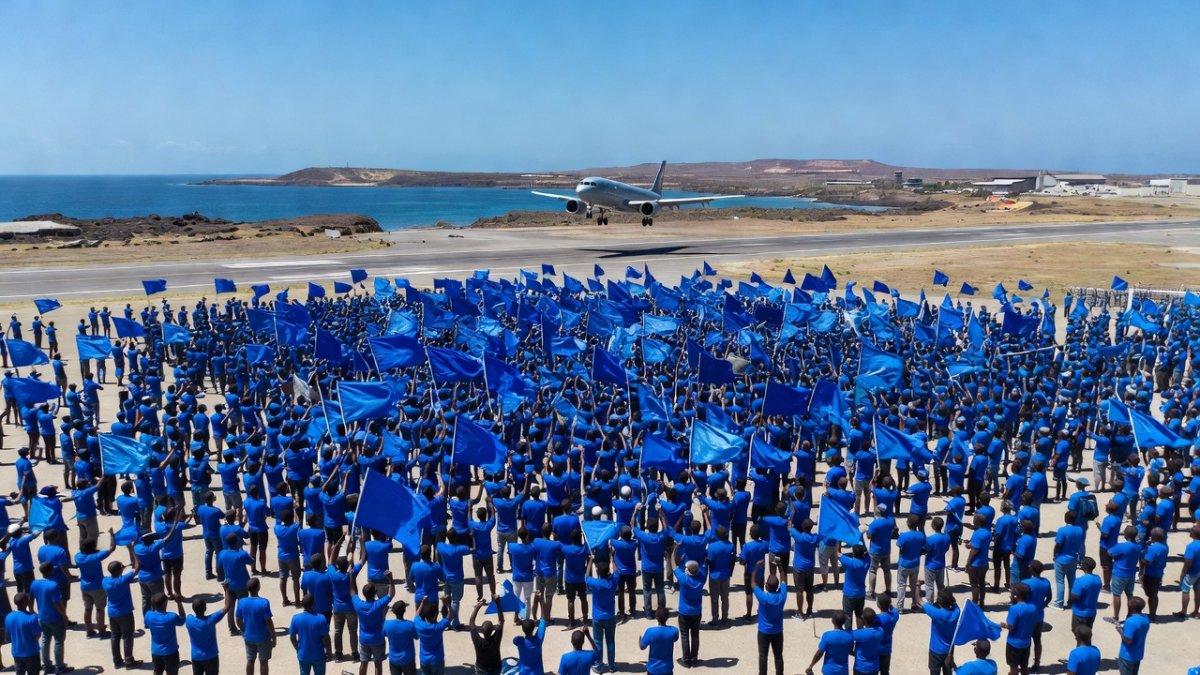
The Homecoming Celebration in Praia
The airport in Praia came alive this week as the Cape Verde national team touched down on Sunday after their remarkable World Cup campaign. Tens of thousands of supporters filled the grounds, turning the space into a vibrant sea of blue flags and joyful movement. Drums echoed across the tarmac while dancers moved in rhythm with the chants of the crowd. Players stepped off the plane to waves of applause and calls of their names, with goalkeeper Vozinha and centre-back Pico Lopes among those greeted most loudly.
Fans pressed forward to have shirts signed, their faces lit with pride for a side that had represented the second-smallest nation ever to reach the tournament. The atmosphere carried the warmth of island hospitality, with families arriving early to secure spots near the barriers. Children waved handmade banners while elders shared stories of past football moments that had united the community. The energy felt both spontaneous and deeply rooted in the daily life of Praia residents who had followed every match from afar.
Independence Day Coincidence and Its Significance
This homecoming unfolded alongside Cape Verde's Independence Day, marking 51 years since the end of Portuguese colonial rule. The timing added layers of meaning to the celebrations, as national pride in sporting achievement merged with reflections on self-determination. Supporters spoke of how the team's resilience on the world stage echoed the spirit that carried the islands through decades of building their own identity after 1975.
In Praia markets and neighbourhoods, conversations turned to how football now sits alongside traditional markers of freedom. The coincidence reminded many of the ways small nations continue to assert their place in global affairs. For families gathering over the weekend, the Blue Sharks' return offered a fresh chapter in a story of endurance that stretches from political history into present-day cultural life across the archipelago.
Cape Verde's World Cup Journey Match by Match
Cape Verde entered the tournament ranked 67th in the world and without prior World Cup experience. Their group stage began with a disciplined 0-0 draw against European champions Spain, a result that immediately announced their intent. Subsequent matches brought further draws that showcased organised defending and quick transitions, allowing the side to hold their own against established teams including Uruguay.
These performances set up a round-of-16 clash with Argentina. The journey highlighted the preparation and unity within a squad drawn from a population of just over half a million. Across West Africa, observers noted how Cape Verde's results demonstrated that consistent structure can overcome resource gaps that often separate smaller federations from larger ones.
The Argentina Match in Detail
The encounter with Argentina unfolded as a test of nerve and tactical discipline. Cape Verde fell behind to a Lionel Messi goal but responded with composure to restore parity at 1-1 and force extra time. A second Argentine lead followed, yet Sidny Lopes Cabral produced a stunning equaliser that kept hopes alive deep into the additional period.
Only a cruel deflection off Diney Borges from Cristian Romero's header finally separated the sides. The match illustrated Cape Verde's ability to recover from setbacks and maintain belief against the tournament favourites. Supporters in Praia later replayed key moments on screens in public squares, savouring the periods when their team stood level with the reigning champions.
Manager Bubista's Perspective
Manager Pedro Leitao Brito, known as Bubista, reflected on the campaign with quiet satisfaction. He emphasised that the team had shown a small country can compete against the world's best sides. The achievement, he noted, stands as a source of pride for the entire nation and a reminder that history can be written even when resources are limited.
Bubista praised the collective effort that carried Cape Verde through the group stage and into the knockout rounds. His words resonated with coaches across smaller African federations who balance limited budgets with high expectations. The manager's focus remained on the players' growth and the lasting value of having represented their country on the global stage.
Voices of the Players
Goalkeeper Vozinha, whose full name is Josimar Jose Evora Dias, spoke to the BBC while wearing a white T-shirt bearing his country's name. He described the return as a very great moment to be with the people, noting that the airport grounds had become a sea of blue on Sunday. Though the team had hoped for more, he stressed the importance of enjoying the moment and celebrating together.
Centre-back Pico Lopes, aged 33, featured prominently throughout the matches and received loud cheers from arriving fans. Captain Ryan Mendes also took time to sign shirts for supporters. Their comments highlighted gratitude for the backing received throughout the tournament and the personal honour of wearing the national colours in such a historic setting.
What This Means for Football in West Africa and Small Island Nations
Cape Verde's run offers a practical example for other West African and island nations seeking to build competitive sides. The results against higher-ranked opponents show that targeted preparation and team cohesion can produce results that exceed population or budget expectations. Federations in similar contexts now have a recent model to study when planning youth development and match scheduling.
Coaches and administrators across the region have begun discussing how Cape Verde maintained defensive shape while creating moments of threat. The campaign underscores the value of regional cooperation and shared knowledge that can lift multiple nations at once. For island communities facing logistical challenges, the Blue Sharks' story provides encouragement that consistent effort yields visible progress.
Cultural Connection Through Music and Tradition
The drumming at the airport drew directly from Cape Verdean musical heritage, where rhythms accompany both celebration and daily routines. Coladeira, with its upbeat tempo and storytelling lyrics, filled the air alongside the chants, linking the football victory to longstanding artistic expressions. Dancers incorporated steps familiar from local festivals, creating a seamless blend of sport and culture.
This fusion reflects how music has always travelled with Cape Verdeans, whether at home or in diaspora communities. The same percussive energy that supported the team in the tournament now welcomed them back, reinforcing the role of tradition in sustaining national spirit. In Praia neighbourhoods, similar sounds accompany everything from market days to family gatherings, making the homecoming feel like an extension of ordinary life rather than a separate event.
The Broader African Pride Angle
When small African nations reach the later stages of major tournaments, the effect ripples far beyond their borders. Cape Verde's achievement resonates with supporters in Senegal, Ghana, and other countries who recognise the shared challenges of building football infrastructure. The sight of the Blue Sharks competing evenly with global powers affirms that talent and organisation exist across the continent in every size of nation.
Communities from Dakar to the Cape Verde islands share updates and celebrate each other's milestones. This mutual encouragement strengthens the sense that African football continues to evolve through collective pride rather than isolated successes. The homecoming in Praia therefore stands as one more chapter in a wider narrative of continental progress on the world stage.
Legacy and What Comes Next for Cape Verdean Football
The return of the team marks the beginning of sustained interest in domestic football development. Youth academies in Praia and other islands are already reporting increased enrolment as children seek to follow the path of the current squad. Investment discussions now include better training facilities and regular international exposure for emerging players.
Officials have indicated plans to maintain the momentum through friendlies and regional competitions. The experience gained against Spain, Uruguay, and Argentina provides a foundation for future cycles. For Cape Verde, the legacy lies not only in the results but in the renewed belief that consistent participation can elevate the standard of play across the islands for years ahead.
By Amara Diop, Staff WriterThis article was produced with AI-assisted research and editorial support. Reporting is based on sources cited in the article.
What's Your Reaction?
 Like
0
Like
0
 Dislike
0
Dislike
0
 Love
0
Love
0
 Funny
0
Funny
0
 Wow
0
Wow
0
 Sad
0
Sad
0
 Angry
0
Angry
0

Canada Correspondent at Global1.News. Based in Toronto, covering Canadian politics, energy, trade, and US-Canada relations. Provides the Canadian perspective on North American and global affairs.











Comments (0)