
Cape Verde's Blue Sharks: A Homecoming Celebration for the Ages
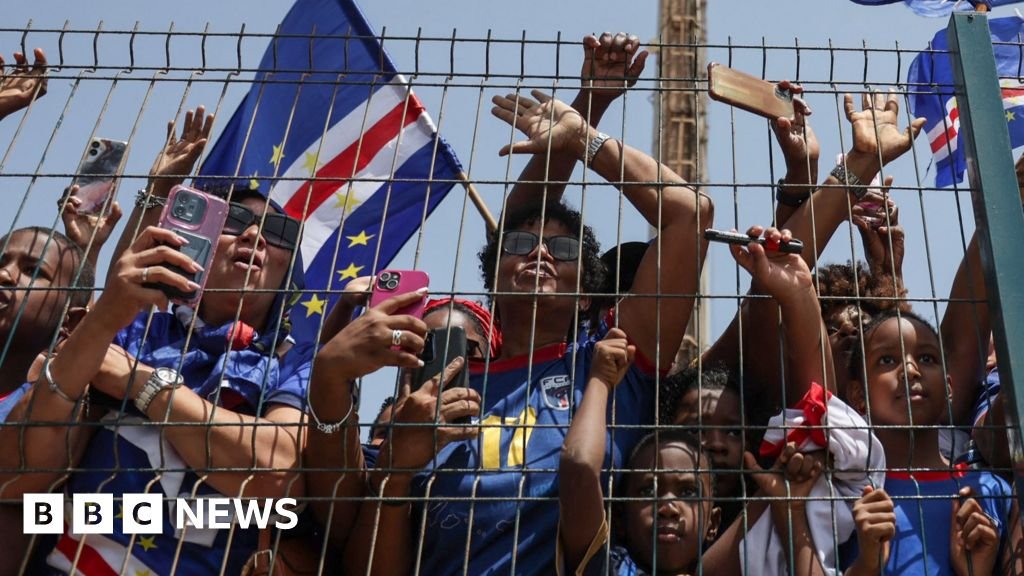
The Triumphant Return to Praia Tens of thousands of fans formed an ocean of blue outside the airport in capital city Praia to welcome home Cape Verde's football team after a historic run at the World Cup. The Blue Sharks flew into Praia on Sunday having been knocked out after a thrilling match against reigning champions Argentina. Jubilant fans transformed the airport's grounds
The Triumphant Return to Praia
Tens of thousands of fans formed an ocean of blue outside the airport in capital city Praia to welcome home Cape Verde's football team after a historic run at the World Cup. The Blue Sharks flew into Praia on Sunday having been knocked out after a thrilling match against reigning champions Argentina. Jubilant fans transformed the airport's grounds into a carnival of sorts banging drums dancing chanting and waving the national flag. This scene captured the deep cultural connections that bind Cape Verdeans together especially in moments of collective achievement that echo across the African continent where football often serves as a unifying force in daily life from bustling markets in Dakar to coastal villages in Praia itself. The energy reflected not just sporting success but a shared sense of identity rooted in resilience and community pride that resonates with many nations emerging from colonial histories.
Fans wearing the Cape Verde kit press against a metal fence during the homecoming celebration. (BBC News)
Goalkeeper Vozinha whose performances drew global attention expressed the weight of the occasion by noting it is a very great moment for us to be here with our people. Supporters lined the streets in numbers that highlighted how this homecoming transcended the pitch and touched on economic and social fabrics of Cape Verde where such events boost local morale and foster a sense of belonging amid everyday challenges. The celebration coincided with independence day marking 51 years since the end of Portuguese colonial rule adding layers of historical significance that connect to broader African narratives of self-determination and cultural revival. Fans screamed names like Vozinha and centre-back Pico Lopes as players signed football tops creating intimate exchanges that grounded the global spotlight in personal community bonds.
One supporter told the BBC she attended the homecoming to show gratitude to the Blue Sharks who represented the World Cup's second-smallest nation and had never played in the tournament before yet held their own against giants like Spain and Uruguay. This gratitude underscores the role of sport in elevating smaller African economies and societies where representation on world stages inspires youth and strengthens national cohesion. The ocean of blue at the airport symbolized more than fandom it embodied a cultural festival that blends music dance and national symbols in ways familiar to Senegalese celebrations or those in other West African nations. Such gatherings remind communities of their shared heritage and the power of collective joy in fostering long-term social unity.
Vozinha The Embodiment of Dedication
Goalkeeper Vozinha Josimar José Évora Dias who drew global attention with his performances told the BBC it is a very great moment for us to be here with our people. He said they wanted something bigger but did not get to the next stage so they were just enjoying the moment and celebrating with their people. At 40 years old Vozinha finished the World Cup with 18 saves third most in the tournament after his contract with Portuguese second division side Chaves expired leaving him without a club. Former England right-back Gary Neville called it one of the greatest performances he had ever seen from an underdog and predicted Vozinha is going to get a good club off the back of this. These details highlight the personal sacrifices athletes from smaller African nations often make balancing club uncertainties with international glory that inspires generations back home.
The homecoming in Praia allowed Vozinha and teammates to reconnect with roots that ground their identities amid the whirlwind of global attention. Fans chanted his name alongside others like Pico Lopes creating an atmosphere of warmth and cultural affirmation that mirrors celebrations in Senegal where returning heroes are embraced with similar communal fervor. This moment emphasized how individual stories like Vozinha's contribute to broader narratives of African perseverance where age and experience become assets rather than barriers in high-stakes environments. The 18 saves stood as testament to skill honed through years of dedication reflecting daily life lessons of resilience passed down in Cape Verdean families.
Neville further noted they are crying because they are going home they do not want to go home they want to be here for the rest of their lives capturing the emotional depth of the run. Such reflections connect to economic realities in African football where players from nations like Cape Verde often navigate limited resources yet deliver outsized impacts that uplift entire communities. The celebration at the airport transformed personal achievements into shared cultural milestones reinforcing bonds across the diaspora and within Praia itself where independence day added historical resonance to the festivities.
Performances That Redefined Expectations
Cape Verde came into the World Cup ranked 67th in the world but three group-stage draws including holding European champions Spain 0-0 in their opening game set up the monumental task of causing one of the biggest upsets the World Cup has ever seen. Against giants like Spain and Uruguay the Blue Sharks demonstrated tactical discipline and heart that challenged preconceptions about smaller nations in global competitions. This run connected deeply to African football traditions where underdog stories from countries across the continent inspire hope and unity in daily life from school fields to professional leagues. The draws showcased a style of play rooted in collective effort mirroring community values prevalent in Cape Verde and neighboring regions.
One supporter attended the homecoming to express gratitude for how the team represented the World Cup's second-smallest nation with pride and determination never before seen at this level. The performances elevated Cape Verde on the international stage fostering economic optimism through increased tourism interest and national branding that benefits local businesses in Praia and beyond. Culturally the Blue Sharks embodied the vibrant spirit of African resilience where football serves as both entertainment and a vehicle for social commentary on independence and self-reliance after 51 years of freedom from colonial rule. Fans waving flags and dancing at the airport embodied this fusion of sport and heritage.
The historic achievement prompted discussions on how such successes influence youth across Africa encouraging participation in sports as pathways to opportunity. Vozinha's leadership and the team's cohesion against established powers like Spain highlighted strategic depth that defies size-based limitations. This narrative resonates with Senegalese audiences who value similar tales of continental pride and cultural expression through athletic excellence. The overall impact extended beyond scores to strengthen communal ties and inspire ongoing cultural dialogues about possibility and achievement.
The Thrilling Clash With Argentina
Against Argentina Cape Verde went behind to a Messi goal but came back to level at 1-1 and took the game to extra time. Then they went behind again before a stunning strike from Sidny Lopes Cabral levelled once more. A cruel deflection off Diney Borges from Cristian Romero's header saw Argentina through. Despite the defeat Cape Verde manager Pedro Leitão Brito also known as Bubista was proud stating we showed that we may be a small country but we can play against the best teams in the world that is a reason for pride we made history for our country. This match encapsulated the drama and emotion that define World Cup moments while tying into African storytelling traditions of overcoming odds through unity and skill.
The sequence of goals and the extra-time battle created lasting memories for fans who gathered in Praia to relive every detail during the homecoming. Bubista's words underscored national pride that aligns with independence day observances celebrating 51 years since Portuguese colonial rule ended. Supporters in the ocean of blue chanted and danced as a way to honor this effort connecting the sporting narrative to broader themes of cultural endurance seen across African nations. The stunning strike by Sidny Lopes Cabral became a symbol of individual brilliance within team success.
Gary Neville praised the display as one of the greatest performances from an underdog emphasizing how Cape Verde held their own against world champions. This encounter boosted collective morale in ways that influence daily life by promoting values of perseverance and community support. The homecoming allowed players to share these experiences directly with people reinforcing bonds that sustain cultural identity long after the tournament lights fade. Such events highlight football's role in fostering economic and social vitality throughout the continent.
Legacy and Lasting National Pride
Centre-back Roberto Pico Lopes who plays for Shamrock Rovers told BBC Sport one of the best things to come from this World Cup is nobody asks where Cape Verde is on the map any more this is history in itself for us we have put ourselves on the map we are a small nation but with big hearts and we showed what is possible and if you believe you can achieve. The homecoming celebration in Praia with tens of thousands of fans banging drums and waving flags marked the beginning of this enduring legacy. Tied to independence day the event blended sporting triumph with reflections on 51 years of sovereignty creating a powerful cultural statement that echoes in African communities valuing self-determination.
Players signing tops and hearing chants for Vozinha and Pico Lopes illustrated the personal connections that sustain national spirit. This achievement influenced perceptions across the continent where smaller nations draw inspiration from Cape Verde's example in pursuing excellence despite limited resources. The ocean of blue at the airport symbolized ongoing commitment to cultural preservation and communal celebration that enriches daily existence. Neville's observations on the team's reluctance to leave reinforced the emotional investment shared by supporters worldwide.
Overall the Blue Sharks' journey fostered dialogue on African football's growing influence promoting unity and opportunity. The quotes from Vozinha Bubista and Pico Lopes serve as reminders of pride rooted in history and forward-looking optimism. As fans dispersed the spirit of the homecoming continued to inspire economic cultural and social advancements in Cape Verde and beyond.
By Amara Diop, Staff WriterThis article was produced with AI-assisted research and editorial support. Reporting is based on sources cited in the article.
What's Your Reaction?
 Like
0
Like
0
 Dislike
0
Dislike
0
 Love
0
Love
0
 Funny
0
Funny
0
 Wow
0
Wow
0
 Sad
0
Sad
0
 Angry
0
Angry
0

West Africa/Sahel Correspondent at Global1.News. Dakar-based journalist covering politics, security, climate, and development across Francophone and Anglophone West Africa. Tells the stories of a region undergoing profound transformation.











Comments (0)