
Egypt Demands FIFA Probe VAR Controversy in World Cup Loss
The Match That Shook Africa The final whistle in Atlanta left Egyptian players on their knees and African fans across the continent staring at their screens in disbelief. Egypt had led Argentina 1-0 deep into the second half of this last-16 clash, only to see the advantage erased by two late goals that carried the South Americans into the quarter-finals. The drama unfolded unde
The Match That Shook Africa
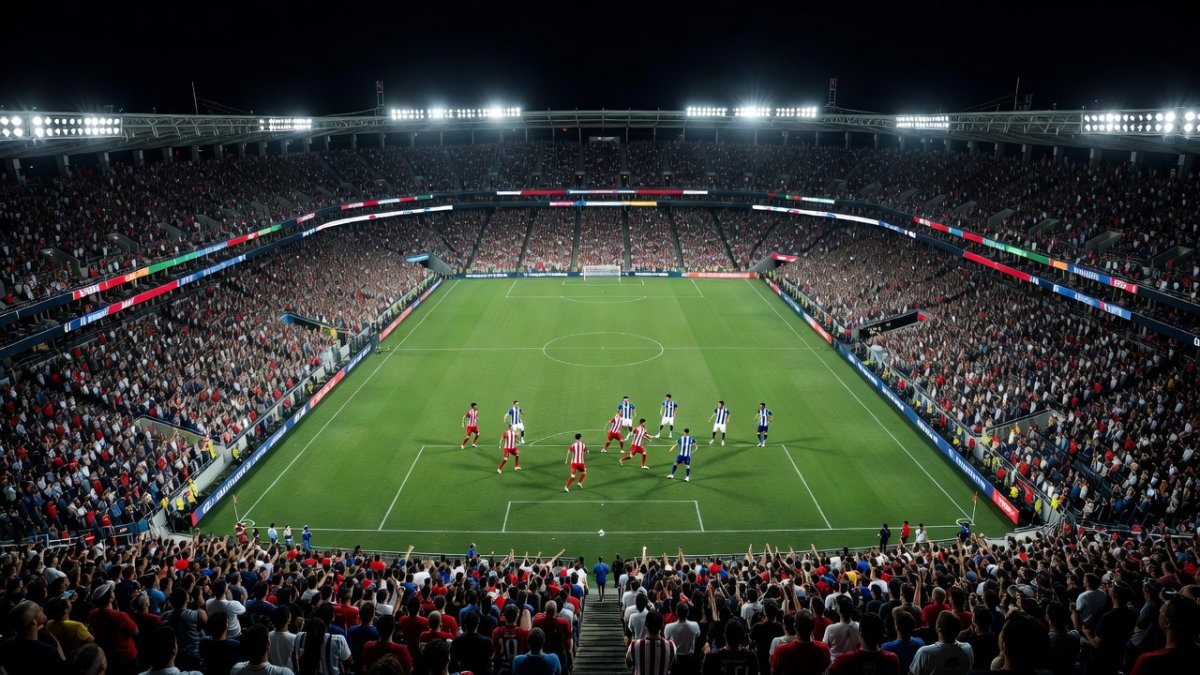
The final whistle in Atlanta left Egyptian players on their knees and African fans across the continent staring at their screens in disbelief. Egypt had led Argentina 1-0 deep into the second half of this last-16 clash, only to see the advantage erased by two late goals that carried the South Americans into the quarter-finals. The drama unfolded under the lights of a packed stadium where every decision seemed to carry extra weight for a nation that has never reached the World Cup quarter-finals.
Mostafa Zico thought he had doubled Egypt’s lead, but the VAR intervention ruled the goal out after Marwan Attia was penalised for stepping on Lisandro Martinez’s foot. Moments later, Egypt believed Mohamed Salah had been fouled inside the Argentina penalty area, yet play continued and Argentina broke forward to score a stoppage-time winner. Lionel Messi had already set up the 79th-minute equaliser before adding his own goal in the 83rd minute, turning the match on its head in a manner that left the Egyptian bench stunned.
In living rooms from Dakar to Cairo, supporters replayed the incidents on their phones, pausing at the exact frames where the referee’s whistle cut short Egyptian celebrations. The loss felt heavier because it came against a side many Africans admire for its flair, yet the manner of defeat echoed long-standing frustrations about how decisions land when African teams face stronger opponents.
Egypt’s manager Hossam Hassan later described his team as having been treated unfairly, a sentiment that resonated far beyond the stadium. The match had promised to showcase African resilience on the global stage, but instead it reinforced a familiar sense that the smallest margins are rarely decided in Africa’s favour.
A Familiar Story for African Football
Across the continent, football carries the hopes of communities where resources for training grounds remain limited and young players often train on dusty pitches after school. When Egypt’s last-16 exit followed such contentious calls, conversations in Senegalese tea houses turned quickly to the broader pattern of officiating that African sides have encountered at successive World Cups. Senegal’s own clashes with Egypt during the 2022 qualifiers, featuring Sadio Mane against Mohamed Salah, already carried intense national pride, yet both nations share the experience of feeling that external factors can override on-field effort.
Daily life in many African cities revolves around collective viewing of these tournaments, with families gathering around single televisions and children mimicking the stars they see. The sense that decisions can tilt against teams from the continent is not abstract; it touches the pride of supporters who see their players compete with limited preparation time compared with European or South American squads. Egypt’s complaint therefore lands in a context where football represents both escape and aspiration for millions living ordinary lives shaped by economic pressures and community solidarity.
Senegal’s football culture, built on the same passion that fuels street games in every neighbourhood, understands the sting of near-misses. The rivalry between the two North and West African giants has always been fierce, yet it also highlights a shared continental desire for fair recognition. When incidents like the disallowed Zico goal or the unpunished challenge on Salah occur, they feed into a collective memory that stretches back through multiple tournaments.
This shared history does not diminish the joy African fans take in watching Messi or other global talents, but it does sharpen the demand that every team receives consistent treatment. The Atlanta match simply added another chapter to a story that supporters discuss with both resignation and renewed determination.
What Egypt's Complaint Alleges
Egyptian Football Association president Hany Abou Rida formally lodged a complaint with FIFA, calling for a full investigation into French referee Francois Letexier and his entire crew. The submission cited what the association described as double standards, blatant errors, and discrimination against Egypt, demanding that the officials be excluded from the remainder of the tournament. These specific allegations were presented alongside detailed references to the VAR decision that cancelled Zico’s goal and the handling of the late challenge involving Salah.
Manager Hossam Hassan stated plainly that his team had been treated unfairly, while forward Mostafa Zico went further, declaring that the referee was really unfair and that it is clear this tournament has been fixed. Such direct language from players and officials reflects the depth of feeling inside the Egyptian camp after a performance that had promised to carry the side into the quarter-finals for the first time in their history.
The complaint also noted the sequence involving Messi, who set up the 79th-minute goal before scoring the 83rd-minute equaliser, arguing that earlier decisions had already shifted momentum. Egyptian supporters, watching from across Africa, saw these moments as emblematic of how small infractions can be magnified when they involve African teams.
By naming the referee and the specific incidents, the Egyptian federation placed its concerns on record in a manner that invites FIFA scrutiny. The document stands as a formal expression of frustration felt not only in Cairo but in football communities throughout the continent that follow every World Cup decision with close attention.
FIFA and the Weight of an African Complaint
FIFA now faces the task of responding to Egypt’s detailed submission, and history offers one clear precedent. At the 2022 World Cup, France lodged a similar protest after a defeat to Tunisia, yet FIFA dismissed the complaint without altering the outcome or removing officials. That earlier case suggests the current Egyptian request for an investigation and crew exclusion may encounter comparable institutional resistance.
Nevertheless, the complaint arrives at a moment when African football federations are increasingly coordinated in voicing concerns about consistency. The fact that Egypt has never reached the quarter-finals adds symbolic weight, because the nation’s players and supporters have waited decades for a breakthrough that officiating decisions can either enable or obstruct.
Argentina’s next fixture against Switzerland in Kansas City will proceed regardless, yet the outcome of FIFA’s review could influence how future matches involving African sides are perceived. Supporters across the continent will watch the process closely, measuring whether the governing body treats every protest with equal seriousness.
The Egyptian complaint therefore tests more than a single set of decisions; it tests the credibility of FIFA’s commitment to uniform standards. While the precedent from 2022 indicates limited immediate change, the act of filing the document itself asserts that African voices will continue to demand accountability at the highest level of the game.
The Bigger Picture: African Football on the World Stage
African football development depends on more than talent; it requires infrastructure, consistent coaching, and the assurance that on-field effort will be judged fairly. Egypt’s experience in Atlanta highlights how officiating controversies can overshadow the progress made by national teams that train under difficult conditions and travel long distances to compete. For young players in Senegal and elsewhere, these moments shape ambitions and underline the need for stronger representation within global governance structures.
The rivalry between Senegal and Egypt, forged through intense qualifiers featuring stars such as Mane and Salah, demonstrates that African nations can challenge one another at the highest level while still sharing common goals. When complaints about discrimination surface, they reflect a broader aspiration that the continent’s growing football economy, from local leagues to diaspora support, receives the respect it deserves on the world stage.
Daily conversations in markets and workplaces across Africa often return to these tournaments as sources of unity and pride. The path forward involves continued investment in youth academies and technical education, yet it also requires sustained advocacy so that decisions by referees such as Francois Letexier are applied without perceived bias. Egypt’s formal protest contributes to that advocacy even if immediate results remain uncertain.
Ultimately, the Atlanta match and its aftermath remind the continent that football remains a powerful vehicle for expressing identity and demanding equity. African teams will keep striving for quarter-final appearances and beyond, carrying the hopes of communities that view every World Cup as an opportunity to affirm their place in the global game.
By Amara Diop, Staff WriterThis article was produced with AI-assisted research and editorial support. Reporting is based on sources cited in the article.
What's Your Reaction?
 Like
0
Like
0
 Dislike
0
Dislike
0
 Love
0
Love
0
 Funny
0
Funny
0
 Wow
0
Wow
0
 Sad
0
Sad
0
 Angry
0
Angry
0

West Africa/Sahel Correspondent at Global1.News. Dakar-based journalist covering politics, security, climate, and development across Francophone and Anglophone West Africa. Tells the stories of a region undergoing profound transformation.










Comments (0)